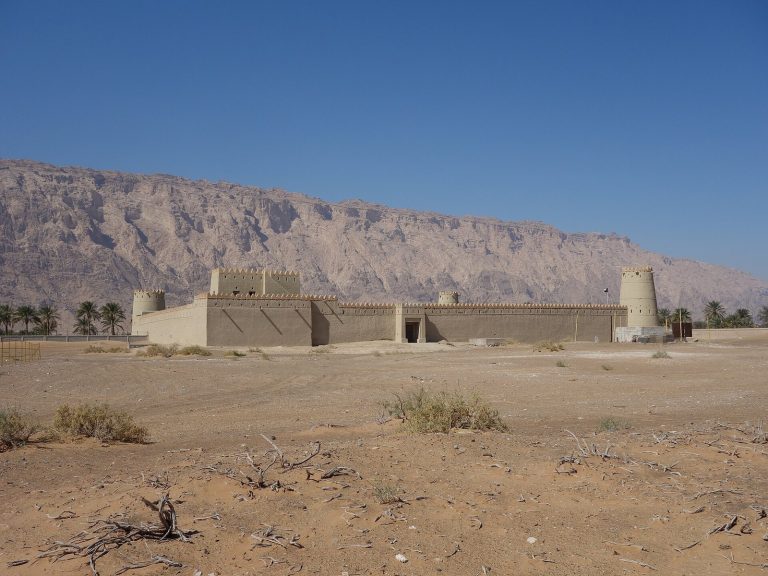
Hili Archaeological Park: A Bronze Age Settlement and Archaeological Site in Abu Dhabi
Site at a Glance
- Rating
- 4.5
- Popularity
- High
- Country
- United Arab Emirates
- Primary era
- Bronze Age
- External website
- Open
- Eras represented
- Bronze Age, Iron Age
- Civilizations
- Umm an-Nar
- Site type
- City
On this page11 sections
History
Hili Archaeological Park is a public park and archaeological site in Al Ain, Abu Dhabi, United Arab Emirates. It preserves the country’s largest Bronze Age archaeological site, with settlement evidence extending across the third millennium BC. The Bronze Age is an archaeological period named for the widespread use of bronze in tools and other objects, although its dates vary by region.
Bronze Age settlement
Hili 8, the earliest settlement at Hili, dates to around 3000 BC. It provides some of the earliest evidence for oasis farming in southeastern Arabia, including the cultivation of wheat, barley and date palms. Most houses, towers and tombs date to the Umm al-Nar period, from about 2700 to 2000 BC. The Umm al-Nar culture was a Bronze Age archaeological culture of southeastern Arabia.
The settlement developed over several centuries and covered more than 10 hectares. Finds of pottery and boats have led some researchers to suggest that its towers helped protect trade routes. Copper production probably provided a major source of income, while archaeological finds also indicate farming, trade and technological development.
Iron Age water management and settlement
Occupation continued into the Iron Age, another archaeological period named for the widespread use of iron in tools and other objects, with dates that vary by region. By the first millennium BC, people at Hili had developed aflaj, irrigation channels that often run underground. Settlement and irrigation works at Hili show that activity continued beyond the Bronze Age.
Excavation and recognition
Excavations began in the 1960s and brought attention to Hili’s settlement and tomb remains. French, British and German teams later continued excavation and analysis, while Abu Dhabi’s government developed the archaeological park around the remains.
In 2011, Hili became part of the Cultural Sites of Al Ain on the UNESCO World Heritage List. UNESCO, the United Nations agency that supports implementation of the World Heritage Convention, recognized the property under cultural criteria iii, iv and v. It was the first World Heritage property in the United Arab Emirates. The wider property also includes Hafit, Bidaa Bint Saud, the oasis areas, Hili 2, Hili North Tomb A, Hili North Tomb BTS and the Rumailah Site.
Remains
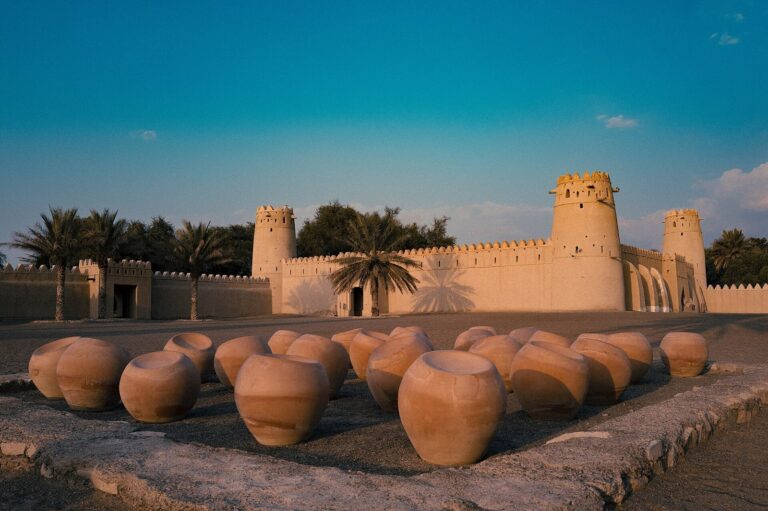
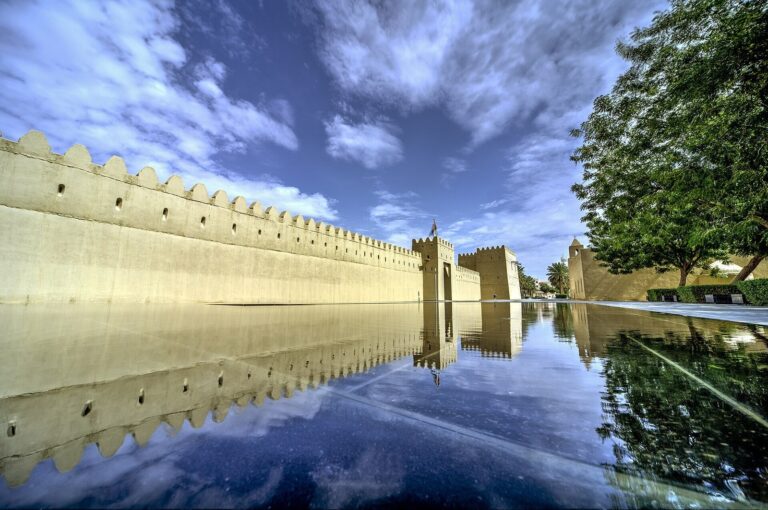
The archaeological remains are found within the public park and in a protected area beyond it. The site includes settlement remains, circular towers, irrigation works and burial monuments. Mudbrick was used for most of the settlement’s houses and towers, while the Hili Grand Tomb is built of stone.
Settlement and water systems
Bronze Age settlement and towers
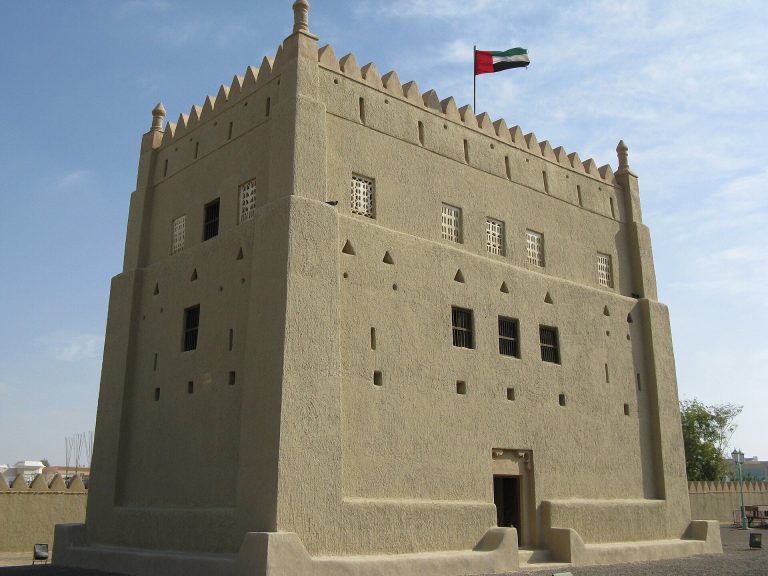
Large circular towers were built around wells and contained several rooms within outer walls. A Danish team discovered a tower in the park’s northern area during the 1960s. In the southwest, a circular mudbrick tower was built and modified from the late third millennium BC through 1600 BC; a French team excavated it in the late 1970s. A Bronze Age settlement area was excavated and restored in 1995.
Iron Age village and irrigation
The northern part of the park contains an Iron Age village with at least ten mudbrick houses and a falaj, a channel for carrying irrigation water. The northern channel is attributed to the Iron Age and was discovered in 1983. Exploration in 1985 of Hili’s oldest known falaj in the UAE indicated engineering skill comparable to that used in ancient Mesopotamia.
Tombs
Hili Grand Tomb
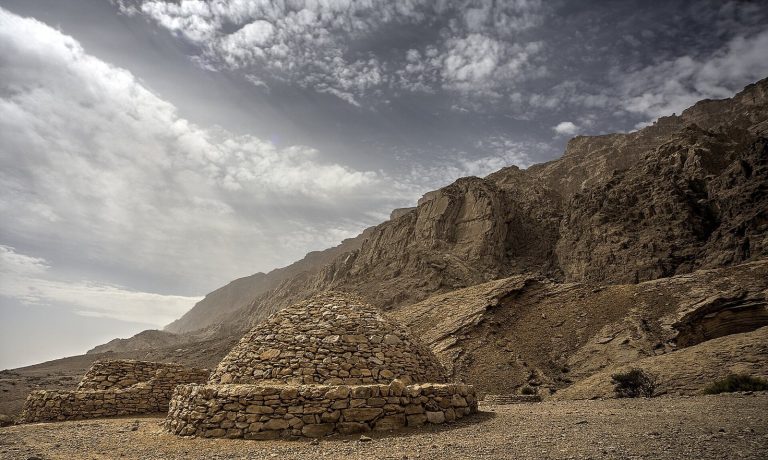
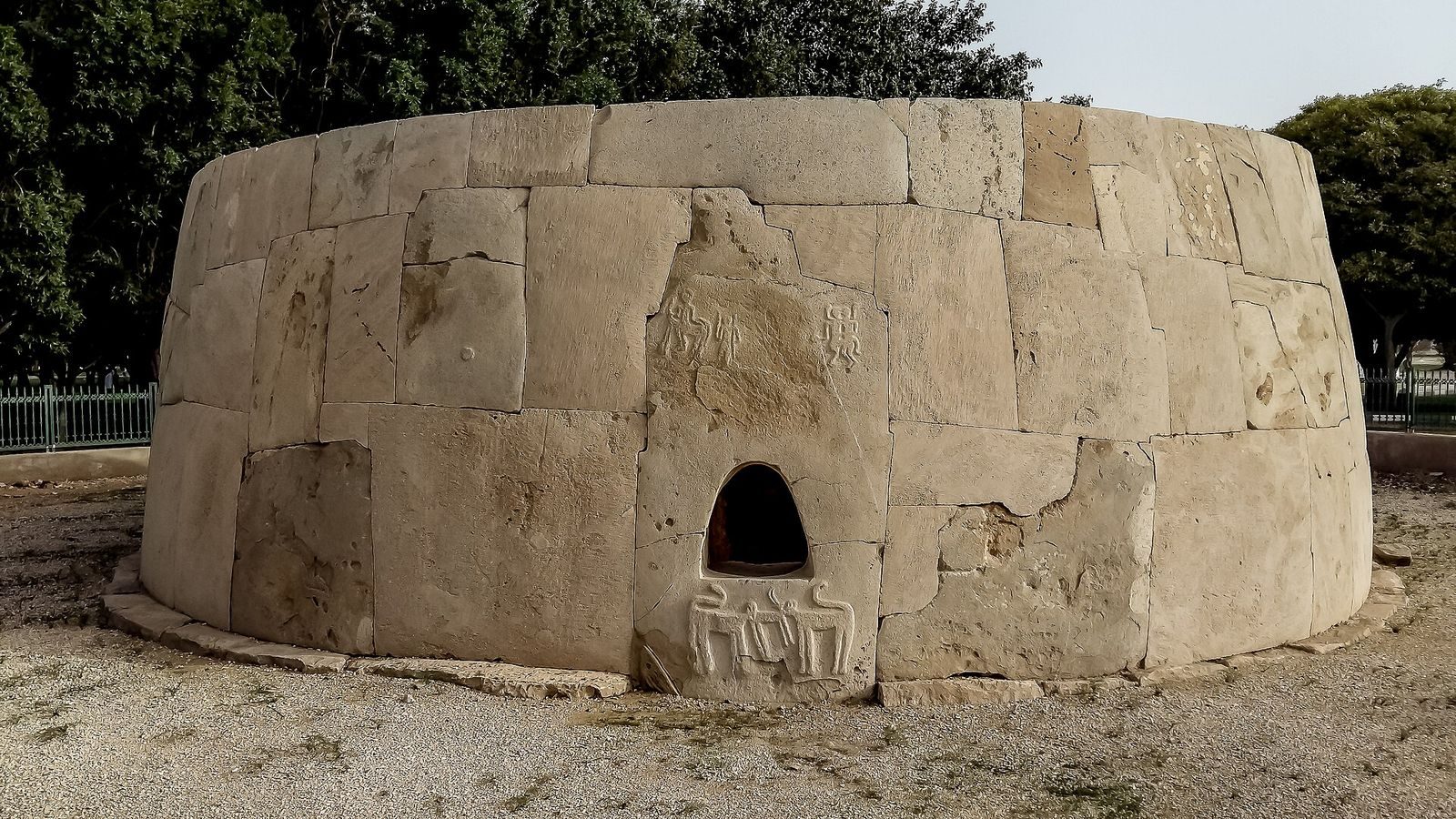
The Hili Grand Tomb is a circular stone tomb in the park’s northern area, associated with the Umm al-Nar culture and dating from about 2300 to 2000 BC. It is approximately 2.5 metres high and 12 metres in diameter. Its two entrances bear carvings of people and oryx. Inside, six chambers are arranged in two groups, separated by a crosswise wall. The tomb yielded remnants of human remains and was restored in 2005 to convey its original appearance.
Oval tomb and burials
An excavated oval tomb near the Grand Tomb contains the remains of more than 600 people and funerary goods dating to the end of the third millennium BC. Intact graves may have received bodies transferred from earlier burials at a later date. Analysis of excavated burials indicates high child mortality and suggests that the average age at death rarely reached 40 years. Estimated average heights were about 157 centimetres for women and 171 centimetres for men; serious dental problems provide evidence of malnutrition.