Ugron Castle: A Calendar-Themed Summer Residence in Romania
Site at a Glance
- Rating
- 3.9
- Popularity
- Medium
- Country
- Romania
- Primary era
- Modern
- Eras represented
- Modern
- Civilizations
- Austria-Hungary, Habsburg, Hungarian
- Site type
- Domestic
- Remains
- Castle
On this page4 sections
History
Construction and a local tradition
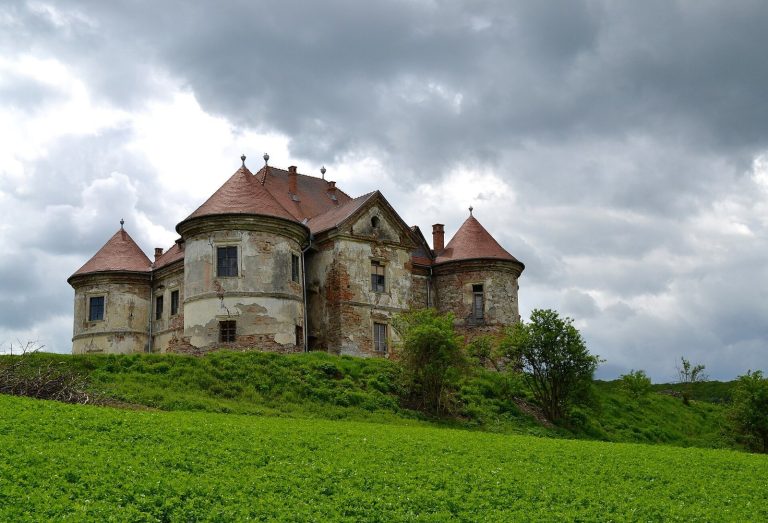
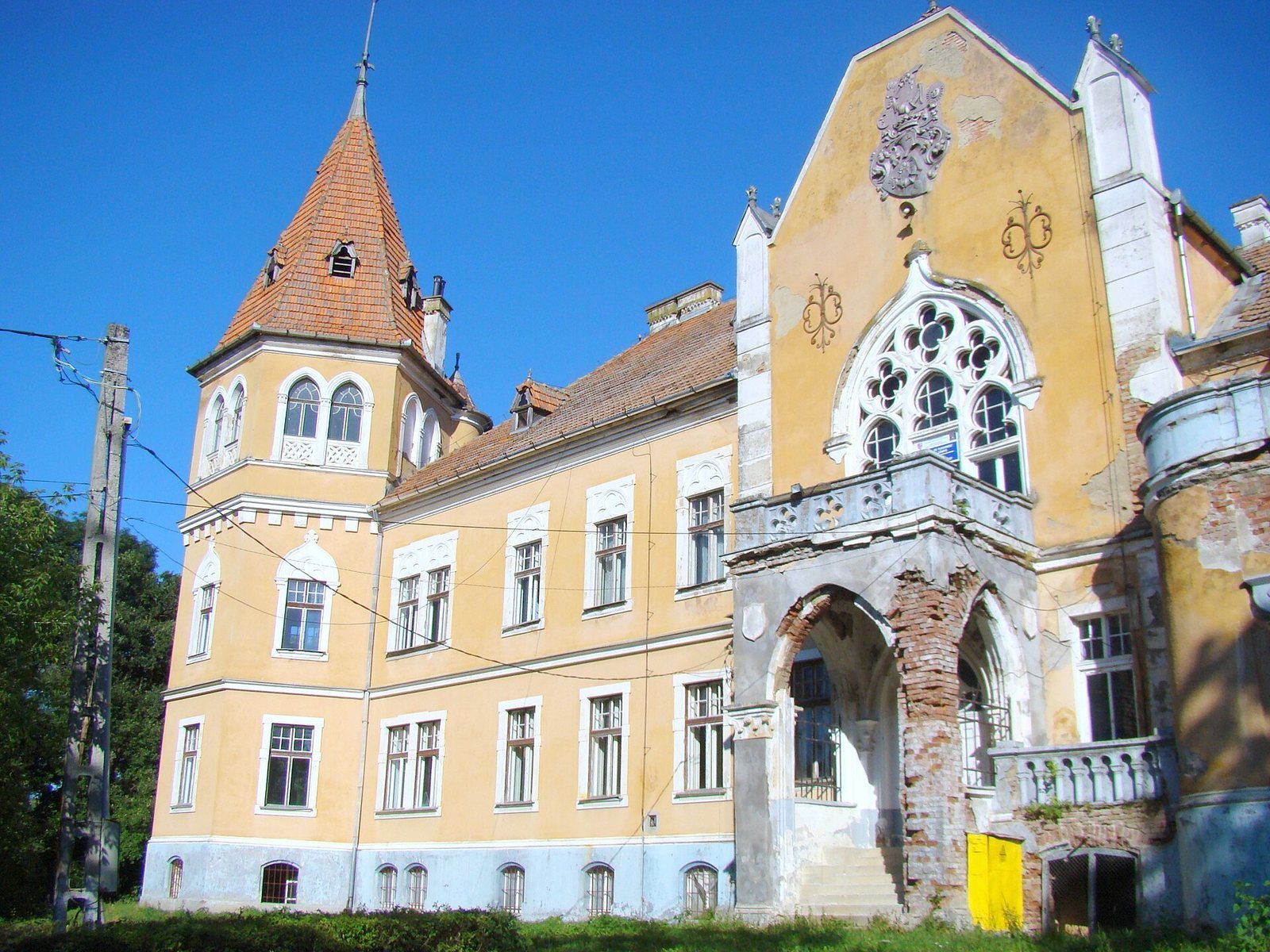
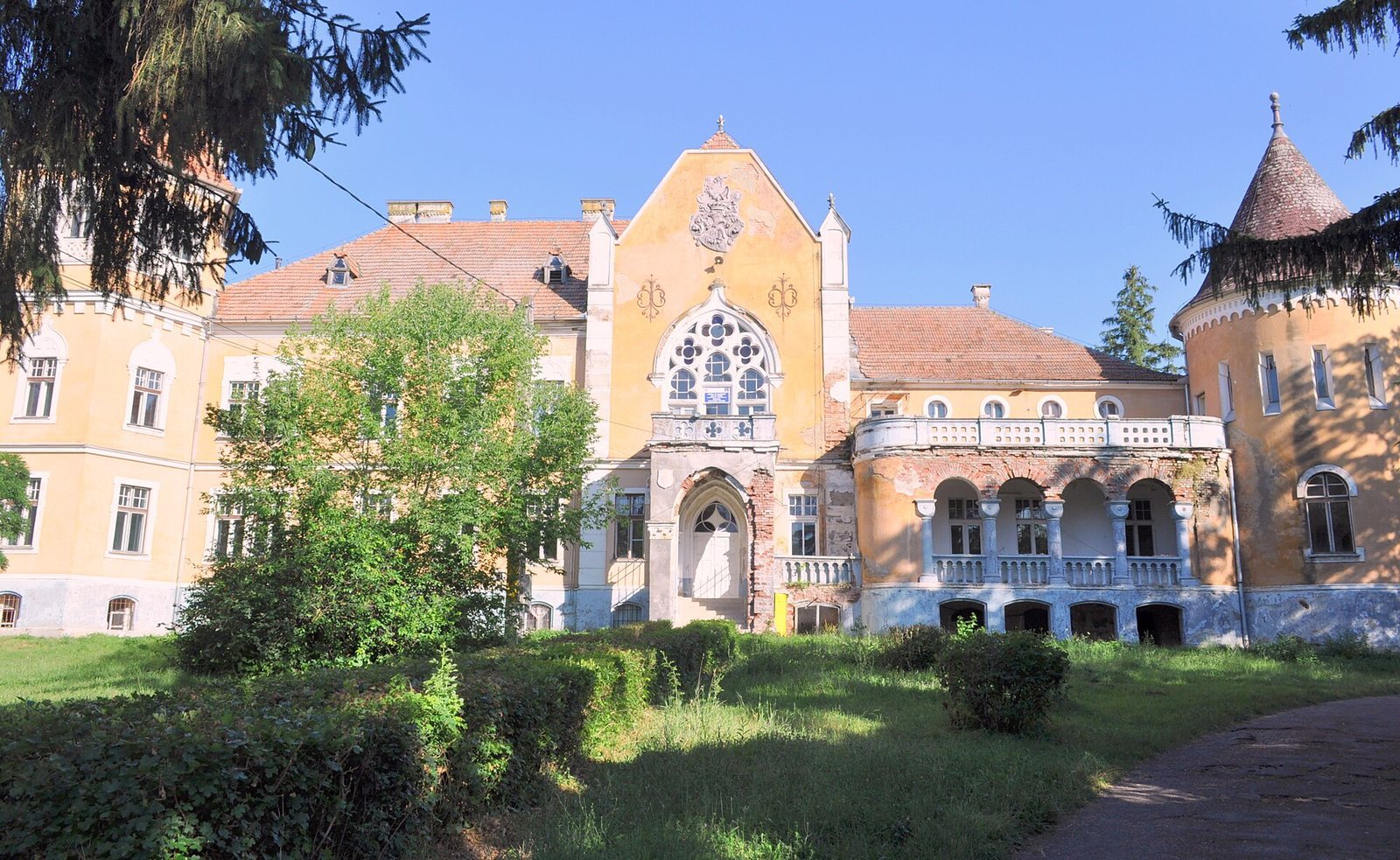
Ugron Castle, also known as the Calendar Castle, stands in Zau de Câmpie, Romania. Construction began in 1911 as Baron István Ugron’s summer residence, modeled on French medieval castles. Ugron wanted an unusually distinctive home. Local inhabitants were made to work without pay for three years, using their own tools and animals.
A local oral tradition links the castle to Ugron’s unfulfilled love for a daughter of Tsar Nicholas II, Russia’s last emperor. In its most widely told version, Ugron was serving as ambassador of the Austro-Hungarian Empire, a Central European dual monarchy, when he fell in love with the princess. She asked him to pave the approach with gold coins, then demanded that they be placed on edge so nobody would tread on the emperor’s crown. Ugron ordered the change but could not afford to complete the route in this way, and for a time stopped courting her. The story goes on to connect the Bolsheviks’ rise to power in 1917 with the killing of the tsar’s family, including the princess, in 1918. It says that Ugron then withdrew from public life in grief. The Bolsheviks were the revolutionary faction that took power in Russia in 1917.
State use and later administration
During the communist period, the state took control of the castle. It was used in turn as a sanatorium for people with tuberculosis, a school, a grain store, and a children’s home. The authorities also confiscated its furniture and moved it to Turda, then the county center.
The children’s home closed in 2012, and the children who remained there moved to family-style homes. Mureș County Council owns the property and won a lawsuit against people claiming to be Ugron’s heirs. In 2017, responsibility for administering the castle passed to Mureș County Museum for museum activities. The castle is listed as a Romanian historic monument.
Remains
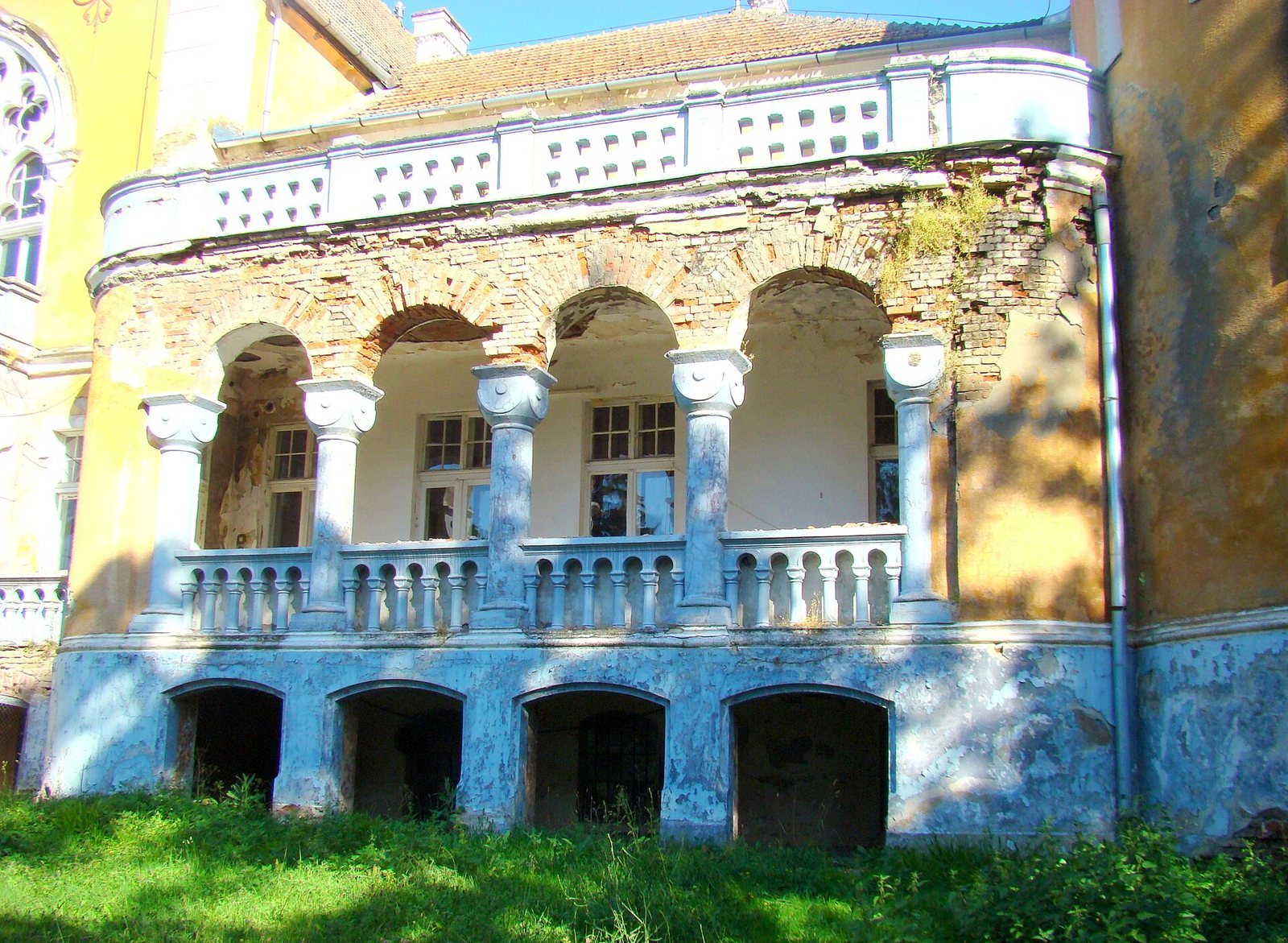
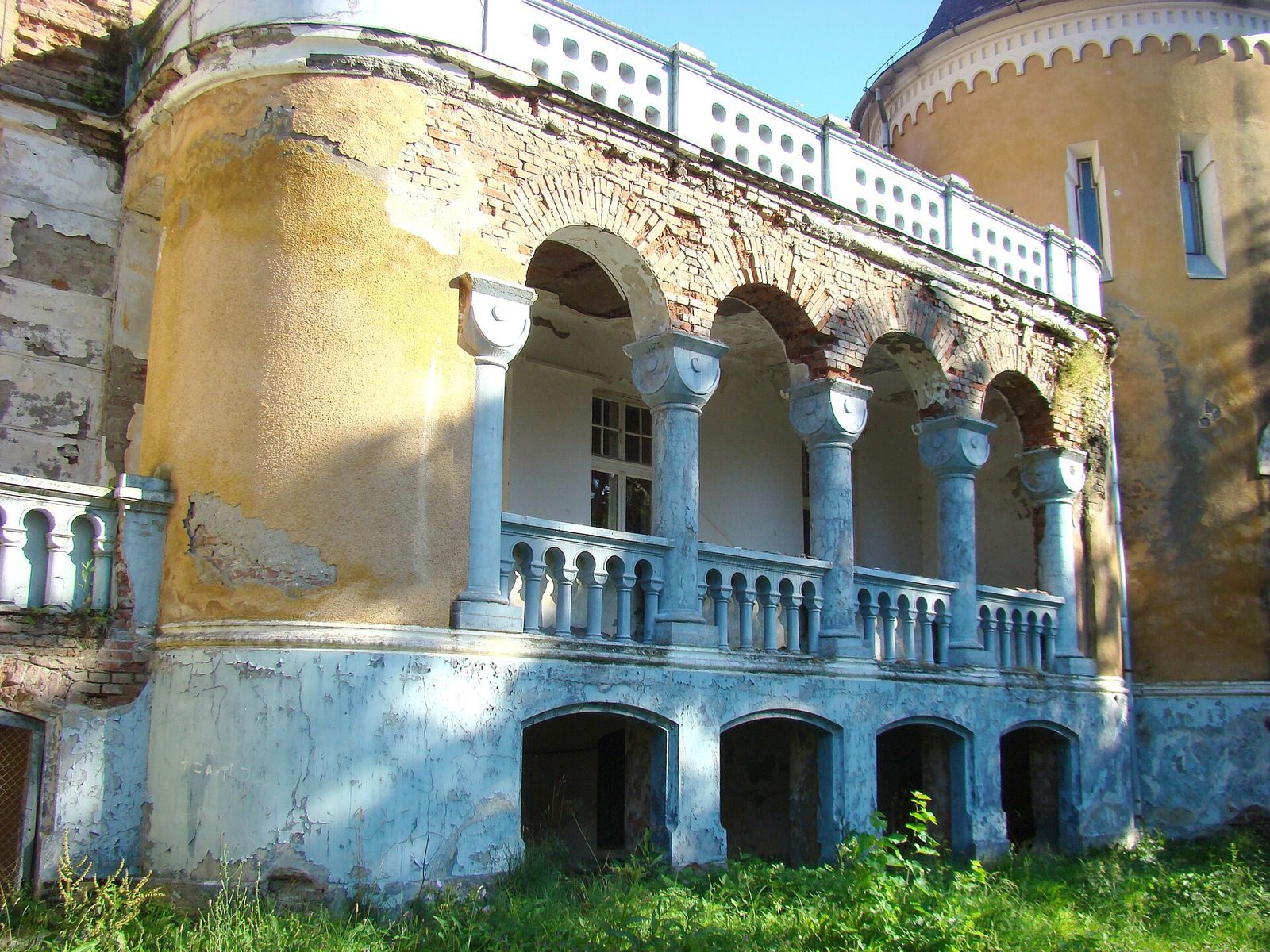
The castle’s architectural scheme is organized around the calendar. It has 365 windows, corresponding to the days of the year; four towers for the seasons; 52 rooms for the weeks; seven terraces for the days of the week; and 12 halls for the months.