Frogmore House: A Royal Country House at Windsor
Site at a Glance
- Popularity
- Very High
- Country
- United Kingdom
- Primary era
- Early Modern
- Eras represented
- Early Modern, Modern
- Civilizations
- British, English
- Site type
- Domestic
- Remains
- Elite Residence
On this page13 sections
History
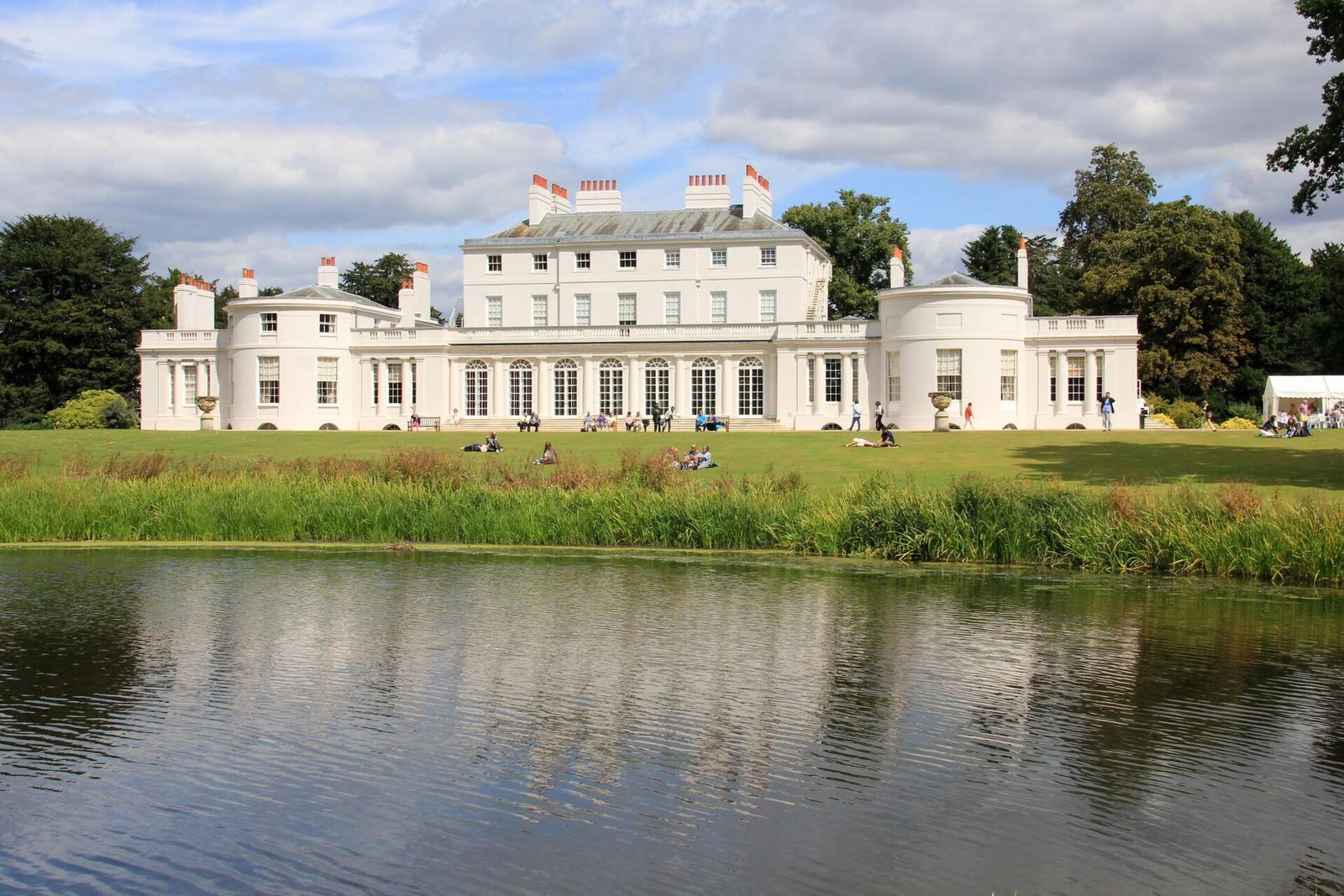
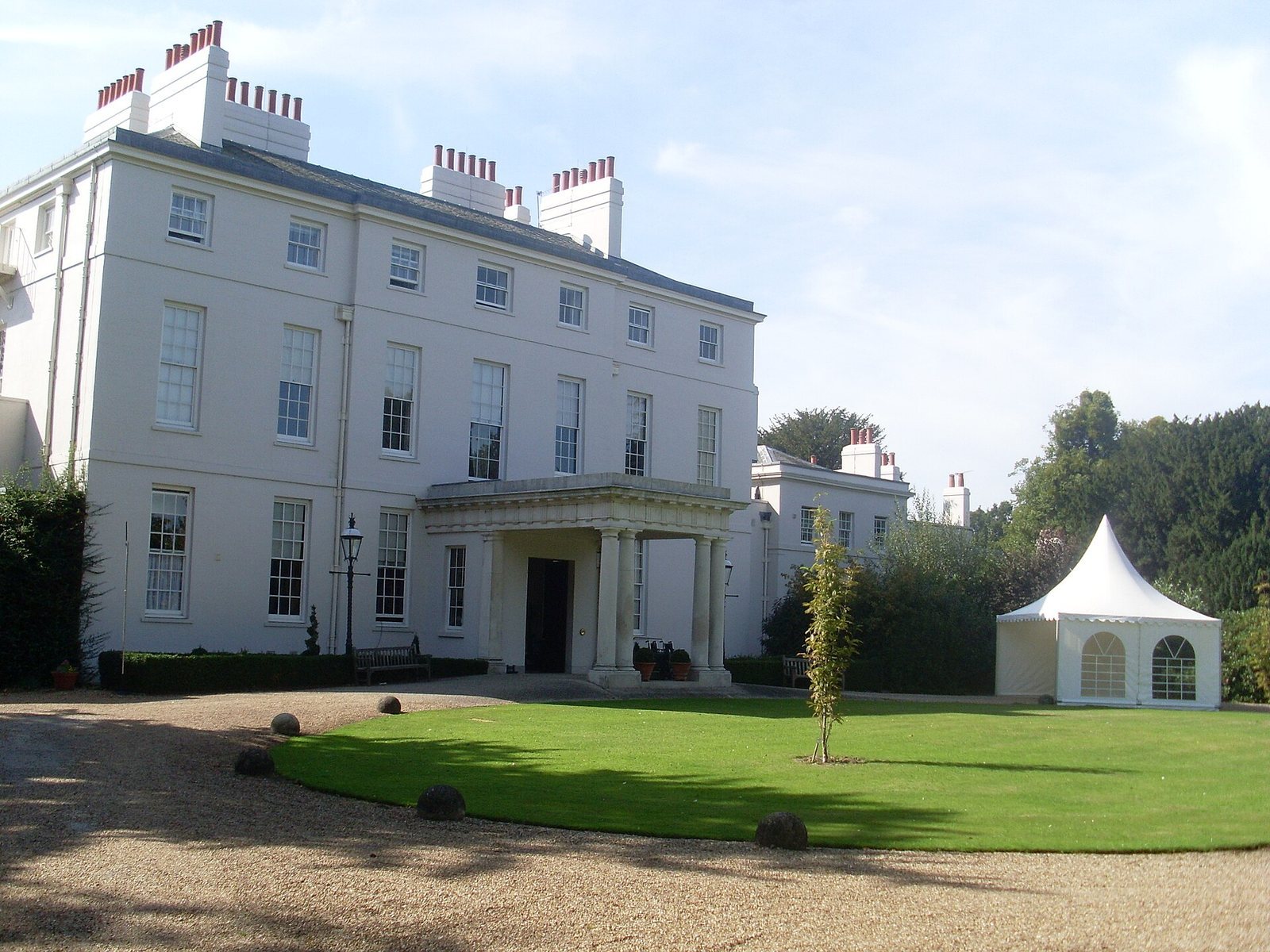
Frogmore House is a 17th-century English country house on the Frogmore estate in Windsor, Berkshire, United Kingdom. Built for Crown tenants between 1680 and 1684, it later became a private retreat for Queen Charlotte and other members of the royal family. The estate had been in royal ownership since the 16th century.
Construction and early residents
Construction began in 1680 for Anne Aldworth and Thomas May, who held the house as tenants. The work, completed in 1684, is attributed to Hugh May, an architect employed by Charles II at Windsor Castle and Thomas May’s uncle. George FitzRoy, 1st Duke of Northumberland, was the house’s first royal resident. He was Charles II’s illegitimate son by Barbara Palmer, 1st Duchess of Cleveland. After his death in 1716, his wife remained at Frogmore until she died in 1738. Edward Walpole and other tenants followed before George III bought the house for Queen Charlotte in 1792.
Queen Charlotte and nineteenth-century royal use
Queen Charlotte made Frogmore a country retreat for herself and her unmarried daughters, away from court. They pursued painting, drawing, needlework, japanning, a European finish imitating Asian lacquer, reading, and the study of plants. Charlotte developed the gardens and had a simpler retreat built there, now known as Frogmore Cottage. She also employed James Wyatt to enlarge and modernise the main house.
When Charlotte died in 1818, she left Frogmore to her daughter Princess Augusta Sophia, who lived there until her death in 1840. Queen Victoria then gave the house to her mother, the Duchess of Kent. The Duchess’s tastes differed from Charlotte’s, and much of the earlier decoration was lost. The house was in regular use from 1841 until the Duchess died in 1861. Victoria often visited, and the family held private gatherings there. She described the surroundings as quiet and peaceful, with bees, birds, and poultry to be heard.
Use of the house became intermittent later in the 19th century. Princess Alexandra, then Princess of Wales, gave birth to her first child, Prince Albert Victor, at Frogmore in 1864. The house later became the home of Princess Helena, Victoria’s third daughter, and her husband, Prince Christian of Schleswig-Holstein. They moved to Cumberland Lodge in 1872, and Frogmore has been largely unoccupied since then, despite occasional use as a retreat into the early 20th century.
Twentieth-century history
Louis Mountbatten, Victoria’s great-grandson, was born on the estate in 1900. From 1902 to 1910, the Prince and Princess of Wales, later King George V and Queen Mary, were frequent residents. Mary collected and arranged royal-family mementos in the house from 1925 until her death in 1953. She described it as both a family-souvenir museum and a collection of bygone objects and curiosities.
By 1925, George V had allowed his cousin Grand Duchess Xenia Alexandrovna of Russia to live at Frogmore Cottage after she escaped the 1917 Russian February Revolution, the uprising that ended the Russian monarchy. She moved to Wilderness House in the grounds of Hampton Court Palace by March 1937. Since 1928, the Royal Burial Ground on the estate has been used for most royal-family burials, excluding those of sovereigns and their consorts.
Extensive restoration during the 1980s uncovered early-18th-century wall paintings by Louis Laguerre, and the work was completed in 1990. The royal family continues to use Frogmore House for private and official events. The Crown Estate, property held by the monarch in right of the Crown rather than as private property, owns the house. It is Grade I listed, a designation for buildings of exceptional architectural or historic interest.
Remains
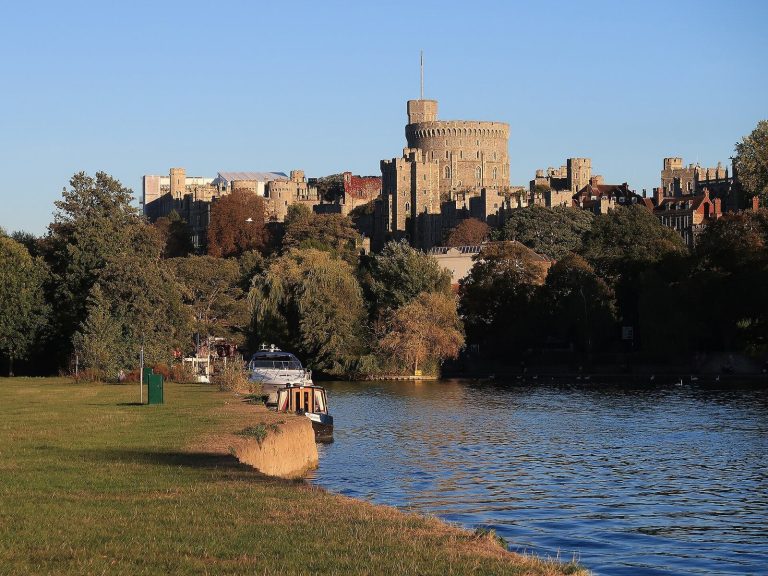
The house stands within Home Park, about half a mile south of Windsor Castle. It is part of the Frogmore estate, whose gardens cover 33 acres. The house and its surrounding grounds include the main country house, a separate retreat building, garden structures, a mausoleum, and the Royal Burial Ground.
House and interiors
Main house
Between 1795 and 1804, Wyatt enlarged the house’s second floor and added pavilions on its north and south sides. He also extended the building to make room for a new dining room and library. These additions altered the original country house while retaining features of Wyatt’s work.
Decorated rooms and Green Pavilion
One room has painted flowers by Mary Moser, and several rooms reflect Queen Charlotte’s interest in plants. Restoration work on the Green Pavilion aimed to recover its appearance during Charlotte’s occupation while preserving Wyatt’s detailing. Work included its cornice, the moulded feature near the top of a wall, its dado, the decorated lower part of a wall, and its chimneypiece, the framing around a fireplace.
Objects from the royal yacht
After the British royal yacht Britannia was decommissioned in 1997, Prince Philip furnished two rooms with selected items from it: Queen Charlotte’s former library and the Duchess of York’s former dining room. The furnishings included a mahogany table made for Britannia around 1950.
Gardens and associated buildings
Gardens and mausoleum
The gardens include Spanish chestnut, laburnum, and birch trees planted by Queen Charlotte, as well as ornamental garden follies. A large mausoleum in the grounds is associated with the Duchess of Kent.
Frogmore Cottage
Frogmore Cottage is a separate building on the estate. Built in 1801 as a simpler retreat, it later provided a home for Grand Duchess Xenia Alexandrovna.
Royal Burial Ground
The Royal Burial Ground is located on the Frogmore estate. Since 1928, it has served as the burial place for most members of the royal family apart from sovereigns and their consorts.