Palace of Earthly Tranquility: An Imperial Residence and Wedding Hall
Site at a Glance
- Popularity
- High
- Country
- China
- Primary era
- Unclassified
- Eras represented
- Unclassified
- Civilizations
- Unclassified
- Site type
- Domestic
- Remains
- Palace
On this page4 sections
History
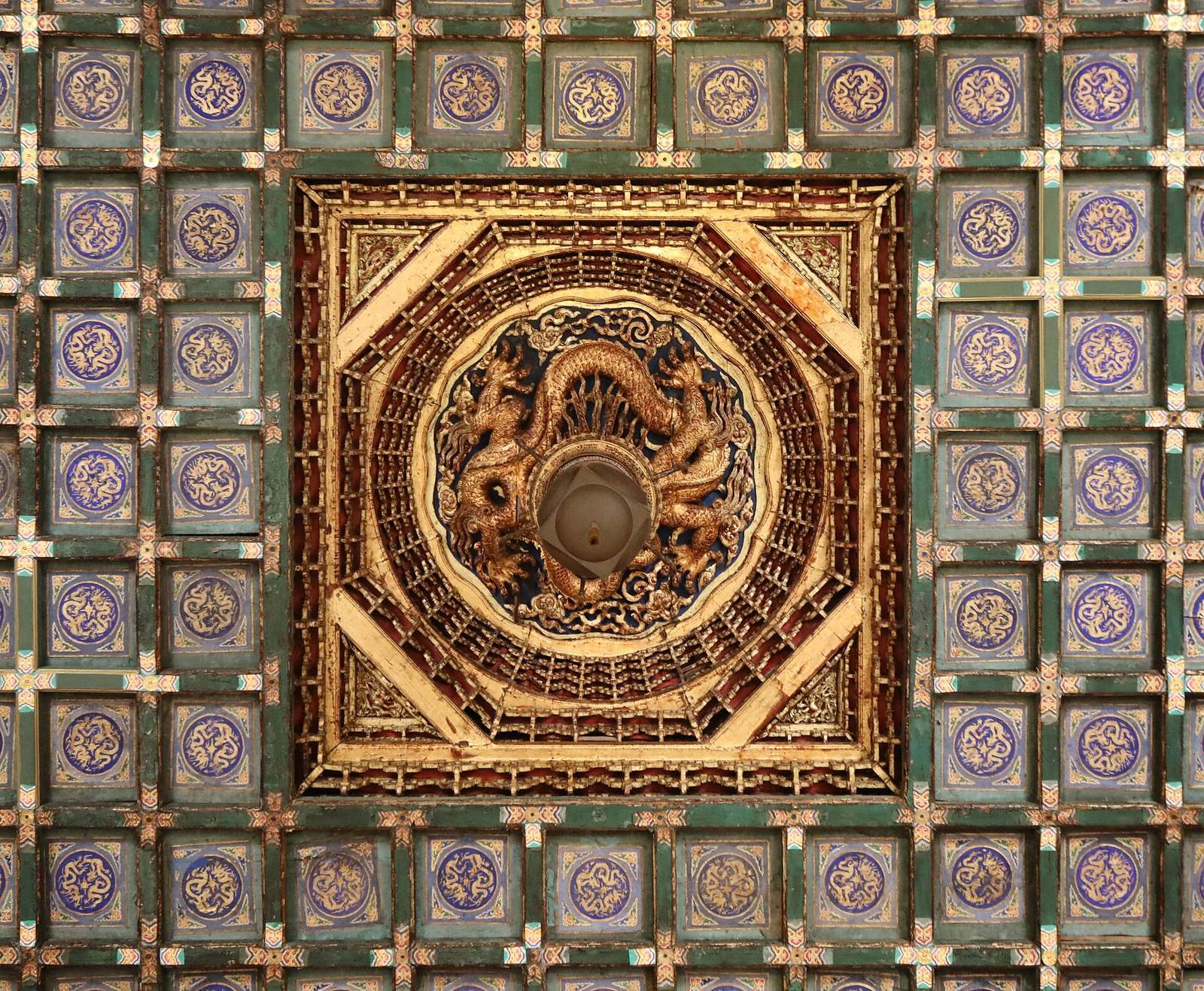
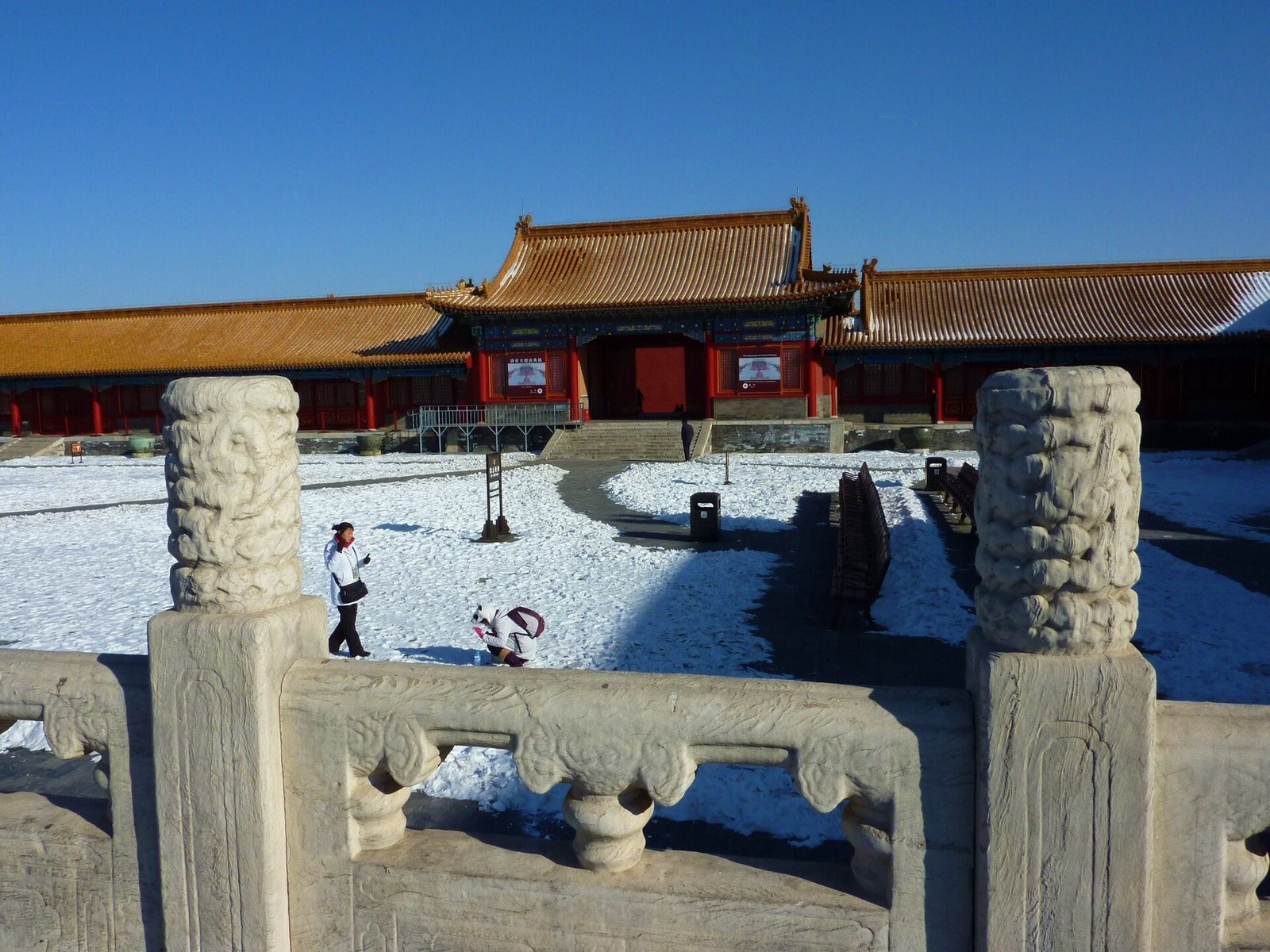
The Palace of Earthly Tranquility is one of the Inner Court’s principal halls in the Forbidden City in Beijing, China. It served as the empress’s residence during the Ming dynasty and later took on religious and ceremonial roles under the Qing.
Ming dynasty
During the Ming dynasty, the palace was the empress’s residence. Emperors also traditionally consummated their marriages with their new wives there soon after their weddings.
Qing dynasty
After Manchu rulers established the Qing dynasty, they adapted large parts of the palace for Shamanist worship, religious practices involving ritual specialists and communication with spiritual beings. From the reign of the Yongzheng Emperor (1722–1735) onward, the empress moved out after the emperor left the Palace of Heavenly Purity. Two rooms remained reserved for the emperor’s wedding night. The wedding ceremony took place in the main room, after which the emperor and empress withdrew to one of those rooms.
Remains
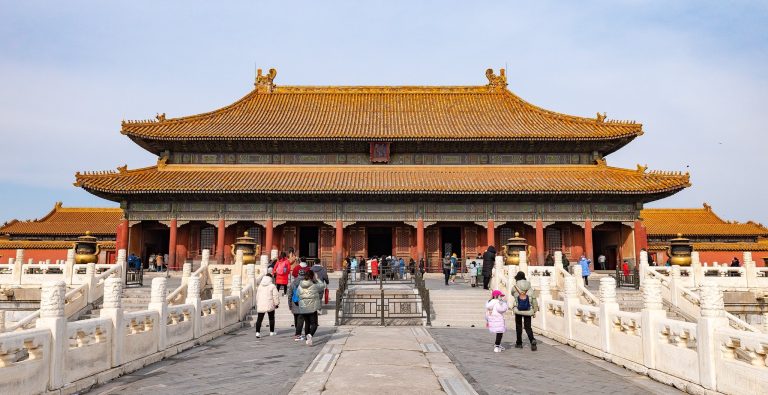
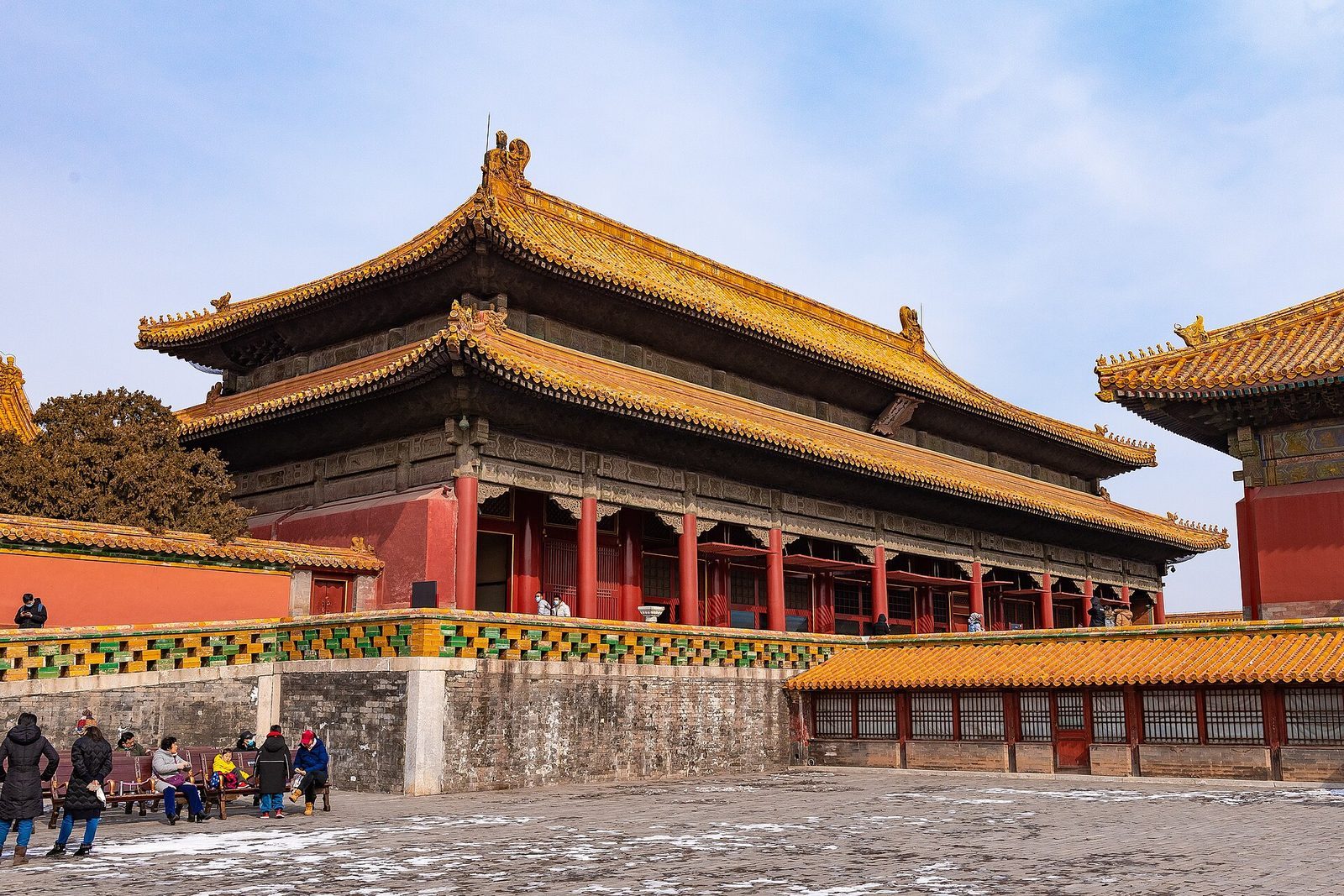
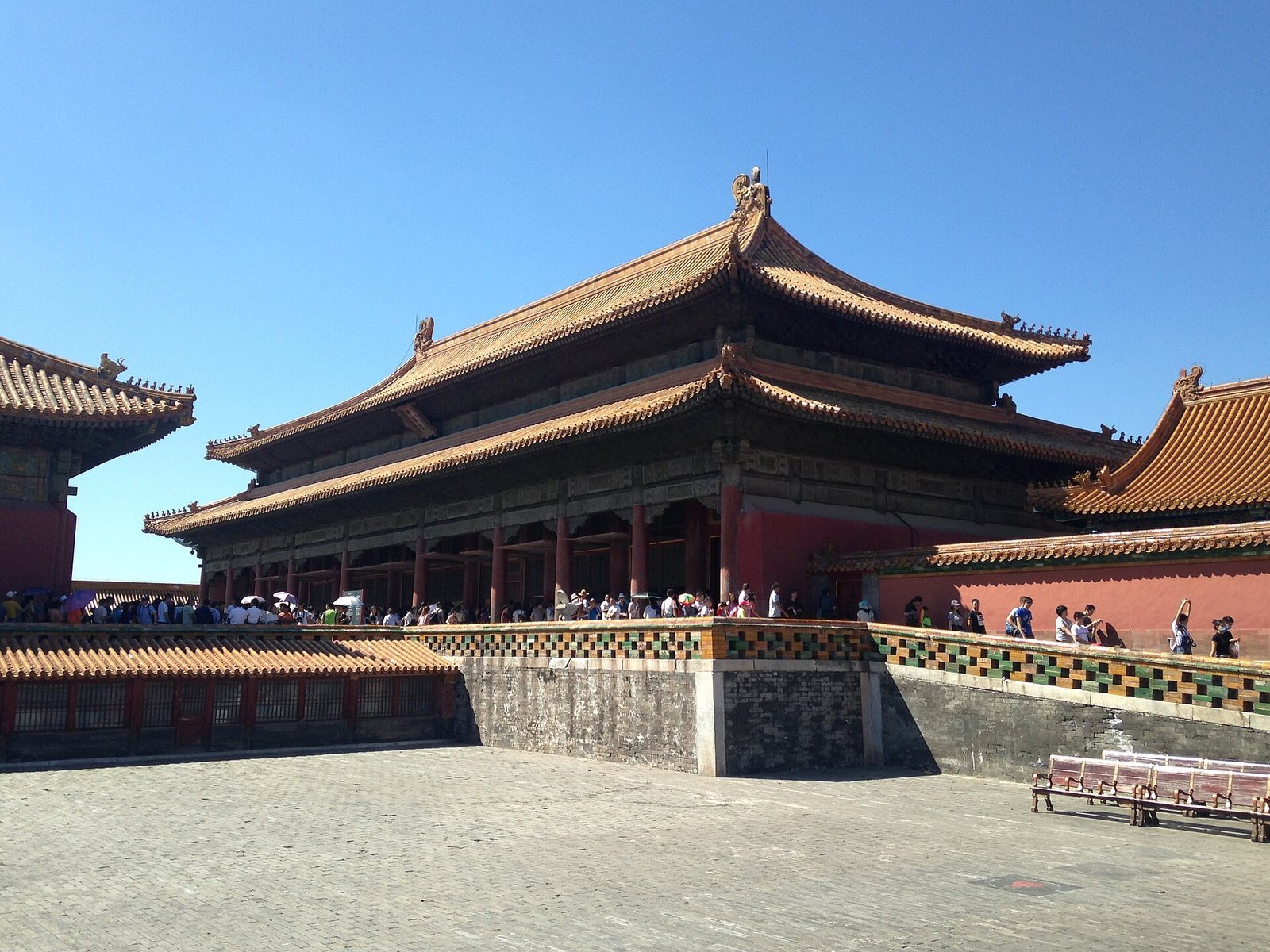
The palace is the northernmost of the Inner Court’s three main halls; the other two are the Palace of Heavenly Purity and the Hall of Union. It has a two-tiered roof and measures nine structural bays, or spaces between columns, across and three deep.
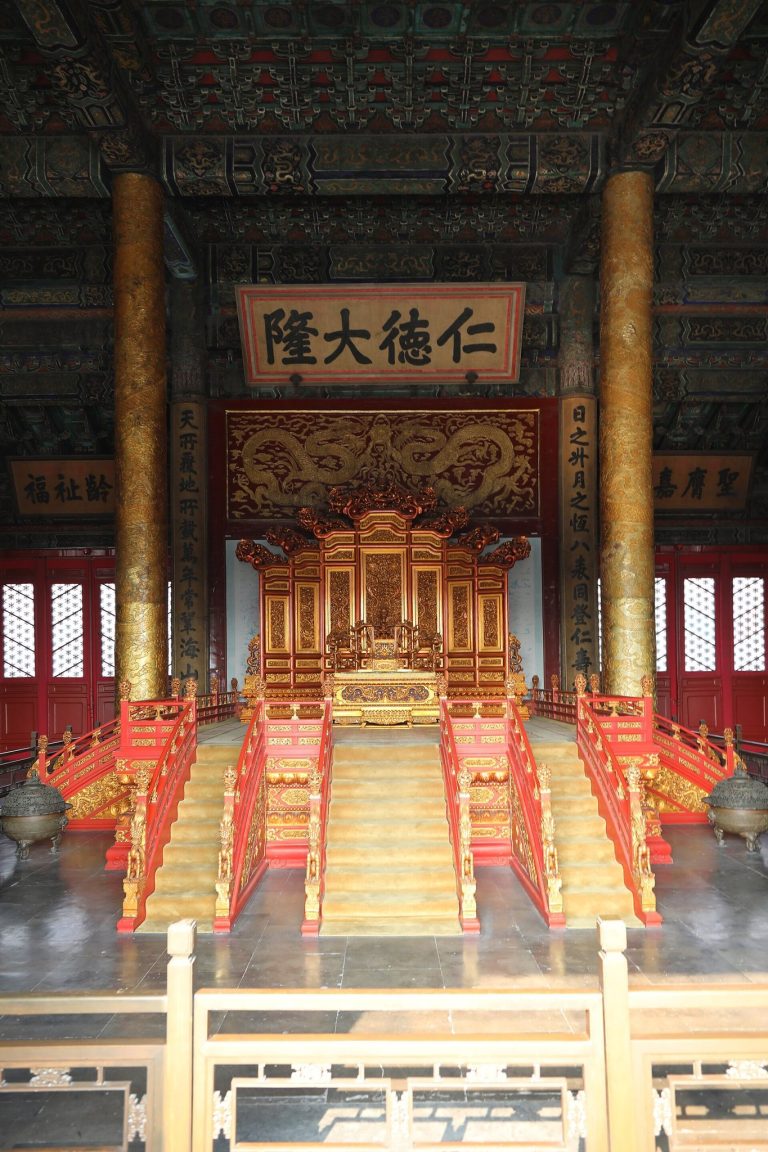
Red is prominent in the palace, a color associated in Chinese culture with love, sex, and reproduction. The front part of the hall contained shrines, icons, prayer mats, and a large kitchen used to prepare meat for sacrifices.