Layer Marney Tower: An Incomplete Tudor Country House in Essex
Site at a Glance
- Popularity
- High
- Country
- United Kingdom
- Primary era
- Early Modern
- Eras represented
- Early Modern, Modern
- Civilizations
- British, English
- Site type
- Domestic
- Remains
- Elite Residence
On this page7 sections
History
Layer Marney Tower is an incomplete early Tudor country house in Layer Marney, Essex, United Kingdom, begun in the early 1520s during the first half of Henry VIII’s reign. The Tudor dynasty ruled England from 1485 to 1603, while Henry VIII reigned from 1509 to 1547.
Construction and interruption
The building campaign was chiefly associated with Henry, 1st Lord Marney, an English nobleman, and his son John. Henry died in 1523, and John died in 1525 without male heirs. The family line ended with him, and the country house remained unfinished.
Repair and later ownership
The Great English earthquake of 1884 badly damaged the buildings. Alfred and Kezia Peache began repairs, and Walter de Zoete, the next owner, continued and enlarged the work. After losing money in the Japanese stock market crash, de Zoete sold the property to Dr and Mrs Campbell.
Gerald and Susan Charrington bought the house in 1959, after Mrs Campbell’s executors placed it on the market. They had married at Layer Marney church in 1957, and the Charrington family has occupied the house since. The house received Grade I listed status in 1952, and its gardens were registered at Grade II in 1987.
Remains
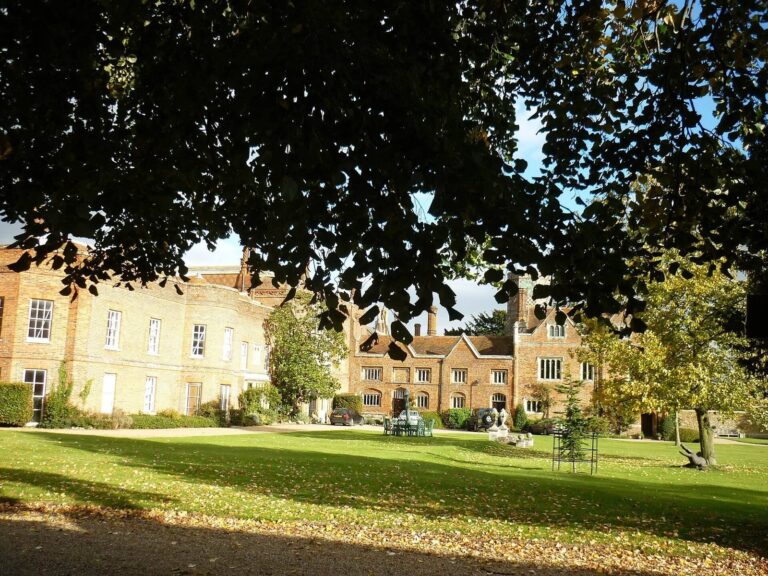
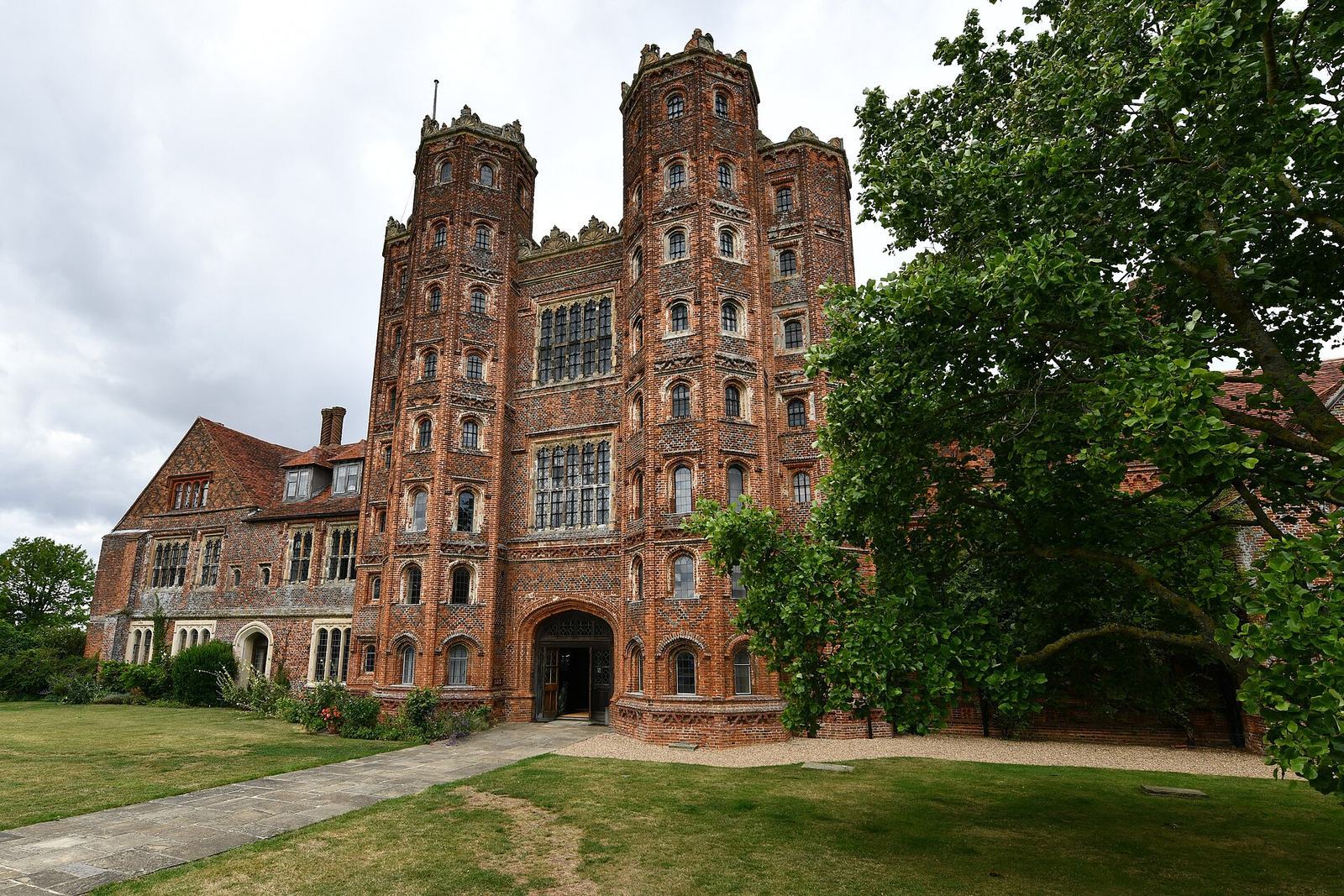
The site lies between Colchester and Maldon and comprises the unfinished house, gardens, and parkland. Its construction combines brick and terracotta, a pairing also used at Sutton Place in Surrey.
House and gatehouse
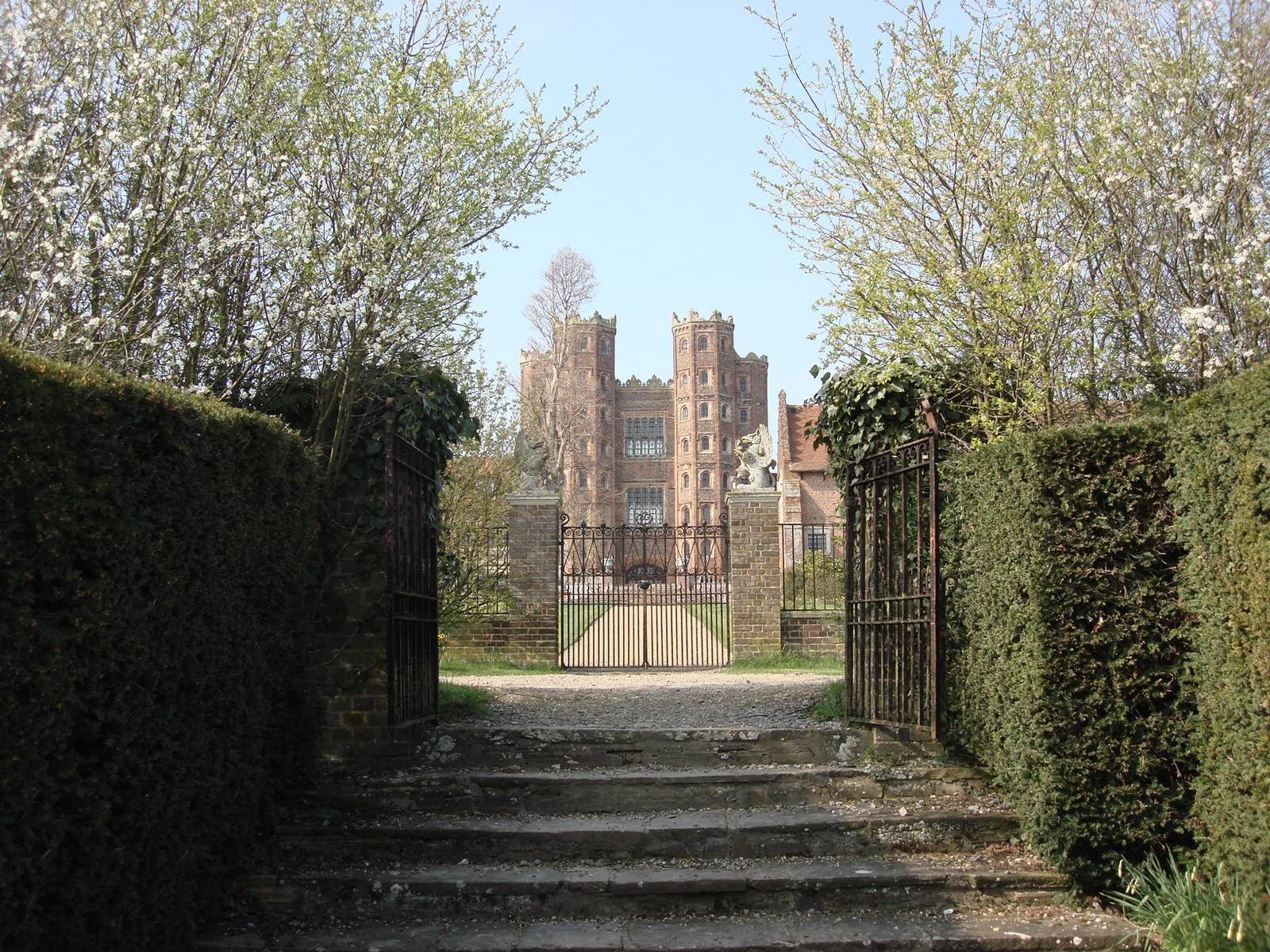
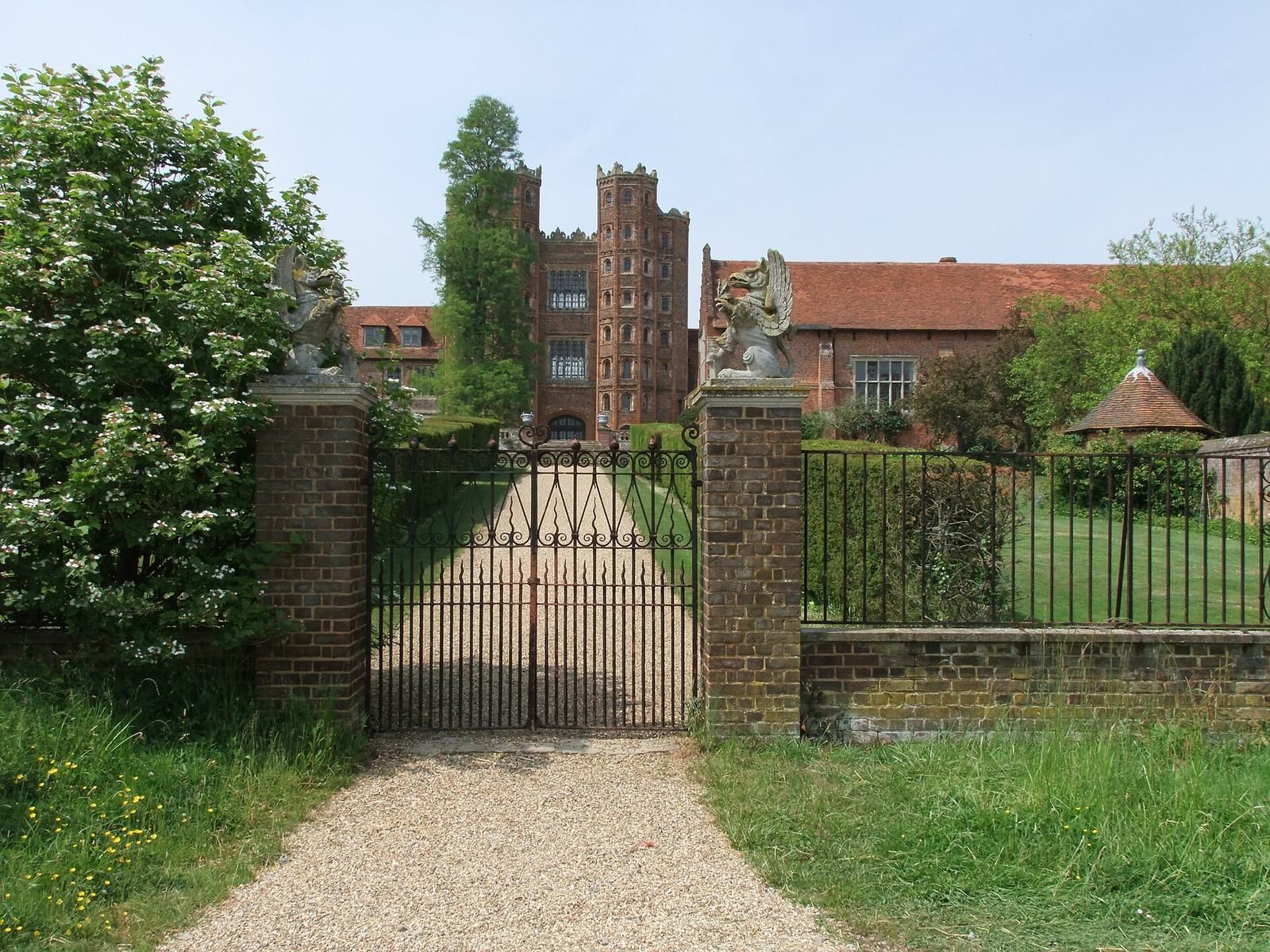
The completed elements included a main range about 300 feet (91 m) long, outbuildings, a new church, and a principal gatehouse about 80 feet (24 m) high. The gatehouse is the principal surviving part and Britain’s tallest Tudor gatehouse. The house is contemporary with Sutton Place and East Barsham Manor in Norfolk. Following the 1884 earthquake damage, the Peaches repaired the gatehouse, including its floors and roof.
Gardens
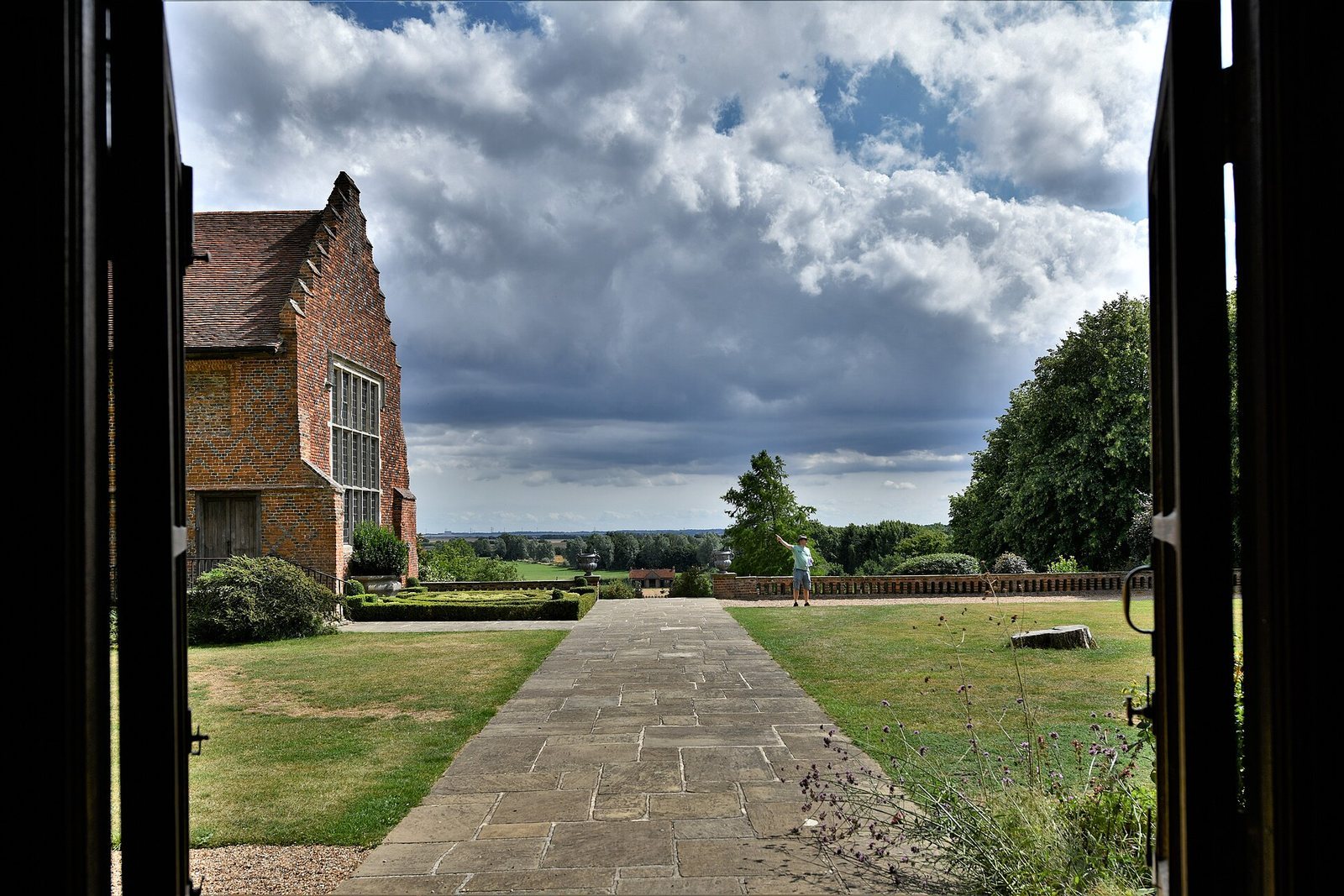
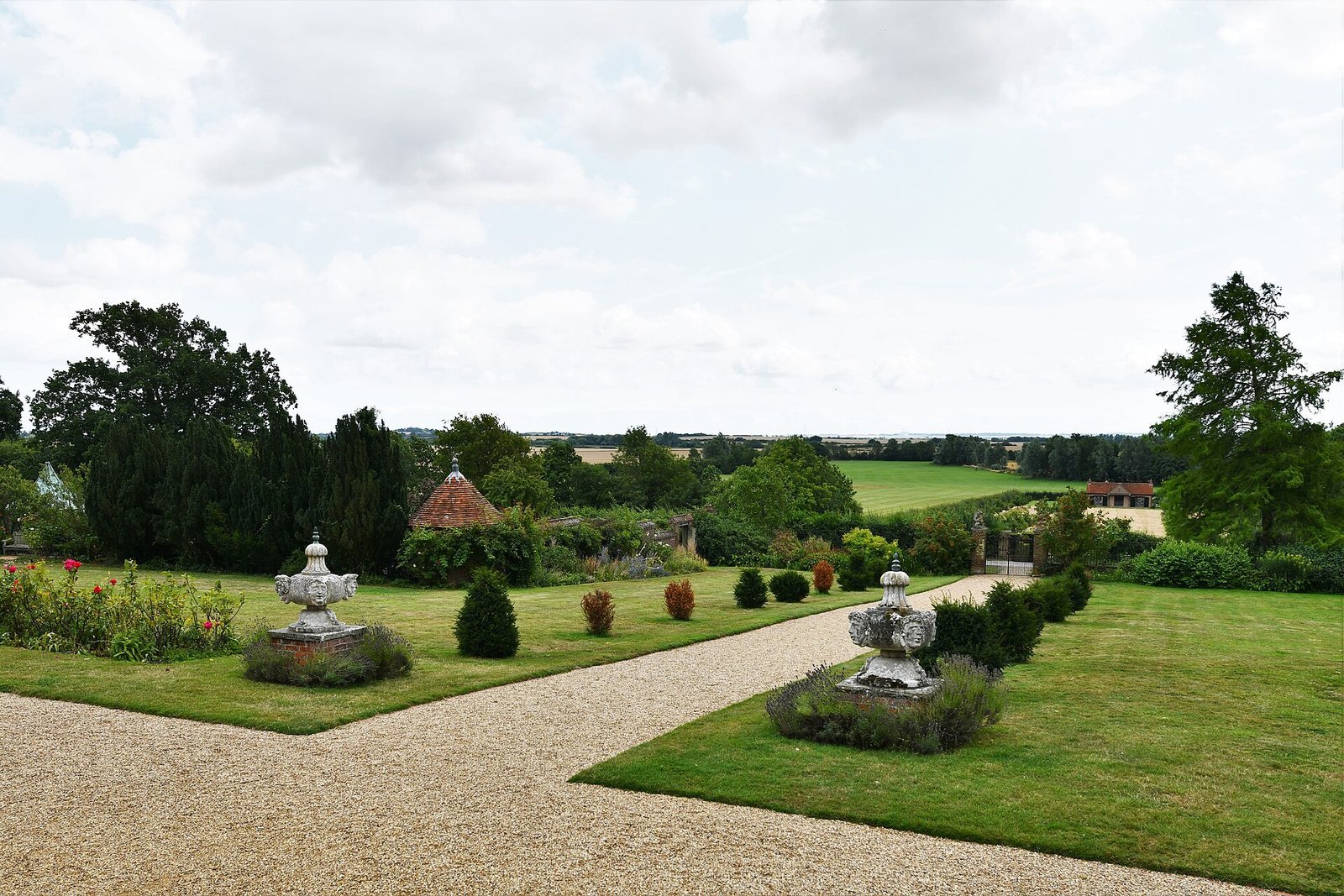
Alfred and Kezia Peache created a garden south of the tower, which de Zoete later enlarged. The grounds include gardens and parkland.
Adapted buildings
De Zoete converted the stables into the Long Gallery, where he kept furniture, paintings, and decorative art. He also built the Tea House, a folly, or decorative building intended chiefly for effect rather than practical use. In 1999, the Tea House became a self-catering holiday cottage.