Ripon Obelisk: A Civic Market Cross in North Yorkshire
Site at a Glance
- Popularity
- Medium
- Country
- United Kingdom
- Primary era
- Early Modern
- Eras represented
- Early Modern
- Civilizations
- English
- Site type
- Civic
- Remains
- Obelisk
On this page5 sections
History
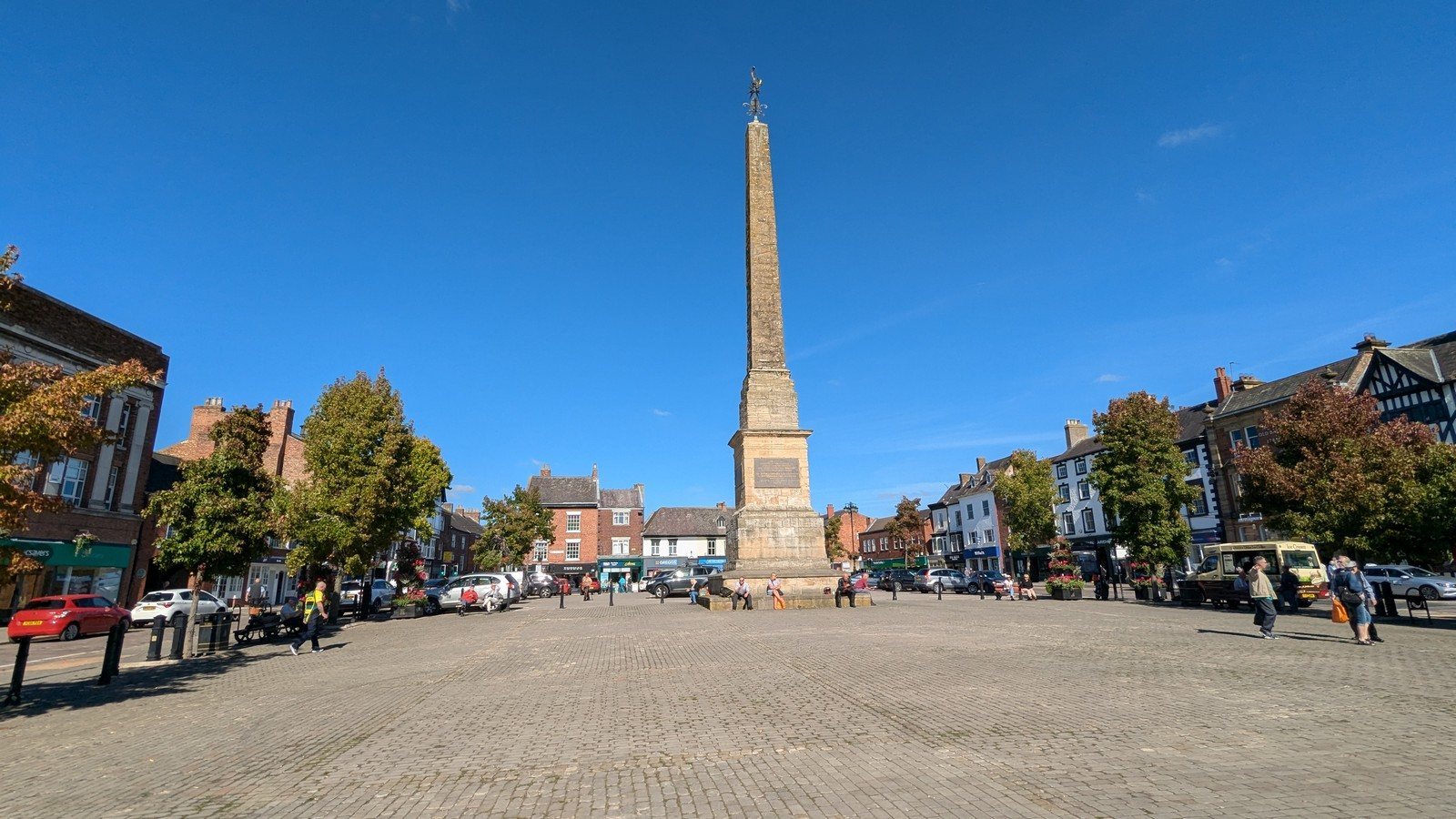
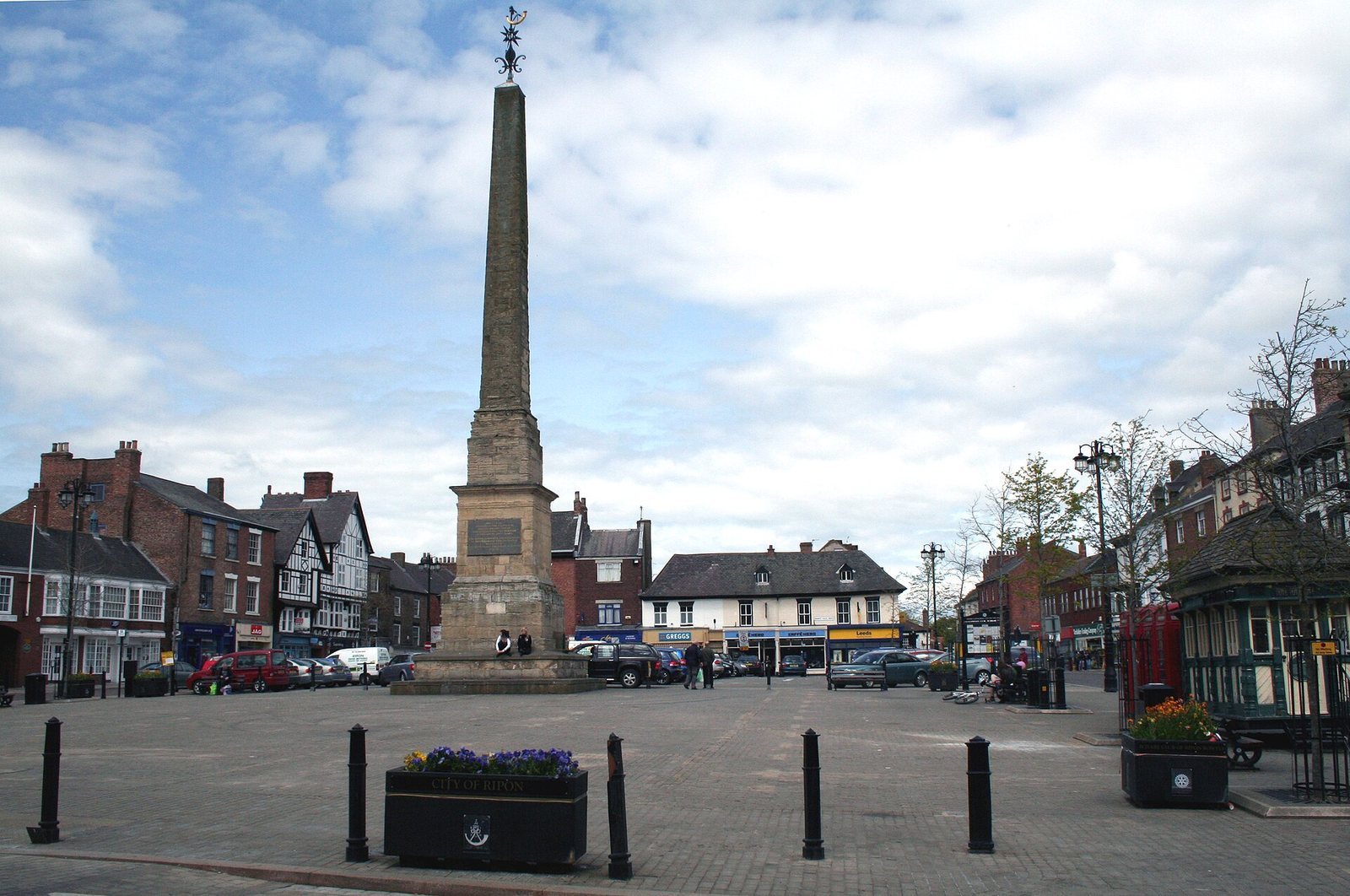
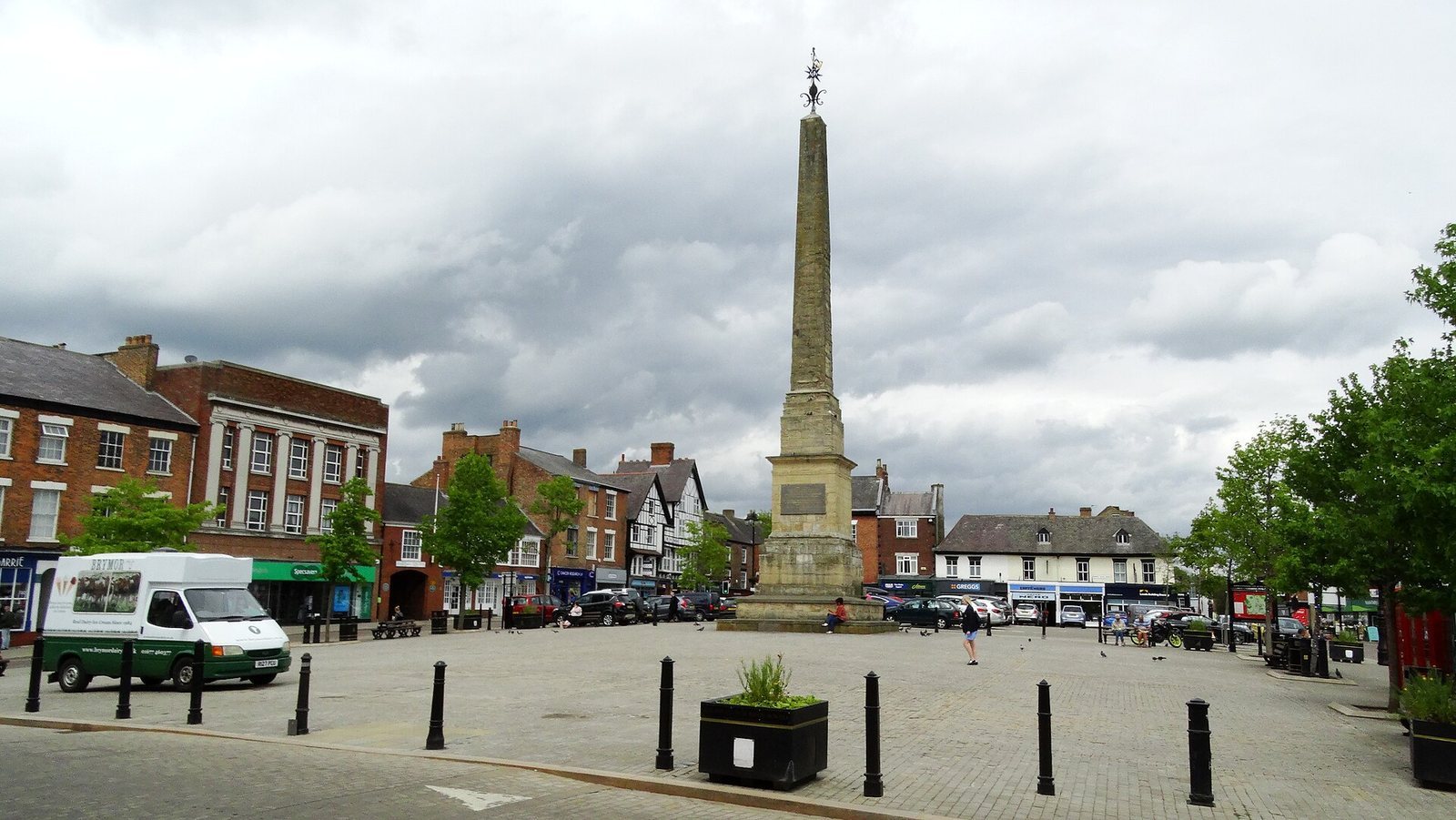
The Ripon Obelisk, a tall, tapering civic monument, stands at the centre of Ripon Market Place in North Yorkshire, United Kingdom. John Aislabie, Ripon’s Member of Parliament and owner of nearby Studley Royal estate, commissioned it in 1702. Designed by Nicholas Hawksmoor, it replaced an aging timber market cross, a public monument associated with marketplace life. The project formed part of a major repaving scheme and aimed to enhance the town’s civic standing while recalling ancient Greek and Roman monuments. Completed that year for £564 11s 9d, it served as Ripon’s market cross and is recognized as the United Kingdom’s earliest surviving freestanding civic obelisk.
The Market Place in the early eighteenth century
In 1724, the writer Daniel Defoe praised the newly completed Market Place as England’s most beautiful square of its type.
Restoration and commemoration
By the late eighteenth century, the monument’s soft limestone needed repair. In 1781, John’s son William Aislabie financed a comprehensive restoration, and the column was topped with a gilded weather vane.
In 1785, Ripon Corporation, the town’s municipal governing body, installed a commemorative plaque during the mayoralty of Frederick Robinson. The inscription credits William with paying for the obelisk’s erection in 1781 and notes his sixty years representing the borough in Parliament. This account confuses the restoration with the original commission: John Aislabie had commissioned the monument in 1702, while William funded its repair.
Civic ritual and protection
Each evening, the Ripon Hornblower sounds a charter horn at the pedestal’s four corners as part of the town’s setting-of-the-watch ceremony. The ritual is said to date from the ninth century and to have continued without interruption.
The obelisk became a Grade I listed building on 27 May 1949. Grade I is England’s highest listing category for buildings of special architectural or historic interest.
Remains
The obelisk rises 82 feet (25 metres) from a broad, square base formed by steps. Its limestone blocks came from the Studley estate. The lower portion is a rough-faced pedestal with projecting base ledges and moulded horizontal bands. Above it, the shaft narrows toward a pyramidal capstone.
A gilded bronze ornament crowns the monument. It combines a stylized lily emblem, a model of the ceremonial Ripon Horn, and a toothed spur wheel. The horn represents the Wakeman, Ripon’s traditional civic officer associated with keeping the town watch, while the spur recalls the town’s historic steel spur-making industry. A commemorative stone plaque is fixed to the base of the pedestal.