Castle of Fillerval: An Eighteenth-Century Château and Estate
Site at a Glance
- Popularity
- Medium
- Country
- France
- Primary era
- Early Modern
- Eras represented
- Early Modern, Modern
- Civilizations
- Unclassified
- Site type
- Domestic
- Remains
- Castle
On this page7 sections
History
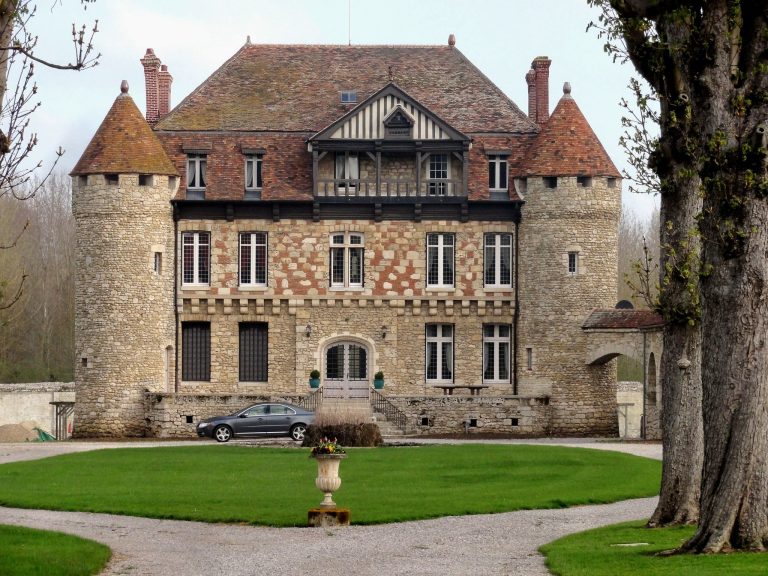
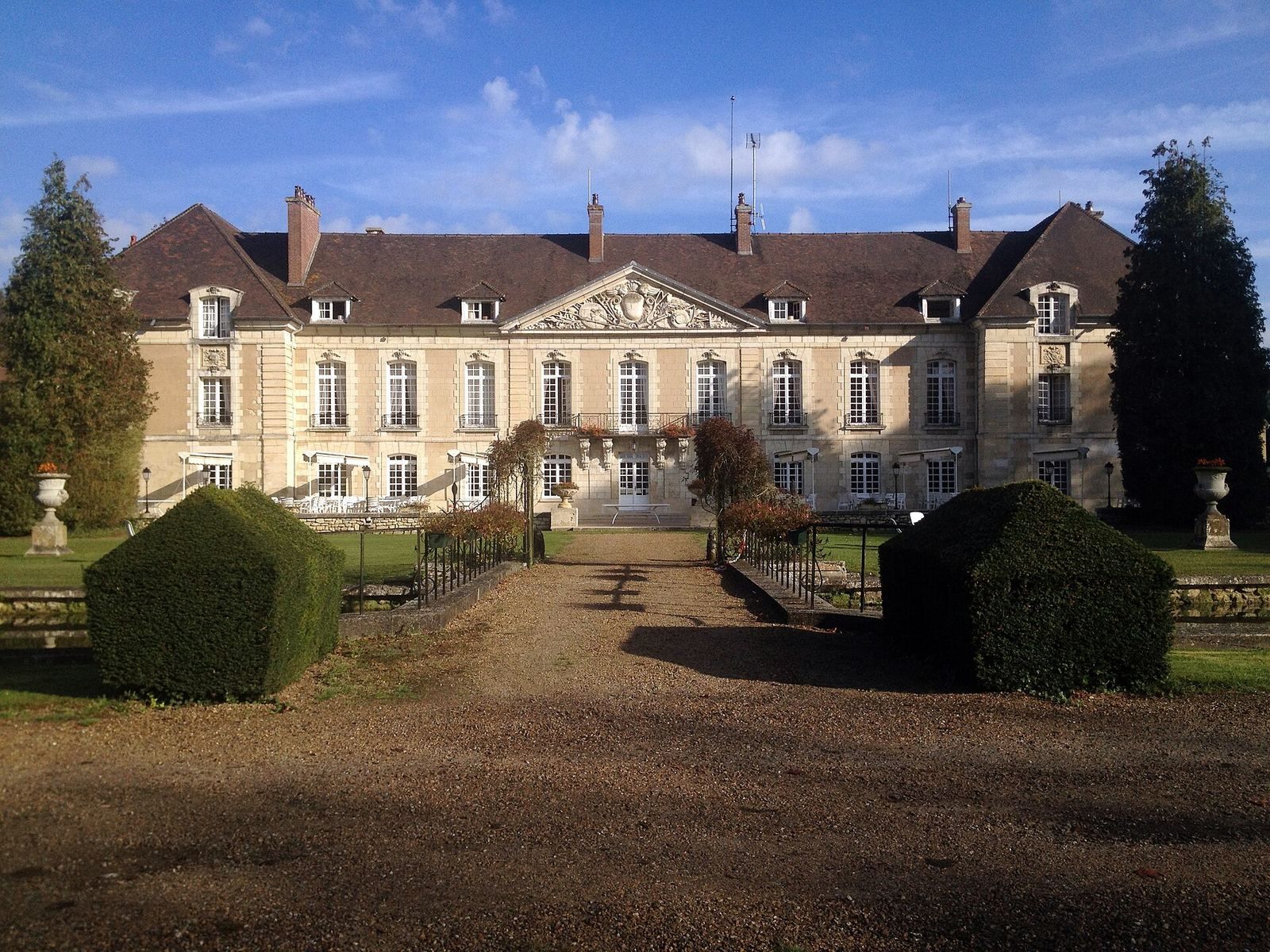
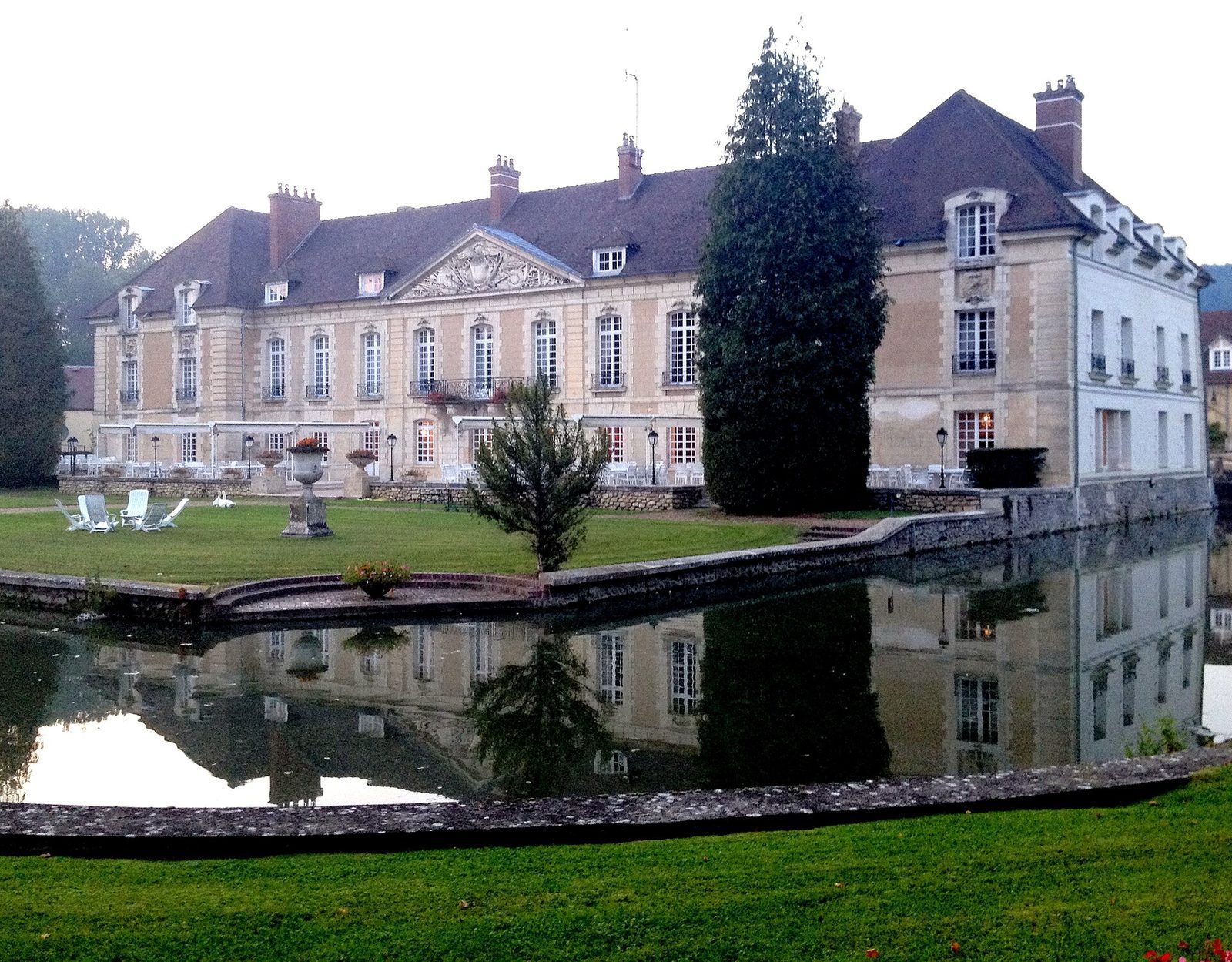
The Castle of Fillerval is an eighteenth-century château in France, built on the site of the former fortified Castle of Thury. Its history is linked to the Cassini family of astronomers, the Vuillefroy de Silly family, and artist Niki de Saint Phalle.
Cassini and Vuillefroy de Silly ownership
Astronomer Jacques Cassini bought the earlier Castle of Thury in 1719. The Cassinis were a family whose members helped shape French astronomy. The old fortress was demolished in 1784 to make way for a new building, and construction of the château began during the eighteenth century.
Dominique-Joseph de Cassini (1715–1790), a French general, died at the château. Astronomer Jean-Dominique de Cassini (1748–1845) and his grandson Amédée de Vuillefroy de Silly (1810–1878), a senator and politician, also died there. In 1845, the property passed by inheritance to the Vuillefroy de Silly family, which sold it around 1910.
The Harpers and the Second World War
Before the Second World War, Niki de Saint Phalle, a French-American artist, lived at Fillerval. She recalled spending summers there as a child with her grandparents while her parents traveled. Her maternal grandfather Harper, a prominent lawyer who served Americans in Paris, entertained clients and friends at the château. The Harper family left France for Princeton shortly before the war.
During the war, a Nazi general and his troops occupied Fillerval. Toward the end of the conflict, they burned period furniture in the fireplaces for fuel and destroyed 800 first editions from the château library, using the books as toilet paper.
Fire and restoration
A fire badly damaged the château in the 1950s, after which it was restored. The property is now used as a training center for the French Institute of Management.
Remains
The estate combined the château with moats and a pond, extensive landholdings, formal gardens, and recreational grounds.
Gardens and grounds
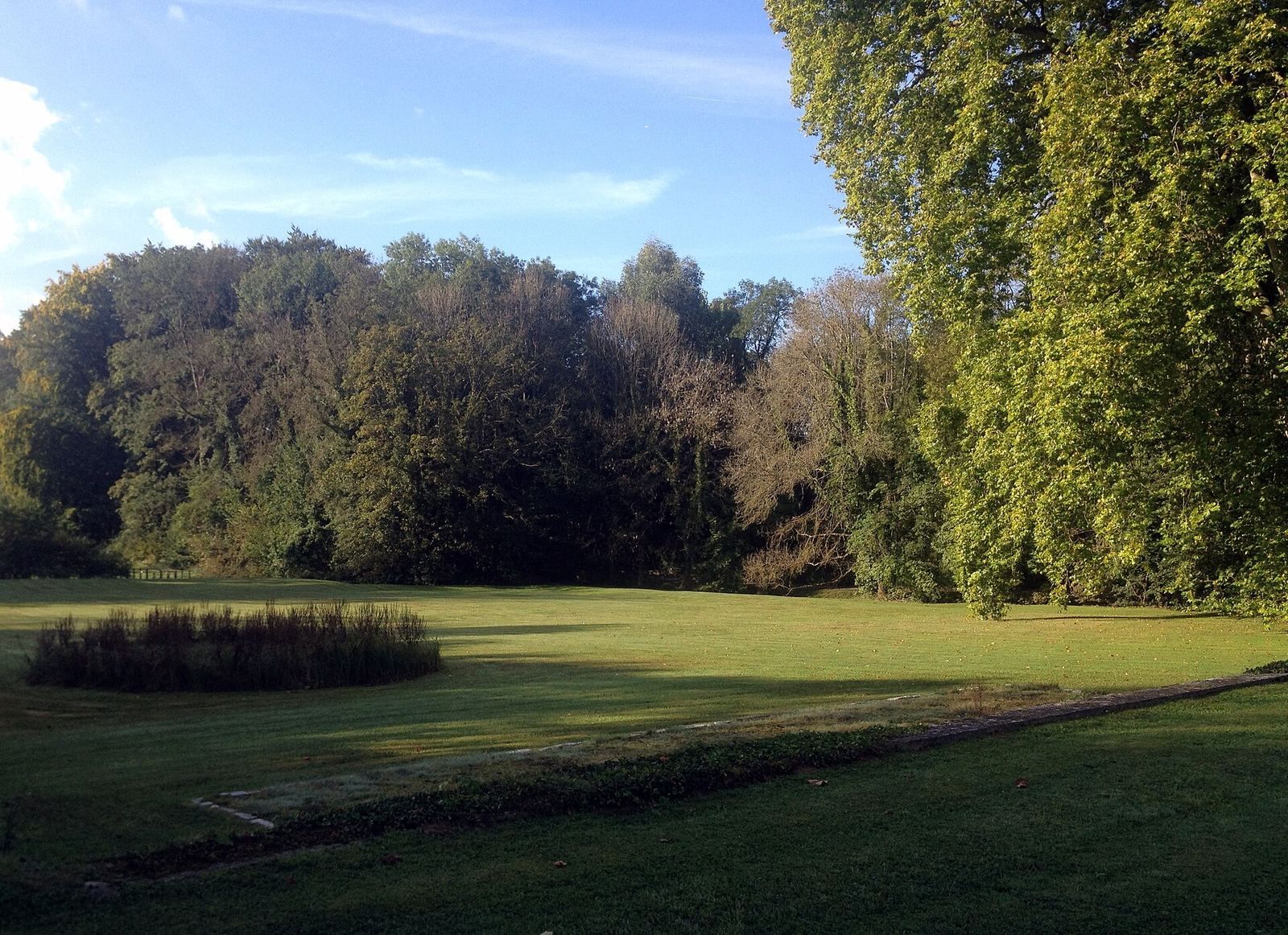
The grounds included a formal garden in the style associated with Louis XIV, king of France from 1643 to 1715. André Le Nôtre, a French landscape architect known for designing formal royal gardens, designed it. The estate also contained numerous farms, tennis courts, and a golf course running alongside a river.
Château interiors
During the Harper family’s residence, the château was fitted with American-style amenities, including refrigerators, bathrooms, showers, and a very large kitchen. Eighteen servants lived on the property, eight of them gardeners. The château also had a library.