Dotternhausen Castle: A Medieval Castle and Later Palace in Germany
Site at a Glance
- Rating
- 4
- Popularity
- Very Low
- Country
- Germany
- Primary era
- Early Modern
- Eras represented
- Medieval, Early Modern, Modern
- Civilizations
- Habsburg, Holy Roman Empire, Kingdom of Württemberg
- Site type
- Domestic
- Remains
- Castle
On this page5 sections
History
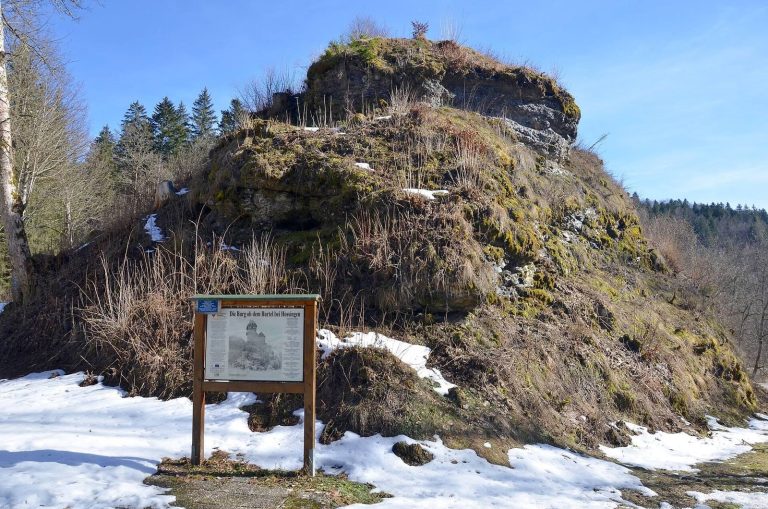
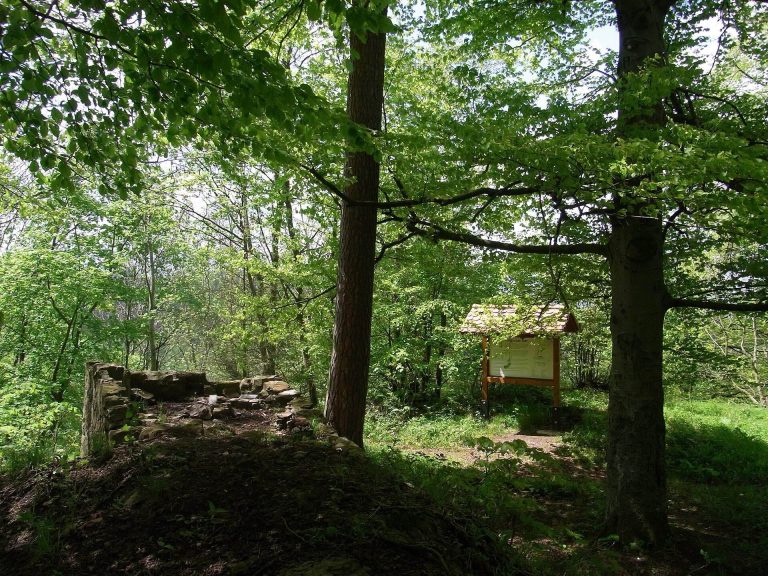
Dotternhausen Castle is a medieval castle later converted into a palace in Dotternhausen, Germany, with origins placed in the early 12th century. The Lords of Dotternhausen, members of the lower nobility, appear between 1228 and 1314 in the retinues of various counts. Their presence points to an earlier castle. The Maier family of Dotternhausen is also known from the 13th century. The estate was associated with the lower nobility and baronial status.
Castle and palace
Hans von Stotzingen erected the palace in 1527. This marked a later phase in the history of a site that had begun as a castle.
Changing ownership
The property later belonged to Austria and, from 1666, to the Jesuit College of Rottenburg. The Jesuits were members of the Society of Jesus, a Catholic religious order. In 1789, the imperial counts Ernst and Ferdinand von Bissingen-Nippenburg became owners. An imperial count held recognized rank within the Holy Roman Empire’s aristocratic order.
The Cotta family and later changes
Publisher and publicist Friedrich von Cotta purchased the palace in 1814. His son Georg, whose life centered on the Dotternhausen estates, put King Wilhelm I of Württemberg’s plans for the lordship of Plettenberg at Dotternhausen into effect. Wilhelm had planned to abolish serfdom in 1818; serfdom restricted the freedom of people bound to an estate. Georg took over his father’s publishing house in 1821. The palace was renovated in 1860 in the Historicist style, a 19th-century approach that drew on earlier architectural styles. It remains a local landmark of Dotternhausen.
Remains
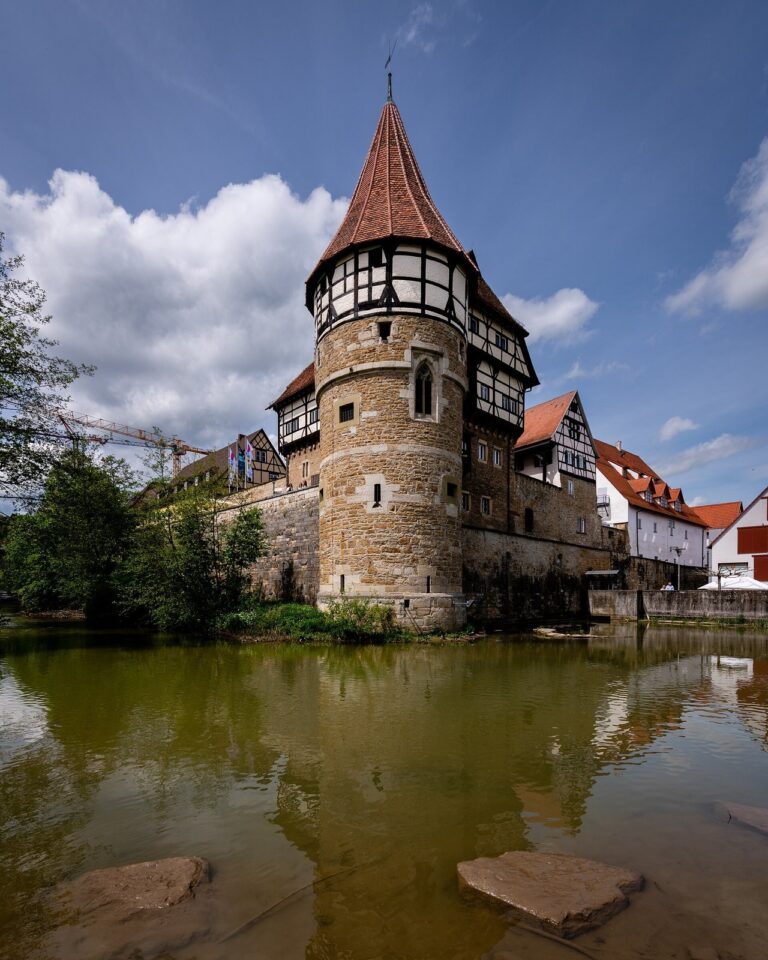
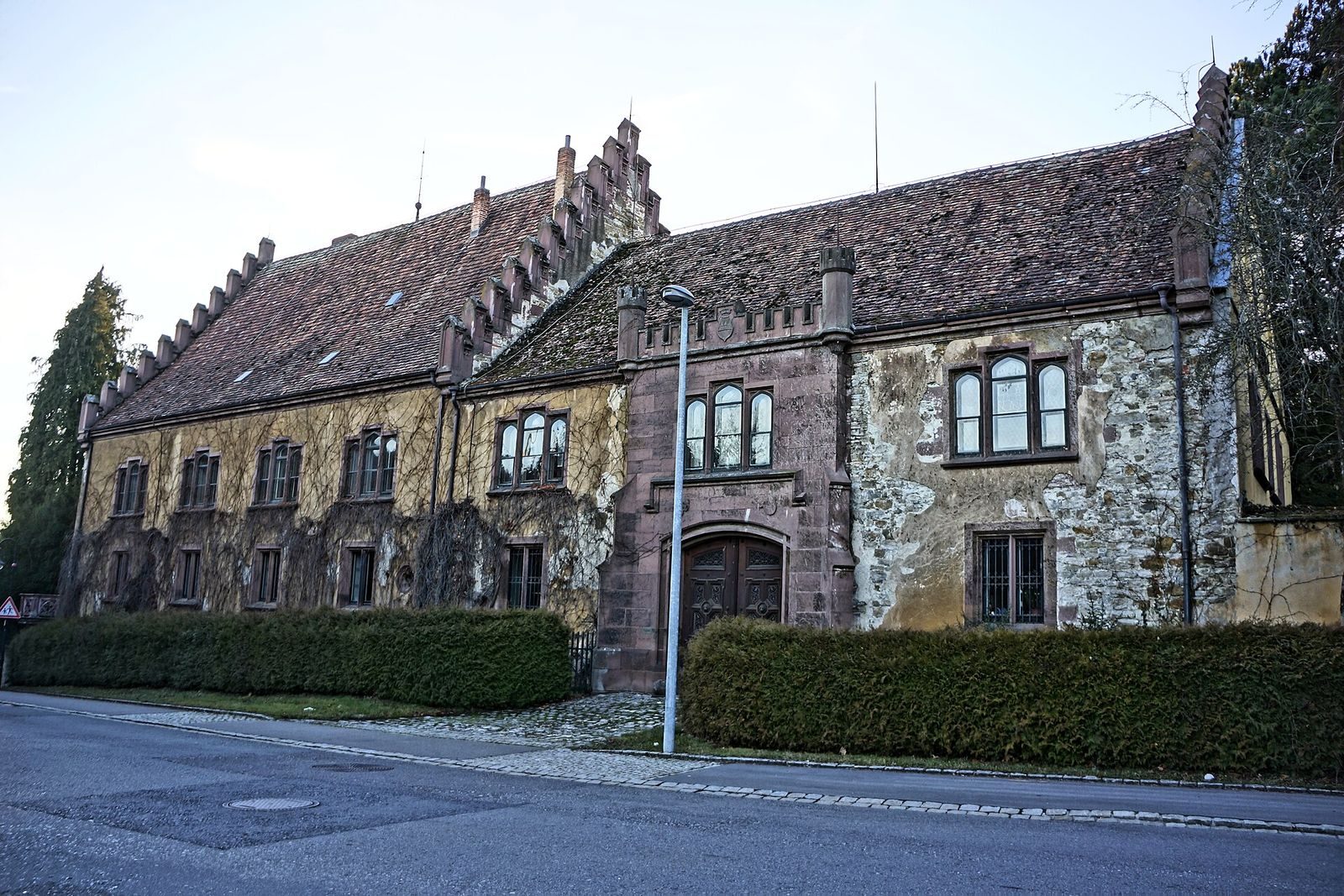
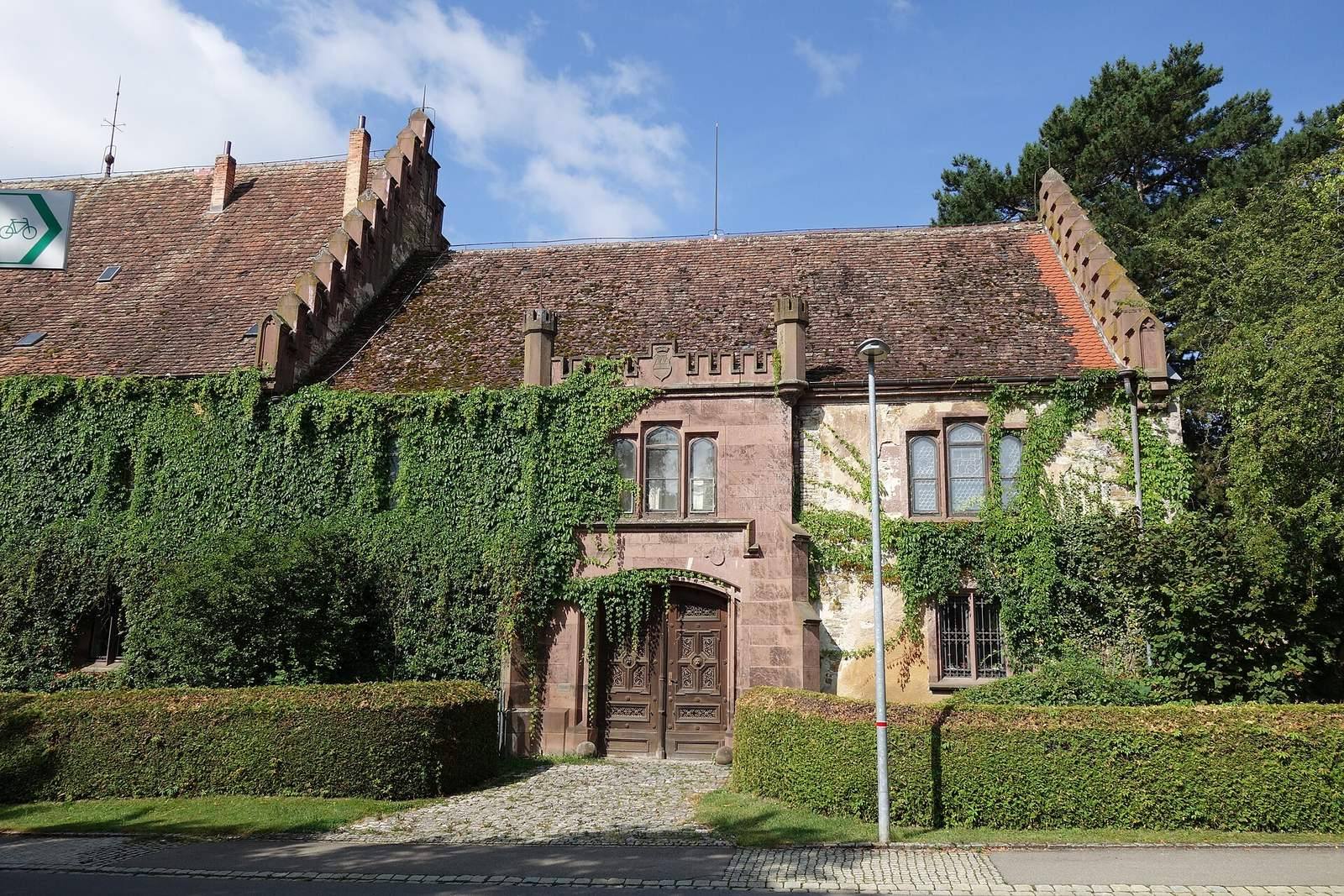
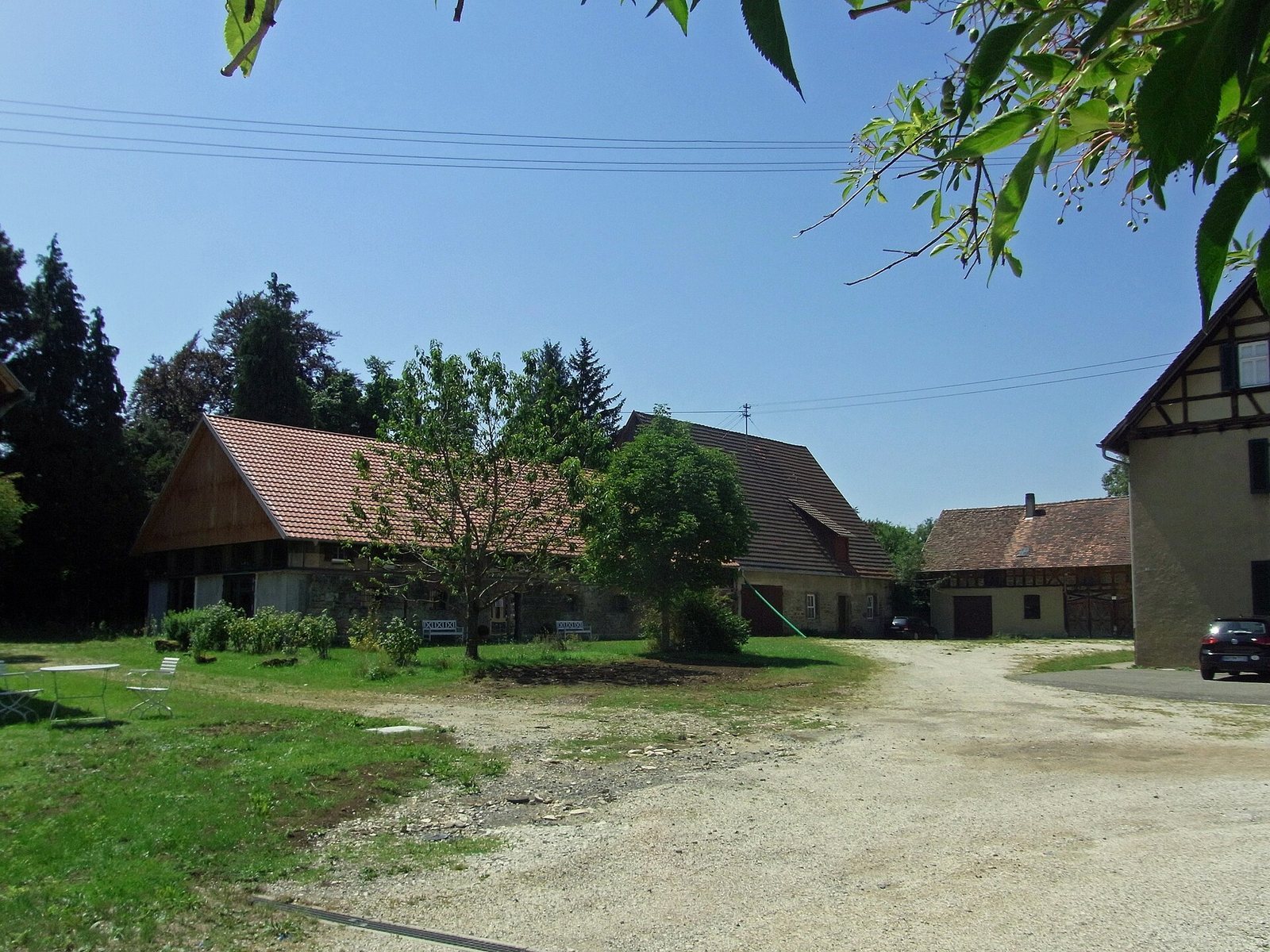
The palace stands in northeastern Dotternhausen on Schloßstraße, at an elevation of 645 metres above sea level. Its two-storey main block has a pitched roof and a gable with battlement-like notches. An English-style park adjoins the building, between the castle wall and the Katzenbach.