Reformed Church in Košice: A Neoclassical Place of Worship in Slovakia
Site at a Glance
- Popularity
- Low
- Country
- Slovakia
- Primary era
- Modern
- Eras represented
- Modern
- Civilizations
- Austria-Hungary, Habsburg, Hungarian
- Site type
- Religious
- Remains
- Church
On this page7 sections
History
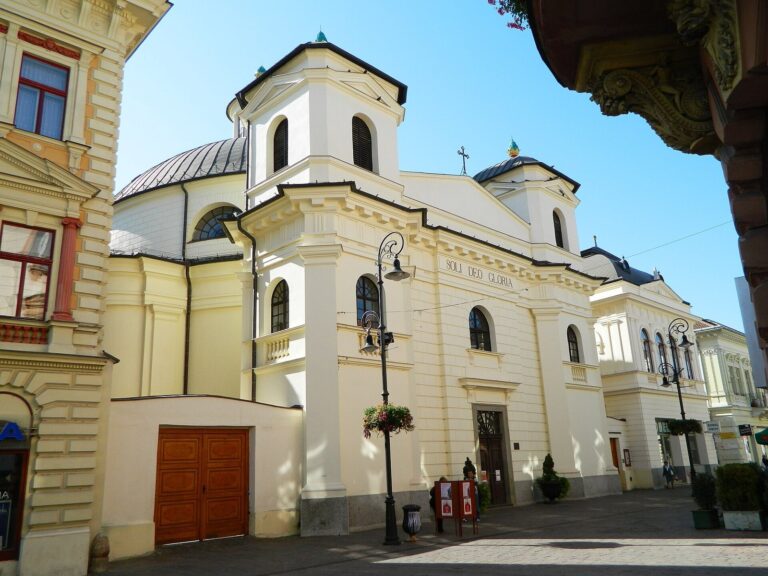
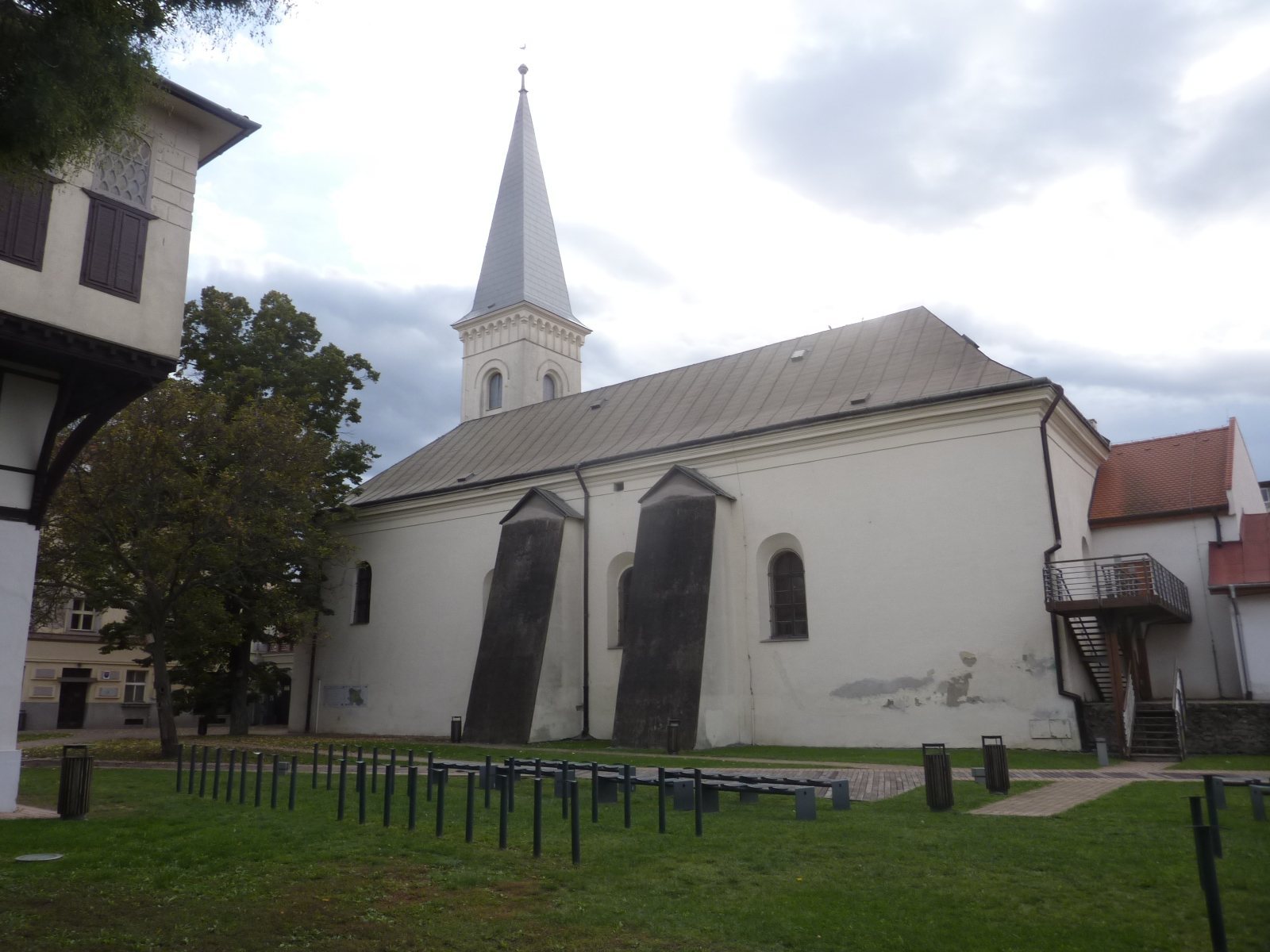
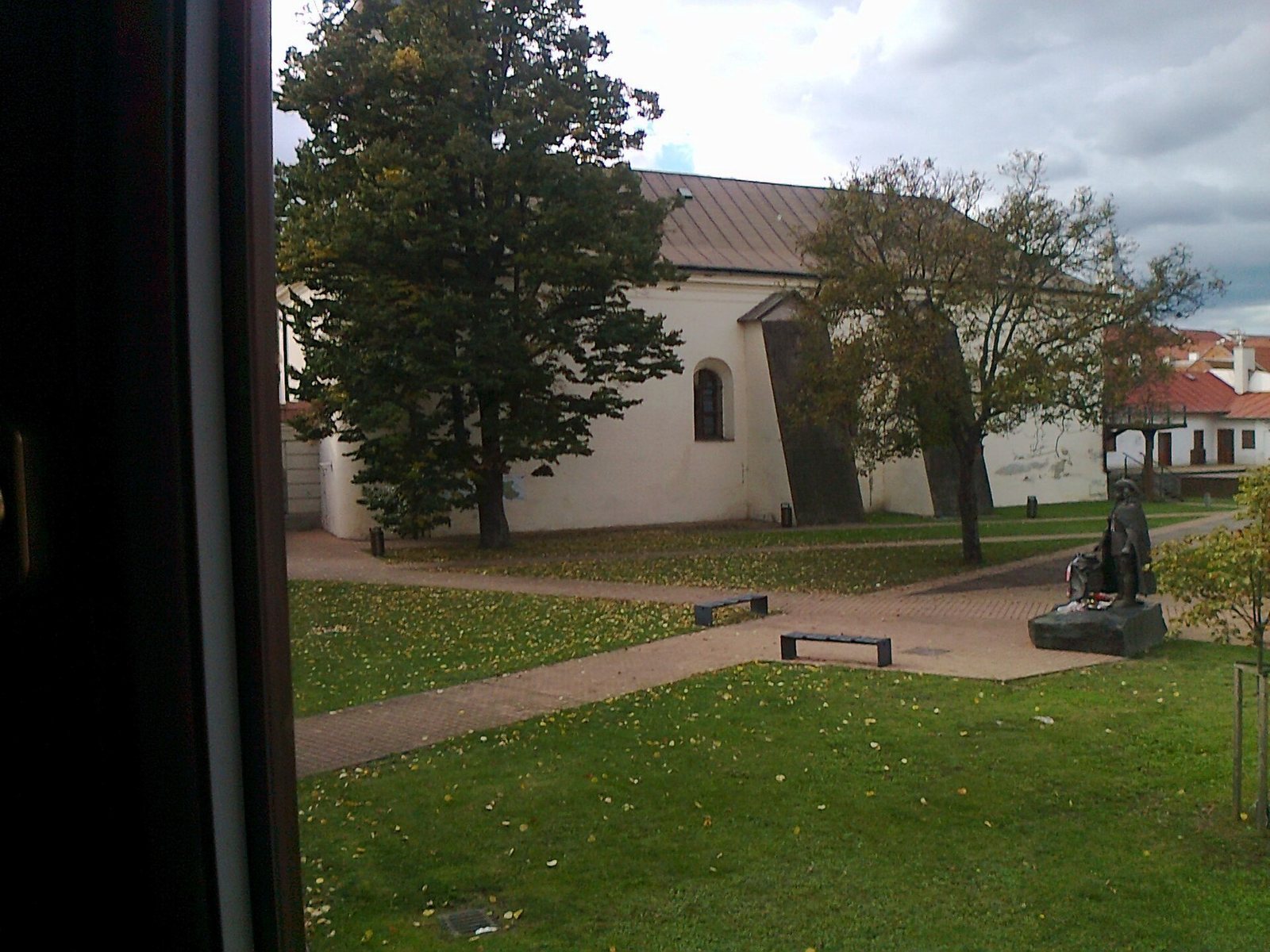
The Reformed Church in Košice is a Neoclassical Protestant church in Slovakia, begun in 1805 in the city’s Old Town. Its congregation belongs to the Reformed Christian Church in Slovakia, a Protestant denomination in the Reformed tradition, and is associated with Calvinism, a branch of Reformed Protestantism.
Construction and nineteenth-century changes
Before the church was built, a three-storey military storehouse incorporated into Košice’s city walls occupied the site. Earlier, one of the city’s five gates, the Painted Gate, stood there, with nearby Executioner’s Bastion, a projecting fortification, defending it. Church construction began in 1805. The building was consecrated in 1810, before work was complete, and finished in 1811.
In 1853, the church received a new façade and tower. A rebuilding in 1895 introduced Neo-Romanesque forms, reviving Romanesque architecture, and raised the tower.
Congregation and civic role
The church was registered as a National Cultural Monument of Slovakia in 1963, a designation for protected national cultural heritage. Since the 1990s, it has been a stop on Košice’s annual ecumenical Good Friday Passion procession, commemorating the suffering and death of Jesus. The procession passes places of worship representing most of the city’s ten registered religious communities and is a rare Slovak example of cooperation across faith communities.
Remains
Church building and furnishings
Layout and tower
On Hrnčiarska Street, near Mikluš Prison, the church has a single nave, the main central space, and one tower. The building is Neoclassical in style. Its stated capacity is 800 people, approximately one fifth of the city’s Calvinist population. The tower was originally 27 metres high and was later raised to 40 metres.
Interior and liturgical objects
The simply furnished interior includes a Neoclassical pulpit and an organ dating to 1813. The congregation also brought rare liturgical vessels, objects used in religious services, from its former wooden church on Moldavian Road, which no longer exists. A gilded rooster made in 1689 stands atop the tower. The city council gave it to the church after it had stood on a tower of St Elisabeth Cathedral when the cathedral belonged to the Reformed church. It remained through the 1895 rebuilding and symbolizes vigilance for Reformed worshippers.