The Bowes Museum: A Public Art Gallery and Collection
Site at a Glance
- Popularity
- Very High
- Country
- United Kingdom
- Primary era
- Early Modern
- Eras represented
- Early Modern
- Civilizations
- Unclassified
- Site type
- Museum
On this page8 sections
History
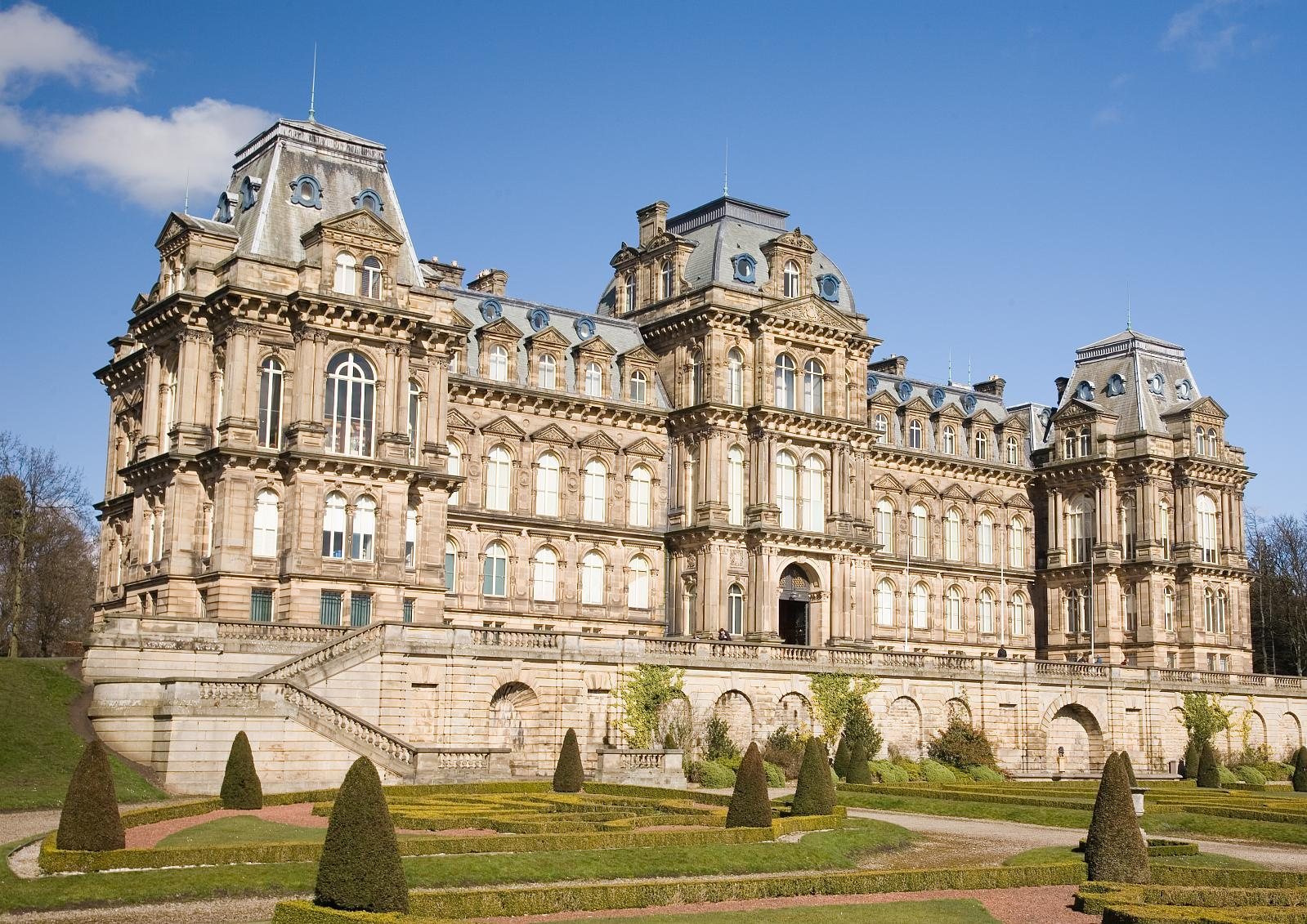
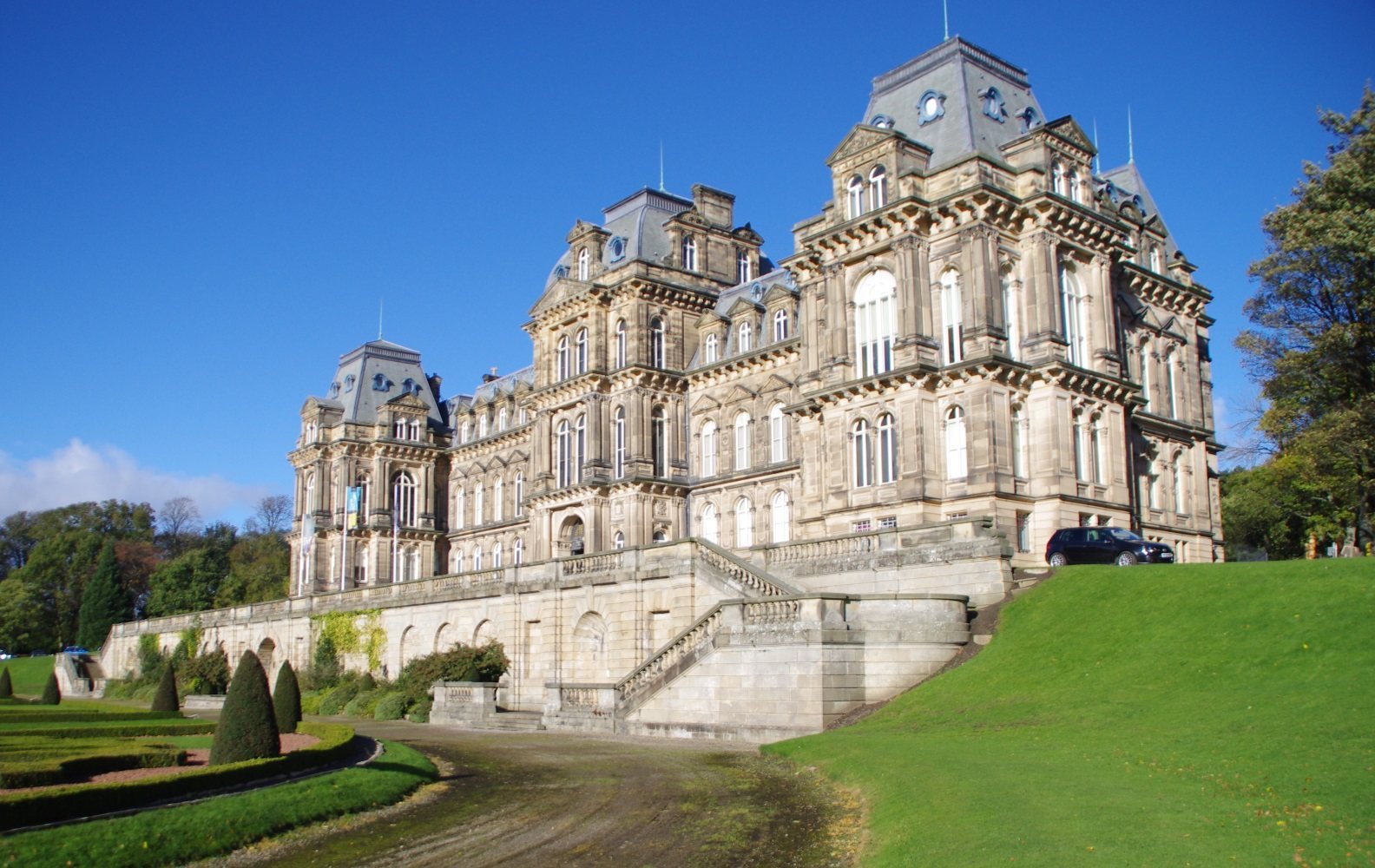
The Bowes Museum is a public art gallery in the United Kingdom, established by John Bowes and his wife, Joséphine Benoîte Coffin-Chevallier, Countess of Montalbo, to house their collection. Construction began in 1869, and the French château-style building opened in 1892, after both founders had died. Its design reflects French Second Empire architecture, the later French imperial period under Napoleon III.
The founders’ collection
John Bowes and Joséphine acquired the collection with their own funds. They left an endowment and 800 paintings; their European fine and decorative art collection comprised about 15,000 pieces. They also paid £200 for the Silver Swan, an eighteenth-century mechanical automaton.
Redevelopment and rediscovery
A major redevelopment began in 2005 to adapt the museum for modern use. It added galleries devoted to fashion and textiles, silver, and English interiors, along with study and learning facilities. The three art galleries on the second floor were also updated. The building has Grade I listed status, England’s highest category for buildings of exceptional architectural or historic interest.
In 2013, art historian Bendor Grosvenor found a portrait of Olivia Porter in the museum storeroom. It had been considered a copy and valued at £3,000–£5,000. Layers of dirt and varnish were removed during restoration, after which Ashmolean Museum director Christopher Brown confirmed it as a painting by Anthony van Dyck.
Remains
The building
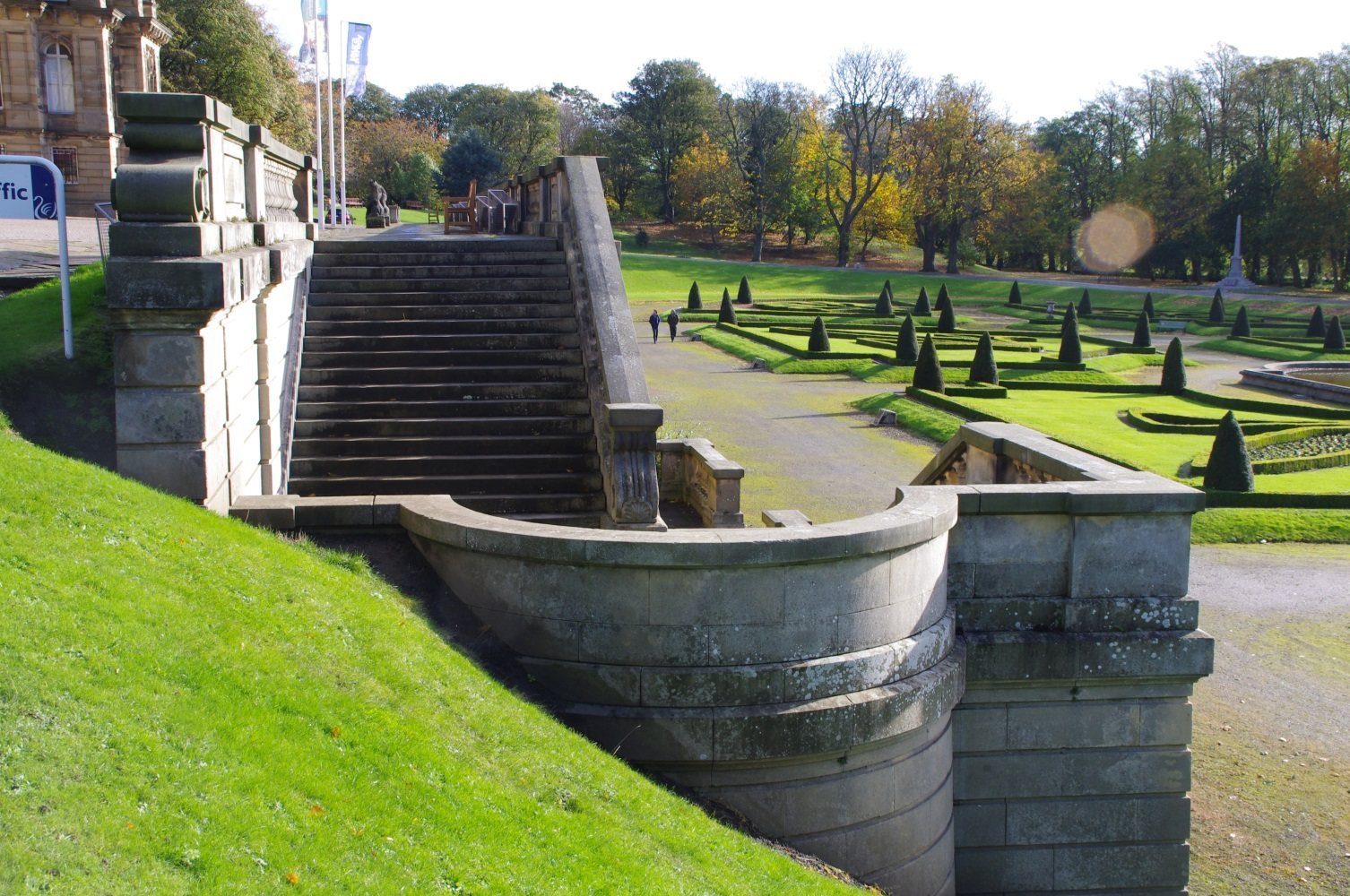
Set within landscaped gardens, the museum building is about 500 feet long and 50 feet high. Its richly modelled exterior features large windows, engaged columns attached to the walls, projecting bays, and mansard roofs with steeply sloping lower sections. These architectural features are associated with the French Second Empire style. A description from 1901 instead classified the design as French First Empire, the period of Napoleon I.
The museum collections
Paintings and decorative arts
The collection includes paintings by El Greco, Francisco Goya, Canaletto, Jean-Honoré Fragonard, François Boucher, and Giovanni Battista Pittoni. Among its named works are Anselm van Hulle’s Family Portrait Group, dated 1640–1650; Claudio Coello’s The Queen Mother, Doña Mariana of Austria, from about 1687; Francesco Trevisani’s Portrait of Cardinal Pietro Ottoboni, dated 1700; and Corrado Giaquinto’s Venus Presenting Arms to Aeneas, dated 1750. The holdings also include porcelain and ceramics, textiles, tapestries, clocks, historic clothing, local-history objects, Napoleonic relics, and antique china. Joséphine commissioned early works by Émile Gallé.
The Silver Swan
The life-size Silver Swan is an operational eighteenth-century automaton, a mechanical device designed to perform movements. At intervals, it preens itself and looks around before appearing to catch and swallow a fish.