Wren Library: The Library of Trinity College, Cambridge
Site at a Glance
- Popularity
- High
- Country
- United Kingdom
- Primary era
- Early Modern
- Eras represented
- Early Modern
- Civilizations
- British, English
- Site type
- Civic
- Remains
- Library
On this page13 sections
History
Foundation and collections
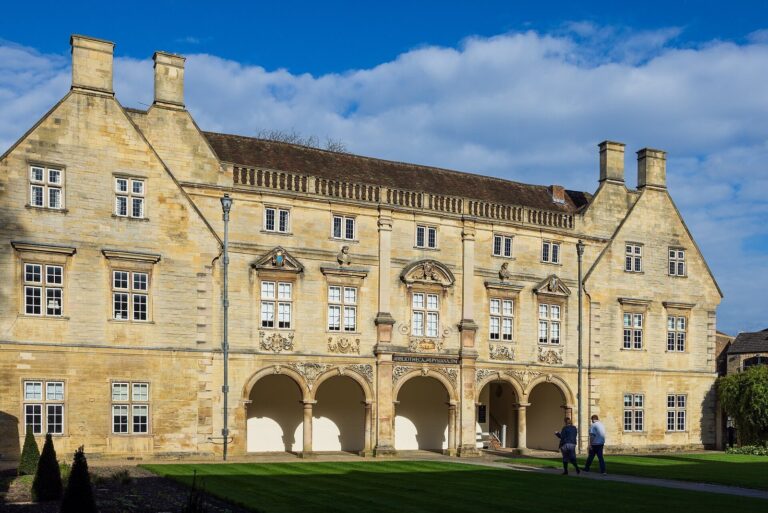
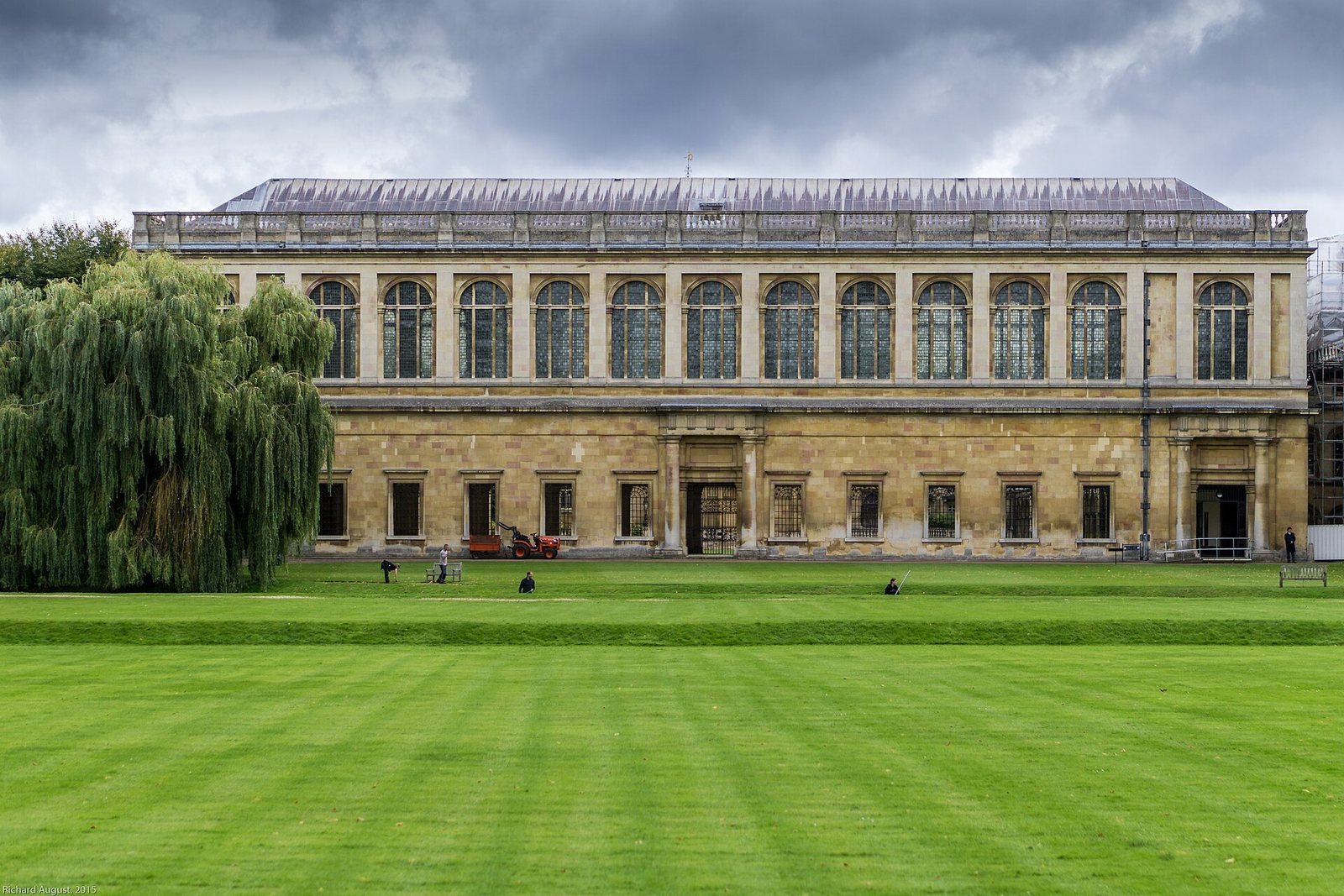
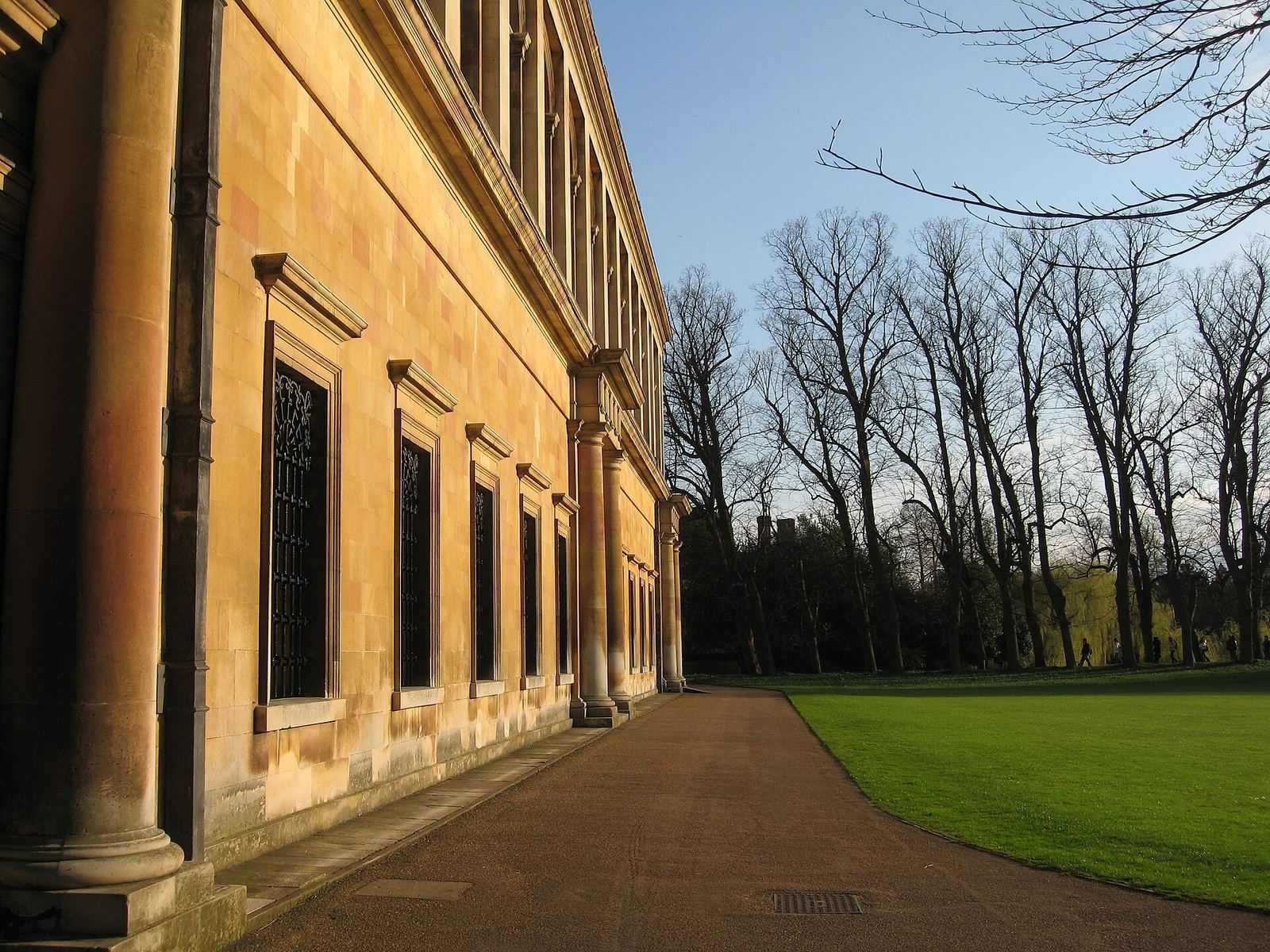
The Wren Library is the library of Trinity College in Cambridge, United Kingdom. English architect Christopher Wren designed it in 1676, and construction was completed in 1695.
Many of its rare books and manuscripts came to the library through bequests from former Trinity College members. A full-size statue of the British Romantic poet Lord Byron was first offered to Westminster Abbey for Poets’ Corner. The offer was rejected because of Byron’s reputation for immorality, and the statue was later added to the library.
Modern preservation and access
Since 1950, the library has been Grade I listed as part of the Trinity College building complex. In England, Grade I is the highest protection category for buildings of exceptional interest.
A major digitisation programme began in early 2014. More than 1,100 of the college’s 1,250 medieval manuscripts have been digitised and made freely available online.
Remains
Room and decoration
Room and reading light
The library consists of one large room above an open ground-floor passage lined with columns in Nevile’s Court. Its upper floor sits several feet below the exterior division between the storeys, balancing practical use with the building’s proportions. Large windows provide comfortable light for readers, and the library is regarded as among the earliest to use windows for this purpose.
Stacks and sculpture
Rows of book stacks stand between the windows, perpendicular to the walls. Each stack ends in a limewood carving by English woodcarver Grinling Gibbons, with plaster casts of notable writers above. Marble busts, mostly by sculptor Louis-François Roubiliac, portray notable members of the college and stand on pedestals. The full-size Byron statue is carved by Danish sculptor Bertel Thorvaldsen.
South window
At the south end, a stained-glass window designed by Italian-born artist Giovanni Battista Cipriani and completed by William Peckitt in 1775 measures 5.03 by 2.44 metres. It shows Fame, the personification of renown and also called the college muse, presenting Isaac Newton to King George III. George sits beside Britannia, the personification of Britain, while Francis Bacon records the proceedings. Two winged child figures and a bare-breasted woman blowing a trumpet herald the occasion. In the nineteenth century, thick curtains were put over the window because it was considered distracting to scholars.
Roof statues
Four statues by Gabriel Cibber stand on the eastern roof railing. They represent Divinity, Law, Medicine, and Mathematics.
Collections
Medieval manuscripts
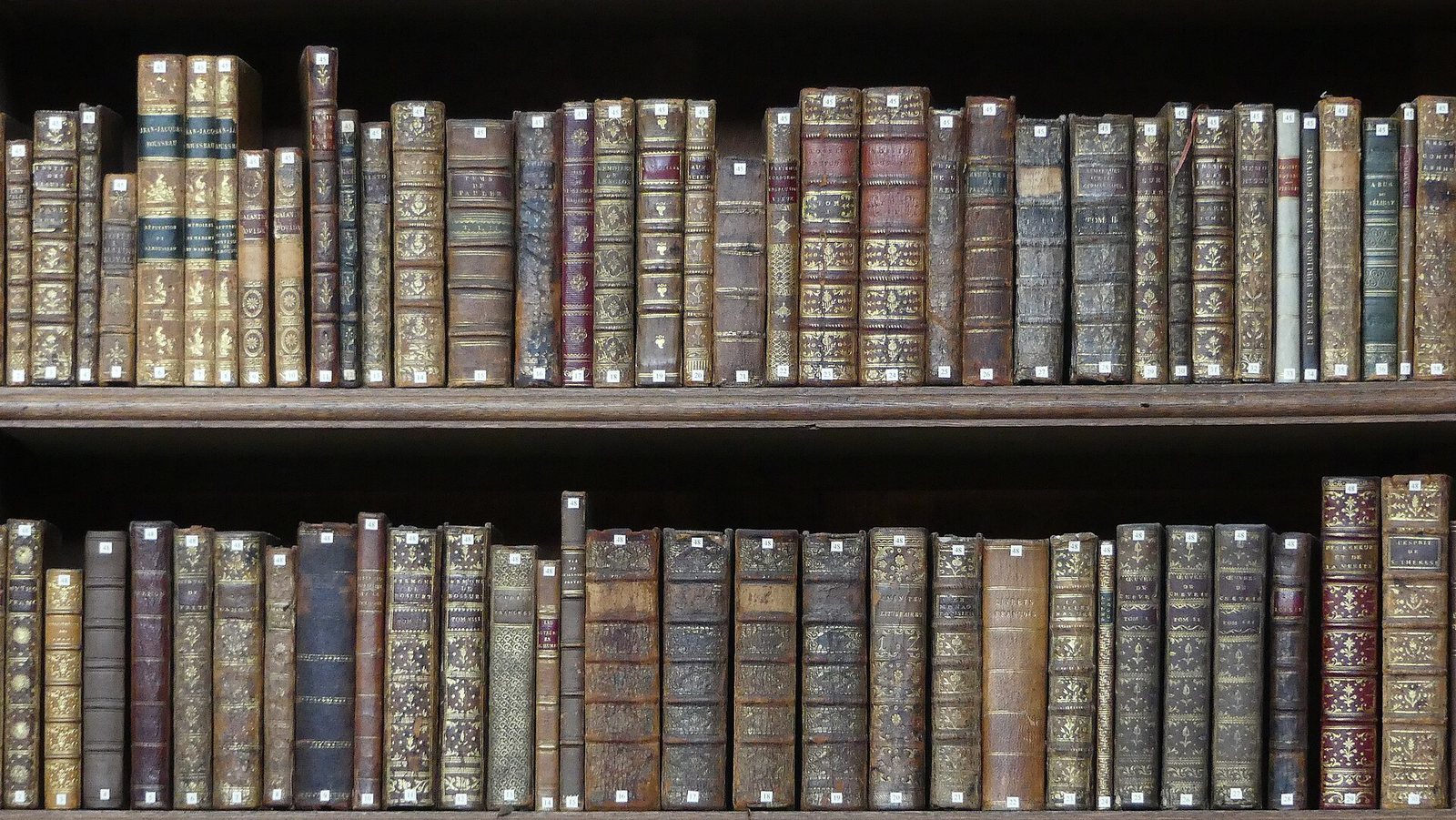
The library holds about 1,250 medieval manuscripts, including an eighth-century copy of the Epistles of St Paul. Among them are the twelfth-century Eadwine Psalter, from Christ Church, Canterbury; the thirteenth-century Trinity Apocalypse, a manuscript of the Book of Revelation; and the fifteenth-century Trinity Carol Roll, which preserves carol texts in roll form. The Eadwine Psalter is a book of Psalms, and the Trinity Apocalypse is written in Anglo-Norman, the form of French used in medieval England.
Scientific and literary works
Among the scientific holdings are Isaac Newton’s first-edition copy of Philosophiae Naturalis Principia Mathematica (Mathematical Principles of Natural Philosophy), with his handwritten notes for the second edition, and his notebook from 1659 to 1661. The library also holds handwritten notes by American physicist Robert Oppenheimer about the Trinity atomic-bomb test in New Mexico, several notebooks by philosopher Ludwig Wittgenstein, and mathematician Srinivasa Ramanujan’s so-called lost notebook.
Literary manuscripts include A. A. Milne’s Winnie-the-Pooh and The House at Pooh Corner, a fourteenth-century copy of The Vision of Piers Plowman, and a collection of John Milton’s handwritten poems.
Printed books
The collection includes the Capell collection of early editions of Shakespeare’s works and several books printed by William Caxton, including the first book printed in English and the first dated book printed in England. It also holds a 1620 edition of William Morgan’s Welsh translation of the Bible.