Macrae’s Monument: An Eighteenth-Century Memorial Obelisk in Ayrshire
Site at a Glance
- Popularity
- Low
- Country
- United Kingdom
- Primary era
- Early Modern
- Eras represented
- Early Modern
- Civilizations
- British
- Site type
- Civic
- Remains
- Monument
On this page8 sections
History
Macrae’s career and Orangefield
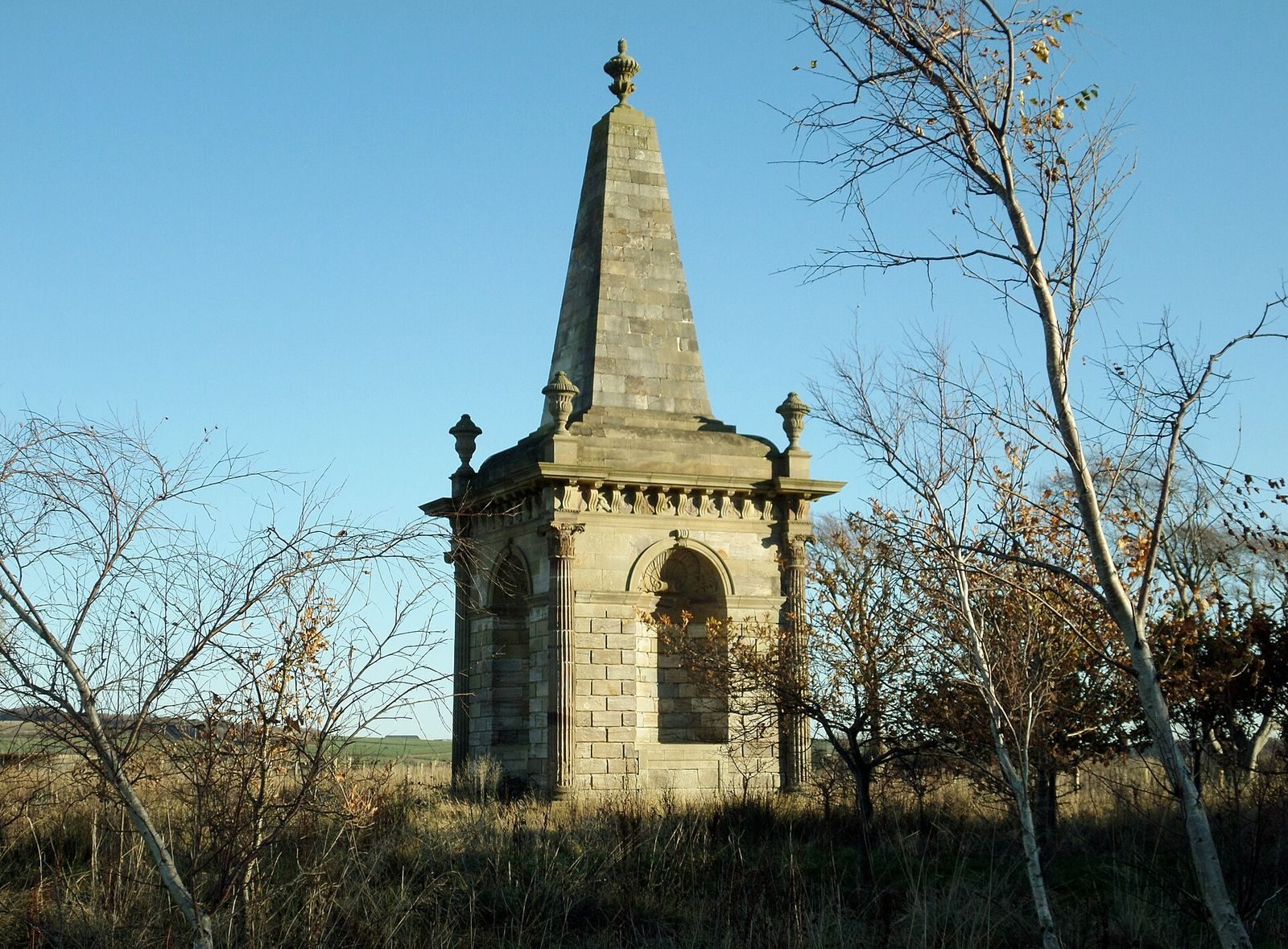
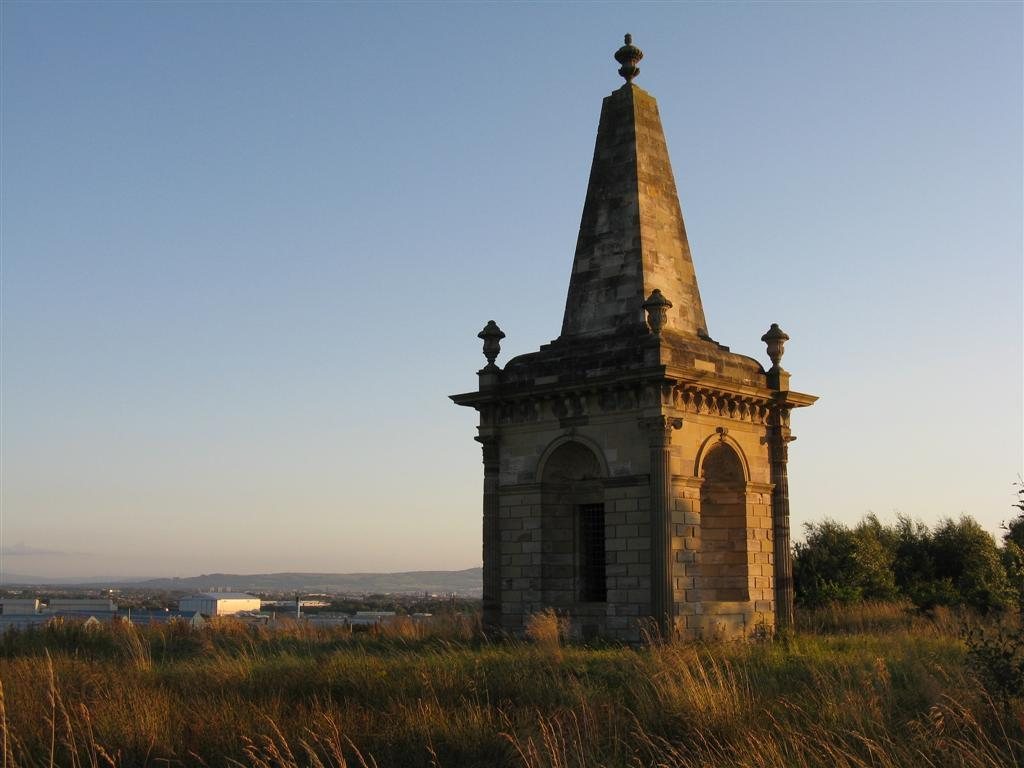
Macrae’s Monument is an eighteenth-century memorial obelisk on Monkton Hill, near Monkton in Ayrshire, United Kingdom. Built between 1748 and 1750, it commemorates James Macrae, who rose from poverty to become a sea captain and colonial administrator.
Born in 1677, probably in the parish of Ochiltree in Ayrshire, Macrae became governor of Fort St George and, from 1725, governor of the Madras Presidency. The Presidency was a territory governed for the British East India Company, a chartered trading company that also exercised political and administrative power in India. Fort St George was the Company’s fortified base at Madras, now Chennai. Macrae reformed the administration of Madras and returned from India with a fortune conservatively estimated at £100,000.
Around 1739, Macrae bought Monkton House and renamed it Orangefield. He never married and died there in the mid-1740s; his burial at Monkton Churchyard is dated to 1748. He left the Orangefield estate to his niece, Macrae McGuire, who later married Charles Dalrymple. The estate was subsequently sold to cover debts.
Construction and later history
Construction began in 1748 under the direction of John Swan, an architect from Kilmaurs. The nearly completed monument collapsed in a storm on 13 August 1749, and Swan rebuilt it in 1750. Macrae’s friends may have commissioned the memorial.
William Johnson’s 1828 map of Ayrshire labels the structure an obelisk and depicts it in its present form. It was listed in Category B in 1971, a classification for buildings of regional or more than local importance, and upgraded to Category A in 1994, Scotland’s highest category for buildings of special architectural or historic interest.
Part of the west elevation collapsed in 1996, putting the monument at risk of total collapse. Restoration work in 2000 uncovered human remains beneath the chamber, and a full restoration followed in 2001.
Traditions about Macrae’s burial
A local story says that six or seven of Macrae’s friends spent two days and nights drinking at Orangefield House, then went to Monkton Kirk and took skulls and other bones. In this tale, they chose the largest skull and longest leg bones as Macrae’s and placed them in the monument. A separate local interpretation proposes that his remains were later removed quietly from St Cuthbert’s Kirk in Monkton and formally buried in the monument.
Remains
Form and setting
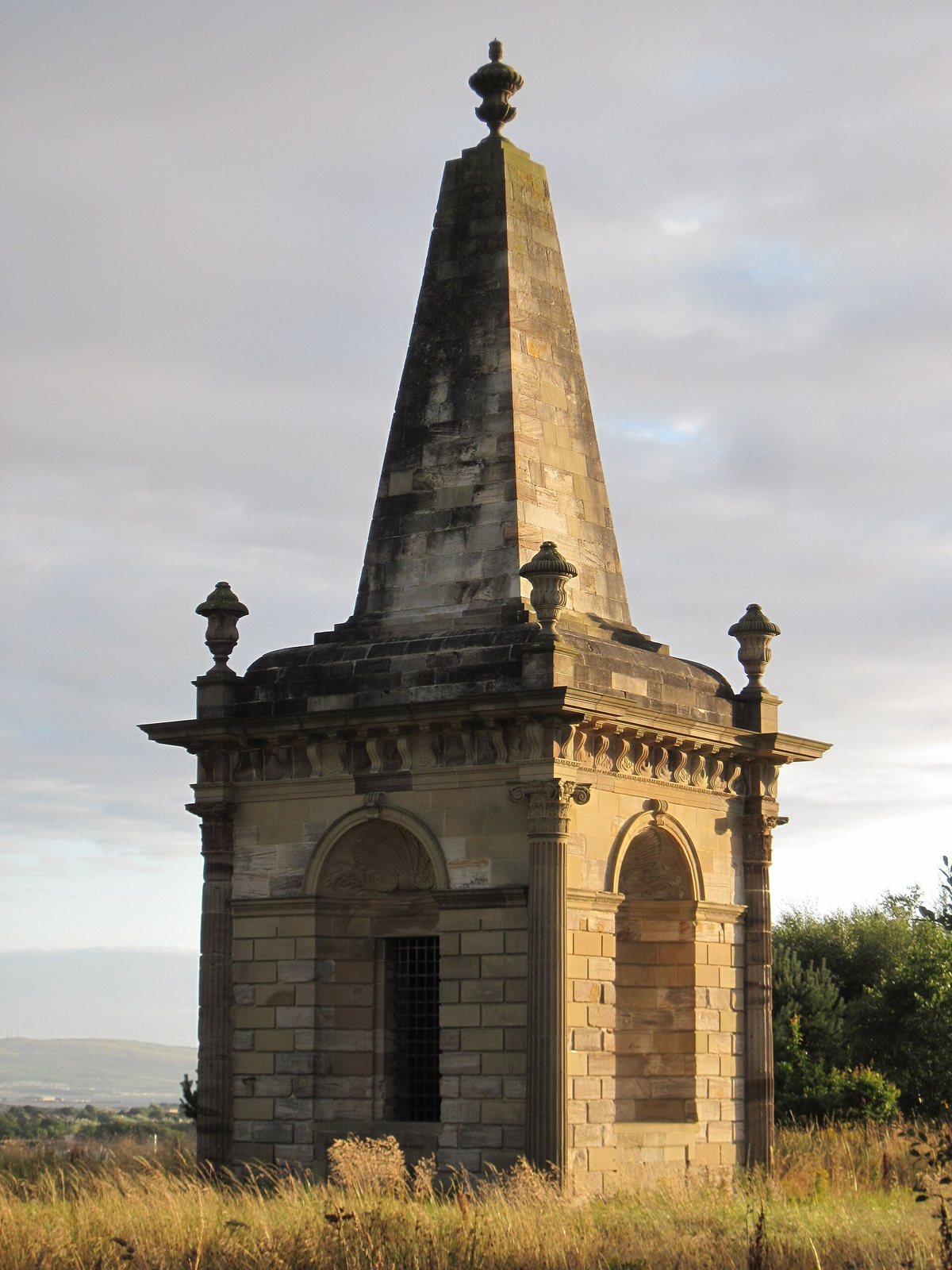
The monument stands in an isolated position on Monkton Hill, on the lands of Whiteside Farm, overlooking Monkton about 500 metres northeast of the village. It is about 10 metres high and built from sandstone ashlar, carefully dressed stone blocks, with rustication, a deliberately rough or deeply jointed finish. A square base supports a blunt-topped obelisk, a tall monument with a square plan that typically narrows upward. Corinthian columns mark the base’s corners; this classical style is distinguished by elaborate capitals traditionally decorated with leaf forms. The monument once stood among trees in a shelter belt within Orangefield’s woodland grounds. Some of that woodland has since been felled, and a fence line south of the structure projects into the field.
Carved decoration
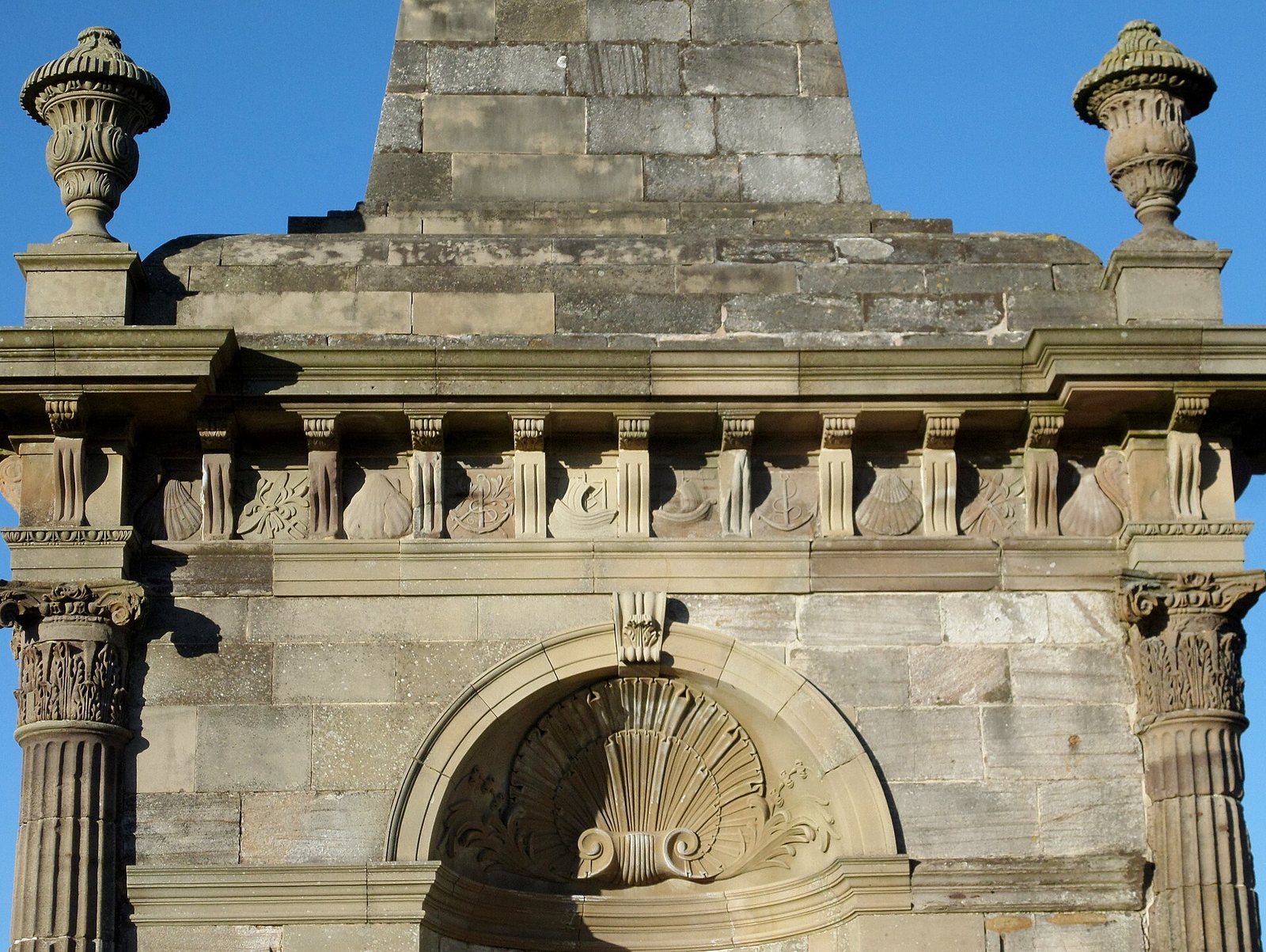
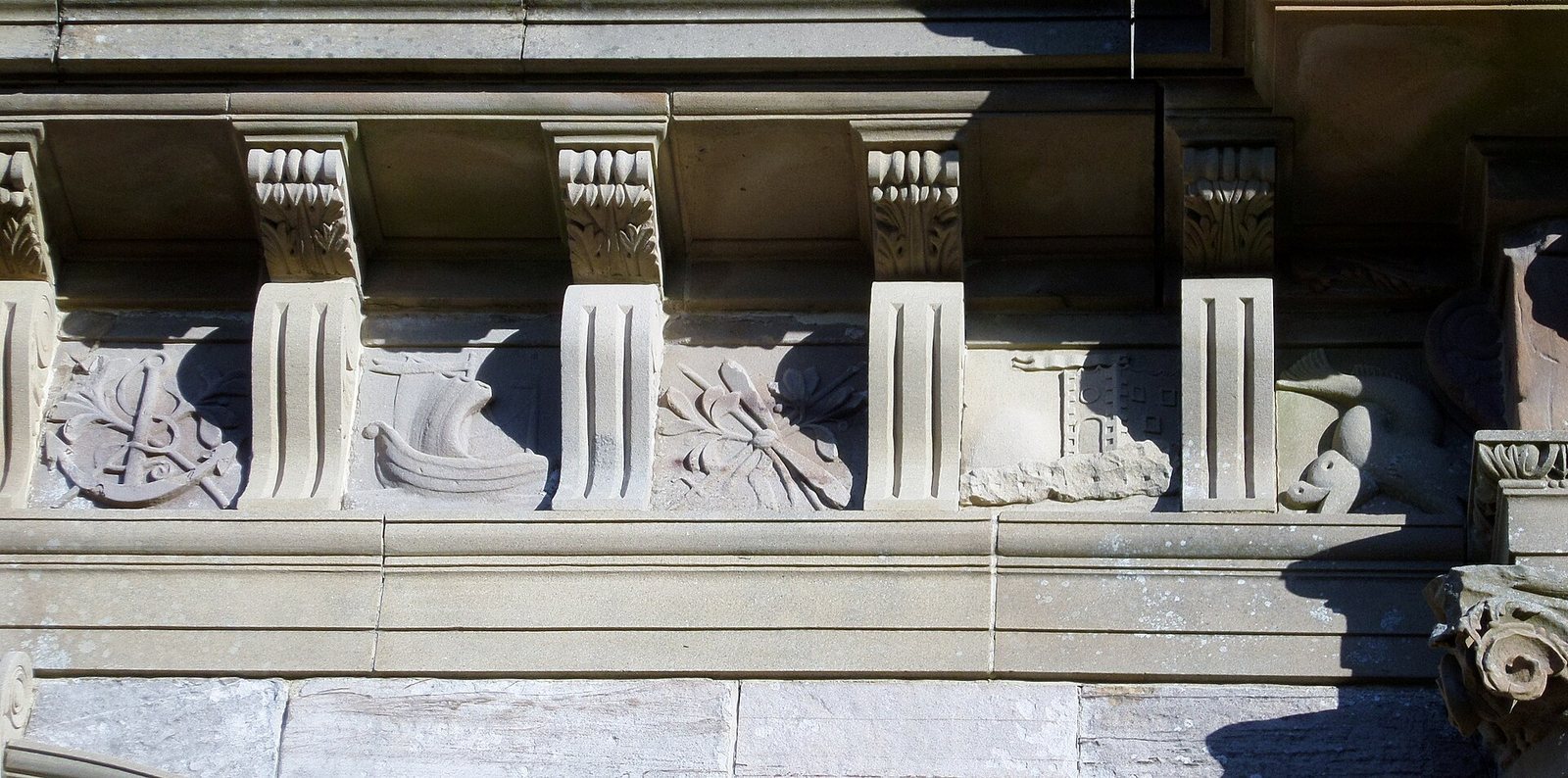
Each side has a round-arched alcove ornamented with a shell, with a continuous frieze running above. Five urns carry carved eternal flames. The sides also bear carvings of dolphins, anchors, forts, and ships, which may refer to Macrae’s life and career. Carved elements from the original monument were incorporated into the core of the rebuilt structure.
Burials beneath the chamber
The monument is sometimes called the Orangefield Family Burial Ground. Six burials were found in the area beneath its chamber: two adult men, two adult women, and two children estimated to have been about four to five years old and one to two and a half years old. Two were formal burials; the others did not follow the east-west alignment traditionally associated with Christian burials. The burials’ date is uncertain: they have been attributed to the eighteenth century, while dating of coffin handles has also suggested an early nineteenth-century interment. The bones were returned inside the monument. The identities of the six people are unknown, and their connection to Macrae or his relatives remains unresolved.