Church of St. Nicholas, Sibač: A Serbian Orthodox Church in Serbia
Site at a Glance
- Popularity
- Very Low
- Country
- Serbia
- Primary era
- Early Modern
- Eras represented
- Early Modern, Modern
- Civilizations
- Austrian Empire, Habsburg
- Site type
- Religious
- Remains
- Church
On this page7 sections
History
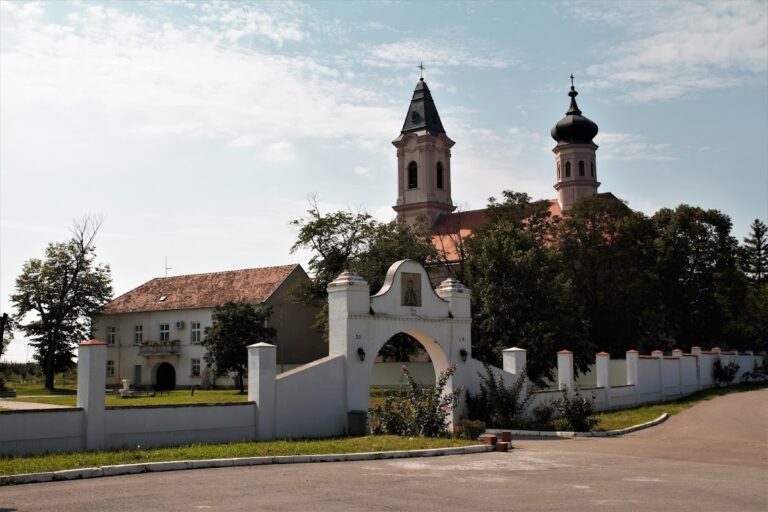
The Church of St. Nicholas, Sibač, is a Serbian Orthodox church in Serbia, built in the second half of the eighteenth century. Its precise construction year is uncertain. It belongs to the Eparchy of Srem, a territorial jurisdiction of the Serbian Orthodox Church, and is dedicated to the Translation of St. Nicholas’s relics, commemorating their transfer. St. Nicholas was an early Christian bishop venerated as a saint.
Foundation and furnishings
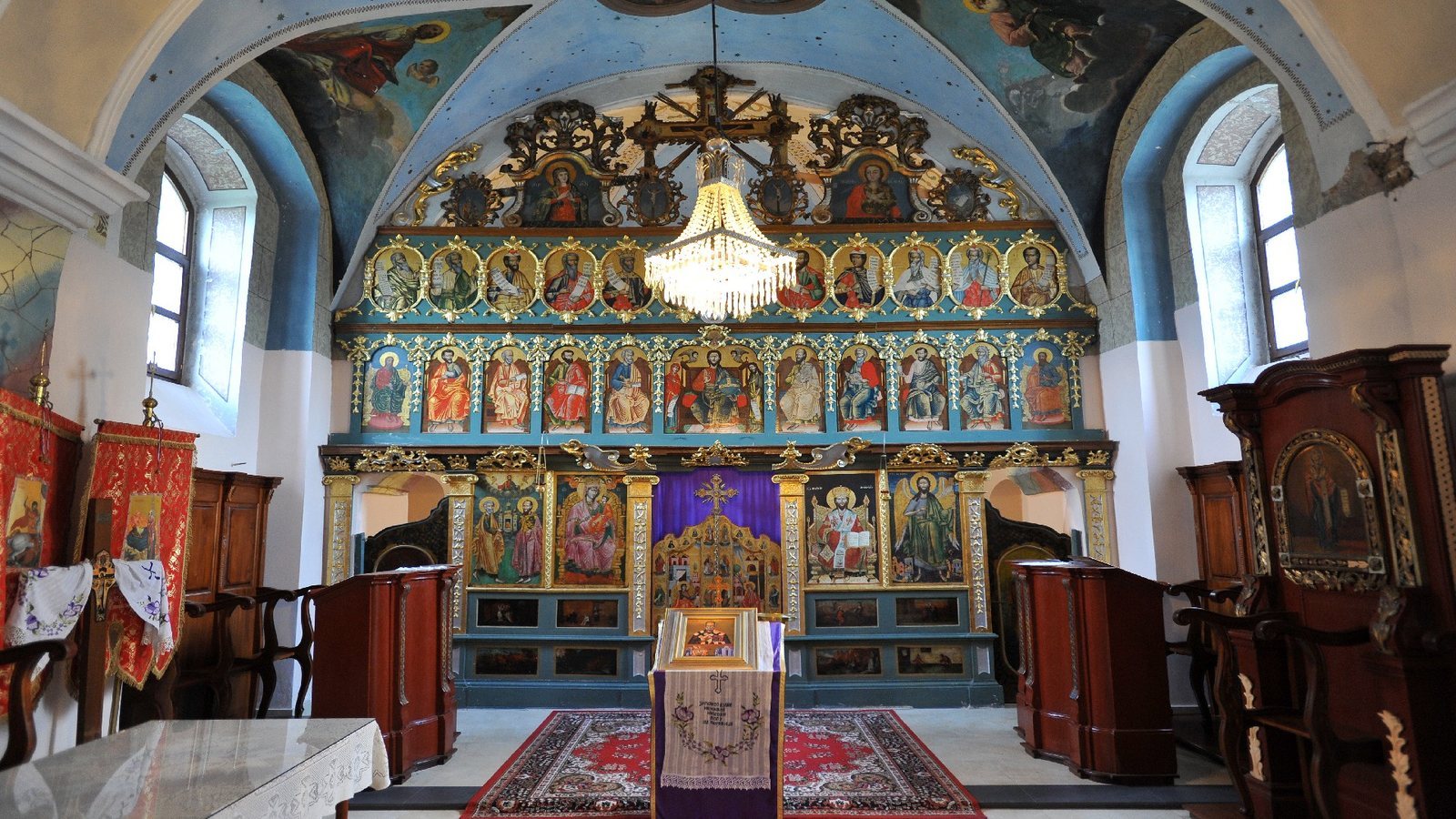
The church’s iconostasis, the screen between the sanctuary and the main worship space, was originally made for the Lower Church in Sremski Karlovci. It was purchased and brought to Sibač in the 1830s. The church underwent renovation in 1851.
Wartime damage and restoration
During the First World War, Austro-Hungarian troops seized the church bells to melt them down. Replacement bells were installed in 1923. On 19 December 1943, German forces blew up the bell tower.
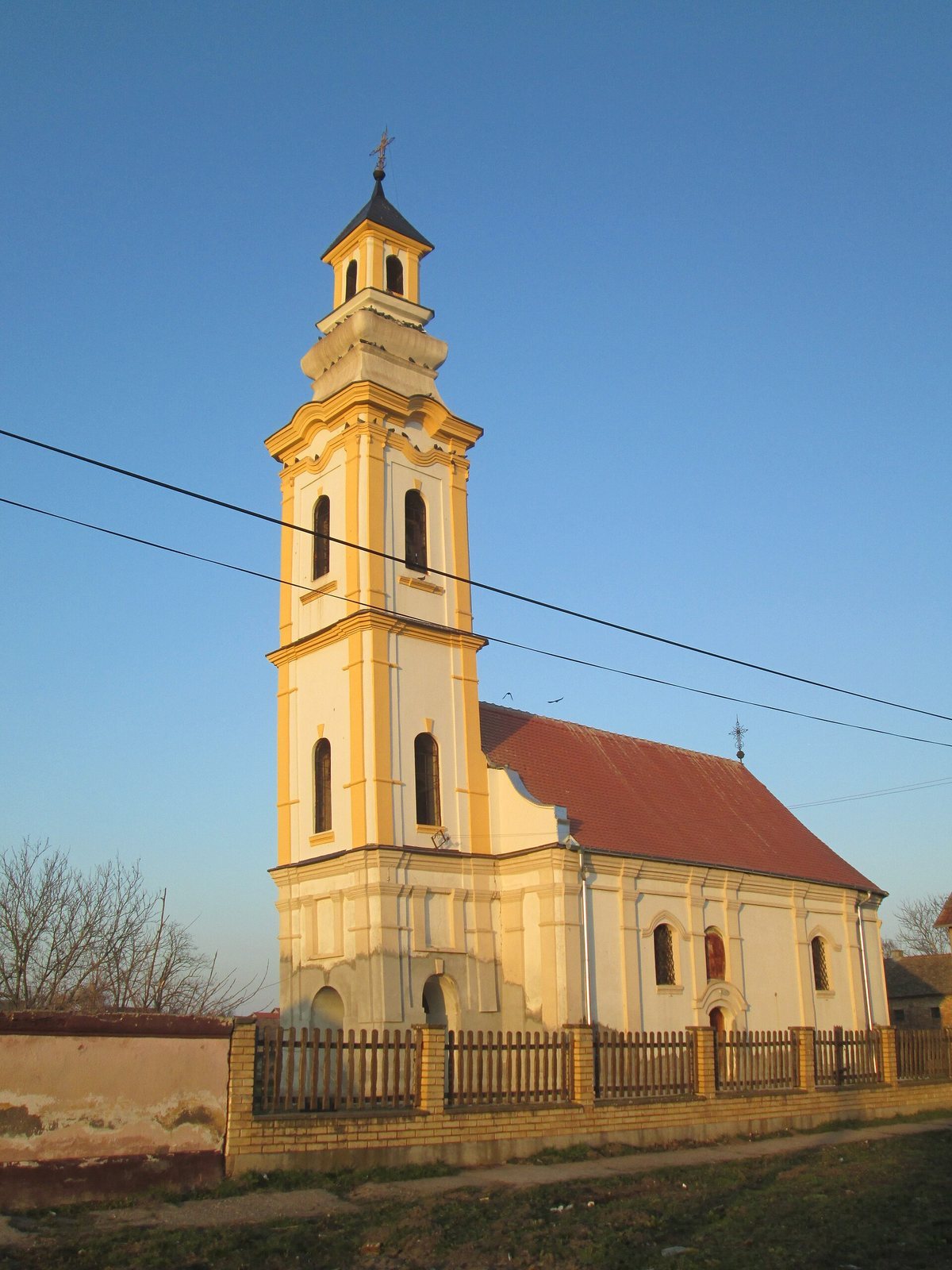
Restoration began in 1962, with repairs to the roof and the construction of a new Baroque-style tower. Further reconstruction followed in the 2000s, and the iconostasis was conserved and restored in 2006. On 30 December 1997, the church received protected immovable cultural-property status and was designated a Cultural Monument of Exceptional Importance in Serbia. It remains an active church.
Remains
Building and layout
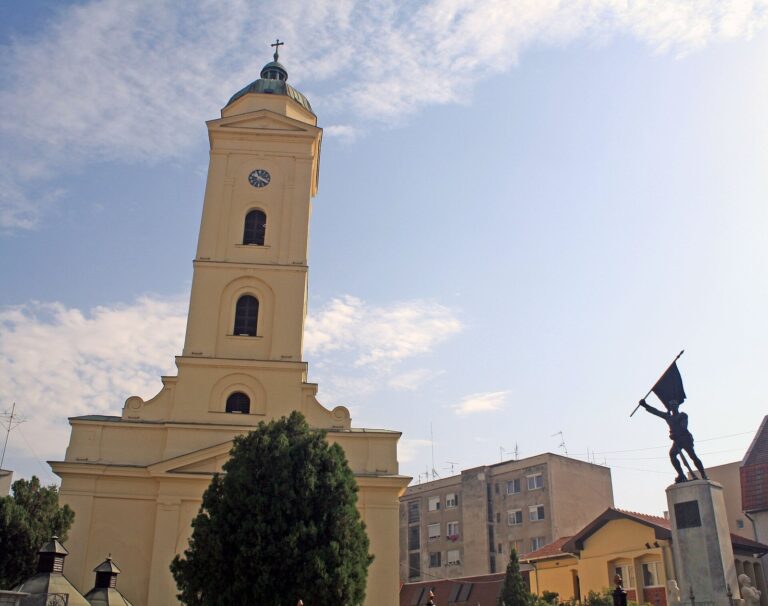
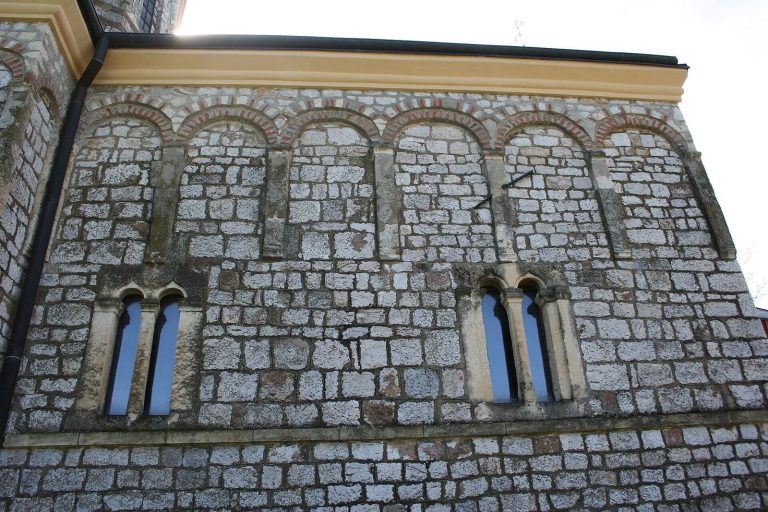
The church is a modest, single-nave building with a semicircular altar apse, or sanctuary end, on the east. A Baroque bell tower stands at the western façade. The building is classified as Classicist or Neoclassical, while its earlier character also included Byzantine features. These were removed during the 1962 restoration.
Iconostasis
The iconostasis dates to 1737–1740 and was adapted to fit the church’s altar space. Georgije Stojanović painted its throne icons, Royal Doors (the central doors), enlarged Deesis (a composition centered on Christ with interceding figures), and images of prophets in the first half of the eighteenth century. Baroque influence appears in the treatment of the drapery and the painted furnishings. Dynamic scenes with figures in landscapes decorate the base, dating to the second half of the eighteenth century. They are probably by Georgije Mišković and depart from the stillness and linear approach associated with traditional icon painting.
Wall paintings
Konstantin Pantelić painted the church’s walls in the altar and nave, as well as its vaulted ceilings, in 1851. The paintings are characterized by a soft, warm palette, while their drawing and proportions have also been described as weak.