New Palace at Bad Lobenstein: A Reuß-Lobenstein Residence in Germany
Site at a Glance
- Popularity
- Medium
- Country
- Germany
- Primary era
- Early Modern
- Eras represented
- Early Modern
- Civilizations
- Holy Roman Empire
- Site type
- Domestic
- Remains
- Palace
On this page10 sections
History
Construction and princely residence
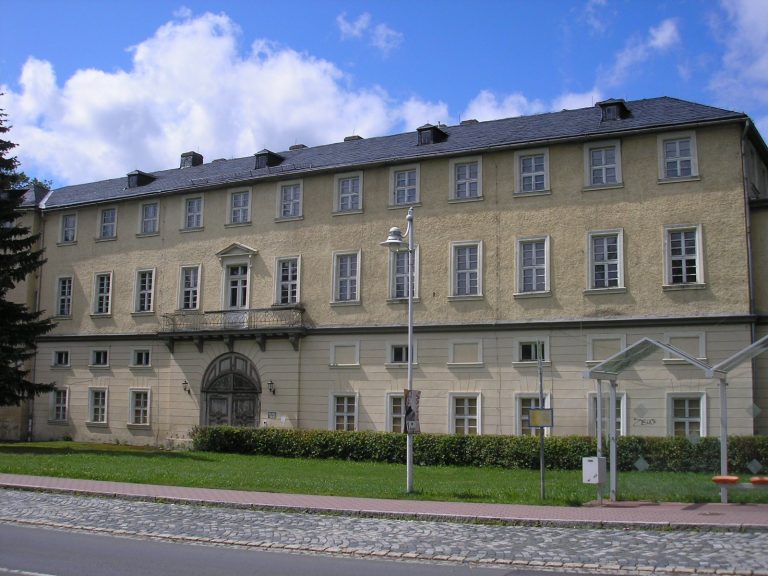
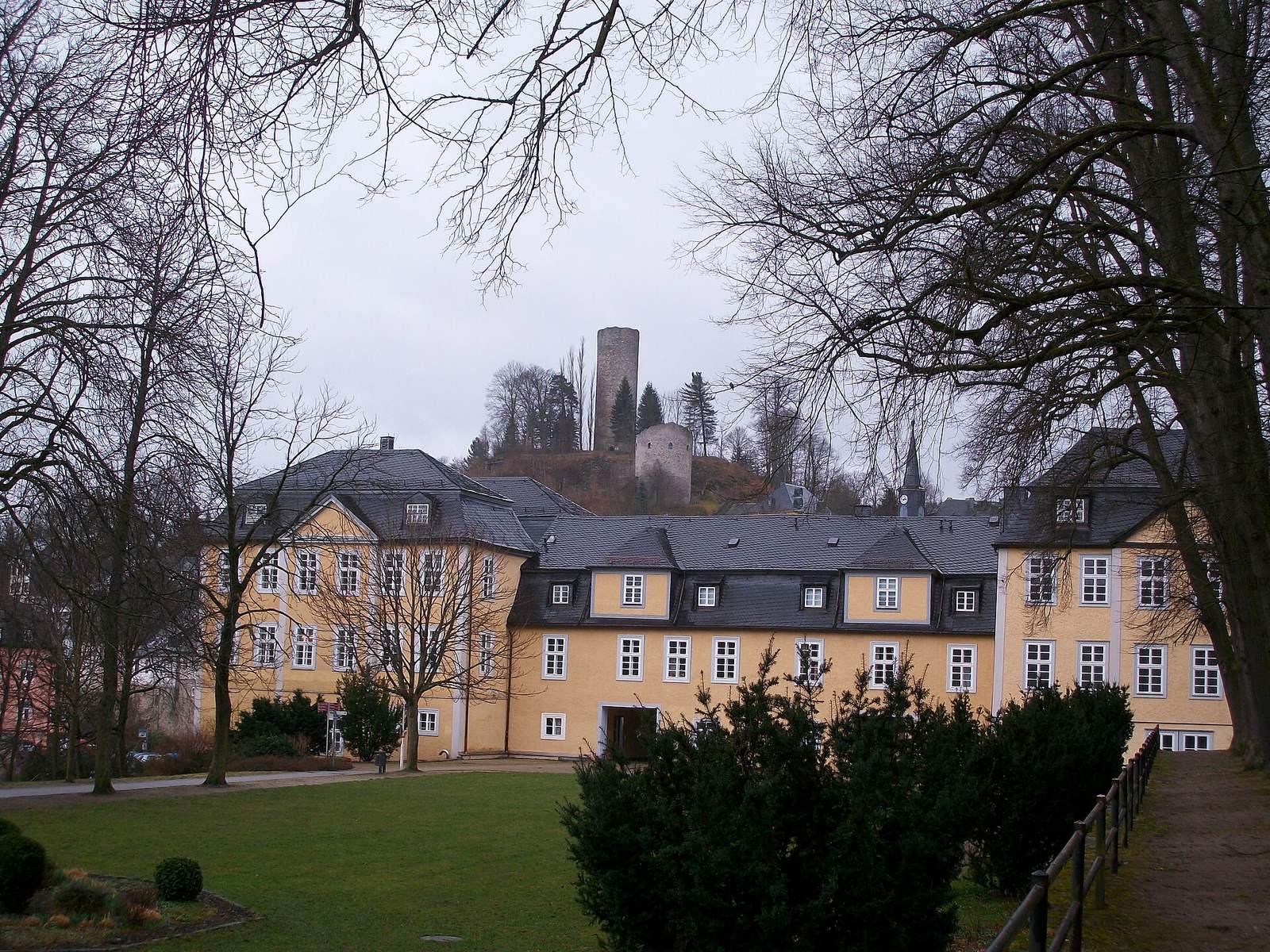
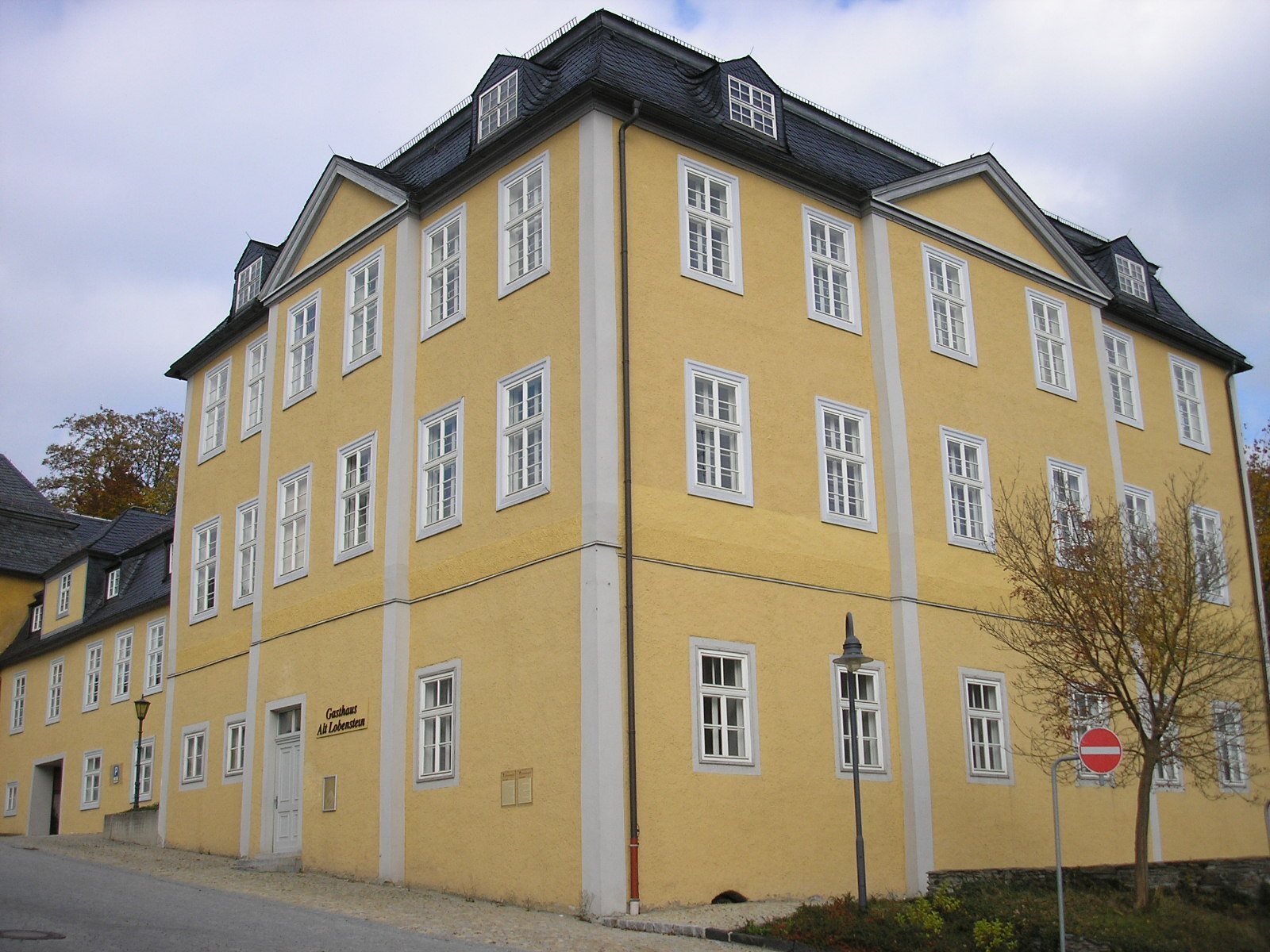
The New Palace at Bad Lobenstein is an early 18th-century princely residence in Germany, built between 1714 and 1718 for the Reuß-Lobenstein branch of the House of Reuß. Heinrich XV von Reuß-Lobenstein commissioned it after a fire in 1714 badly damaged the earlier castle. That castle had been built in the town centre in 1601, and the surviving sections were later used as a malt house. The new residence was built outside the town walls.
The princes of Reuß-Lobenstein had lived in Lobenstein since 1647, and the palace served as their residence until 1824, when their branch of the family died out. Its territory passed to Reuß-Ebersdorf, whose princes thereafter took the name Reuß-Lobenstein-Ebersdorf.
Fires and later use
Further fires damaged the palace in 1732, 1800, and 1862. It was rebuilt after each, with slight alterations.
The palace now houses a museum with collections on regional history under the Reuß family and the history of coins, as well as temporary exhibitions. The palace, park, and outbuildings were renovated in 1996 and 1997, and comprehensive work on the west wing began in 2008.
Remains
Palace and grounds
Palace
At the northern edge of the old town, on Leonberger Platz, the palace has two wings with square footprints, one east and one west, joined by a lower central block. A passage through this block aligns with the pavilion in the park behind the palace.
Park and pavilion
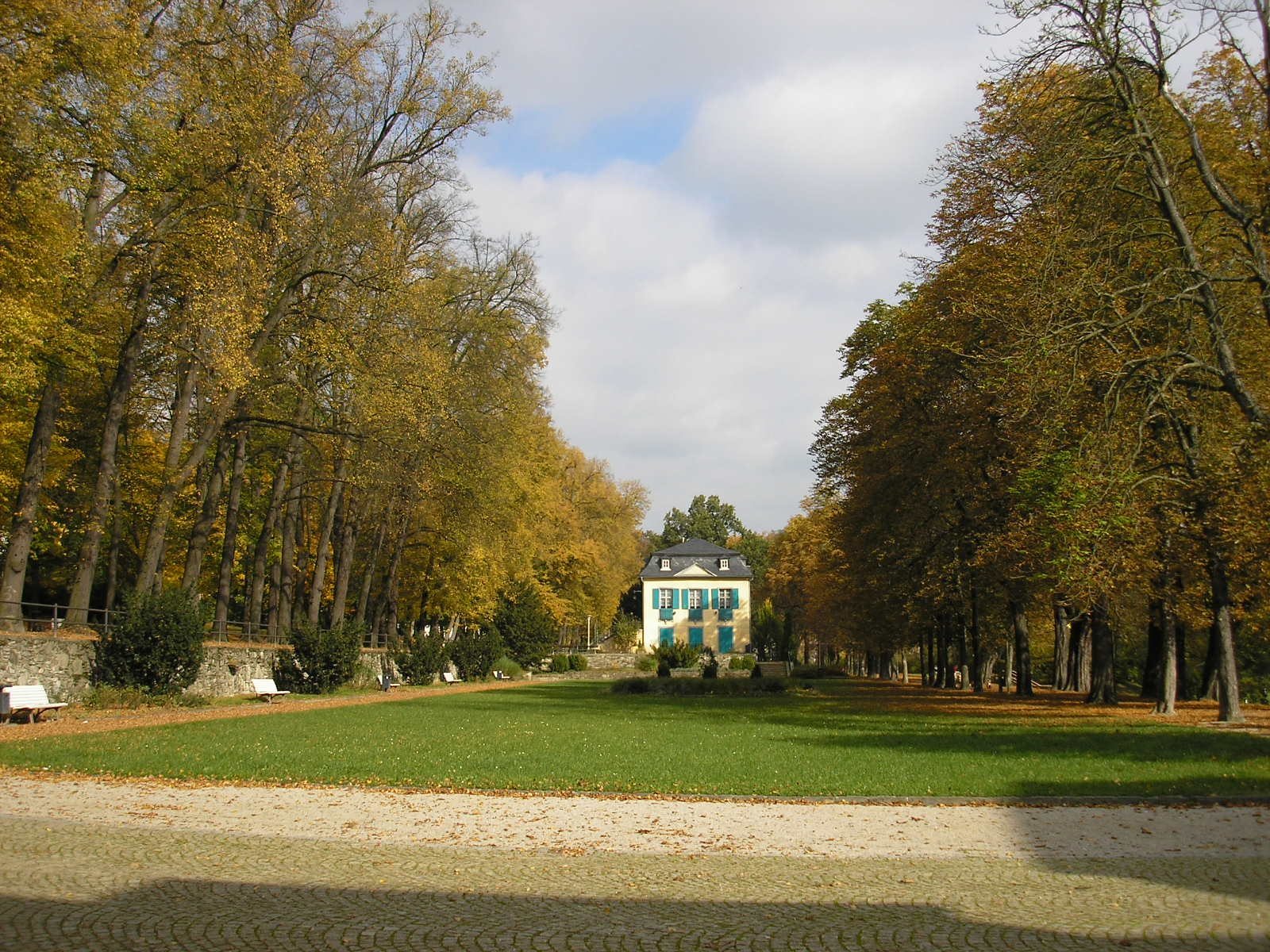
The park, also known as the Herrengarten, extends about 250 metres behind the palace and is roughly 100 metres wide. Its central lawn is interrupted by the pavilion and bordered on both sides by tree-lined avenues with walking paths. The garden was first laid out in the French Baroque style, with a formal, symmetrical plan. As its trees grew, it developed a more naturalistic character, like an English landscape park, by the mid-19th century.
The pavilion is a square, two-storey building in the late Baroque style, known for its prominent shutters. Baroque design is associated with elaborate forms and ordered arrangements. The park now serves as an urban green space.
Other buildings around Leonberger Platz
Old Guardhouse
Across Leonberger Platz from the palace stands the small Old Guardhouse, a Neoclassical building drawing on forms associated with ancient Greek and Roman architecture. It formerly served as a guard post for the princely military and closely resembles the Old Guardhouse at Greiz.
Carriage house
Opposite the palace, the princes’ carriage house is a plain building in the late Baroque style.