Narros Palace: A Sixteenth-Century Residence and Royal Summer Retreat
Site at a Glance
- Popularity
- Very High
- Country
- Spain
- Primary era
- Early Modern
- Eras represented
- Early Modern, Modern
- Civilizations
- Crown of Castile, Spanish
- Site type
- Domestic
- Remains
- Elite Residence
On this page4 sections
History
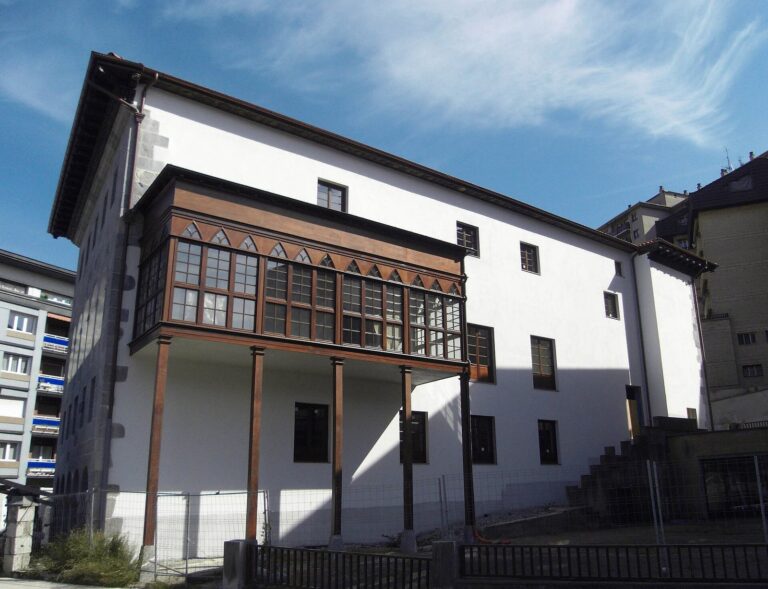
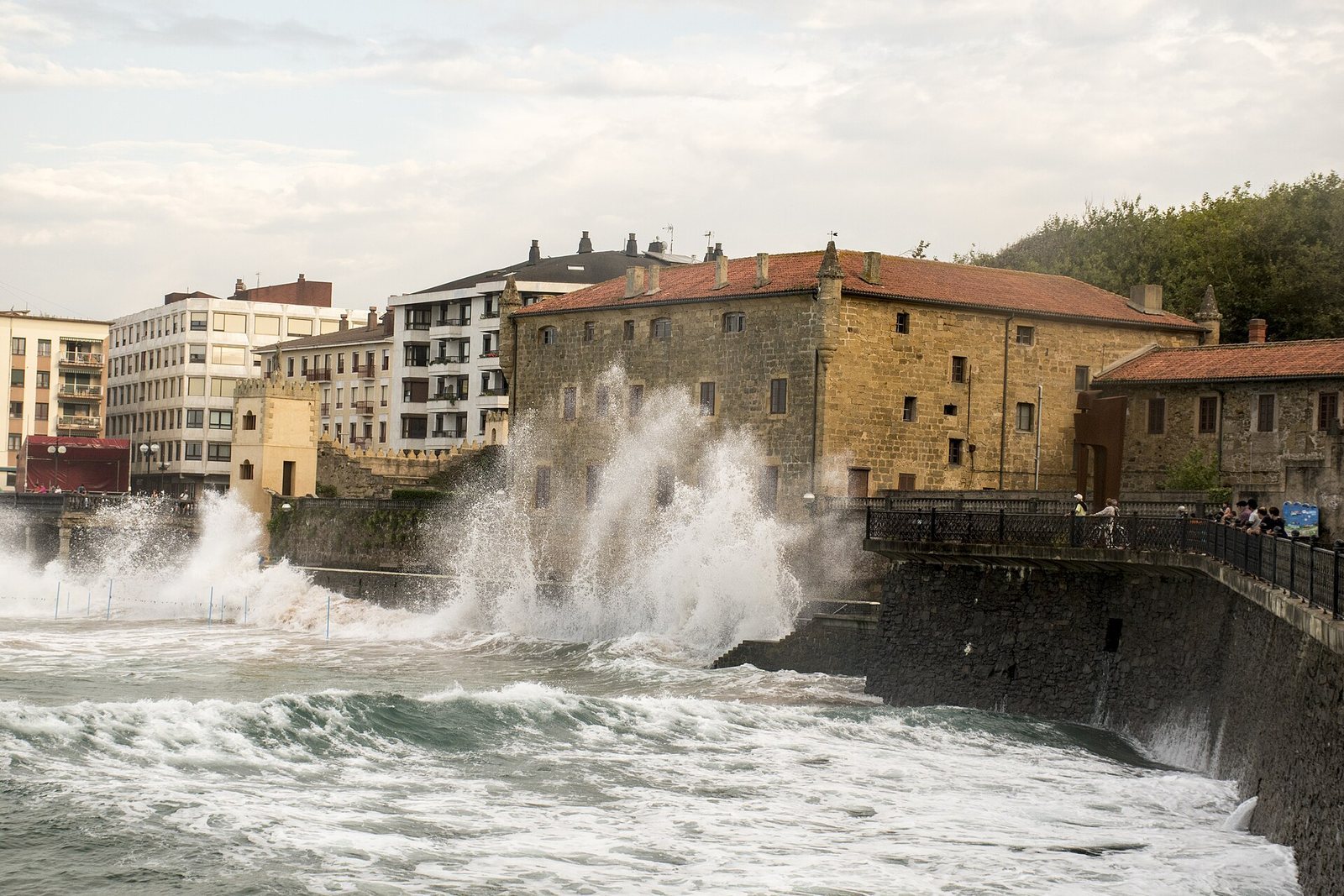
Narros Palace is a sixteenth-century residence in Zarauz, Spain. It belongs to the Duchy of Villahermosa, a Spanish noble title. Royal summer visits to the palace later helped establish Zarauz as a Cantabrian resort destination.
The Blue Salon legend
A legend places an English nobleman of Huguenot faith, a French Protestant, at the palace in 1572. He was said to have been shipwrecked on Zarauz’s beach while fleeing the St. Bartholomew’s Day massacre, the mass killing of Protestants in France that began in Paris on August 24. The Marquises of Narros took him in and housed him in the Blue Salon. According to the story, he fell ill, refused final rites from a Catholic priest, accused his hosts of poisoning him, and died.
The tale also says that the room became haunted. Each year on August 24, the man’s spirit supposedly moved the eyes of portraits on the blue walls, while chains and screams disturbed the night. Luis Coloma, a Jesuit priest and member of the Catholic Society of Jesus who spent summer holidays at the palace, adapted the legend into his 1912 short story The Blue Salon.
Royal summer visits
In the nineteenth century, Queen Isabella II of Spain, who reigned from 1833 to 1868, was invited to spend extended summers at the palace. Aristocrats and other wealthy visitors followed, including the Marquis of Narros, politician and geographer Pascual Madoz, Queen María Cristina de Habsburgo-Lorena, King Alfonso XIII, the Duchess of Alba, the Duke of Infantado, and Belgium’s King Baudouin and Queen Fabiola.
Remains
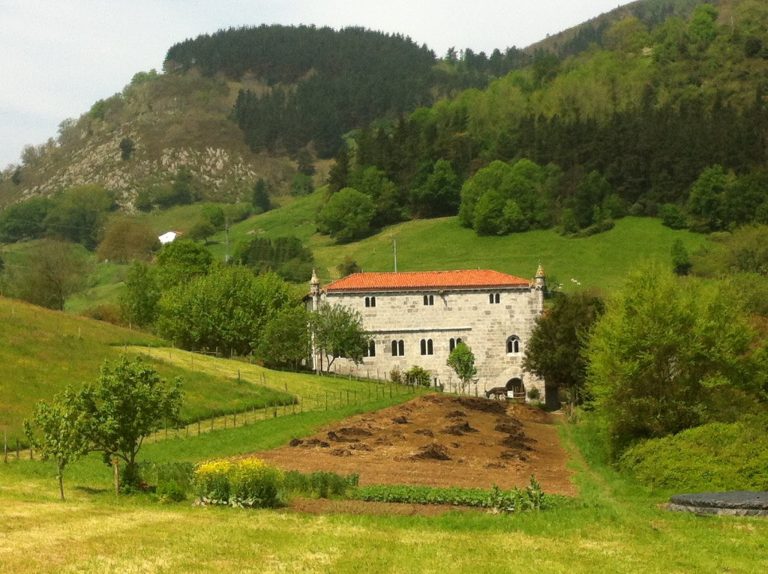
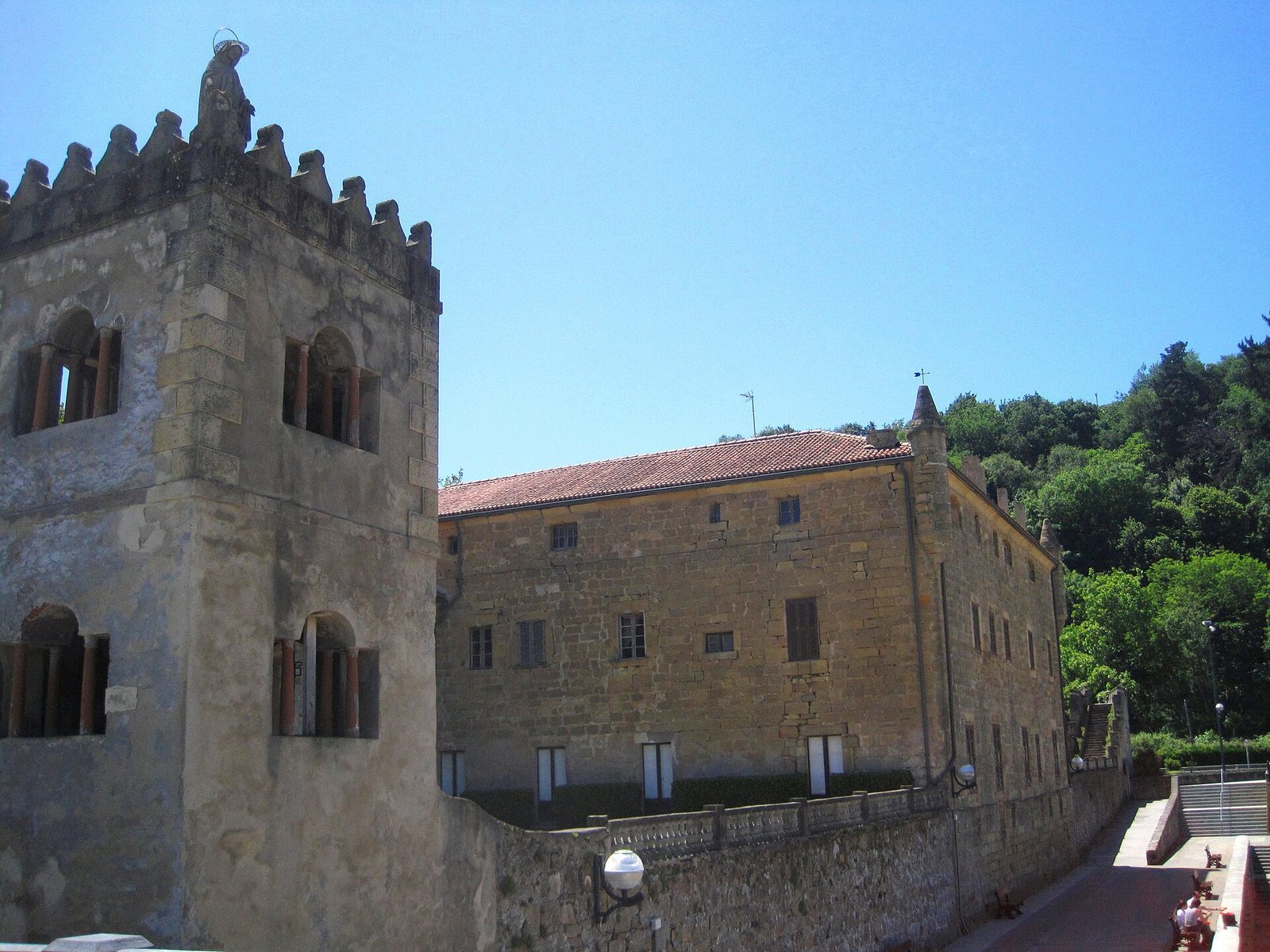
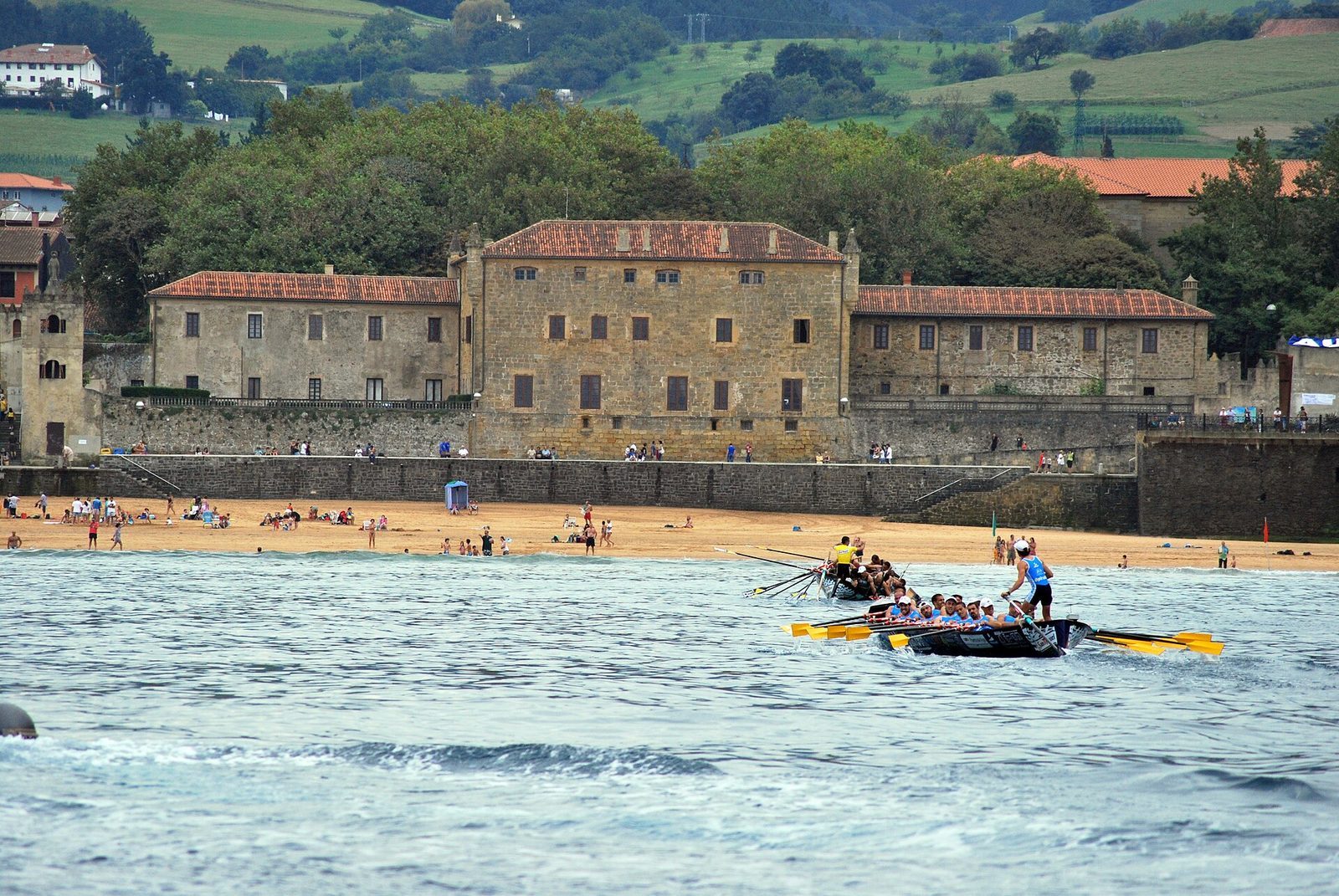
Narros Palace stands at Zarauz’s western entrance, opposite the church of Santa María la Real. Its grounds include an English-style garden, and side pavilions added during a nineteenth-century renovation extend along the building. A coat of arms on the façade carries the inscription Zarauz before Zarauz
, expressing the family’s claim to a lineage older than the town.
The Blue Salon is one of the palace’s sunniest rooms. Four full-length portraits by Diego Velázquez and his workshop were formerly kept there. Two, a portrait of Doña Antonia de Ipeñarrieta y Galdós with her son Luis and one of Don Diego del Corral y Arellano, were donated to the Prado Museum in 1905. A 1624 portrait of Philip IV is now at the Metropolitan Museum of Art in New York, while the portrait of the Count-Duke of Olivares is at the São Paulo Museum of Art.