Hollytrees Museum: An Eighteenth-Century House and Local History Museum
Site at a Glance
- Popularity
- Medium
- Country
- United Kingdom
- Primary era
- Early Modern
- Eras represented
- Early Modern
- Civilizations
- British
- Site type
- Domestic
- Remains
- House
On this page8 sections
History
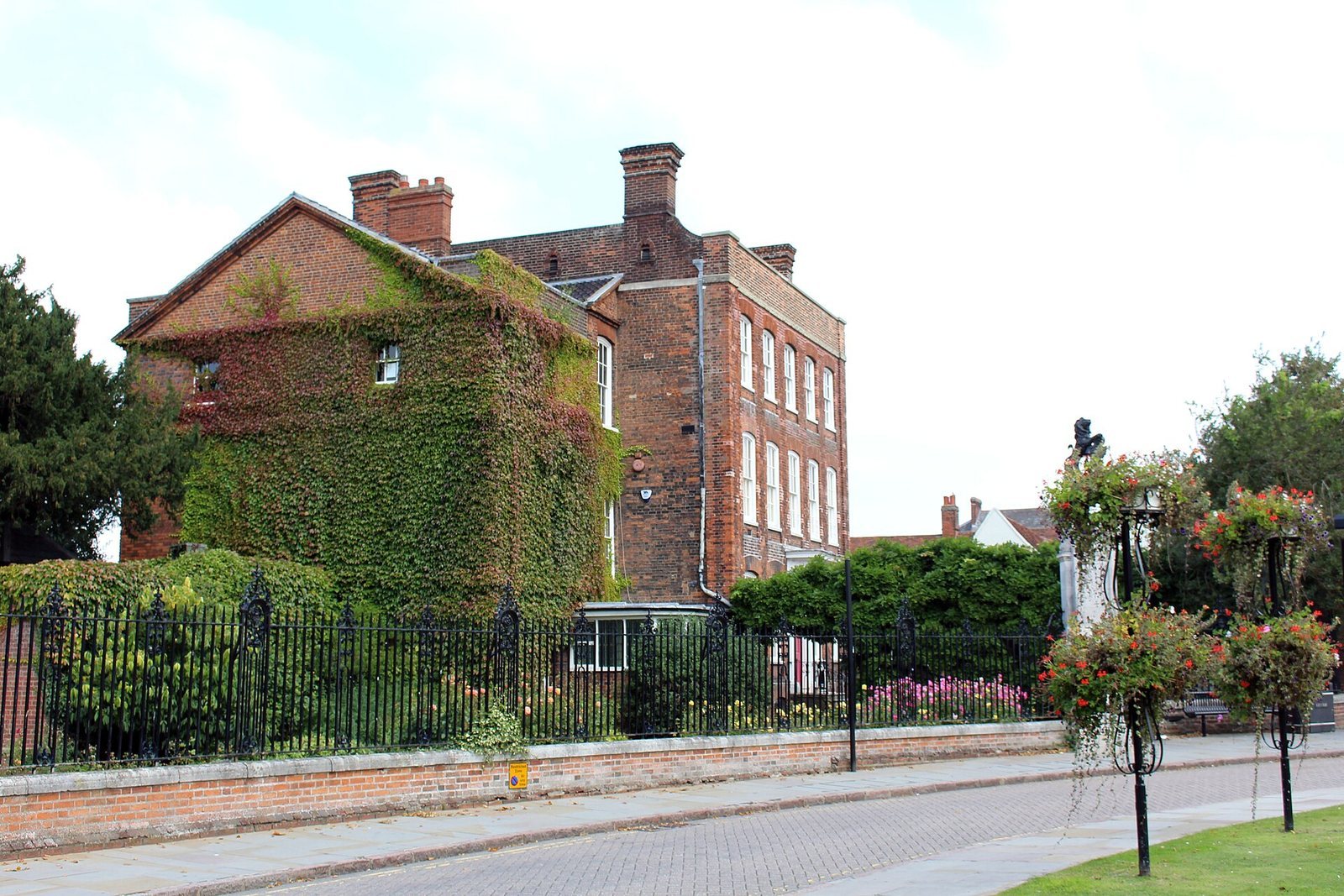
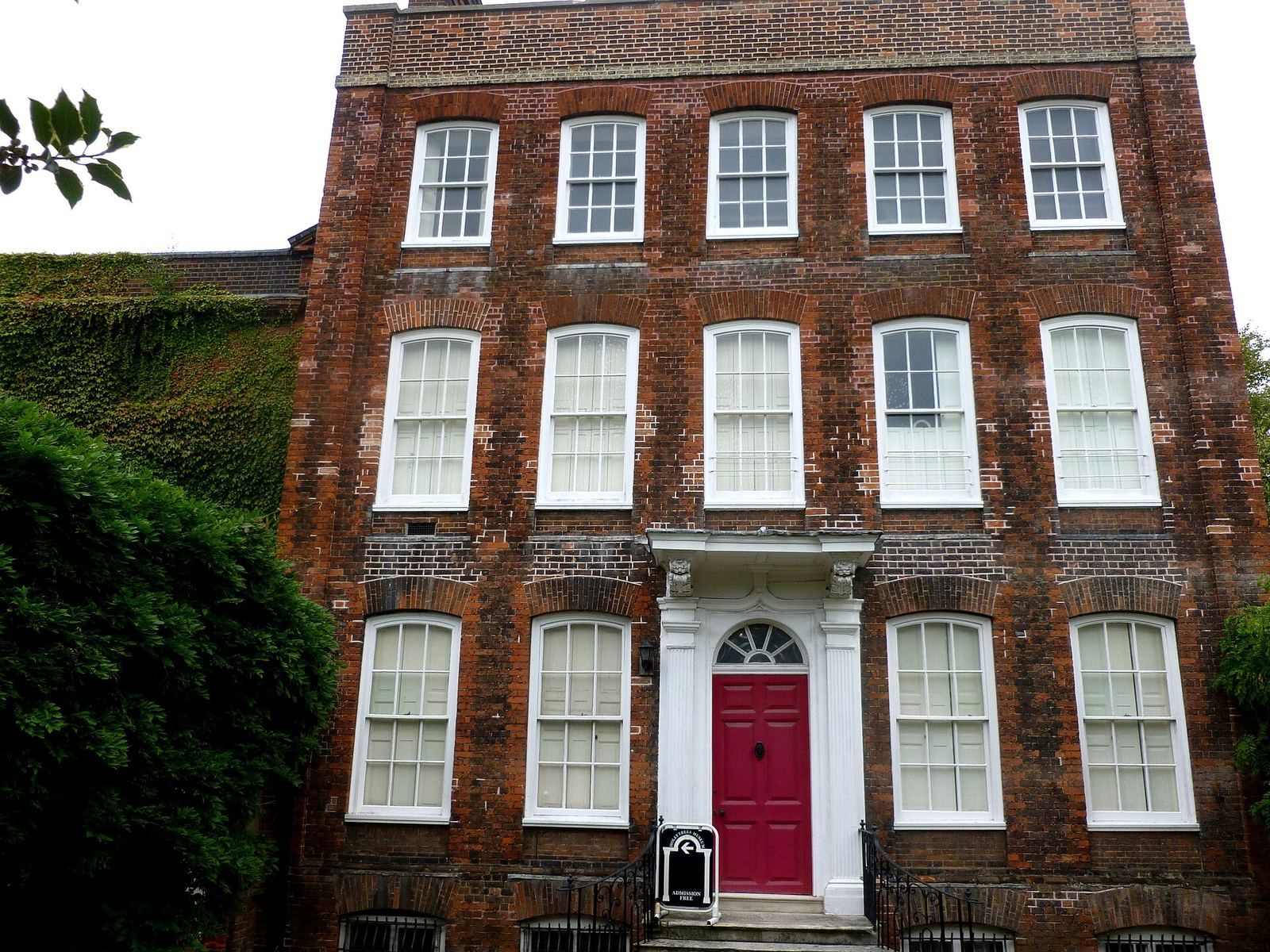
Hollytrees Museum is an eighteenth-century house in Castle Park, central Colchester, United Kingdom, now used as a museum of local history.
Symnells and the rebuilding
The first house on the site was called Symnells, after its owner, and later belonged to the Shaw family. Ownership passed from John Shaw to John Shaw III and then John Shaw IV. When John Shaw IV died while still a minor, the property came under the Court of Chancery, an English court that handled property and estate matters. His mother, Jane Lessingham, bought it, but died soon afterward.
Elizabeth Cornelisen bought the property from Lessingham’s executors and demolished the deteriorated house. Work on its replacement began on 10 May 1718. The building work cost £630, with brickwork and tiling charged separately, while the overall refurbishment was estimated at £2,000.
Creffeild and Round ownership
After Cornelisen’s death, the house passed to her niece Sarah Creffeild, née Webster. Sarah left it to her second husband, Charles Gray, and during his ownership it was known as “Esqr Creffield’s.” Ownership later returned to the Creffeild family. It passed through Thamer Creffeild to James Round, then to James’s brother Charles, Charles’s son Charles Gray Round, and finally Charles Gray Round’s nephew James Round.
From private residence to museum
The Round family sold the house to Colchester’s municipal governing body, the Corporation of Colchester, in 1922. Charles Round was the seller, and Viscount Cowdray, whose title denotes a rank in the British peerage, and his wife paid for the purchase privately. The house remained a private residence until it became a museum in 1929. Hollytrees is publicly owned and has Grade I listed status, England’s highest category for buildings of exceptional interest.
Remains
The site is centered on an eighteenth-century house and its grounds in Castle Park, close to Colchester Castle.
The house and museum collection
House and grounds
Two holly trees planted in the grounds by Charles Gray in 1729 gave the house its name.
Antique clocks
The museum’s collection includes antique clocks transferred in 2011 from Tymperleys Clock Museum when it closed.