Church of St Vitus, Rusovce: A Renaissance Church in Slovakia
Site at a Glance
- Popularity
- Very Low
- Country
- Slovakia
- Primary era
- Early Modern
- Eras represented
- Medieval, Early Modern
- Civilizations
- Hungarian
- Site type
- Religious
- Remains
- Church
On this page9 sections
History
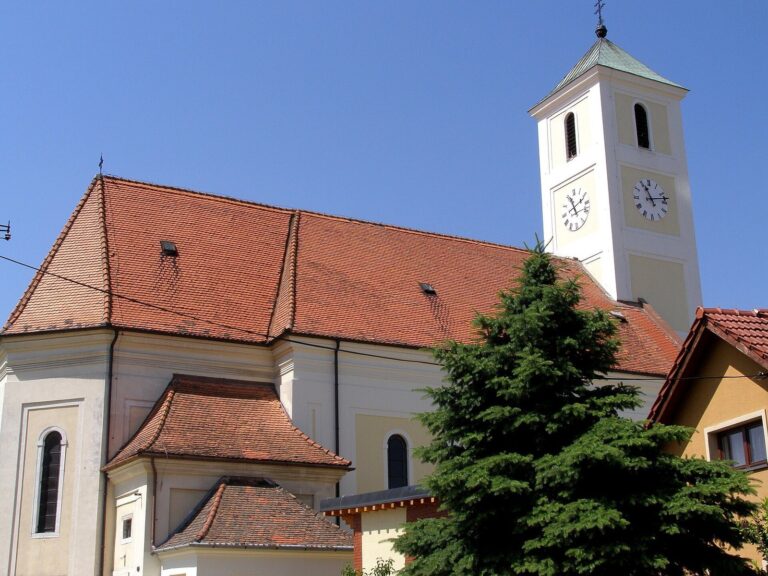
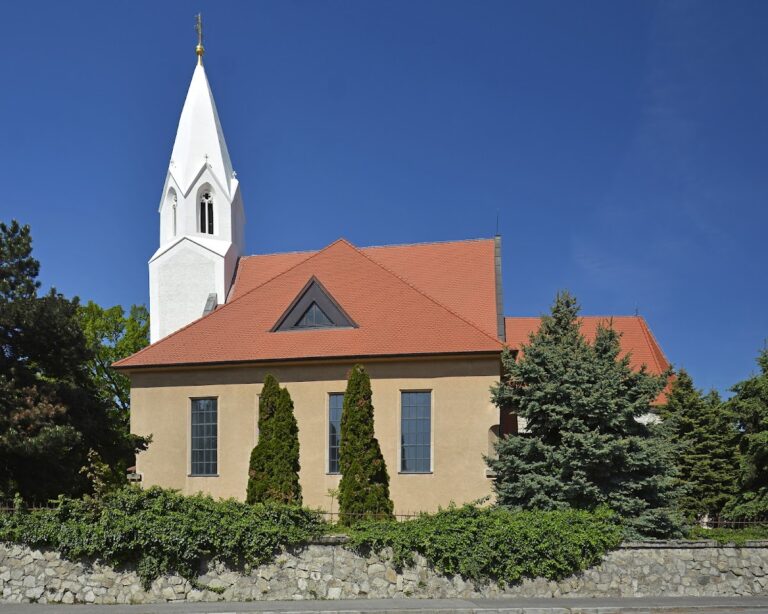
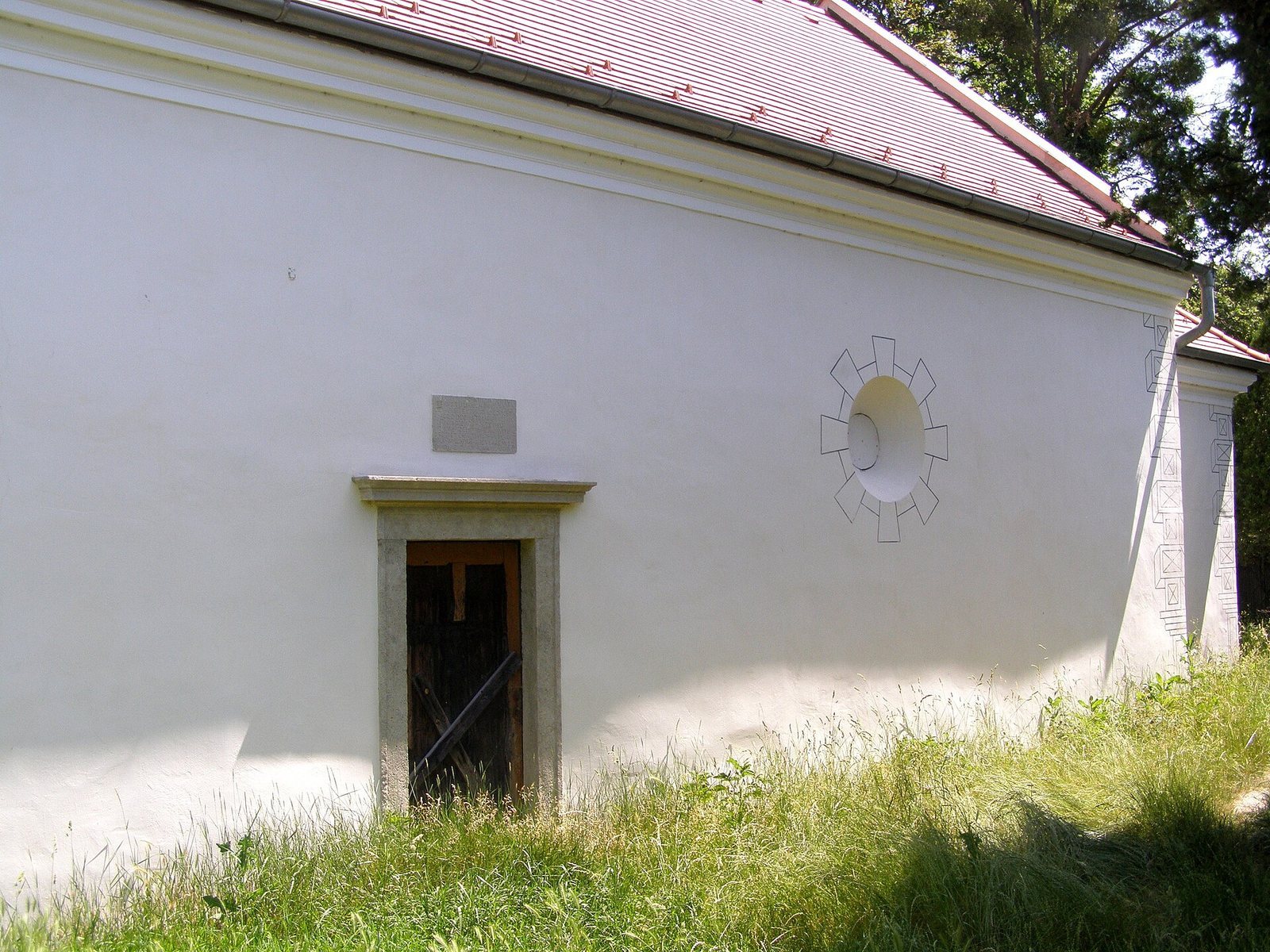
The Church of St Vitus, Rusovce, stands in Rusovce, Slovakia. It is a Renaissance church built in 1613 and is regarded as Rusovce’s oldest sacred architectural monument and one of Bratislava’s important monuments. Renaissance architecture drew on the forms and principles of classical antiquity.
Roman and medieval origins
The church’s origins are thought to reach back to the late Roman period. A Romanesque church, built in a medieval architectural style, was recorded at the site in 1208.
Renaissance foundation
A Latin inscription above the south portal identifies the Rusovce parish priest Peter Tisliarich as the church’s founder. It records that he acted with the consent of Demeter Napragi, then Archbishop of Kalocsa, a senior bishop associated with an archdiocese.
Later changes and protection
The building underwent structural alterations over the centuries, some of which harmed it. A major rebuilding in the 1950s emptied the church and deconsecrated it, after which it was used to store books. It has not been used for worship since. Valuable furnishings were lost or destroyed, though some objects were later rediscovered.
The church was designated a Slovak National Cultural Monument on 11 December 1985. It belongs to the Roman Catholic Church within the Bratislava Archdiocese and Rusovce parish.
Remains
Church architecture
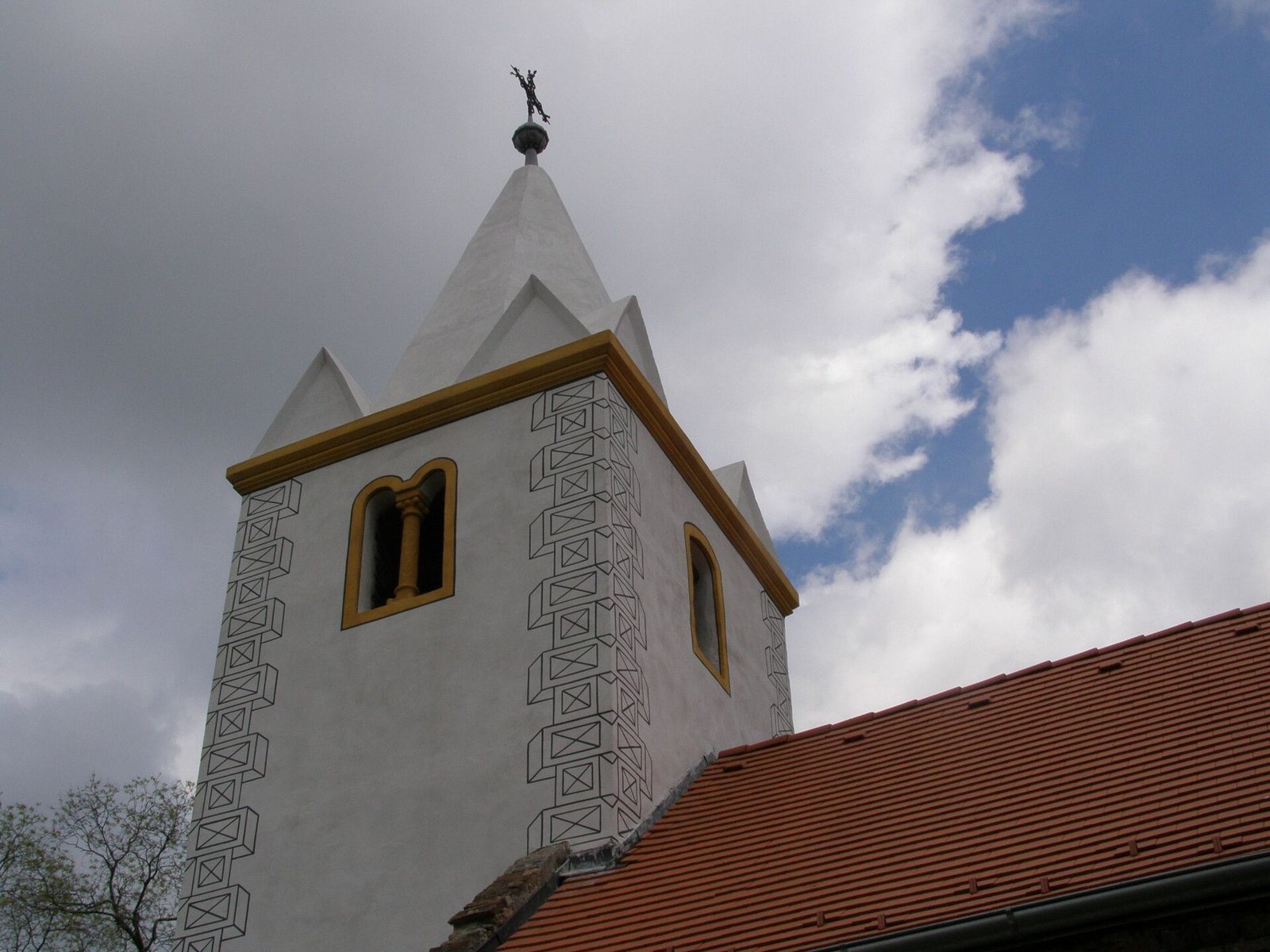
The stone church stands beside the main road in the southern part of the park belonging to the Rusovce manor. Its simple plan consists of a single nave, the main body of the church, and a presbytery, the area around the altar, with a square tower projecting from the front.
Tower and roof
The tower rises 17 metres and rests on two massive pillars. Restoration work has completed the tower and the building’s roof, while reconstruction of the nave and interior remained outstanding.
Nave and presbytery
The presbytery has a cross vault, formed by intersecting vaulted sections. The nave is covered by a roof with two sloping sides.
Burials and recovered furnishings
Archaeological investigation beneath the church floor revealed four graves. Three date to the modern era, while one belongs to the fourth century. Among the furnishings later rediscovered was a rare triptych, a three-panel altarpiece, depicting the Martyrdom of St Vitus.