Burgholz Castle Ruins: Remains of a Medieval Noble Castle
Site at a Glance
- Popularity
- Very Low
- Country
- Germany
- Primary era
- Medieval
- Eras represented
- Medieval
- Civilizations
- Holy Roman Empire
- Site type
- Military
- Remains
- Castle
On this page8 sections
History
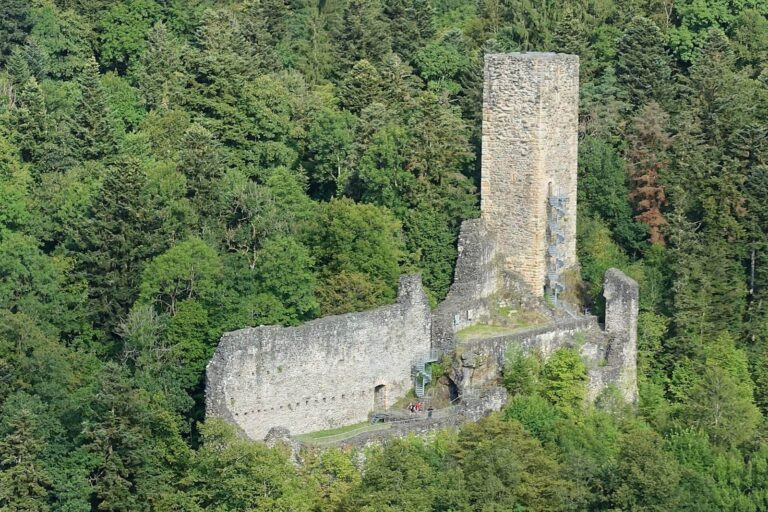
Burgholz Castle Ruins are the remains of a noble castle near Schopfheim, Germany, probably built around 1250.
Neuenstein and changing lordship
Burgholz may have been the castle of Neuenstein, which belonged to the Lords of Stein by 1283. On 19 November 1400, Margrave Rudolf III of Hachberg-Sausenberg, a territorial ruler in the Holy Roman Empire, bought the lordship of Neuenstein, including the fortress called Nüw Stein. The sellers were Anna von Klingenberg and her son Albrecht, the widow and son of Rudolf von Schönau, who had died at the Battle of Sempach, a major medieval conflict between the Swiss Confederacy and Habsburg forces.
Steineck and the later name
The castle later became known as Steineck. In the 16th century, Margrave Christoph of Baden granted Apollinaris Höcklin the Sattelhof settlement and the nearby castle as a fief. The castle was described as a ruin at that time, indicating it had already fallen into disrepair. After the Höcklin family was ennobled, it took the name Höcklin von Steineck. The name Burgholz has been used for the ruin since the 17th century.
Remains
Hilltop complex
Layout
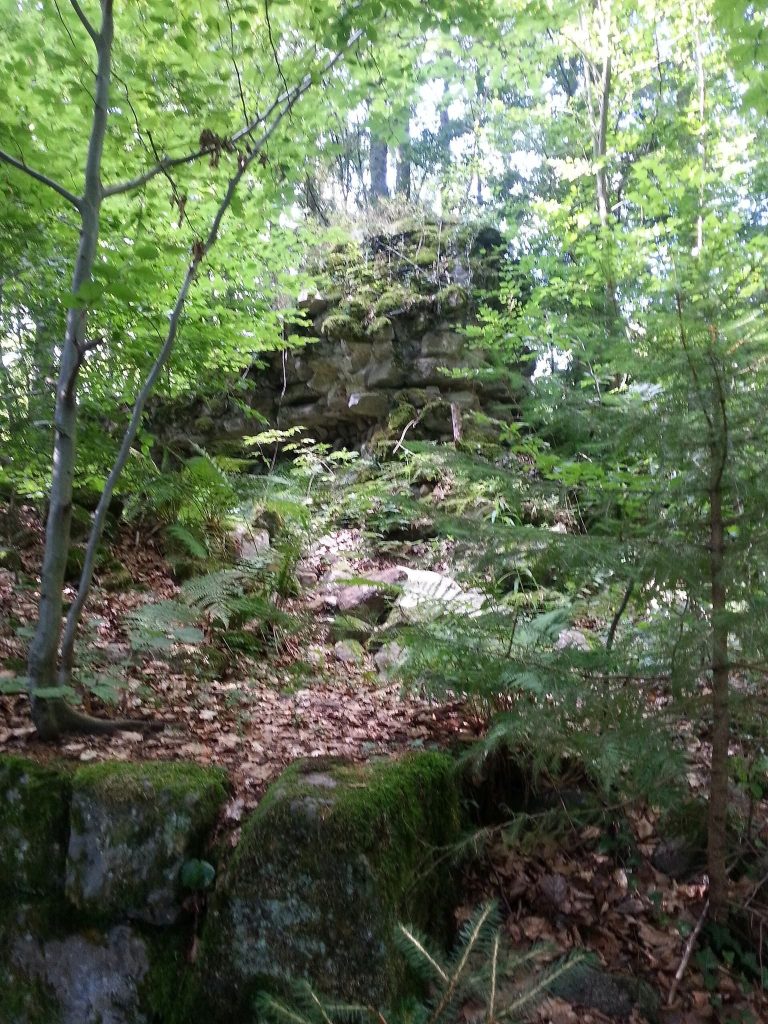
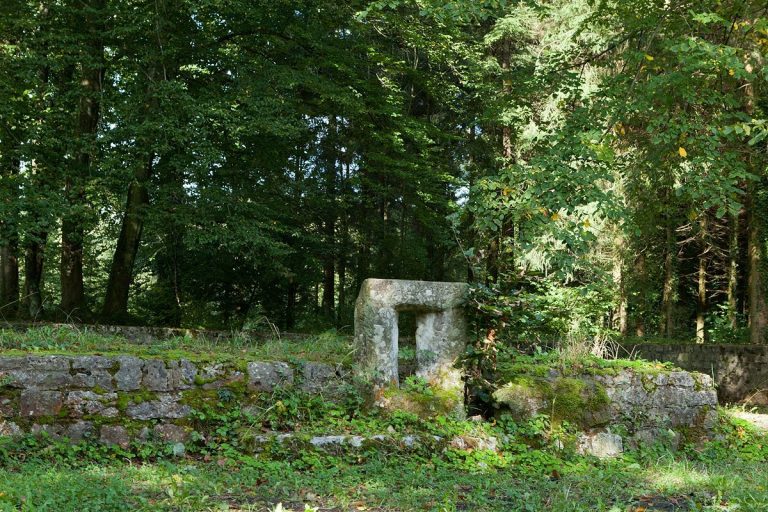
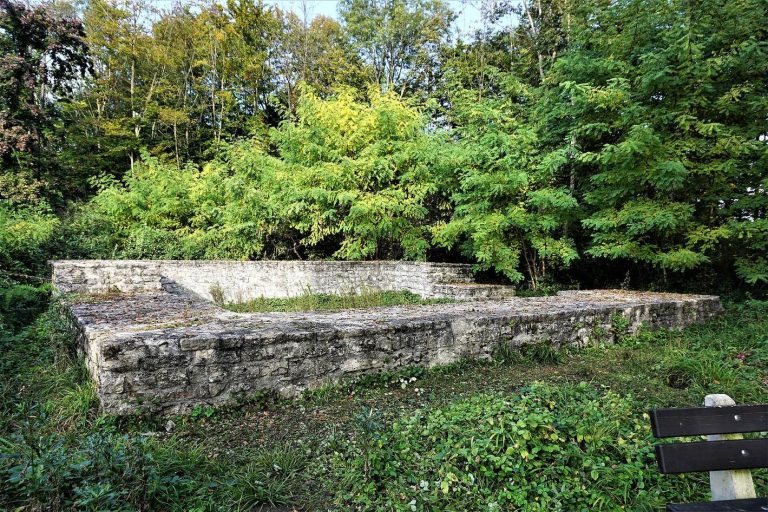
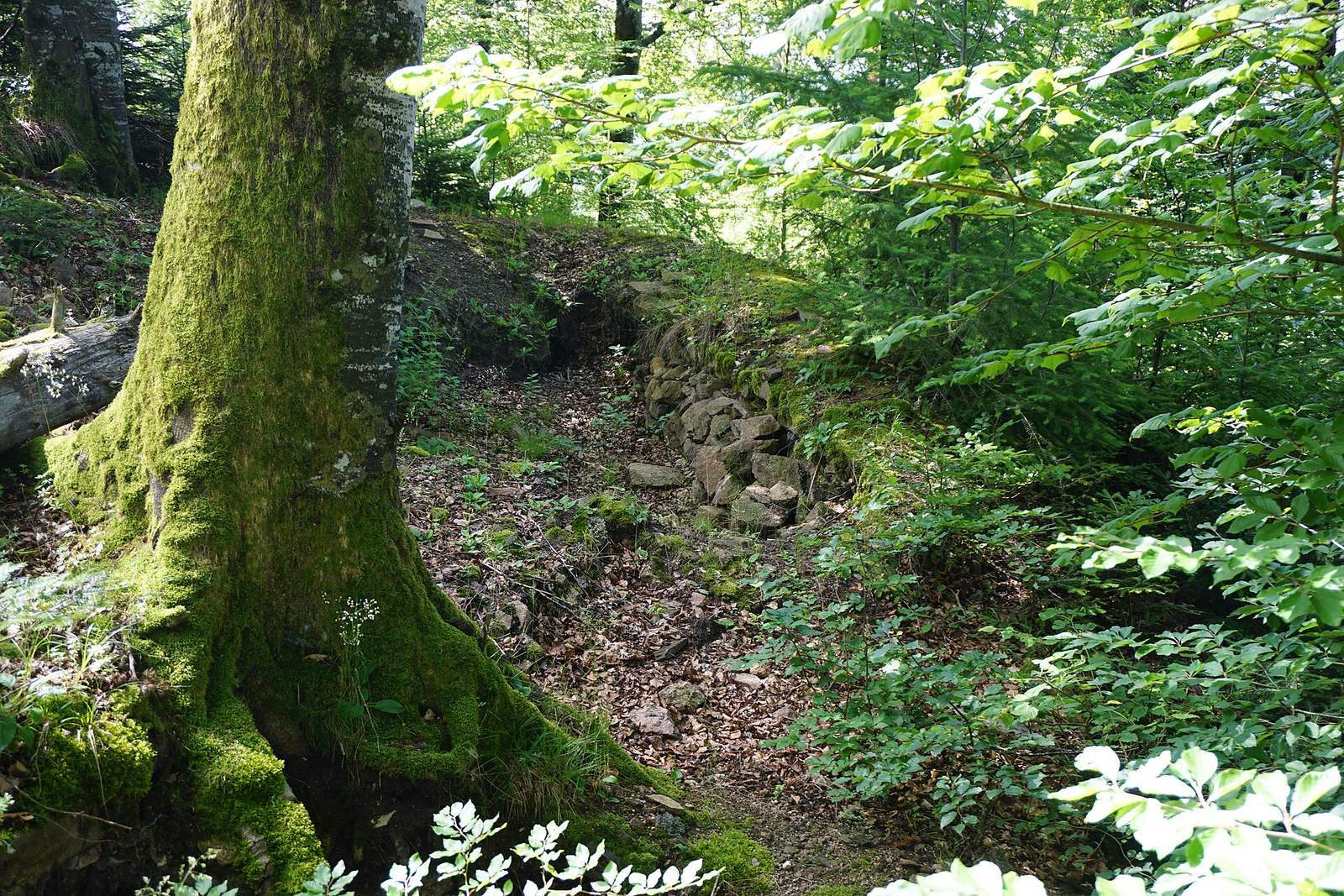
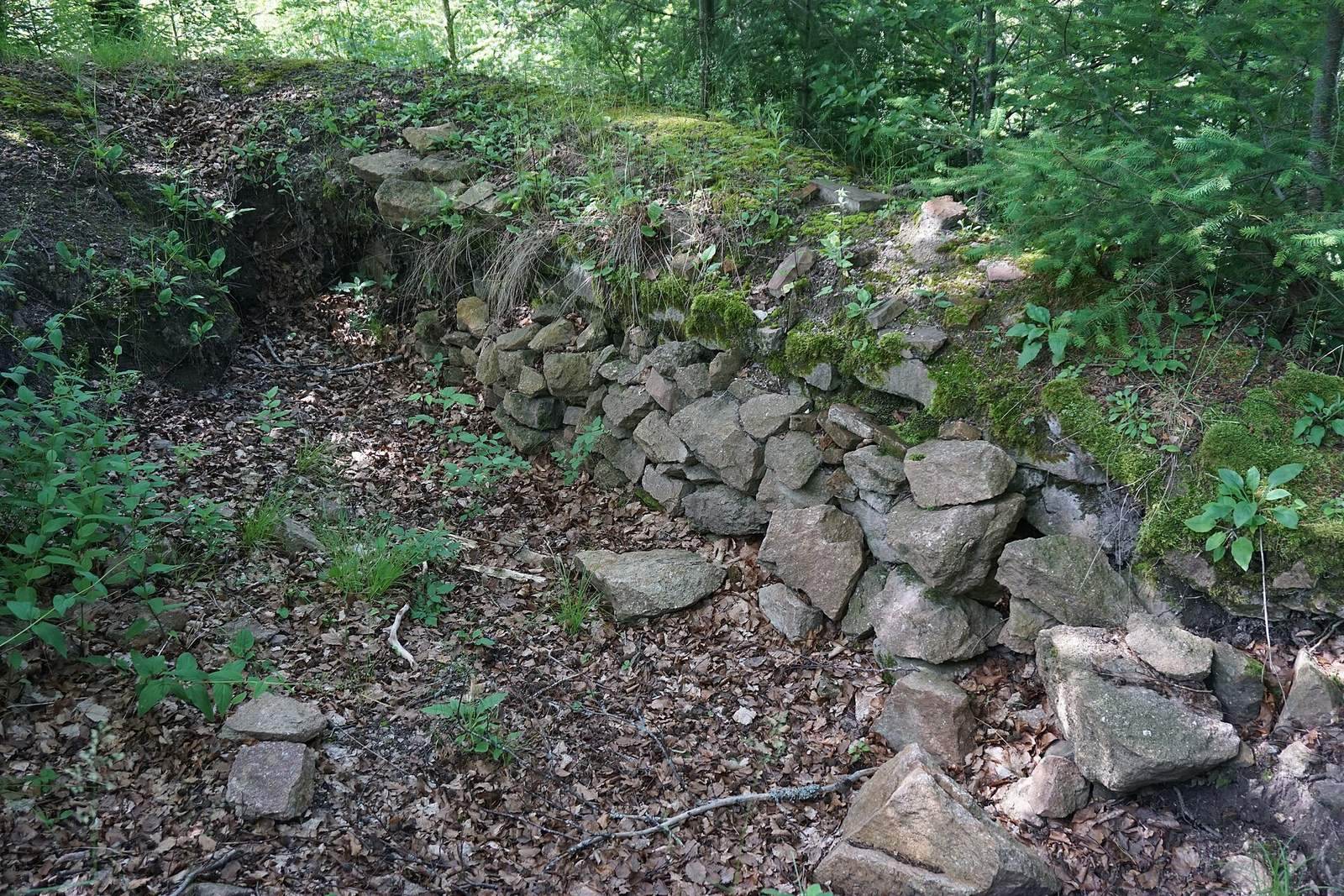
The extensive castle complex occupied a hill 663 metres above sea level, about 1,150 metres southeast of Raitbach, now part of Schopfheim. It comprised a central stronghold and enclosed outer sections to the north and south. The surviving features include a castle mound, masonry remains, and an oval ditch bordered by an outer rampart.
Northern defenses
Construction of a road and a timber-haul road destroyed parts of the northern outworks. Near the road connecting Raitbach and Schweigmatt, the northern neck ditch, a defensive ditch across the hilltop approach, measures 5 metres wide and 6 metres deep.
Central stronghold
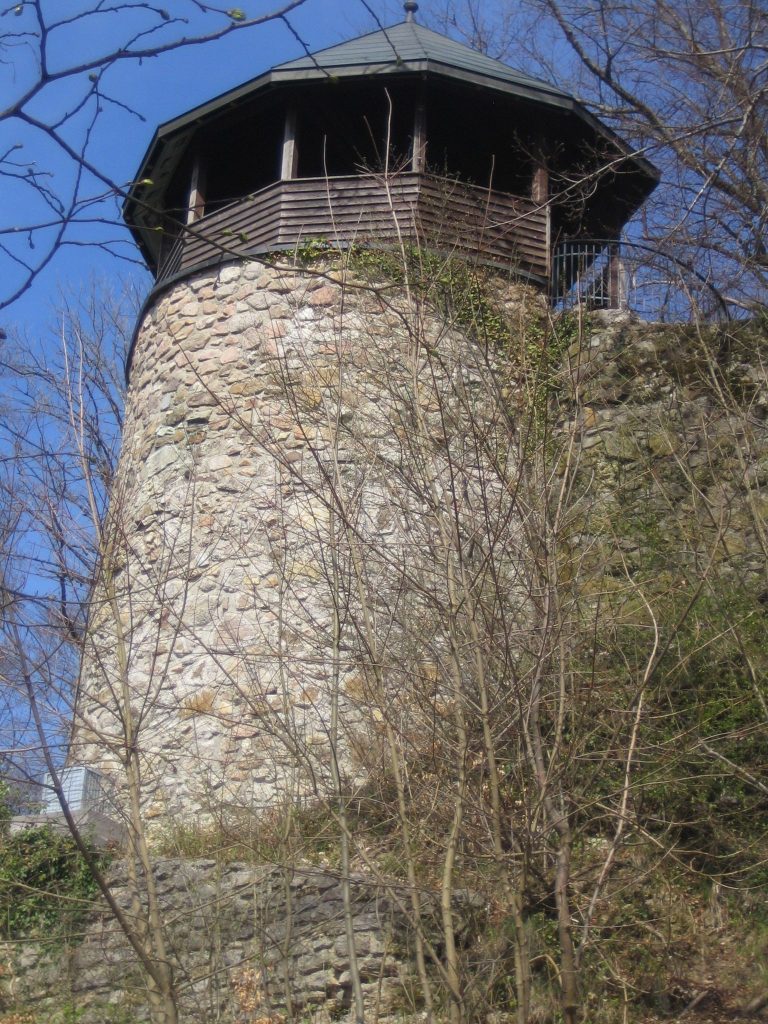
The core castle probably contained a round tower and an elongated building.