Hall’s Croft: The Home of Susanna and John Hall
Site at a Glance
- Popularity
- Medium
- Country
- United Kingdom
- Primary era
- Early Modern
- Eras represented
- Early Modern, Modern
- Civilizations
- British, English
- Site type
- Domestic
- Remains
- House
On this page11 sections
History
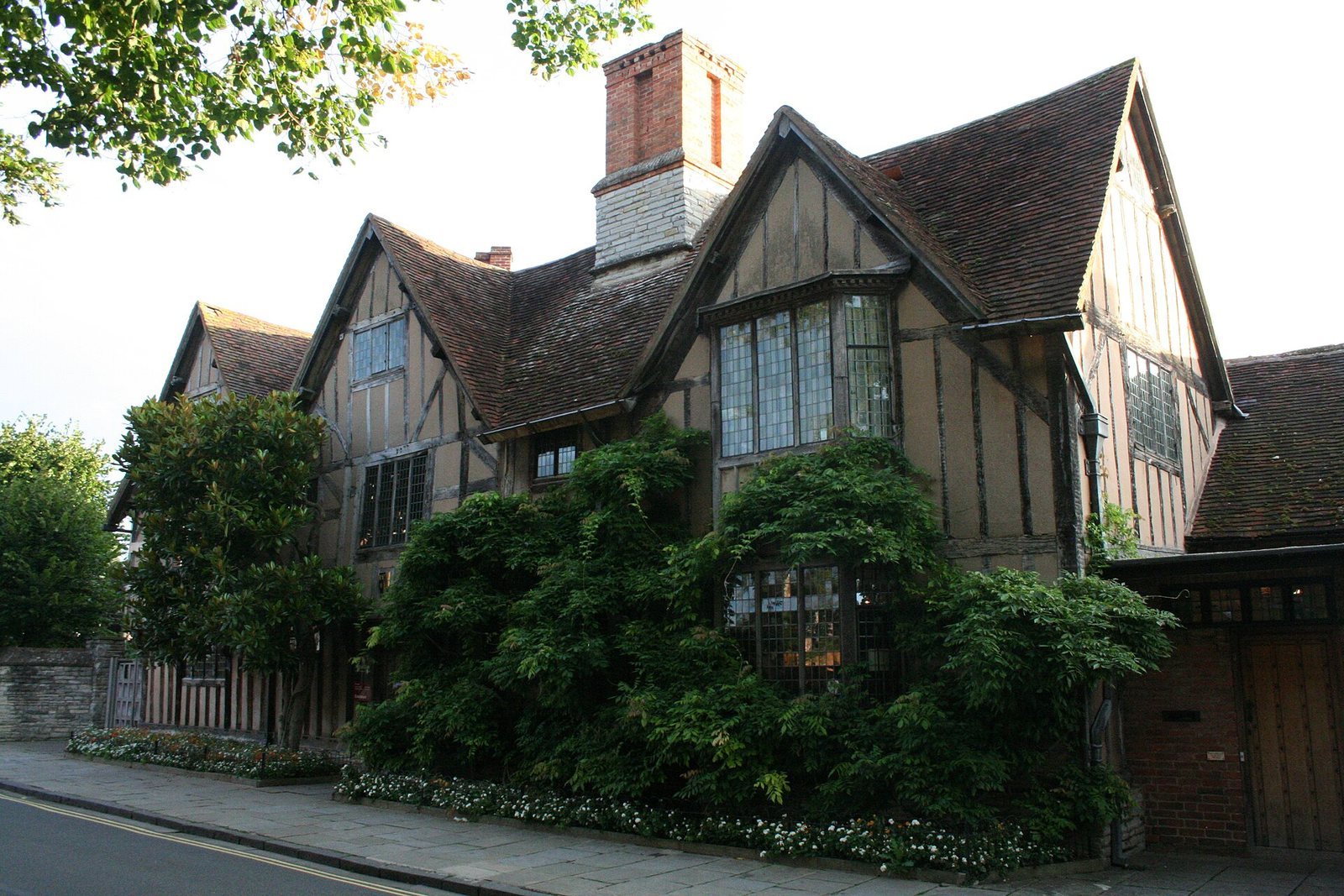
Hall’s Croft is a house in the United Kingdom, built in 1613 during the early Stuart period, which began in 1603. It became the home of Susanna Hall, daughter of English playwright and poet William Shakespeare, and her husband, physician John Hall.
Susanna and John Hall
Susanna and John married in 1607. They may first have lived at John’s house on Evesham Way or at New Place before moving into Hall’s Croft around 1613–15. Their daughter Elizabeth was probably born there. The couple lived in the house until early 1616, when they moved to New Place, which Susanna inherited, shortly before Shakespeare died in April. They kept Hall’s Croft, later leasing it and selling it to Richard Smith before 1631. Smith made his final rent payment for the property in 1632.
Smith family ownership
The property probably passed to Anthony Smith, likely Richard’s son, by 1637. Anthony had moved into the house in 1634. When he died in 1646, his son Henry inherited it. Henry sold the property to Richard Walker in 1675, although his brother Richard may have rented out parts of it while Walker was the owner.
After their uncle Henry died around 1691, William Smith retired to Hall’s Croft. His second wife, Susanna Hurdis, stayed after his death in 1708. The property then belonged to William’s brother Isaac, who sold it to Thomas Woolmer in 1712, ending the Smith family’s ownership.
Schools and later residents
Thomas Umbers bought Hall’s Croft in 1833 and ran a Stratford-on-Avon legal business with his nearby brother-in-law, Henry Best Sowdon. Umbers retired to Cheltenham in 1849. The following year, he leased the house to Thomas Egremont Gee for use as Cambridge House School. It closed in 1852. The Revd John George Rablah Stephenson and then the Revd Henry Valentine Scriven occupied the house; Scriven reopened the school in 1858.
By June 1868, tenant Marian Stuart had turned the school into a girls’ school. In 1881, she lived there with her three daughters and eight boarders; the school closed in 1883. A cellar fire in 1872 caused no structural damage. Umbers had died in 1854, and his executors sold the property to John and Harriet Lane in 1869.
Later residents included George Bernard Shaw, novelist Marie Corelli and Catherine Croker. The name ‘Hall’s Croft’ was first recorded during Croker’s residence. A croft is a small enclosed area of farmland or pasture associated with a house. In the twentieth century, Josephine and Betty MacLeod removed several nineteenth-century alterations, including the house’s render.
Restoration and museum
In June 1949, owner Lady Elizabeth Montagu sought to sell Hall’s Croft, and the Shakespeare Birthplace Trust bought it on 3 November that year. A building survey assessed repair needs, and restoration began in 1950. Work was complete by spring 1951, when the house opened to the public for the Festival of Britain, a national exhibition held that year. Hall’s Croft and its attached garden wall have been Grade I listed since 25 October 1951, the highest listed-building category in England.
The Shakespeare Birthplace Trust manages the property as a museum. In October 2025, an accidental car crash damaged the house while conservation work was under way.
Remains
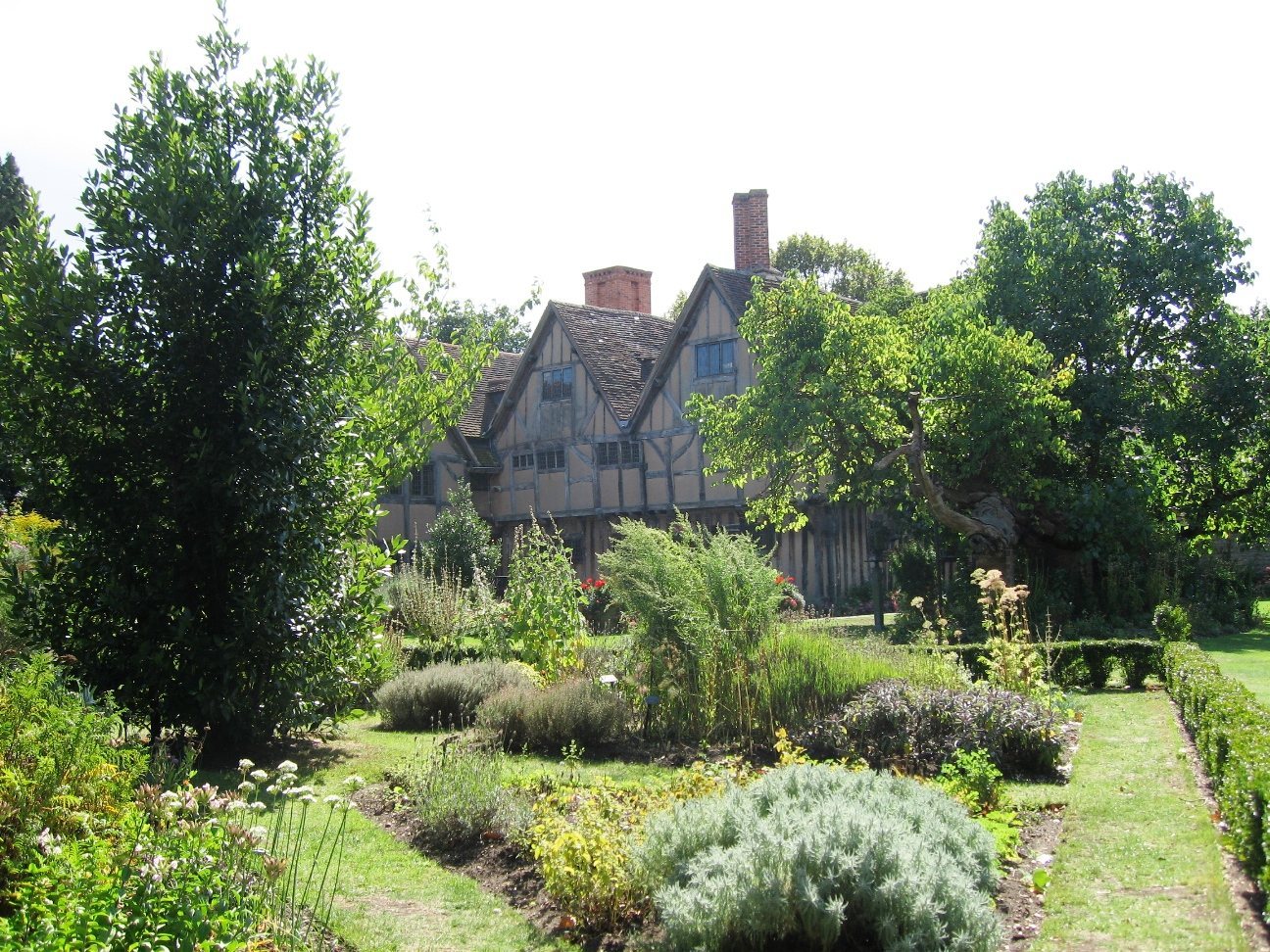
The two-storey house stands at the corner of Old Town and Church Street, near Holy Trinity Church and King Edward School. Its front is timber-framed, meaning that a structural framework of timber forms the building’s frame. An enclosed, walled garden lies behind the house.
House and grounds
Extensions and interior structure
An oak extension, probably completed around 1631, added a stable block and kitchen. Henry Smith added the back hall and landing between 1653 and 1678, and built the master bedroom between 1670 and 1680.
Schoolroom and playground
A schoolroom and playground had been added by 1859, reflecting the house’s use as a school during the nineteenth century.
Walled garden
The garden contains a variety of plants. Some may have been used by John Hall in his medical treatments.
Collections and medical displays
The house contains paintings and furniture dating from the sixteenth and seventeenth centuries. Medical displays include surgical instruments that belonged to John Hall and explain practices from the Tudor period, which preceded the Stuart dynasty, and the early Stuart years. An exhibited book containing Hall’s medical notes was published in 1657.