Madách Mansion: The Home and Literary Museum of Imre Madách
Site at a Glance
- Popularity
- Low
- Country
- Slovakia
- Primary era
- Early Modern
- Eras represented
- Early Modern, Modern
- Civilizations
- Habsburg, Hungarian
- Site type
- Domestic
- Remains
- Manor House
On this page12 sections
History
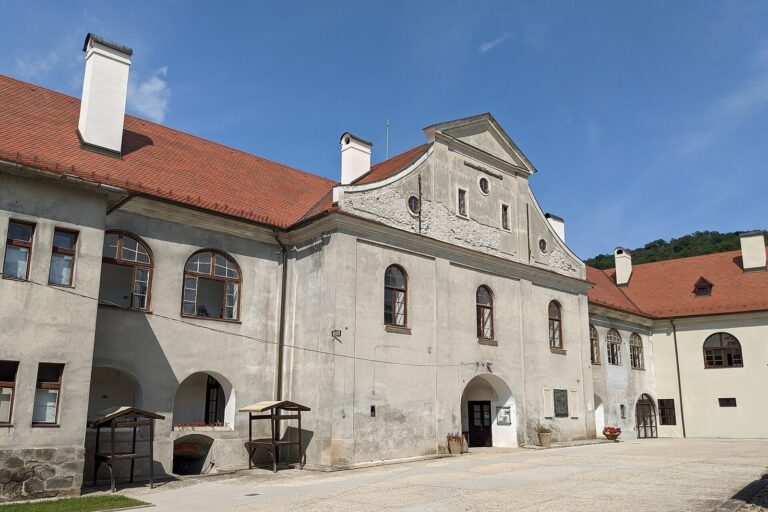
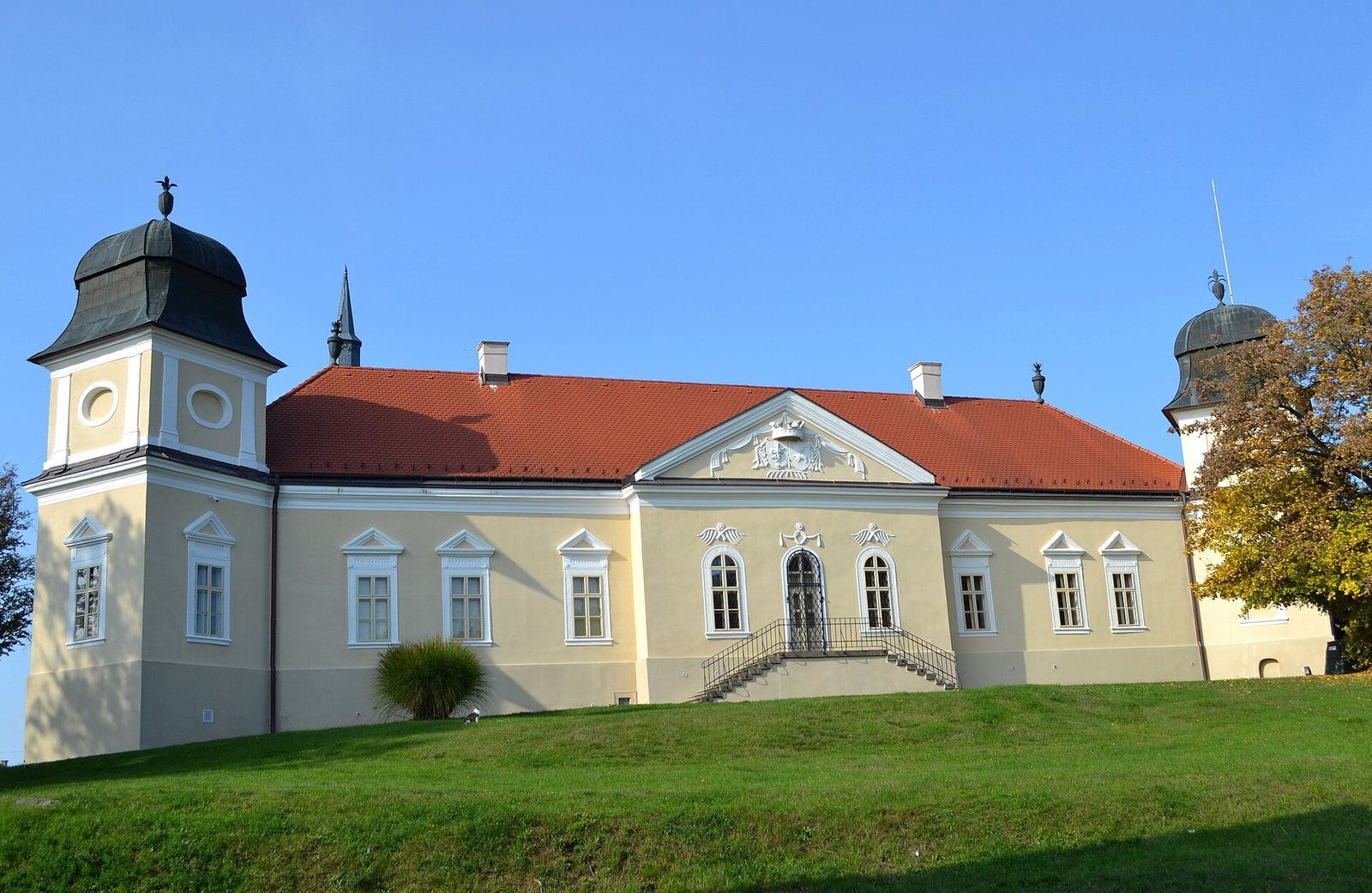
Madách Mansion is a historic country residence in Dolná Strehová, Slovakia, associated with the Hungarian writer and dramatist Imre Madách. The mansion took shape in the late 18th century and reflects Baroque architecture, known for elaborate dramatic effects, with later Neoclassical alterations inspired by ancient Greek and Roman forms. It has also been characterized as a Baroque manor on Renaissance foundations, a style that drew on classical design.
The family estate and rebuilding
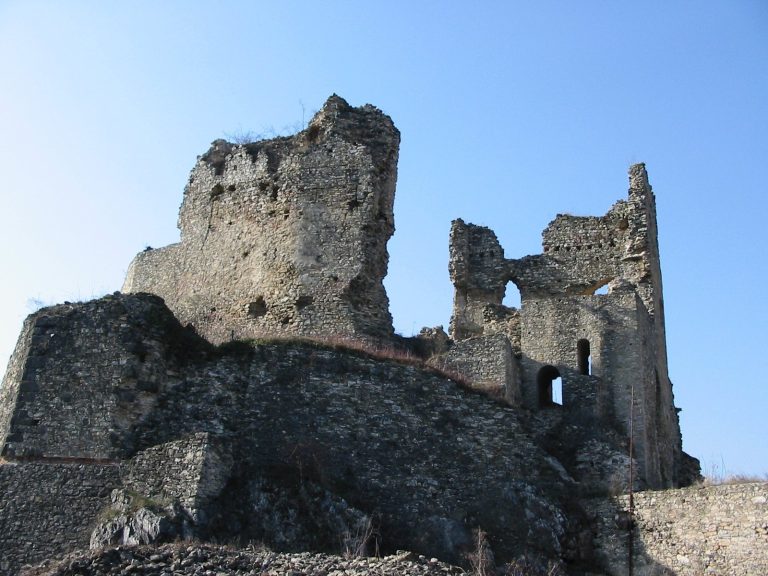
Dolná Strehová had belonged to the Madách family since the 15th century. The origins of a castle on the estate, separate from the mansion now visible, are placed around the 16th century. It burned in 1717 and was repaired, then suffered another fire in 1758. The older castle was still standing in 1883.
The present mansion is believed to have been begun in the late 18th century by Sándor Madách, Imre’s grandfather. Sándor is also credited with recovering the so-called New Castle and part of the estate for the family and starting repairs. His son, Imre Madách Sr., completed the work and landscaped the grounds.
Imre Madách’s home and work
Madách was born at the mansion and spent his childhood and youth there until 1844. He returned in 1854 and remained until his death in 1864. The house was also a place of work: he wrote major works there, including The Tragedy of Man. He completed the final version of the play between February 17, 1859, and March 26, 1860.
Madách was first buried in the village cemetery. In 1936 his remains were exhumed and reinterred in a burial vault in the mansion park.
From literary museum to memorial
A literary museum opened in the mansion in 1964, commemorating Madách and other writers from the region. It later became a museum focused on Madách. In 2003 the mansion became part of the Museum of Hungarian Culture in Slovakia. An exhibition of János Kass’s illustrations for The Tragedy of Man opened that year, followed in 2004 by illustrations by Mihály Zichy; the collection later expanded.
Restoration campaigns took place in 1984, 1996, and 2012, and the literary exhibition reopened in 1996. A permanent memorial exhibition devoted to Madách opened in the mansion on March 26, 2014.
Remains
The surviving complex brings together a two-towered mansion, exhibition rooms on its ground floor, and a park containing Madách’s tomb memorial.
The mansion and its exhibitions
Building form
The mansion stands on a low hill beside the village’s Lutheran church. Its two Baroque towers give the building a distinctive form. The manor is also characterized as resting on Renaissance foundations, reflecting the building’s layered architectural history.
The Lion’s Den and period rooms
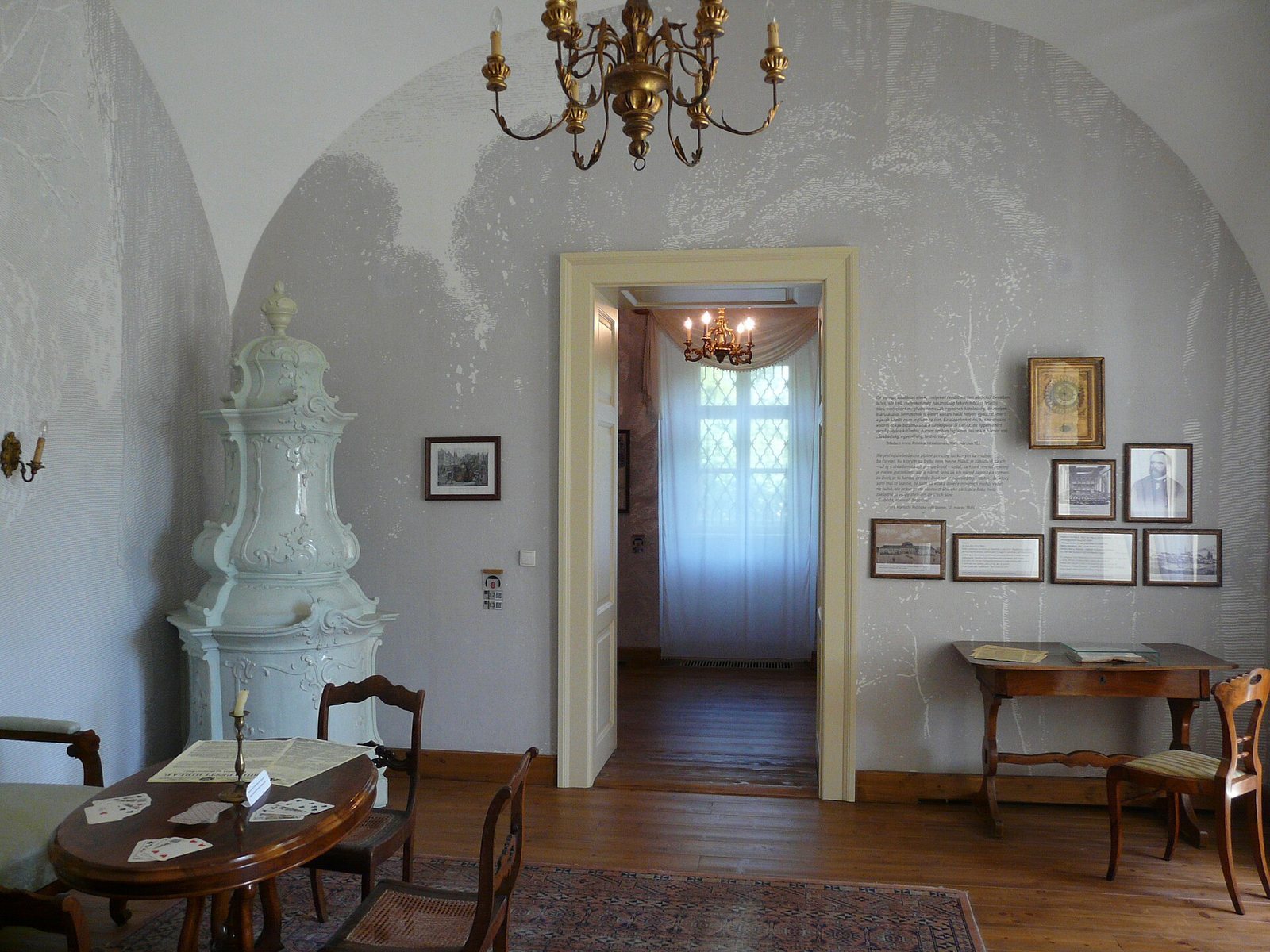
At the entrance, an exhibit recreates Madách’s living and study room, which he called the “Lion’s Den.” It includes a desk in period style. Two or three further rooms contain period furniture, interior displays, and pictures, accompanied by short descriptions in Hungarian and Slovak. Most of the furnishings are period-style pieces rather than possessions of the Madách family.
The play exhibition
A second part of the exhibition presents the plot and main ideas of The Tragedy of Man through its 15 scenes. It follows Adam, the first human in the biblical creation story and a central figure in the play, and includes selected quotations, recordings of earlier performances, models of stage sets, and illustrations.
The park and tomb memorial
Park features
The park was renovated in 2020 with new walking paths, a rose pergola, and an interactive educational trail about local wildlife.
Tomb memorial
In a more distant part of the park, Madách’s restored tomb memorial is marked by a bronze sculpture by Alajos Rigele. The sculptor depicts Adam with his arms raised toward the sky.