Béinchen Bridge: A Defensive Crossing at Luxembourg Fortress
Site at a Glance
- Popularity
- Very Low
- Country
- Luxembourg
- Primary era
- Early Modern
- Eras represented
- Early Modern, Modern
- Civilizations
- French
- Site type
- Military
- Remains
- Fortified Bridge
On this page6 sections
History
Construction and military use
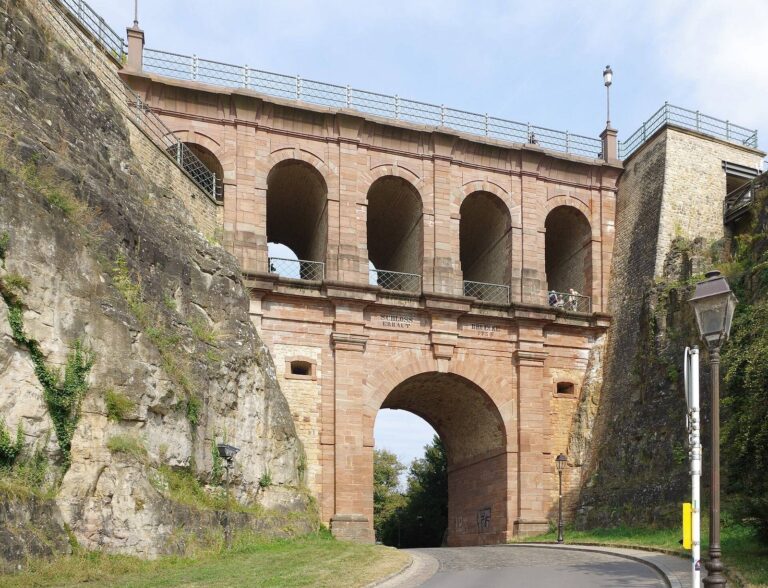
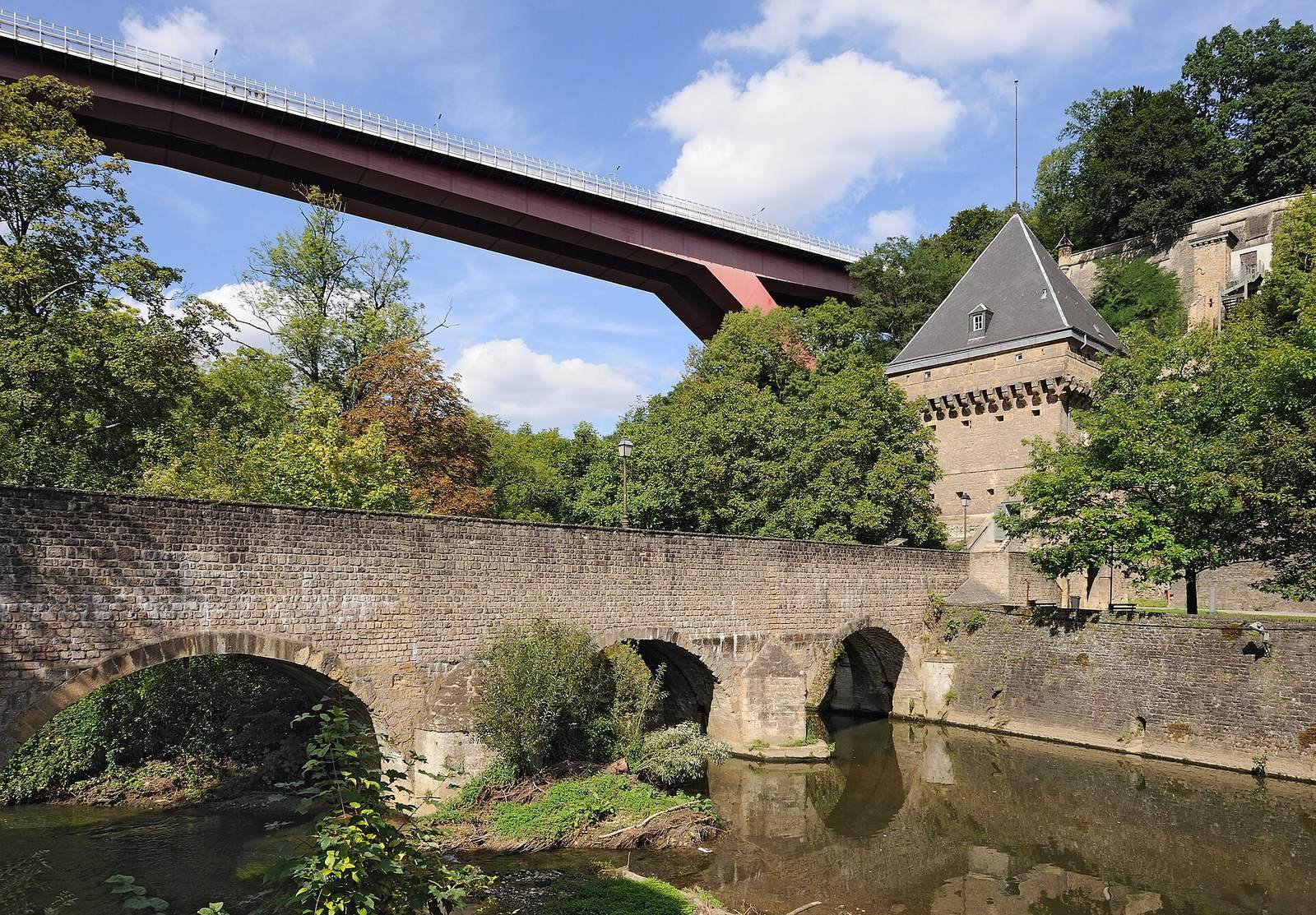
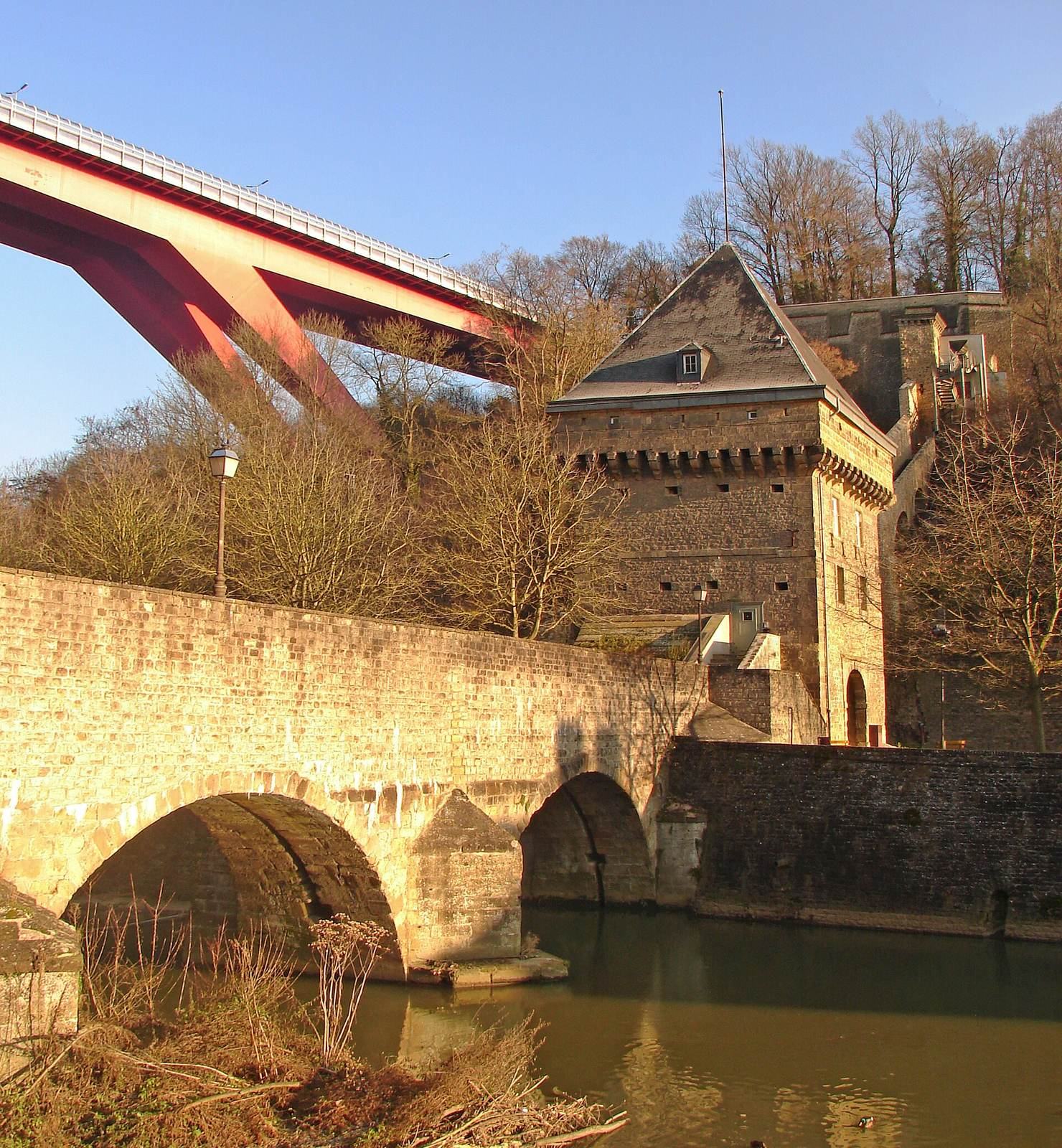
Béinchen Bridge is a stone pedestrian crossing over the Alzette in Pfaffenthal, north of Luxembourg City, Luxembourg. In 1684, a fortified barrier and connecting wall were built across the river to plans by French military engineer Sébastien Le Prestre de Vauban. The barrier formed part of the outer defenses of Luxembourg Fortress.
Conversion and preservation
After the fortress began to be dismantled following 1867, the barrier was converted into a public pedestrian bridge. In popular usage it became known first as Vauban Bridge and later as Béinchen.
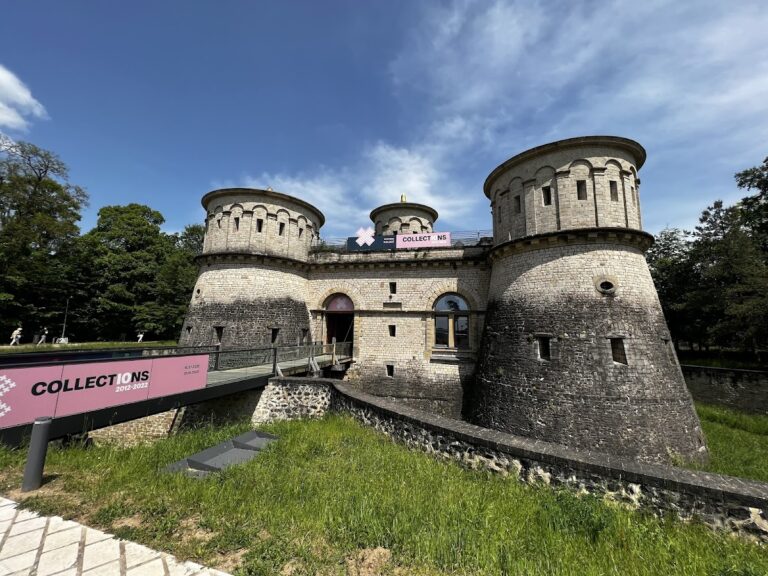
In the 1990s, Luxembourg’s national sites and monuments service began restoration work on the bridge, its ditches, the gate towers known as the Vauban towers, and the ravelin before Eichertor. Since 1994, the bridge and Vauban towers have been included with other remains of the former fortress on the UNESCO World Heritage List.
Remains
Bridge and river barrier
The stone bridge crosses the Alzette on three arches, the feature reflected in the name Béinchen. Its original defensive barrier extended about 100 metres and was divided into three bays. Two walls, each roughly three metres high, ran along the upstream and downstream sides, with a wooden walkway between them. The walls had firing slits and were lowered to about one metre after 1867. An oak grating could be lowered at the arches into the river to block passage into or out of the city by water.
Associated fortifications
The bridge lies between the Siechentor and Eichertor gate towers. The wider defensive complex also includes ditches and a ravelin, an outlying fortification built before a defensive work, in front of Eichertor.