Beauregard Castle in Saint-Péray: A Manor, Prison, and Wine Cellar
Site at a Glance
- Popularity
- Low
- Country
- France
- Primary era
- Early Modern
- Eras represented
- Early Modern, Modern
- Civilizations
- French
- Site type
- Domestic
- Remains
- Castle
On this page9 sections
History
Manor and state prison
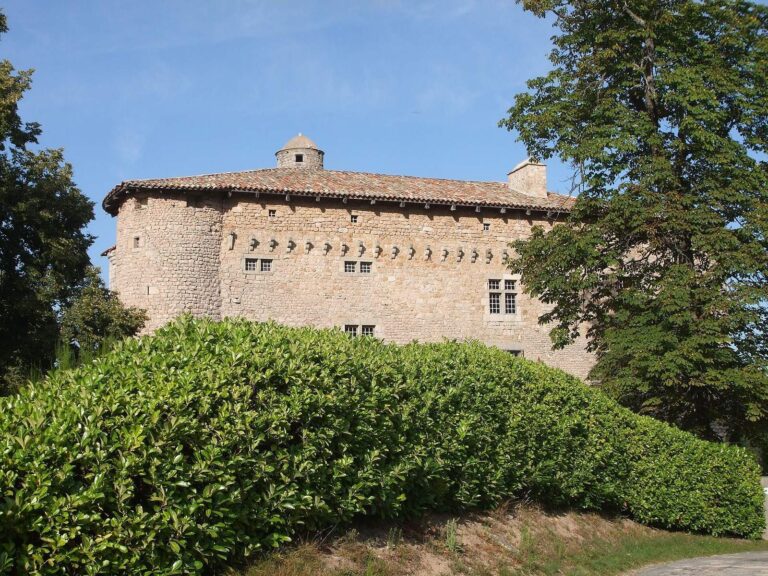
Beauregard Castle in Saint-Péray, France, was built between 1640 and 1652 on earlier ruins. Claude Teste-Fernand de la Motte, a bailiff, or local judicial and administrative officer, built it as a manor so he could live nearer the village. In 1696, the château became a state prison with space for about 40 prisoners. A defensive enclosure wall was added in 1744, pierced by 136 loopholes, narrow openings for firing through.
Revolutionary and Napoleonic-era prison
In July 1791, the National Constituent Assembly, the French revolutionary legislature that drafted a constitution, abolished state prisons, including Beauregard. During the Napoleonic era, the period associated with Napoleon Bonaparte’s rule, France faced a shortage of prisons and requisitioned the château. It continued in use as a prison until 1819, shortly after a prison was built in Privas.
Wine, restaurant, and later ownership
After its prison use ended, Beauregard became a wine cellar. The first sparkling Saint-Péray wine was produced there in 1829. Around 1895, Joseph Badet rented the château and established a highly regarded restaurant, which his son continued to run until 1922.
In 1922, Baron de Bouvier de Cachard bought and restored the château, altering its towers and giving it much of its present appearance. His heirs sold it to the Beauregard Association in 1947. It later passed to the Diocese of Viviers, a church jurisdiction administered by a bishop. The municipality of Saint-Péray acquired the property in 2020.
Remains
Architectural layout and setting
Main building
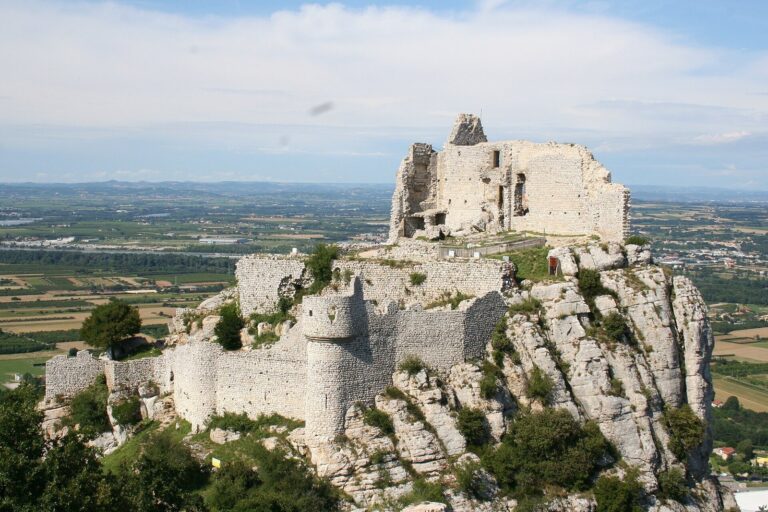
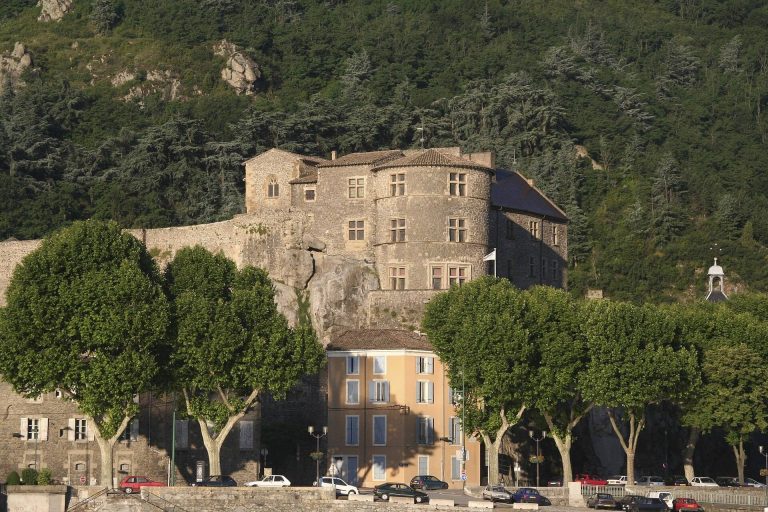
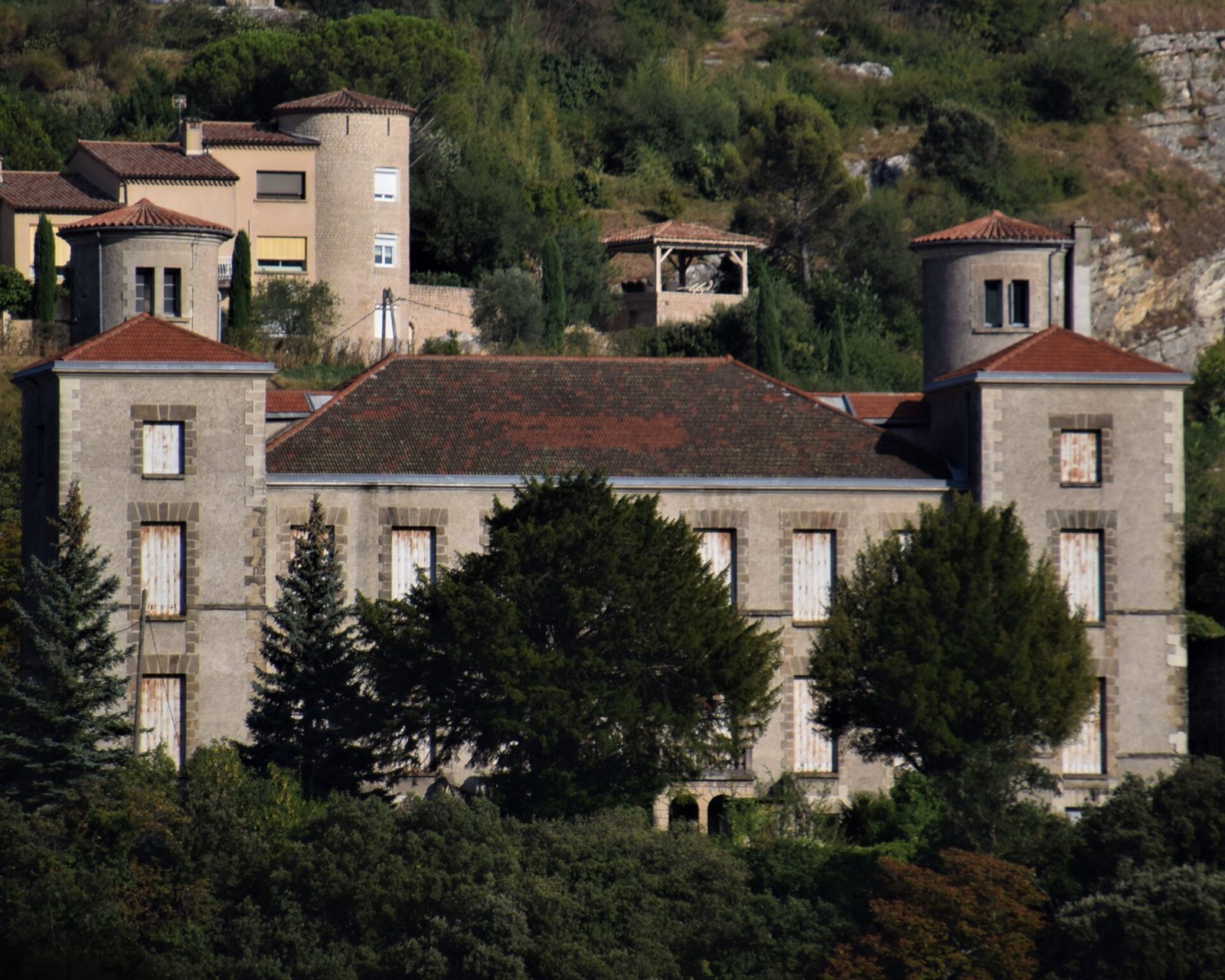
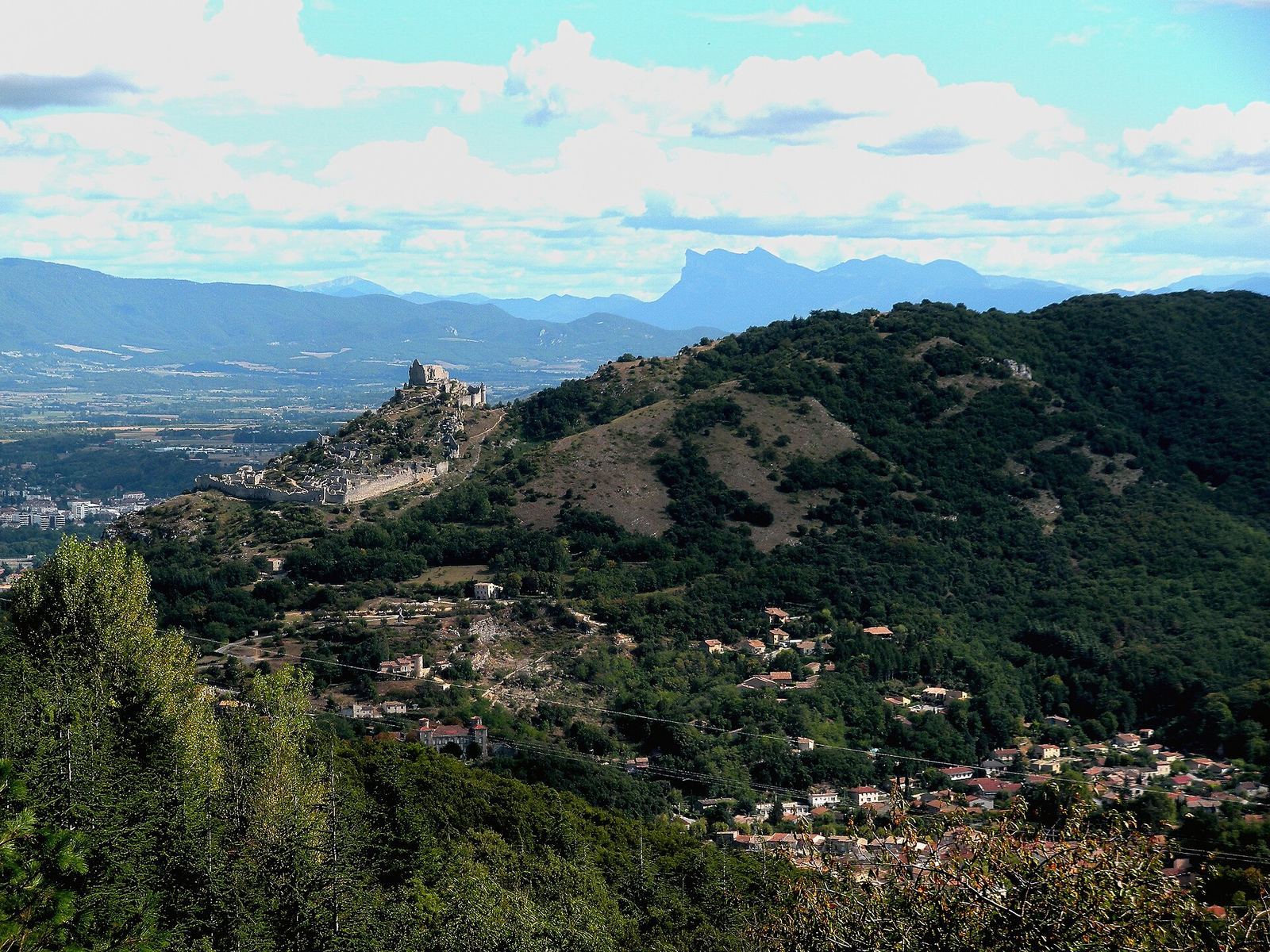
The château stands at an elevation of 250 metres below the ruins of Château de Crussol. Saint-Péray lies in northern Vivarais, the historic region now within Ardèche, beside the Rhône and at the foot of Crussol mountain. The building consists of a central residential block and two square pavilions. Its present form also includes two square towers with an additional storey and two smaller round towers. Large windows open onto the ground and first floors.
Cellar and prison spaces
A large cellar beneath the ground and first floors contains a channel that collected wine from bottles that burst. During its use as a prison, the cellar also served as a walking area for prisoners and connects with the north terrace. Prison dungeons may survive near a former oubliette, a prison chamber traditionally entered through an opening above; the chamber may have been in the château’s northwest corner.
Garden and well
On the exterior facing Saint-Péray, a garden includes a well.