Wooden Church of Trnové: A Roman Catholic Church in Slovakia
Site at a Glance
- Popularity
- Low
- Country
- Slovakia
- Primary era
- Early Modern
- Eras represented
- Early Modern
- Civilizations
- Habsburg, Hungarian
- Site type
- Religious
- Remains
- Church
On this page7 sections
History
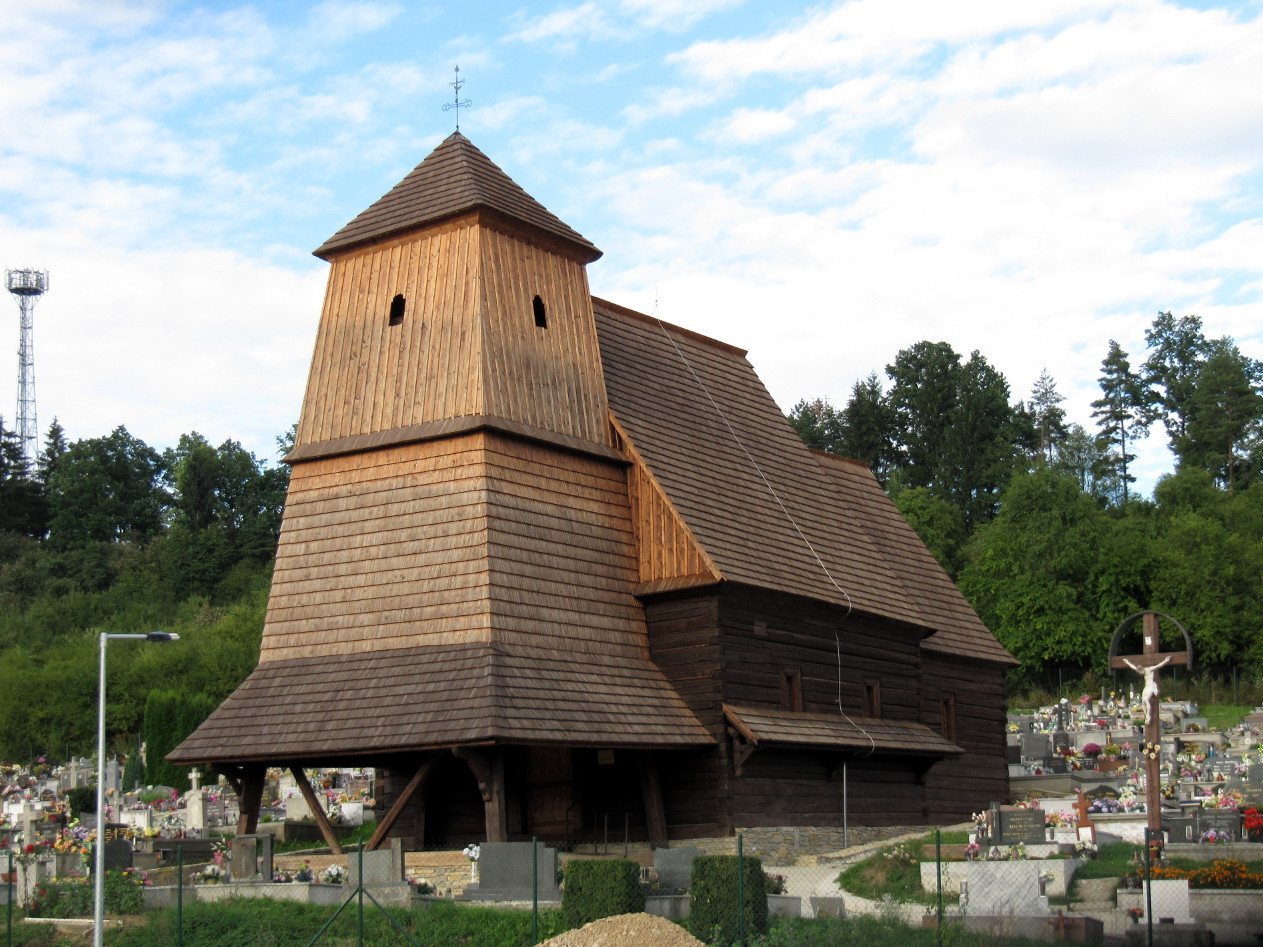
The Wooden Church of Trnové is a Roman Catholic church in Slovakia, dedicated to Saint George, a Christian saint associated with martyrdom. Its exact construction date is unknown, but it was standing in the last third of the 16th century; 1615 is also given as its completion date. It is Slovakia’s westernmost wooden religious building.
The church belongs to the Roman Catholic Western Province and Diocese of Žilina, within the Žilina deanery and Trnové parish. It was listed as a Slovak National Cultural Monument on 5 November 1963.
Regular services continued until 1994, when the new Church of Saints Cyril and Methodius in Trnové was completed. After a comprehensive reconstruction, the older church continued to serve its original religious purpose.
Remains
Church and interior
Plan and setting
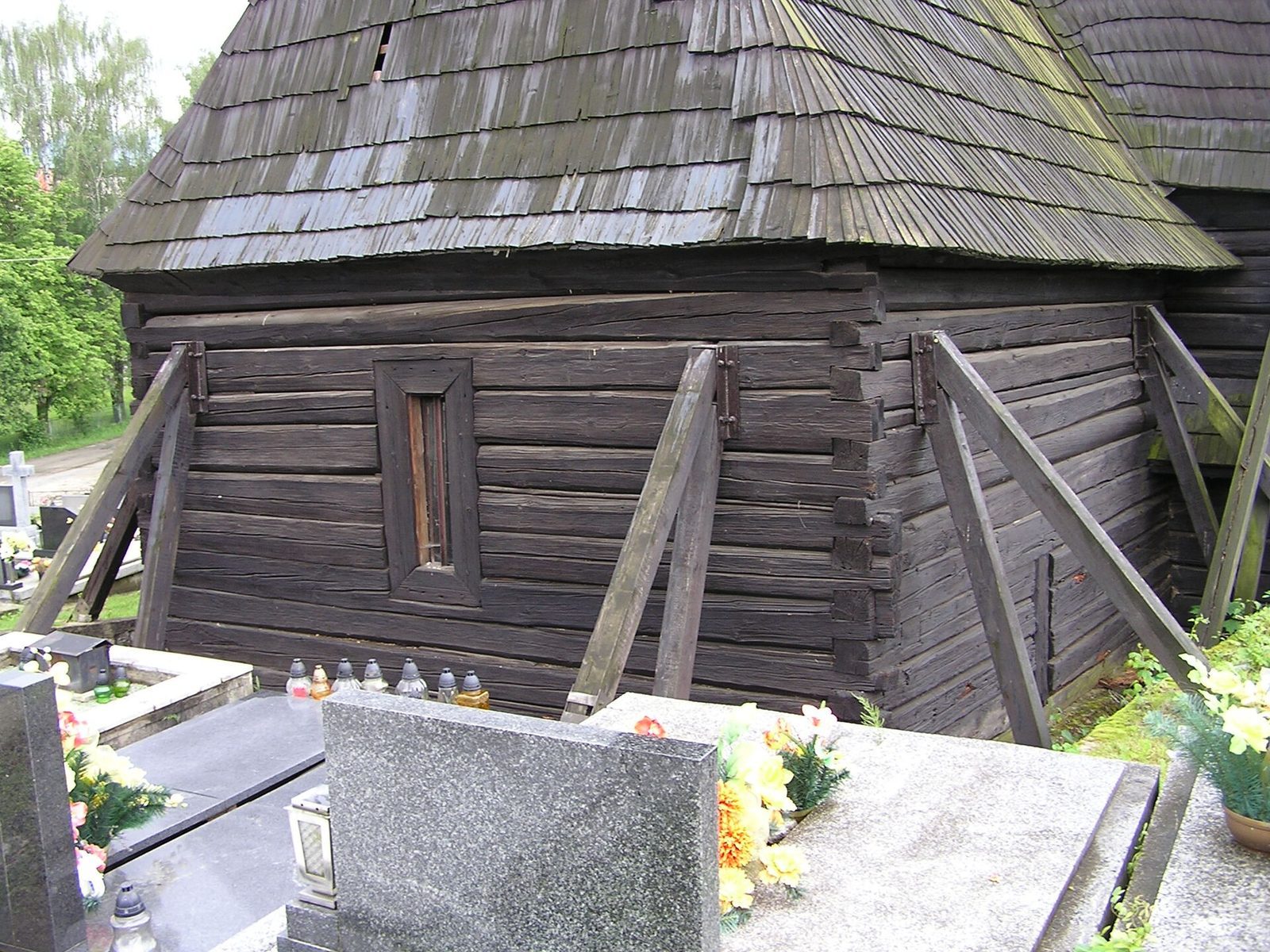
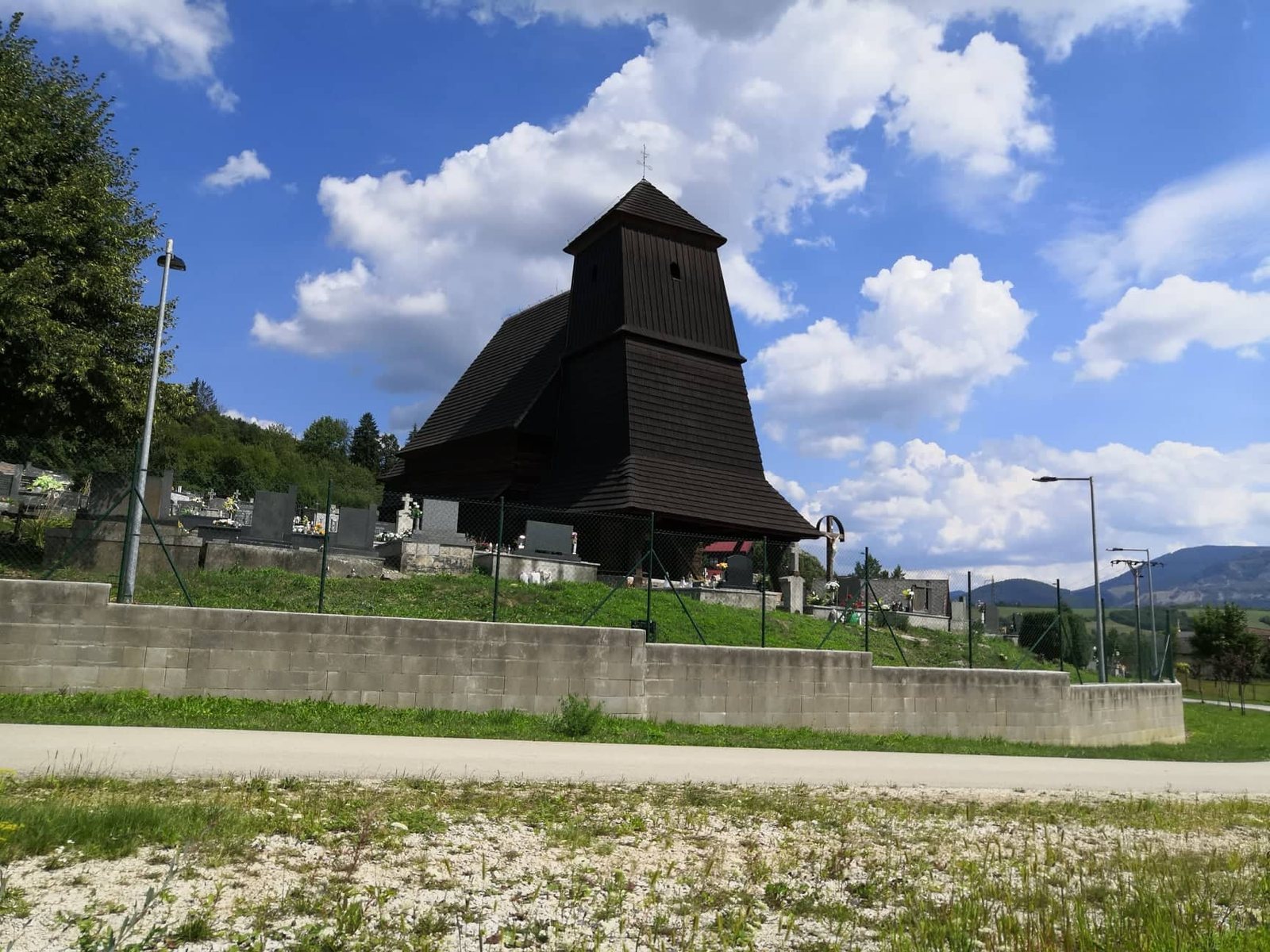
The church is a single-nave log building with a gabled roof. Its short, almost square main space meets a small rectangular sanctuary at the east end. The building stood within a cemetery in the northwestern part of what was then an independent village. Its design is classified as the Bojkov type, a regional category of wooden churches. A wooden enclosure and an ossuary, a structure for housing human bones, also formed part of the historic complex.
Tower and bells
An open area beneath the tower provides the western entrance. The tower was added above the nave at a later date. Two bells hang at its top: the larger bears a Latin inscription dated 1604, while the smaller carries a different inscription dated 1606.
Windows and decoration
Narrow windows with heavy frames have simple wrought-iron grilles. The grilles bear the initials “M.L.” and the inscription “10 Anno 1776 MKPC.” The church’s original painted decoration was created by an unknown artist in the first half of the 17th century. It belongs to the Renaissance, a European art period that preceded the Baroque. A two-sided organ gallery is also part of the interior.
Altar and furnishings
A Baroque altar, from the later of those two European art periods, dates to the first third of the 18th century. The Podhorský family of Višňové donated it in 1720. Its central image is a carved wooden figure of Saint George, painted in several colors and crowned by a halo with two angels. An oil painting depicts Saint Anne, traditionally identified as Mary’s mother, with the Virgin Mary, the mother of Jesus. A wooden statue once stood beside the altar, showing the Immaculata, a Catholic image of Mary associated with the Immaculate Conception. The figure held a child with an imperial orb, a ceremonial globe symbolizing royal authority, and stood on a terrestrial globe entwined by a serpent.