Djursholm Castle: A Banér Estate Residence in Sweden
Site at a Glance
- Popularity
- Medium
- Country
- Sweden
- Primary era
- Early Modern
- Eras represented
- Medieval, Early Modern, Modern
- Civilizations
- Swedish
- Site type
- Domestic
- Remains
- Castle
On this page7 sections
History
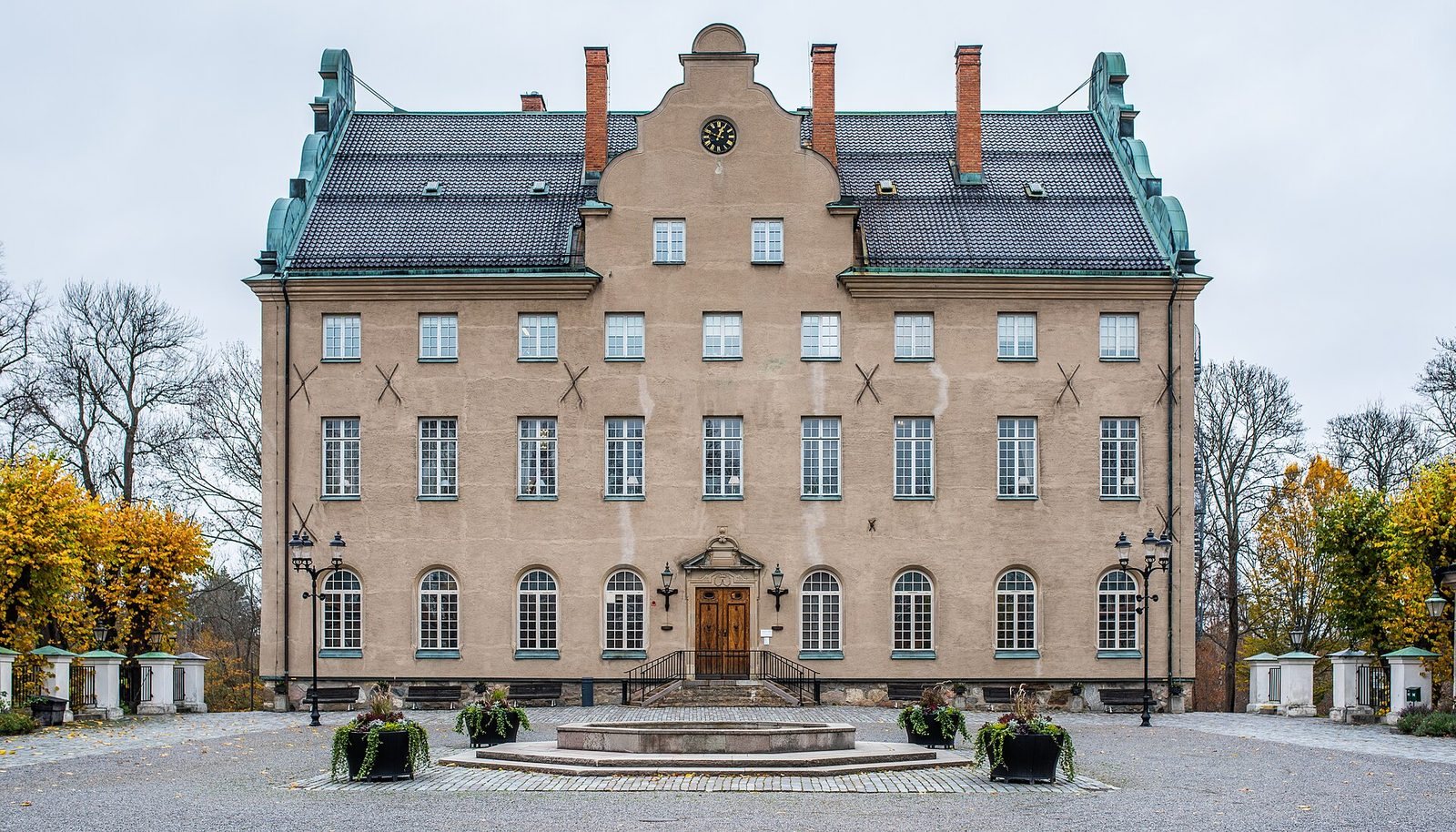
Djursholm Castle is a historic residence in Sweden. Svante Gustavsson Banér gave it its present appearance in the 17th century, and it underwent a neo-Baroque restoration in the 1890s. Neo-Baroque is a revival style drawing on forms and ornament associated with Baroque architecture.
Monastic holdings and the first castle
In 1288, King Magnus Ladulås granted Ekeby farm to St. Clara Monastery, a medieval religious house. By the early 15th century, the monastery also held Ösby farm and the island later known as Gamla Djursholm.
Swedish nobleman Nils Jönsson Oxenstierna bought Djursholm in 1418 and built its first castle. The stronghold controlled part of the shipping route toward Stockholm and the interior. Old rhyming chronicles associated Nils with piracy and with sheltering pirates who attacked ships carrying goods to Stockholm along the western side of Lidingölandet. This activity may also have involved a right to levy customs duties.
The Banér estate
Ingeborg Larsdotter Tott brought Lidingö into the Djursholm estate through her second marriage to Councilor Nils Eskilsson Banér. From the end of the 15th century until the mid-1770s, the estate included all of Lidingö. The House of Banér owned Djursholm from 1508 to 1813.
Nils Eskilsson Banér, lord of Djursholm from 1508 to 1520, built a palace on the site of the present castle, distinct from the earlier stronghold. The castle was a residence of Privy Councillor Gustaf Banér, a senior member of the monarch’s advisory council, and his son Johan Banér, a field marshal and Swedish commander during the Thirty Years’ War.
School and later use
A coeducational school opened in the castle in 1891 and remained there until 1910. Writer and scholar Viktor Rydberg was its first inspector. Poet Erik Axel Karlfeldt and composer Alice Tegnér were among the early teachers. Author and illustrator Elsa Beskow taught art, while her husband, theologian and educator Natanael Beskow, served as headmaster from 1897 to 1909.
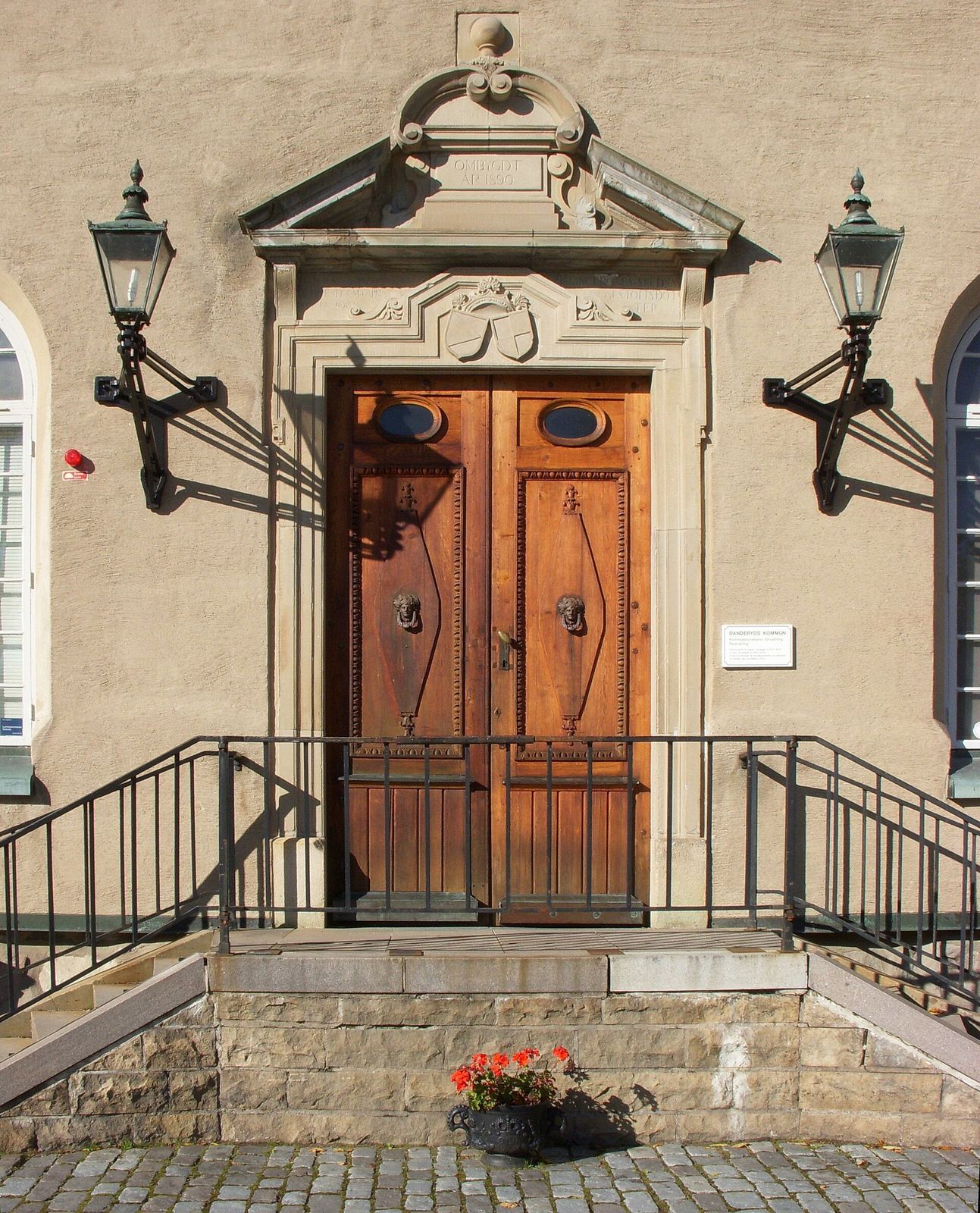
Restoration work in 1959–1961 simplified the façade, and a new entrance was added on the north side in 2003. The building now serves as Danderyd Municipality’s community center.
Remains
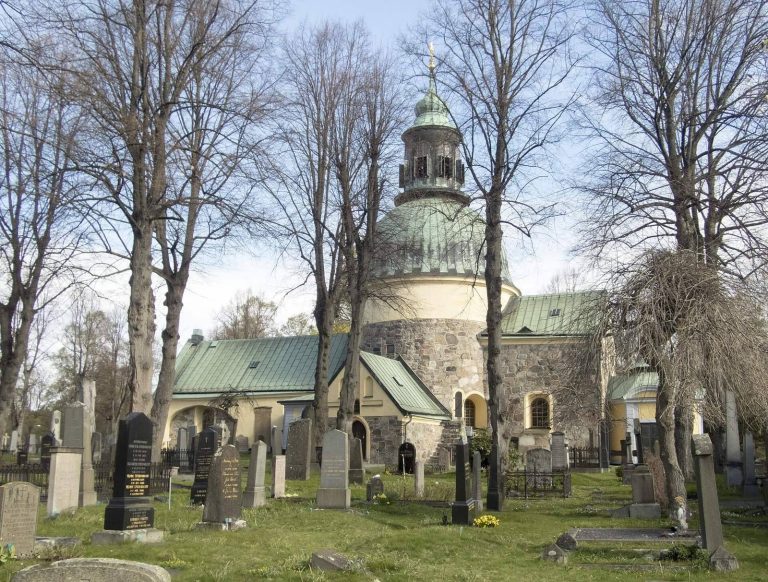
The site comprises the present castle and the separate location of its predecessor. The present building incorporates components from the late Middle Ages and had reached its current size by the mid-17th century.
Earlier stronghold
The first castle stood on Gamla Djursholm, then an island. Land uplift later joined it to the mainland as a peninsula, and its position provided a natural moat.
Present castle
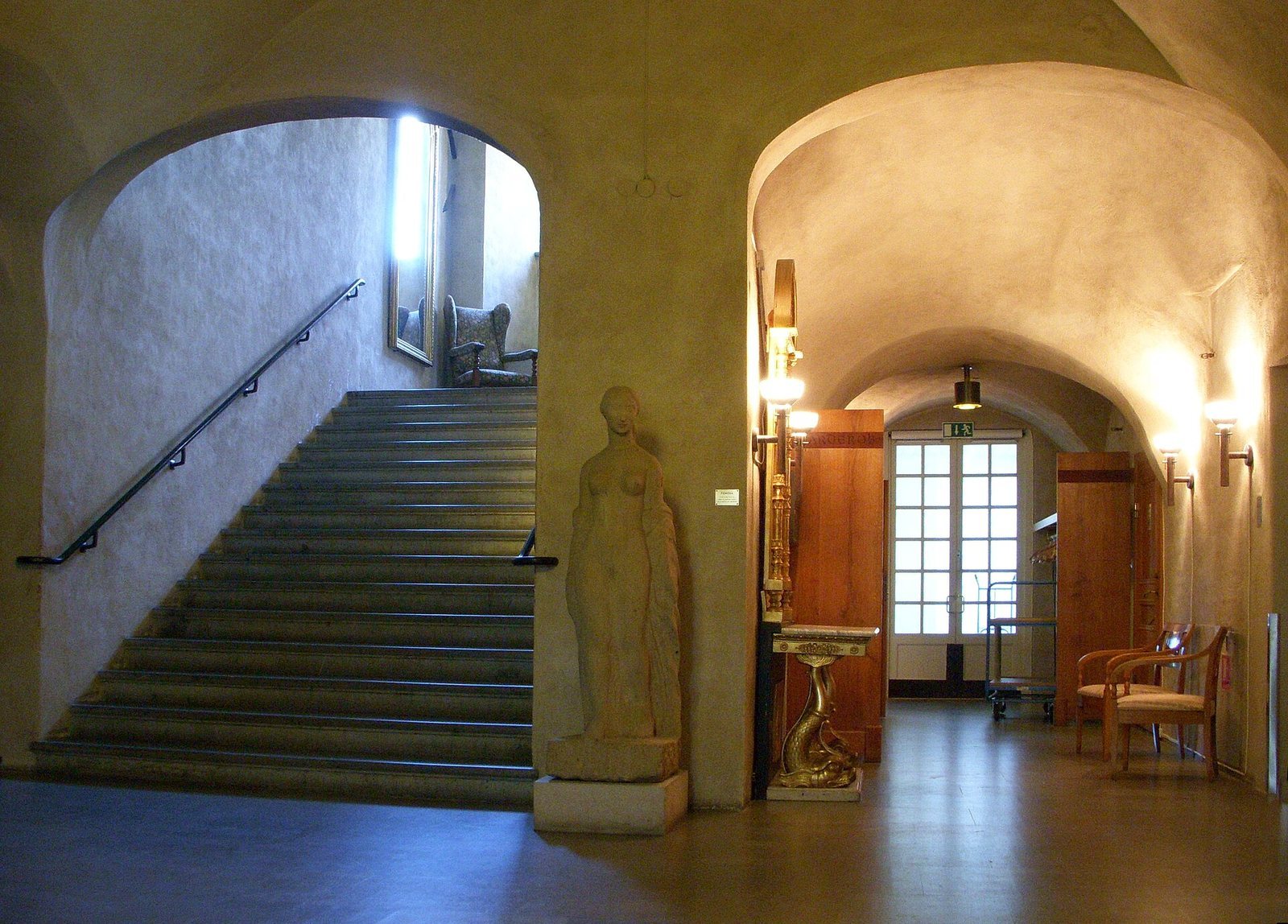
The main hall had plaster ceilings, while the stairs were made of limestone and oak. Decorative coverings, including gilt leather and other materials, hung on the walls.