Episcopal Palace of Segovia: A Renaissance Episcopal Residence
Site at a Glance
- Popularity
- Low
- Country
- Spain
- Primary era
- Early Modern
- Eras represented
- Early Modern
- Civilizations
- Crown of Castile, Spanish
- Site type
- Religious
- Remains
- Palace
On this page4 sections
History
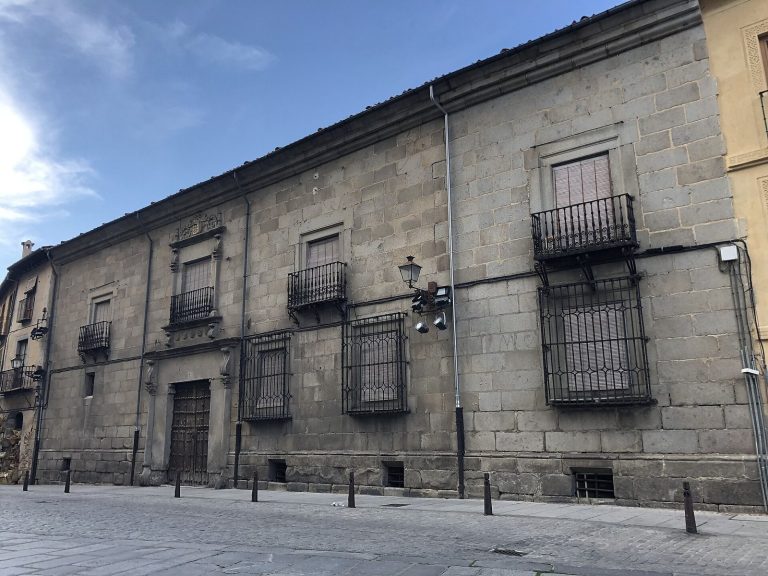
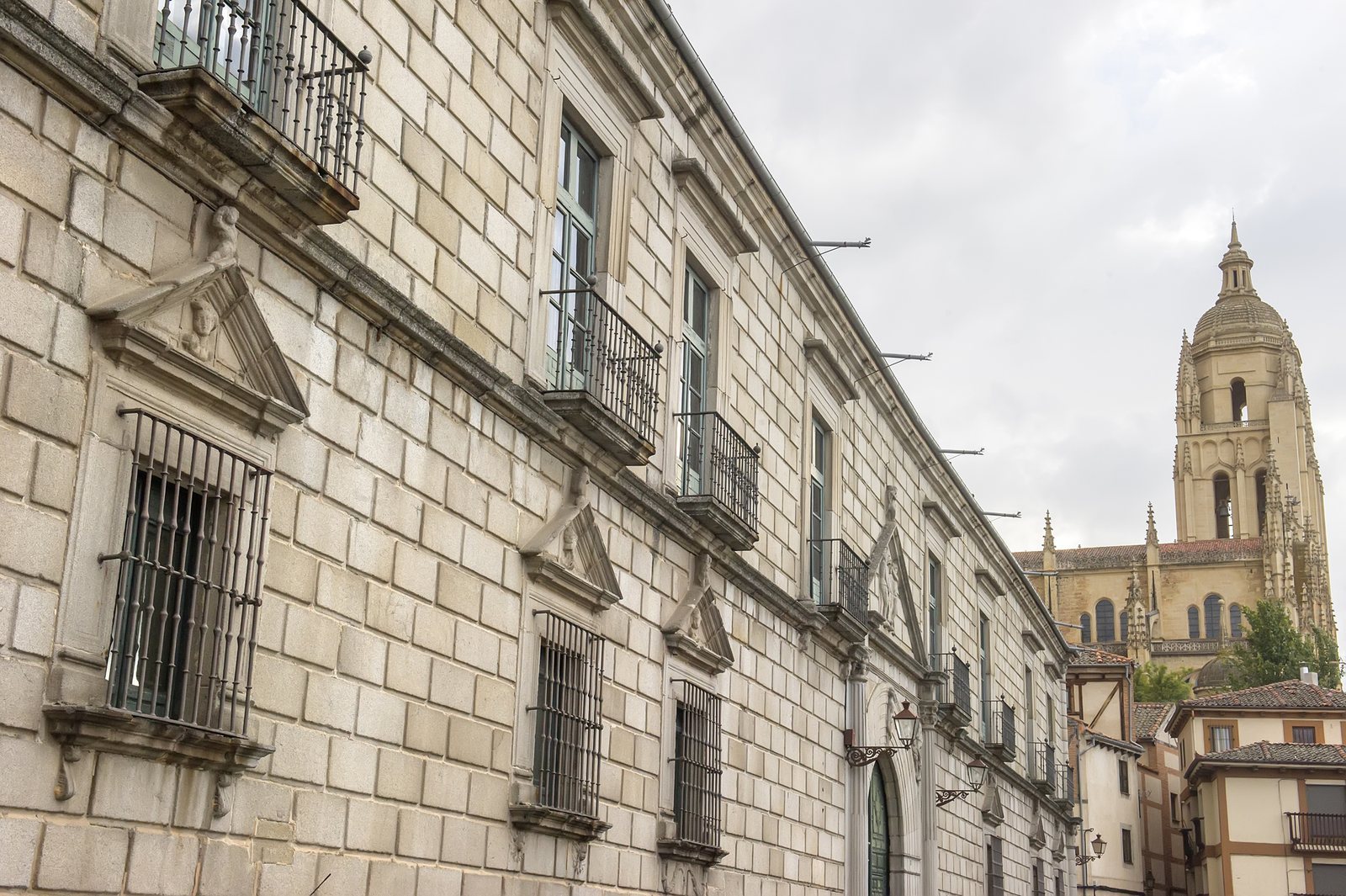
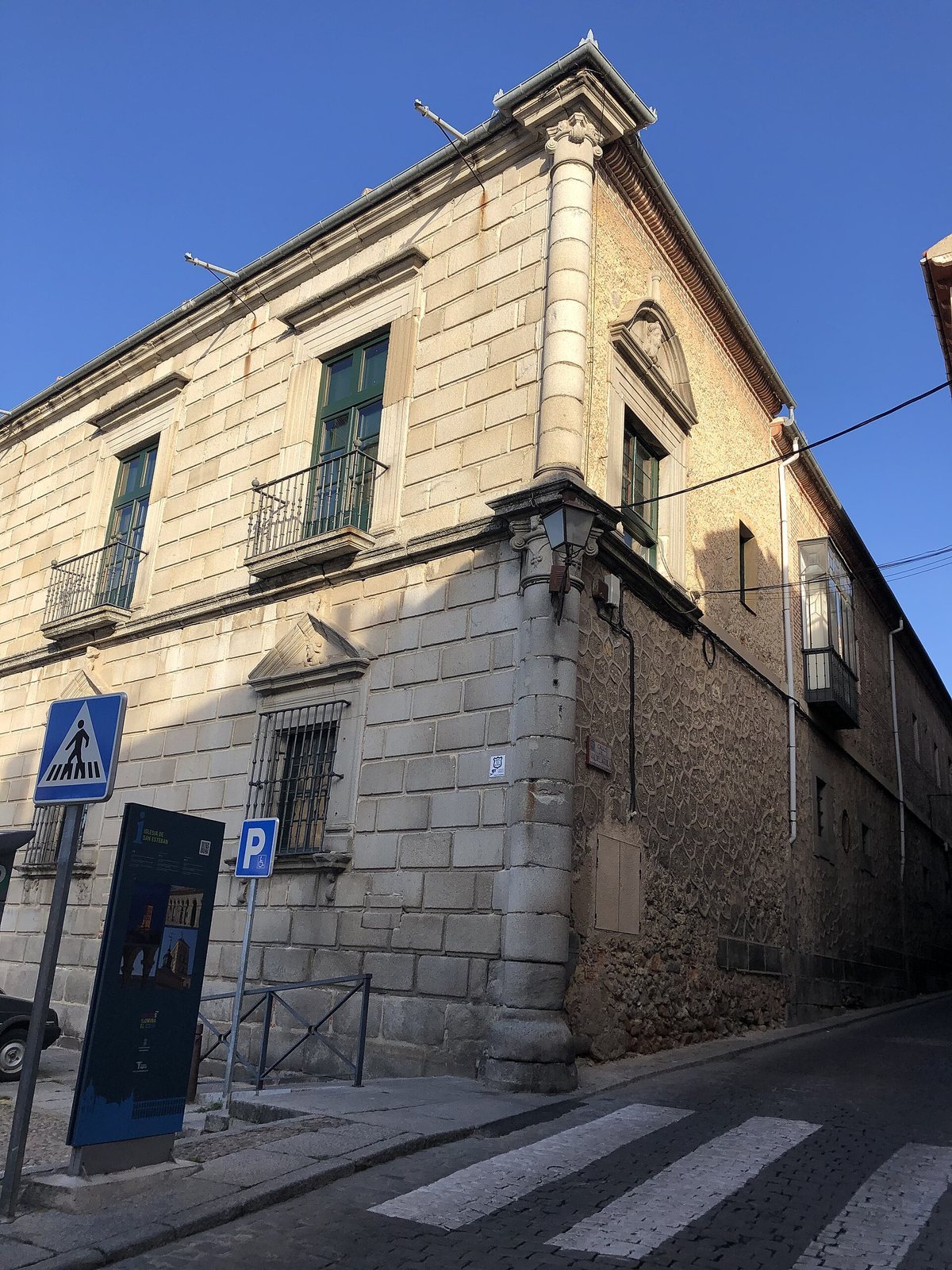
The Episcopal Palace of Segovia is a Renaissance palace in Plaza de San Esteban in Segovia, Spain. Built in 1550 specifically for episcopal use, it became the residence of successive bishops and later served wider administrative, pastoral, and cultural purposes for the Diocese of Segovia.
From episcopal palace to private residence
The palace was sold to the Salcedo family in 1635 and became known as the Palace of Salcedo. In 1755, Manuel Murillo Argáiz, bishop of Segovia, acquired it from Josefa de Salcedo y Lasso de la Vega through a perpetual rent charge, a continuing payment obligation attached to the property. He intended it to serve again as an episcopal palace.
Diocesan use and management
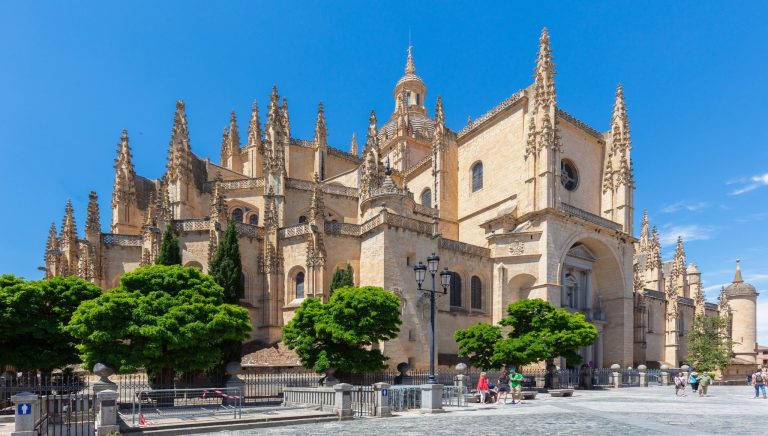
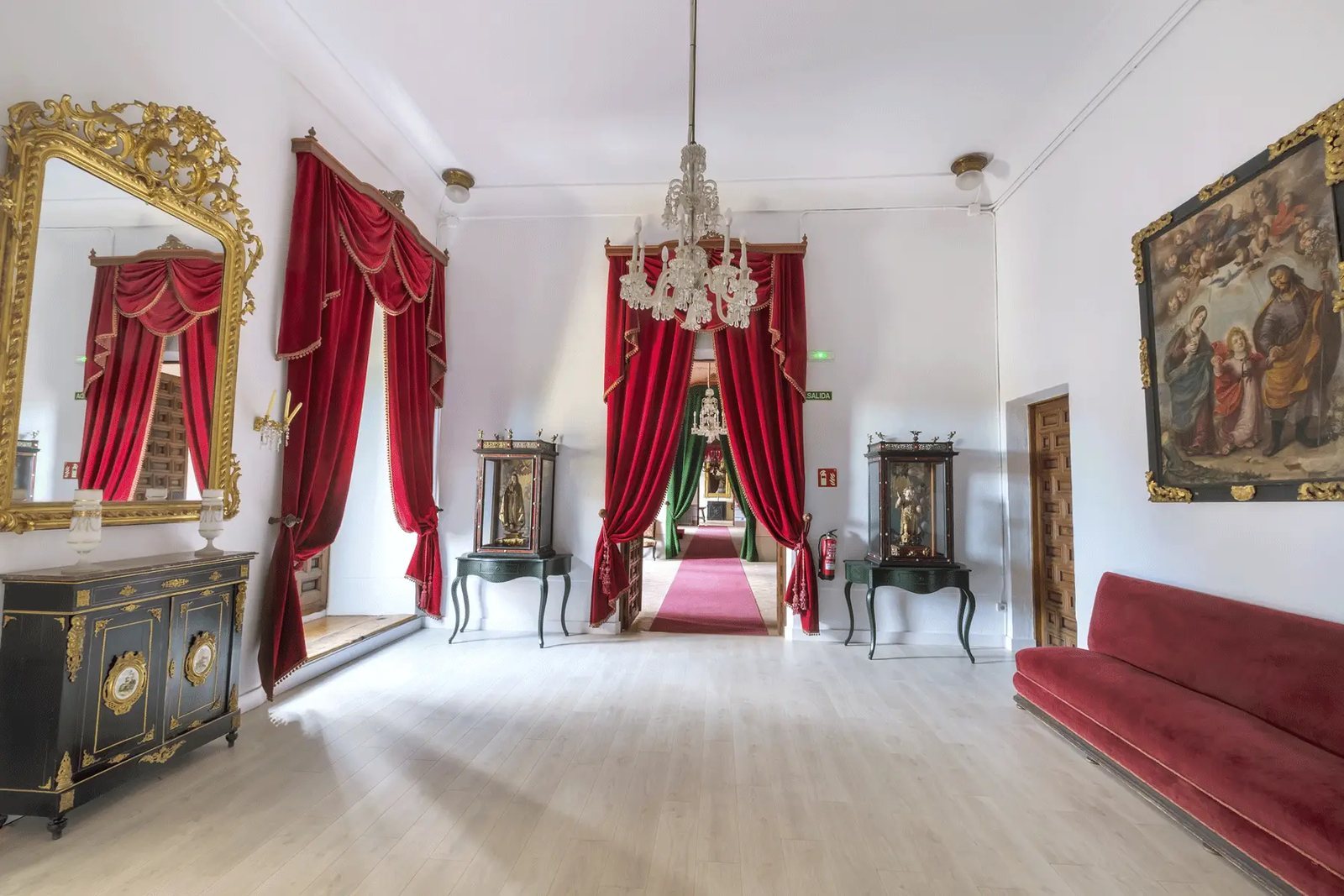
The palace housed successive bishops until 1969. It continued as an administrative, pastoral, and cultural center for the Diocese of Segovia, the church jurisdiction overseen by a bishop, until the early 21st century. In 2021, management passed to the Chapter of Segovia Cathedral, a body of clergy associated with the cathedral, which introduced interpretive and public-education resources. The County of Puñonrostro, a Spanish noble title, is identified as the palace’s owner.
Remains
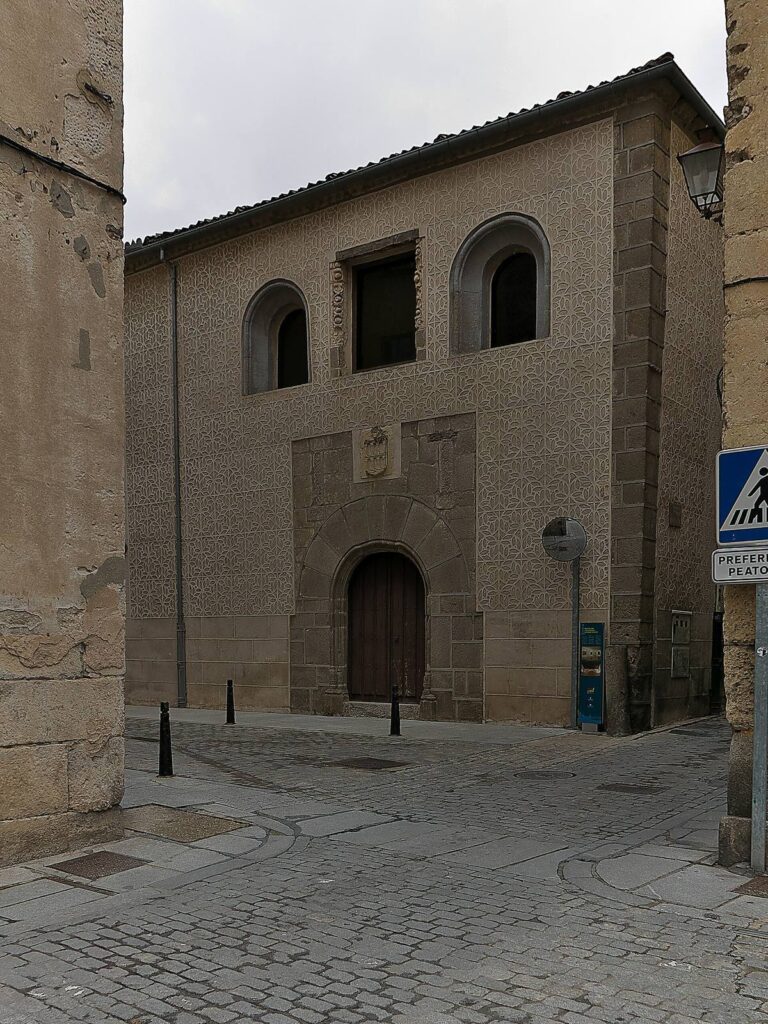
The surviving Renaissance features are the palace’s façade and entrance portal. They retain the exterior design associated with its original architectural style.