New Bümpliz Castle: An Eighteenth-Century Castle and Institutional Site
Site at a Glance
- Popularity
- Low
- Country
- Switzerland
- Primary era
- Early Modern
- Eras represented
- Early Modern
- Civilizations
- Swiss
- Site type
- Domestic
- Remains
- Castle
On this page5 sections
History
Eighteenth-century commission and ownership
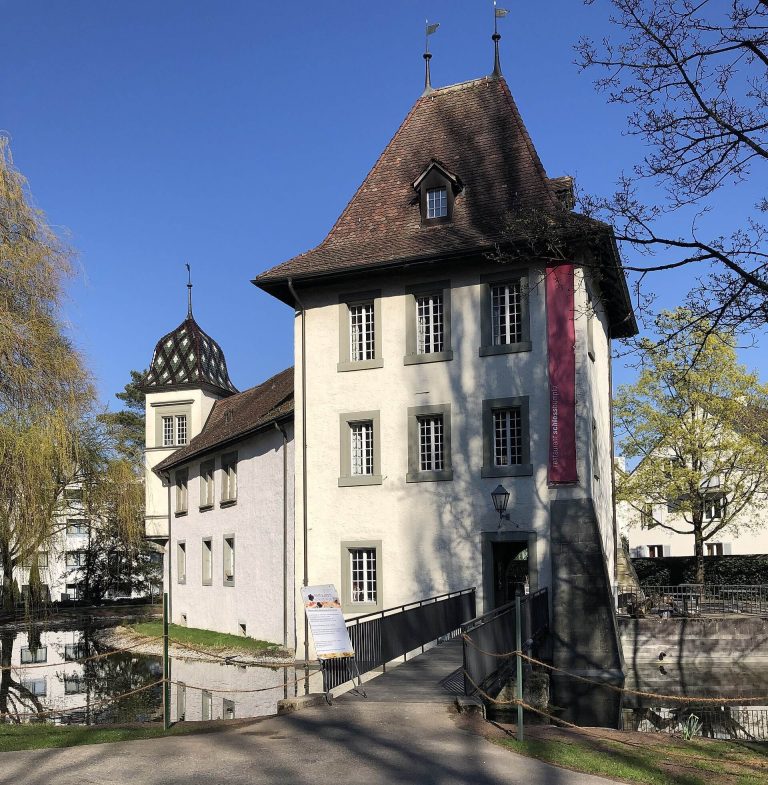
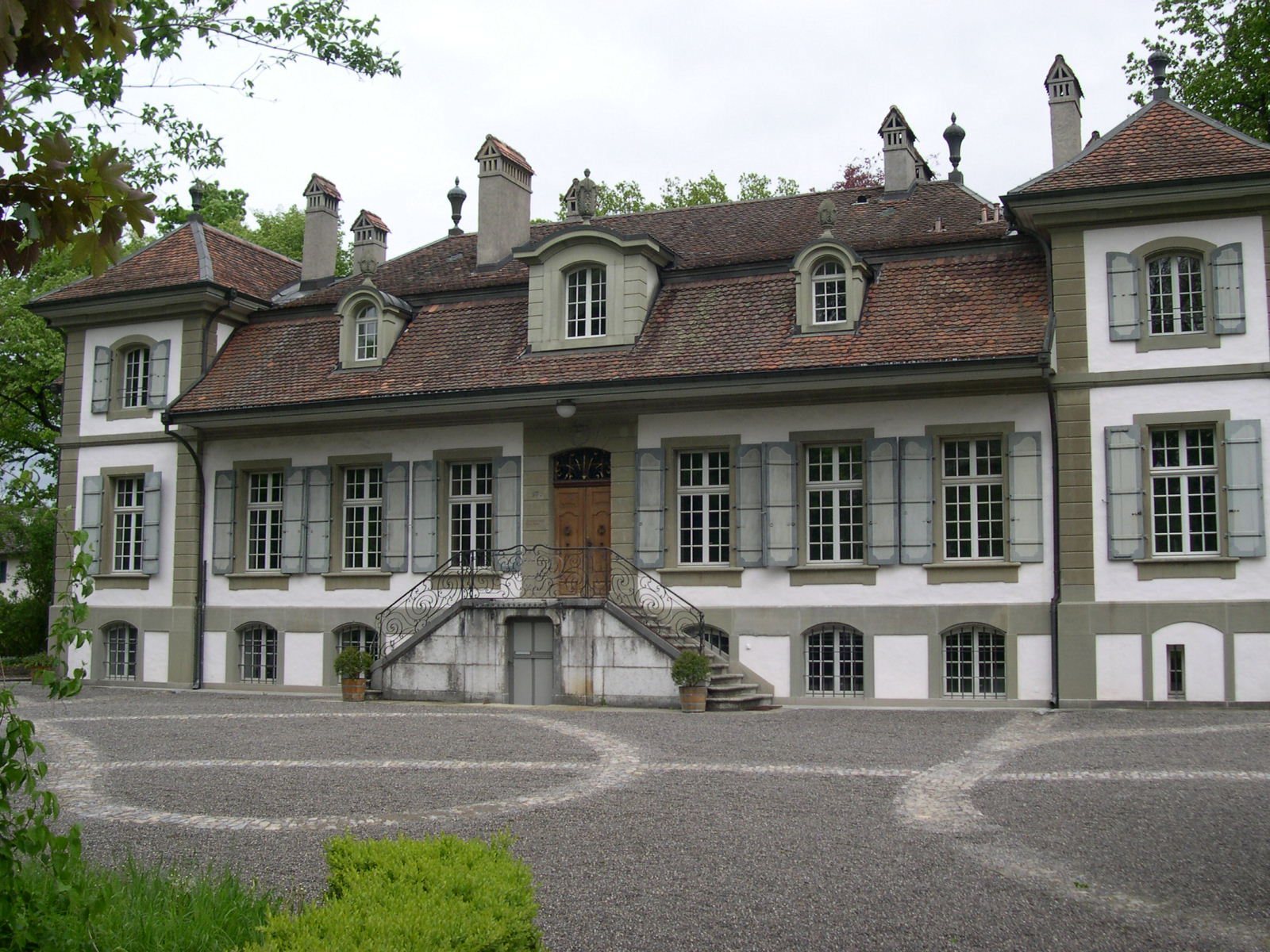
New Bümpliz Castle is an eighteenth-century castle in Bern, Switzerland, commissioned in 1742 by Daniel Tschiffeli to replace a building that had become old-fashioned and uncomfortable. Swiss architect Albrecht Stürler was engaged to design it.
After Tschiffeli’s death, the castle and the nearby Old Castle passed to his son-in-law, Karl Stürler. Karl died in Venlo in 1777, and the properties were sold to Abraham Samuel Lombach, who died the next year. In 1783, Lombach’s widow’s second marriage brought the castles to Johann Rudolf von Graffenried.
Bern’s Old Regime, the city’s patrician government, collapsed amid the upheavals of 1798. The following year, von Graffenried sold New Bümpliz Castle to businessman and deputy court magistrate Gottlieb Haag, who later acquired the Old Castle too. Ludwig Friedrich von Steiger bought both properties in 1825, Franz Karl von Tavel acquired them in 1837, and Johann Friedrich Albrecht Tribolet became their owner in 1839.
Institutional and educational uses
Tribolet rebuilt the buildings and established a private institution for people with mental illness. From 1839 to 1849, the New Castle housed patients then described as calm, while those described as violent or noisy were placed in the Old Castle.
In 1848, Jakob Allemann, a pupil of Swiss educational reformer Johann Heinrich Pestalozzi, took over the institution. With his brother Benedikt, he established a boarding school for boys. The school continued until economic depression led its last director, Jakob Enz-Allemann, to sell the castles in 1882. Two years later, his widow, Emilie Enz-Allemann, bought both back. She later sold New Bümpliz Castle while retaining the Old Castle as a rental property. The school also gave the village a nickname translated as “spoon-grinding shop.”
Industrial and civic uses
Albert Benteli bought the New Castle as a residence in 1903. His son Wilhelm Albert Benteli and Walter Merz established a chemical laboratory on the estate, where they made radium-bearing luminous paint, a radioactive coating used to make objects glow in the dark. Merz & Benteli AG moved to Niederwangen in 1975, and the City of Bern bought the castle in 1977. The Old Castle had become a community building in 1919 and was purchased by the city in 1954.
From 1 February 2005, the castle housed the civil registry office for the Bern administrative district. A cantonal reorganization on 1 January 2010 replaced that district with Bern-Mittelland and combined 23 civil registry offices into seven. The enlarged office could not fit in the castle and returned to central Bern. New Bümpliz Castle continues to serve as a special external venue for ceremonies.
Remains
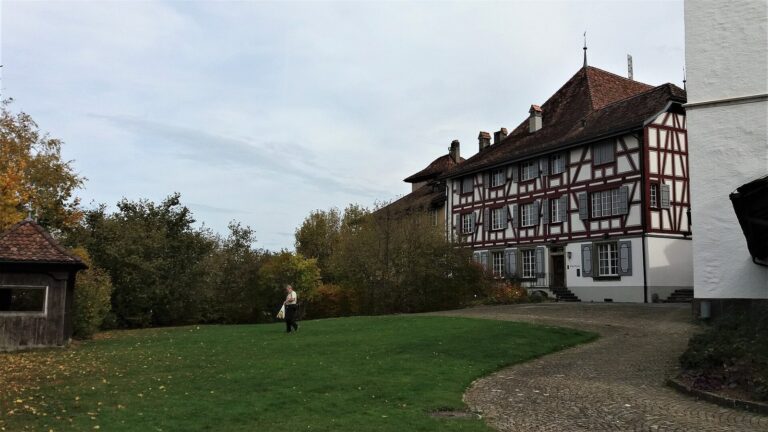
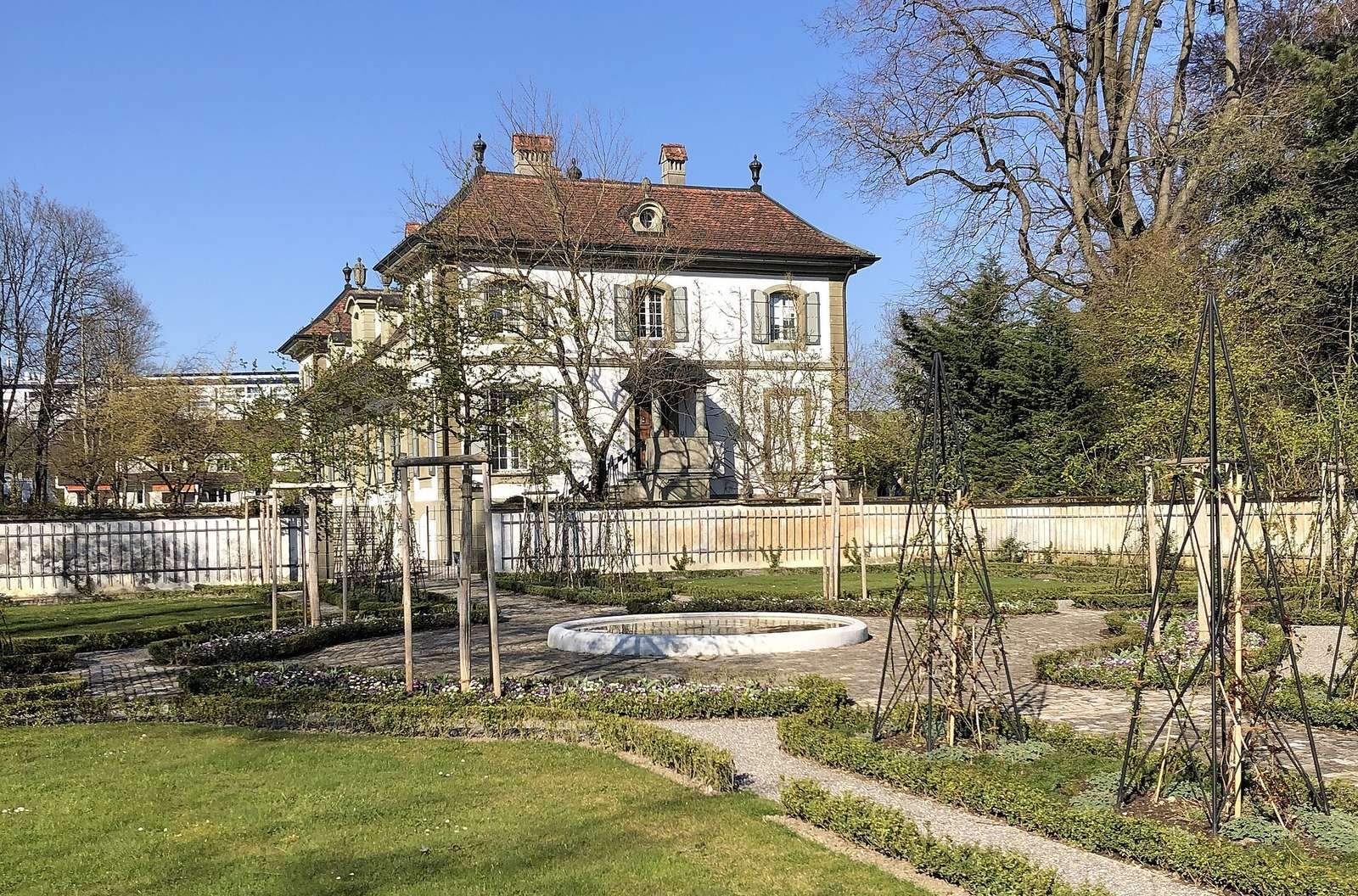
New Bümpliz Castle stands directly opposite the Old Castle, to its southwest. The estate included parks and gardens, as well as outbuildings associated with the castle and factory buildings added later. One former factory building was dismantled during remediation of the grounds in the early 1980s.
The remediation sent about 450 cubic metres of soil and construction debris to the Teuftal landfill. Radium contamination remains in some areas, and traces were also found in the castle basement. Further remediation was planned.