Ulmerfeld Castle: A Medieval Administrative Centre in Austria
Site at a Glance
- Popularity
- Medium
- Country
- Austria
- Primary era
- Medieval
- Eras represented
- Medieval, Early Modern
- Civilizations
- Habsburg, Holy Roman Empire
- Site type
- Military
- Remains
- Castle
On this page7 sections
History
Freising rule and medieval development
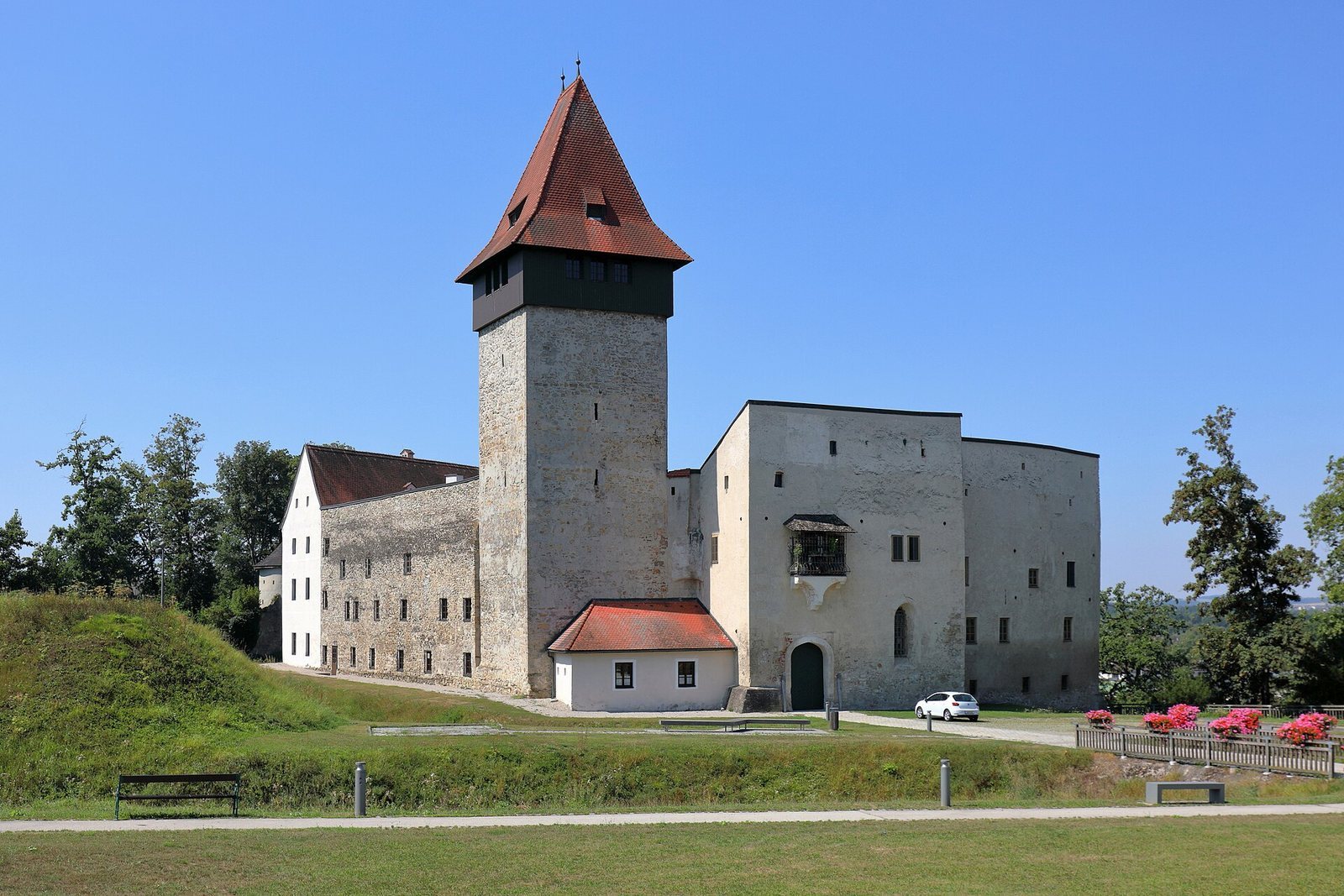
Ulmerfeld Castle stands in Ulmerfeld, near Amstetten in Lower Austria, Austria. Ulmerfeld first appears in a deed dated 15 August 995, when King Otto III transferred the place to the Bishop of Freising in an exchange arranged by Gottschalk, Bishop of Passau. This is the earliest known written mention of Ulmerfeld, not a date for the castle’s foundation.
In 1189, the Prince-Bishopric of Freising, a territory where the bishop held both religious and secular authority, received permission from Holy Roman Emperor Frederick Barbarossa to require labor on castles throughout its lands. In 1321, Bishop Konrad III the Sendlinger expanded the castle into an administrative centre and made it the seat of Freising’s local administrator, who managed the territory’s affairs there. Further additions followed around 1400 under Bishops Berthold of Wehingen and Nikodemus della Scala.
Revolt and changing ownership
During the Lower Austrian Peasants’ Revolt, an uprising in 1596–97, insurgents occupied the castle in 1597 and briefly held its administrator prisoner.
Freising’s rule ended in 1803 during secularization, the transfer of ecclesiastical property and authority to secular control. The state administered the castle from 1808 to 1823, after which it passed between owners. Neusiedler AG acquired it in 1930; in 1975, the municipality of Amstetten purchased it for 80,000 schillings. The castle now accommodates a music association’s rehearsal hall, a youth hostel, municipal apartments and a local-history museum.
Remains
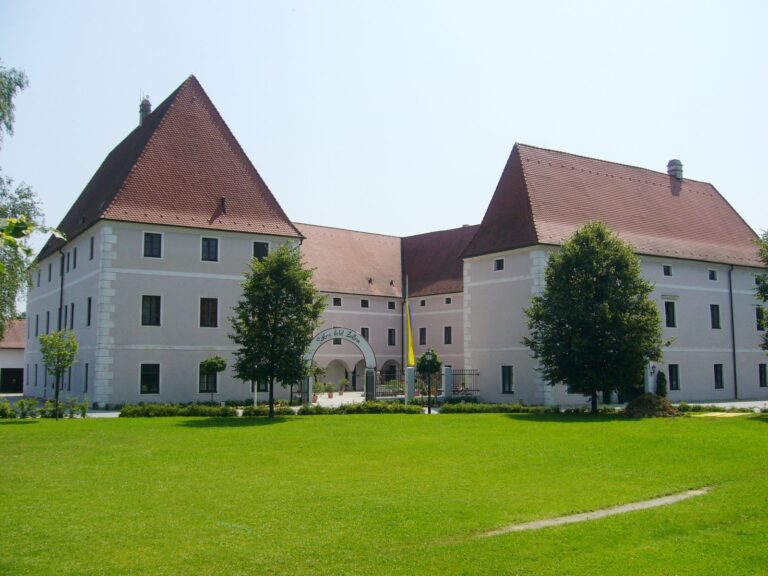
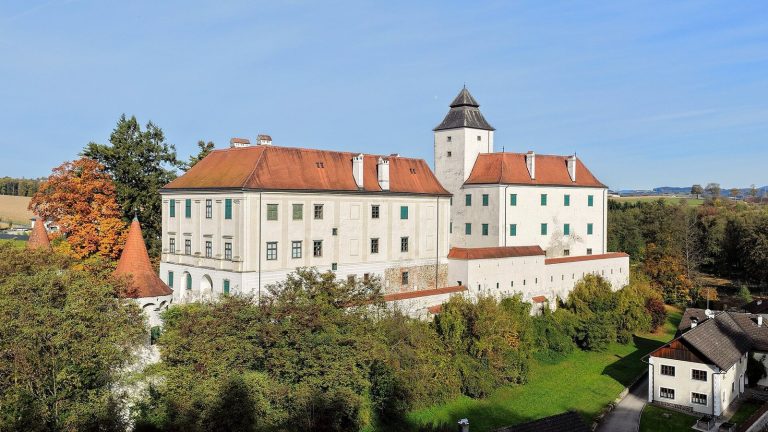
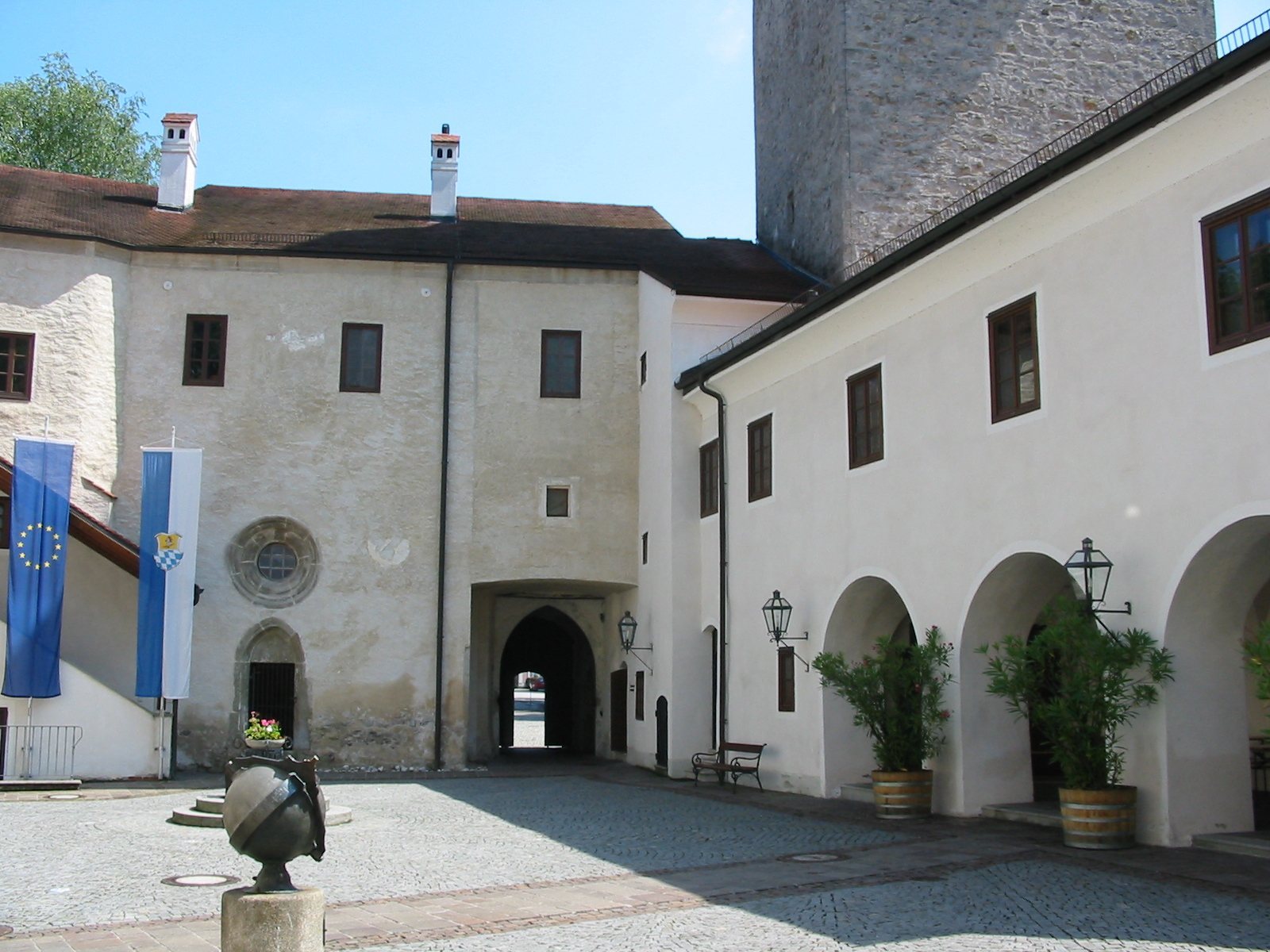
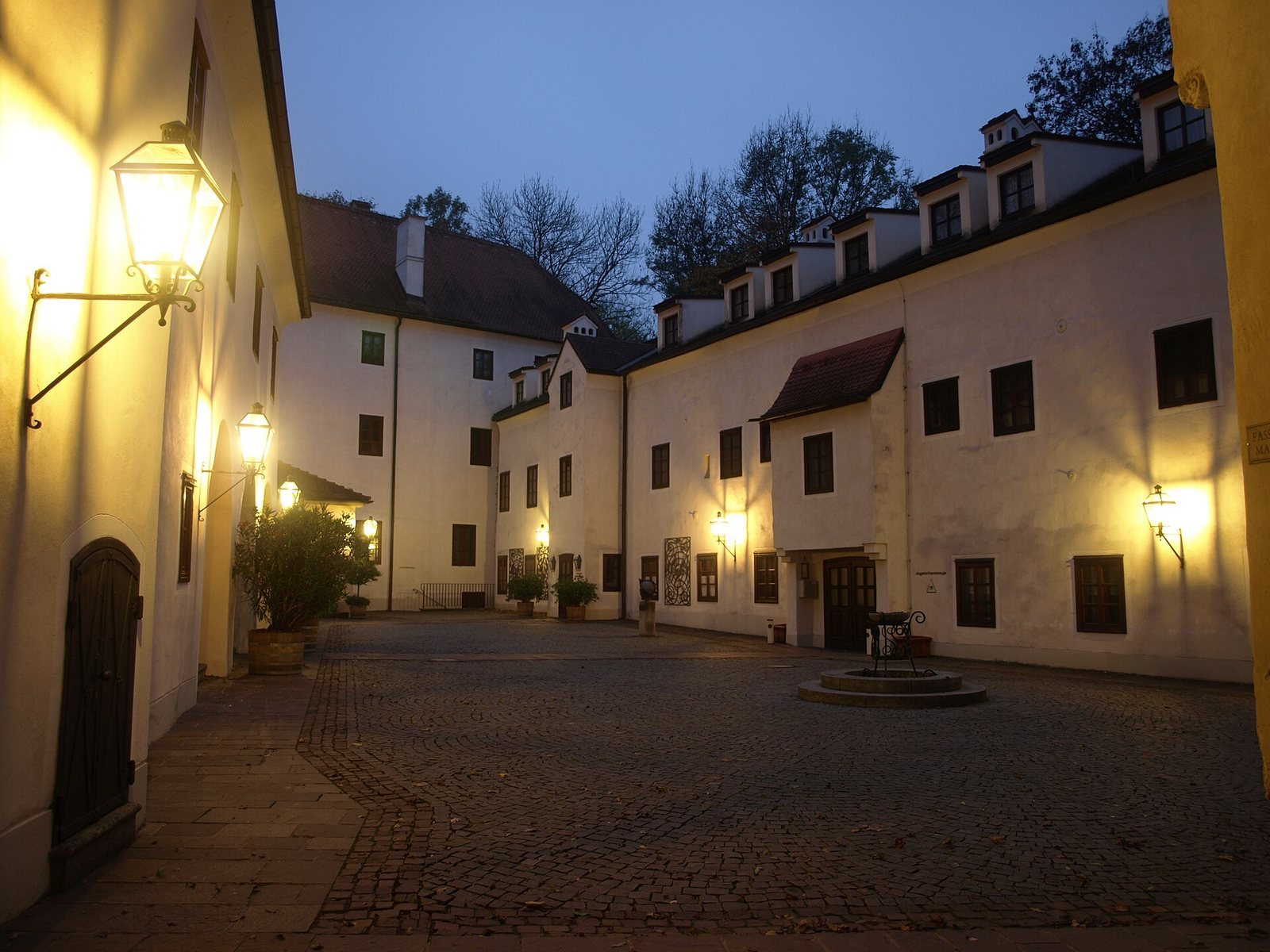
The castle’s surviving complex includes medieval defensive structures, an inner courtyard and a chapel, as well as later administrative and hospital buildings. Its main entrance and an entrance serving the youth hostel are also features of the site.
Medieval structures
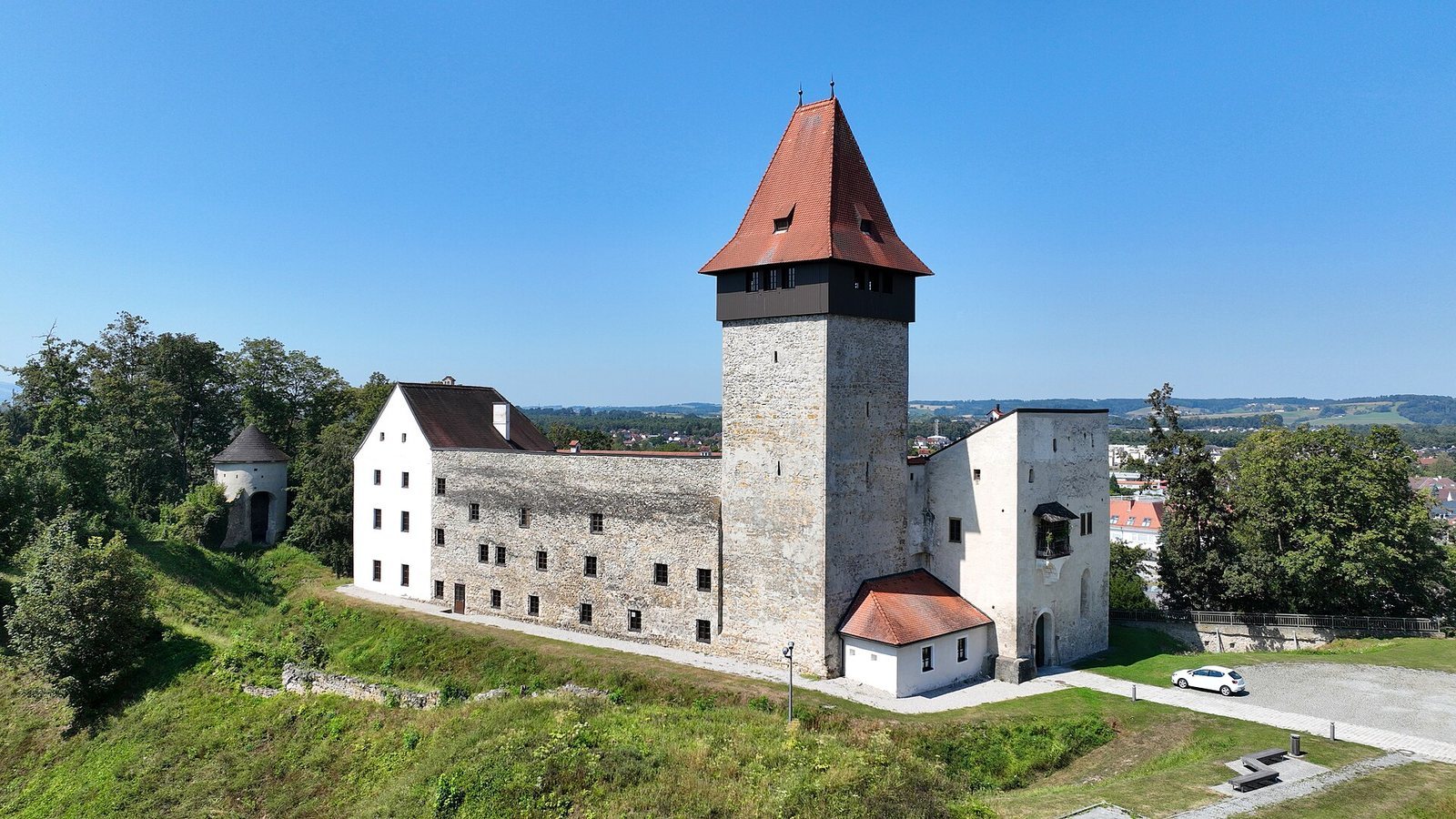
The keep, the castle’s principal fortified tower, and the gate hall, a hall or passage forming part of an entrance, were built during the 1321 expansion. The inner courtyard can be viewed from the castle tower.
Tower and weapons collection
The castle tower rises 23 metres and serves as a lookout, with a panoramic view across the Mostviertel, a region of Lower Austria. It houses the historical weapons collection assembled by Ernst Urschitz (1925–2003). The collection contains more than 400 exhibits, including armour, chain mail and daggers.
Later buildings and festival hall
The administrative wing dates to the seventeenth century. In the eighteenth century, a hospital was built against the castle’s north wall. The castle also contains a columned festival hall used for wedding ceremonies.