Kongsdal: A Historic Estate in Western Zealand, Denmark
Site at a Glance
- Popularity
- Low
- Country
- Denmark
- Primary era
- Early Modern
- Eras represented
- Early Modern
- Civilizations
- Danish
- Site type
- Domestic
- Remains
- Manor House
On this page6 sections
History
Kongsdal is an estate in Undløse parish, between Undløse and Mørkøv in western Zealand, Denmark. Peder Reedtz built its main building in 1598. The estate’s land belonged to Bishop Absalon before 1180, and its ownership and name changed repeatedly over the centuries.
Absalon, Sorø Abbey, and the Hvide family
In 1180, Absalon gave the land to Sorø Abbey, a medieval Danish monastic institution. The abbey established a home farm there called Undløse, then expanded its holdings by acquiring tenant farms. The estate eventually covered most of the parish and much of the surrounding villages.
In 1205, Sorø Abbey returned Undløse to the Hvide family in exchange for Pedersborg on Lolland. Members of the Hvide, a powerful Danish noble family, held the estate for generations. In 1280, Marsk Stig Andersen, a Hvide nobleman who held the senior military office of marshal, renamed it Tygestrup. After his conviction in 1286 for the murder of King Erik Klipping, his lands were confiscated. A settlement restored Tygestrup to his son Anders Stigsøn in 1309. It later passed to Stig Andersen Hvide, who joined an unsuccessful rebellion against King Valdemar IV.
In 1361, Stig Andersen Hvide was compelled to transfer Tygestrup to Antvorskov Abbey, another medieval Danish monastery. Following the Reformation, the sixteenth-century movement that took Denmark from Roman Catholicism to Lutheran Protestantism, the Crown seized the estate in 1536 and administered it as a royal fief, land held and managed on the monarch’s behalf.
Tygestrup under the Crown and Reedtz family
In 1587, King Frederick II transferred Tygestrup to Peder Reedtz in exchange for land elsewhere. Reedtz had come to Denmark at the outbreak of the Northern Seven Years’ War, a conflict between Denmark and Sweden. He gained the king’s favour and served for a time as an avener, an official who supplied fodder to the royal stables. He later received several royal fiefs on Zealand and enlarged the estate through land exchanges with the king.
After Reedtz, the estate belonged to his widow, Karen Reedtz, from 1607 to 1609, and then to Frederik Reedtz, who held it from 1609 to 1655. Frederik enlarged the estate, partly through his two marriages. He served on the Privy Council, a group of senior royal advisers, and administered a royal fief at Vordingborg Castle. His son Peder Frederiksen Reedtz held Tygestrup from 1655 to 1669. He spent much of his time at the royal court in Copenhagen and became chancellor to Frederick III in 1667.
Royal estate and changing ownership
In 1669, Peder Frederiksen Reedtz exchanged Tygestrup for Børglum Abbey, and Frederick III renamed the estate Kongsdal. After the king’s death, it passed to Christian V and then to Christoffer Parsberg, who held it from 1671 to 1672. Parsberg and his wife, Birgitte Skeel, had no children. After his death, Kongsdal passed to his brother-in-law Otto Pogwisch. His debts forced him to sell part of the land, and after his death the remaining estate was sold at public auction to Valdemar Christopher Gabel.
Kongsdal then changed hands frequently. Caspar von Bartholin owned it from 1698 to 1703, followed by Lars Andersen from 1703 to 1714, Gregers Juel from 1714 to 1725, and Jacob Hjort from 1725 to 1731. Johan von Schack held it from 1731 to 1748 and enlarged the estate by acquiring more tenant farms. Later owners were Adolph Heinrich von Staffeldt, from 1748 to 1750; Anne Cathrine von der Maase, from 1750 to 1751; Andreas von Hauch, from 1751 to 1756; Christian Albrecht von Massow von der Osten, from 1756 to 1769; Lorenz Lassen, from 1769 to 1794; and Niels Lassen, from 1794 to 1812.
From 1687 until the estate’s privatization in July 1910, its owners held church patronage over Undløse Church, about five kilometres away. This gave them certain rights concerning the parish church, including influence over its clergy. After Niels Lassen was forced to sell during a period of economic difficulty, Kongsdal passed to Edvard Gram and Peder Bech from 1812 to 1814, then to Gram alone from 1814 to 1815. Jacob Benzon Resch owned it from 1815 to 1835.
The Estrup family and later ownership
In 1835, Kongsdal was sold for 130,000 Danish rigsdaler, a historical currency, to Hector Frederik Janson Estrup, director of Sorø Academy. He had recently married Anna Christine Scavenius, daughter of a wealthy landowner and sister of his first wife; his two marriages had enabled him to purchase the estate. Estrup resigned from his post in 1837 to manage Kongsdal. He established libraries and schools there and wrote a history of the estate.
After Hector Estrup’s death, Kongsdal passed to his son Jacob Brønnum Scavenius Estrup. Jacob preferred Skaføgård in Jutland as his main country residence, so Kongsdal served as a dower house, a residence assigned for his mother’s use. Jacob was prime minister of Denmark from 1874 to 1894 and died at Kongsdal in 1913. His son Hector then held the estate until 1914. It belonged to Mathilde Juel, née Estrup, from 1914 to 1941, Iakob Estrup from 1941 to 1990, and Hans Iakob Estrup from 1990 onward. The main building entered Denmark’s register of protected buildings and places in 1918.
Remains
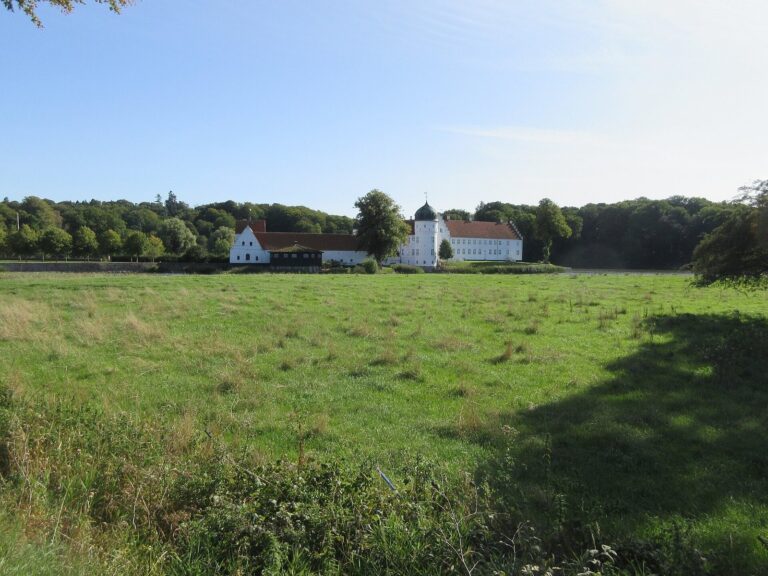
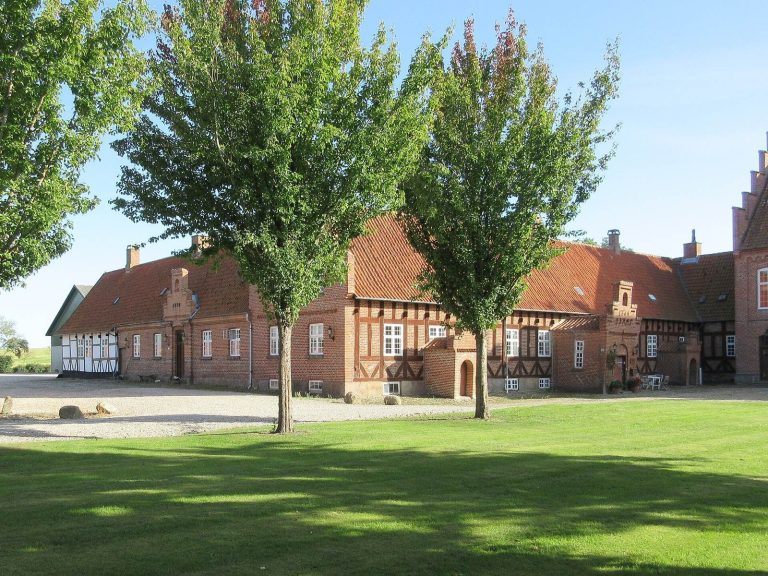
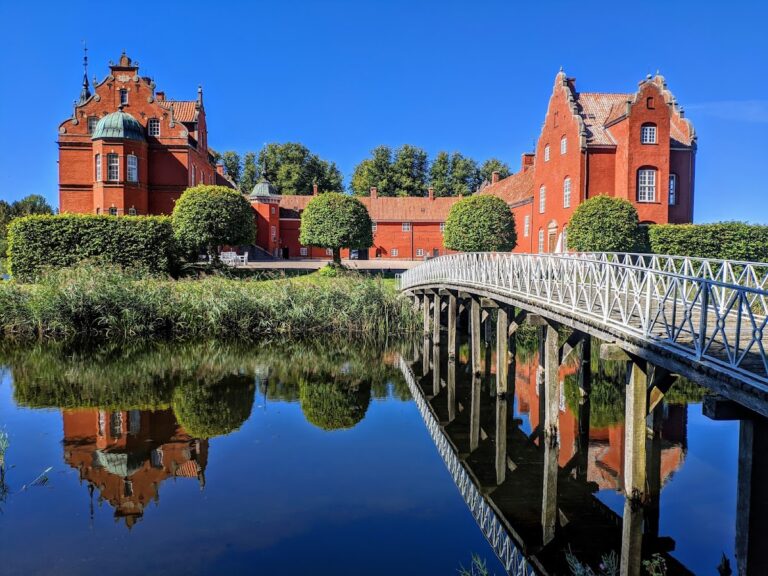
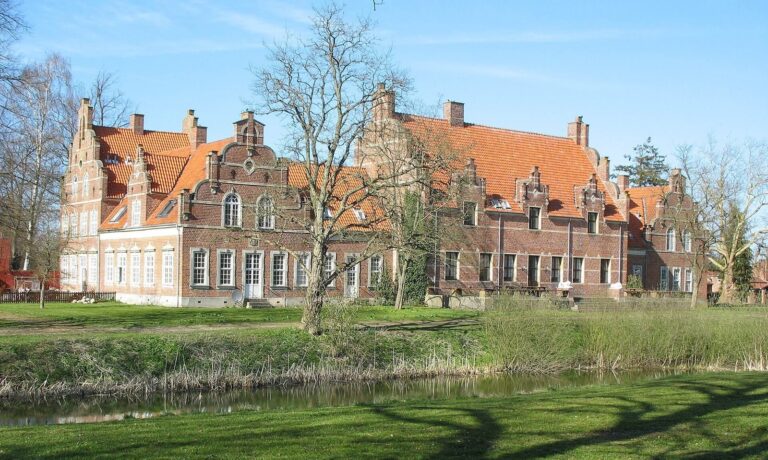
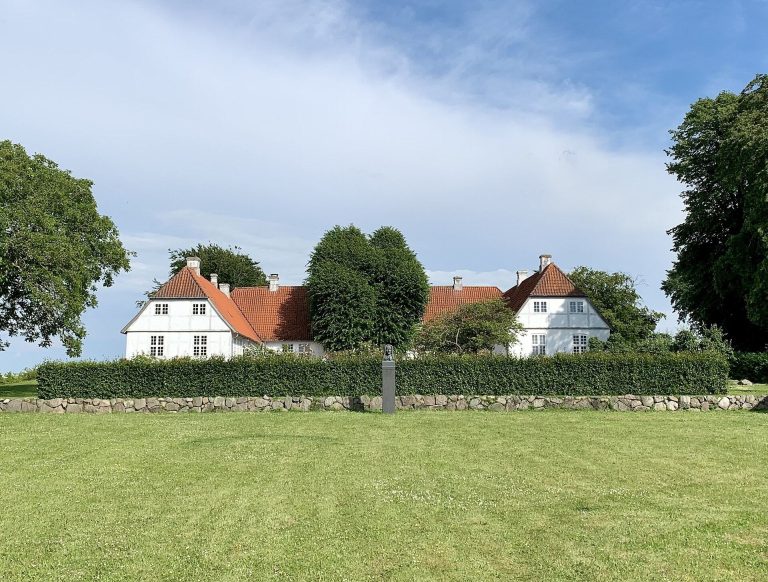
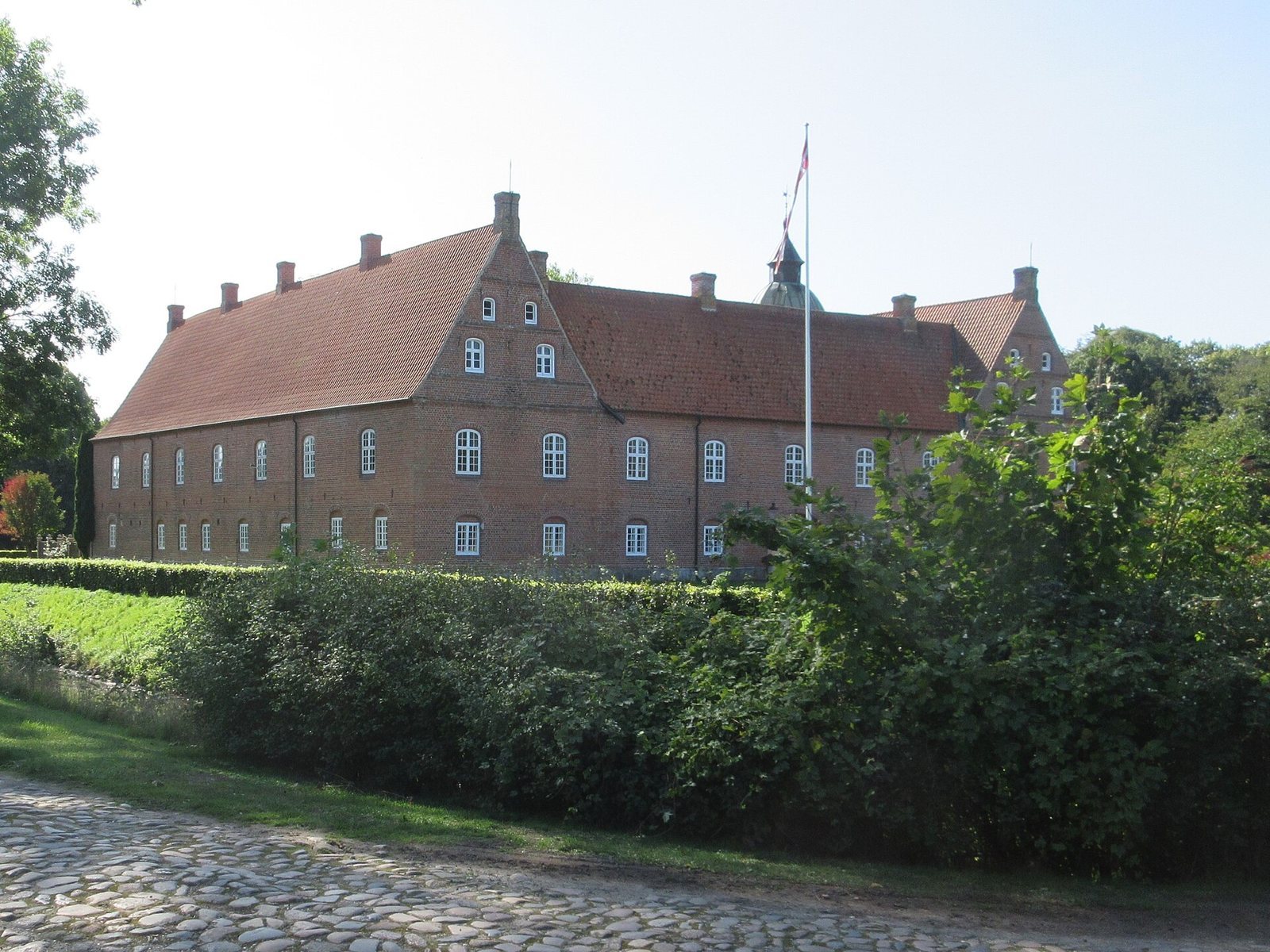
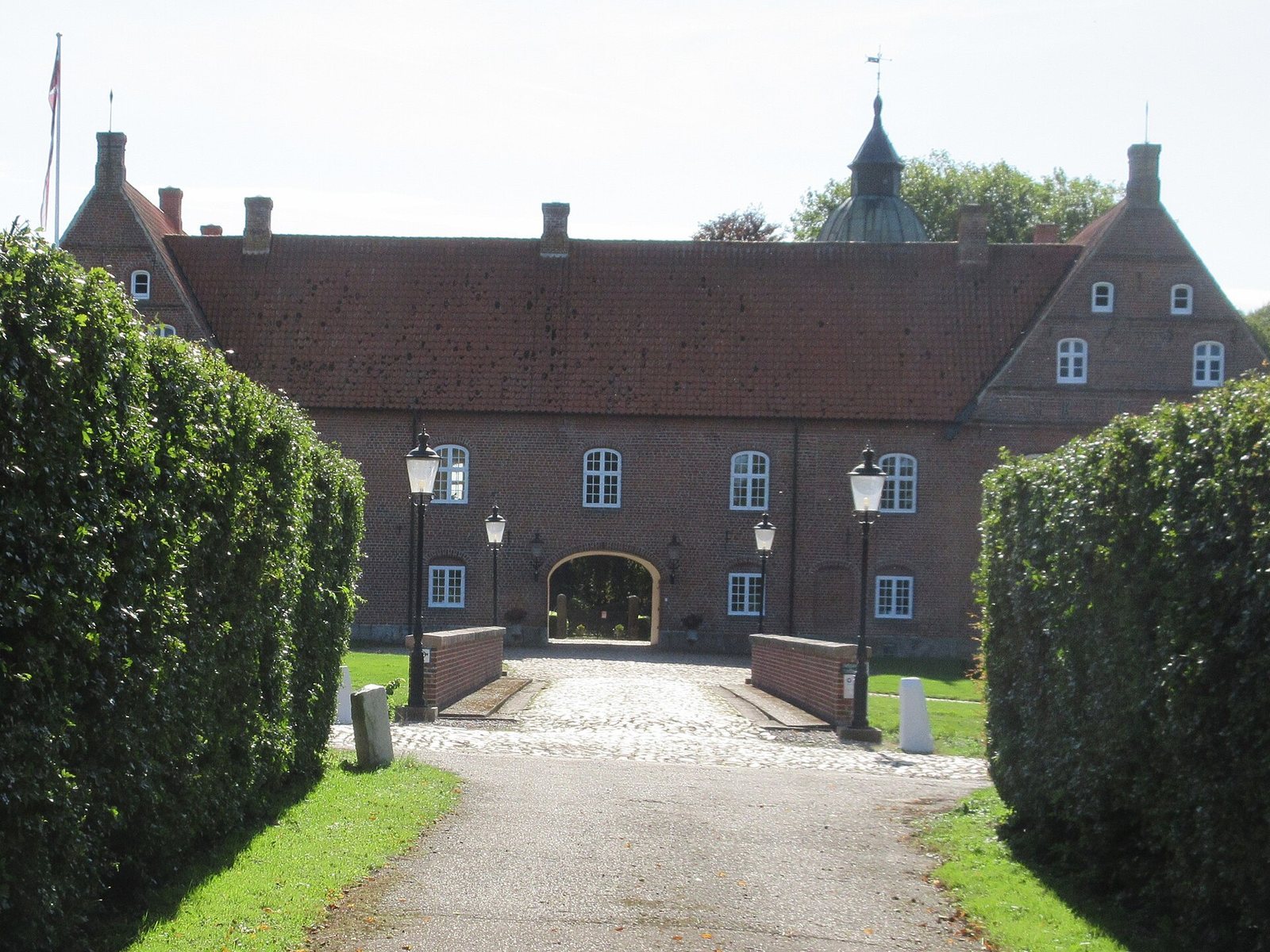
Kongsdal’s main building has three wings. The estate lies in a forested area, with cold-deciduous woodland, where trees shed their leaves during the cold season. The area falls within the cool temperate moist forest zone in the Holdridge system, which classifies climate and vegetation using temperature and precipitation.
The estate’s soils are Cambisols, a group characterized by developing subsurface layers. At shallow depths, their colour or structure differs from that of the parent soil.