Castle Maxburg: A Nineteenth-Century Country House and Estate in Belgium
Site at a Glance
- Rating
- 4
- Popularity
- Very Low
- Country
- Belgium
- Primary era
- Modern
- Eras represented
- Modern
- Civilizations
- Belgian
- Site type
- Domestic
- Remains
- Castle
On this page9 sections
History
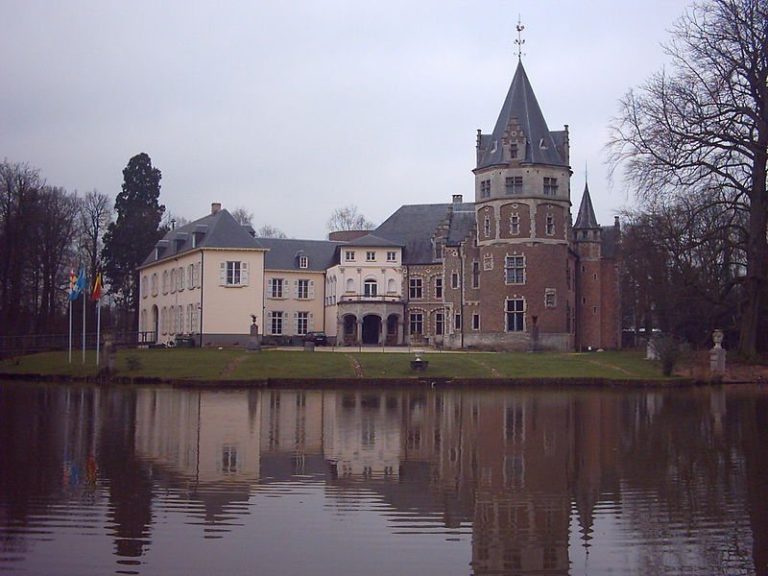
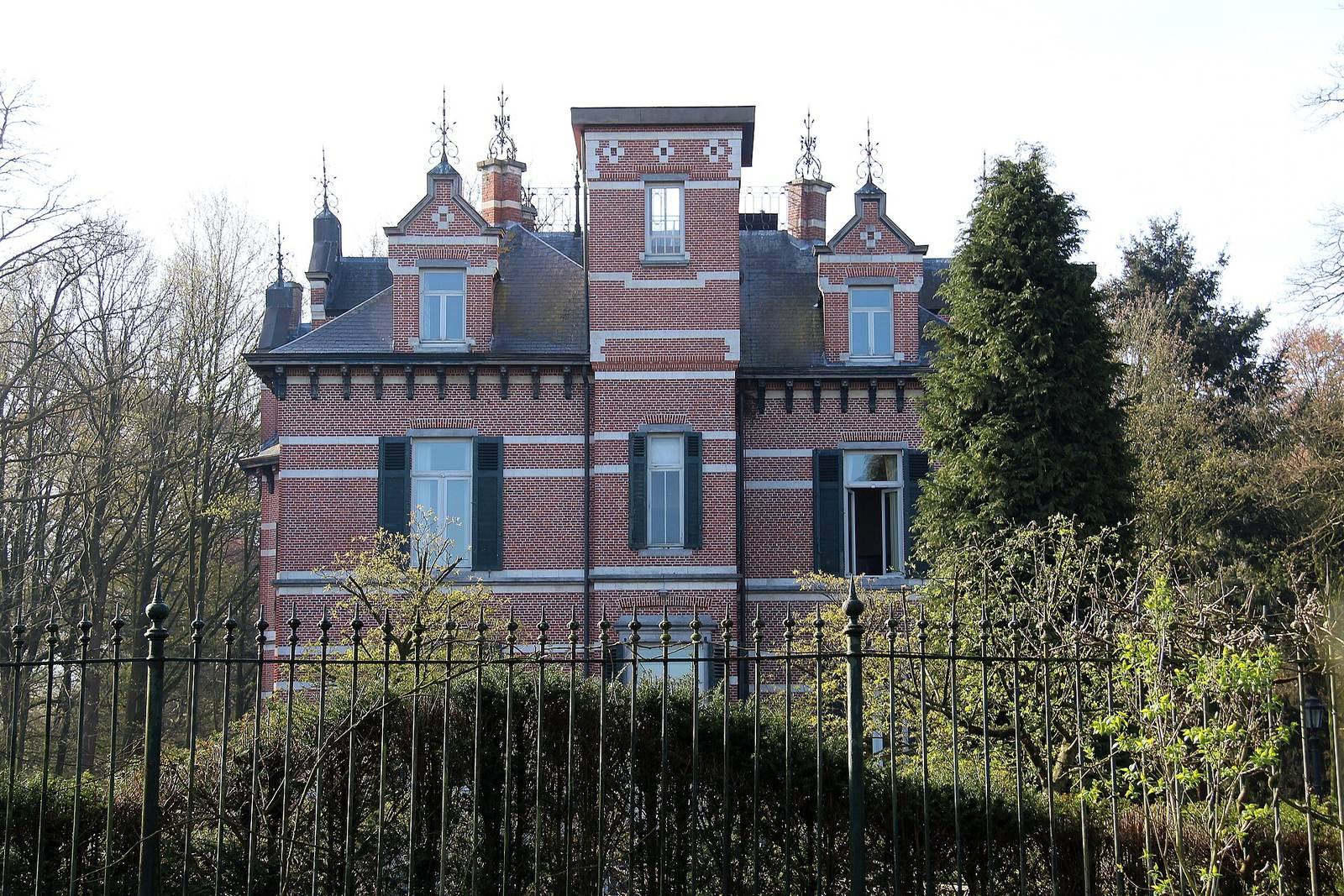
Castle Maxburg is a nineteenth-century country house and estate in Hoogstraten, Belgium, built by Maximiliaan Van den Bergh.
From earlier farm to nineteenth-century estate
A ducal farm called Aertsehoef, associated with Niklaas Leopold of Salm-Salm, a member of the princely Salm-Salm family, may have stood on the estate as early as 1755. Before developing Maxburg, Maximiliaan and his brother Jean Félix worked as Antwerp shipbrokers under the name Van den Bergh Fils. In 1843, they took over their father Jean-Jacques’s De Gulden Klok brewery and gin distillery.
Maximiliaan, the eldest son of Antwerp shipowner Jean-Jacques Van den Bergh, acquired the 1,200-hectare Heyhoef estate at Meer in 1853. Most of the land was then uncultivated. Around 1860, the Maxburg estate gained a house for its manager and a farm; a distillery followed in 1863. Grain grown on the estate was used to make gin.
Changing ownership and wartime use
After Maximiliaan died in 1873, the estate passed to Jean Félix and later, through marriage, to the Havenith family. Financial problems after the 1929 stock-market crash led to the land being divided among local farmers and growers, many of whom cultivated strawberries.
In the late 1930s, assistant parish priest Albert Naveau bought the country house and adapted it as a natural-history museum, a nursery school and a holiday residence. During the Second World War, the Flemish Voluntary Labour Service, a wartime labor organization in Flanders, used the castle as a camp for several months. Its members also carried out further land-reclamation work on the estate.
Fighting, restoration, and later use
At the end of October 1944, German troops fought fiercely in the border area around the castle for several days, with many casualties. The Timberwolves, the nickname of the U.S. Army’s 104th Infantry Division, took the estate on 27 October. That evening, the first American reconnaissance troops reached the center of Meer, while the division advanced to Zundert in the Netherlands.
After the war, the castle remained empty for a long time and deteriorated severely. Its owner carried out a major restoration between 1994 and 1999. The building operated as a bed-and-breakfast until 2008, was then sold, and is now a private residence.
Remains
The estate included the country house, a house for the estate manager, a farm, a distillery and a park.
Inscribed and commemorative features
Entrance-drive stone
A bluestone beside the road at the entrance drive carries a saying attributed to Irish writer and satirist Jonathan Swift (1667-1745). It contrasts increasing the growth of grass with the victories of a conqueror. The stone represents the nineteenth-century transformation of heathland into productive meadows and fields.
Inscription on the rear façade
An inscription on the rear façade gives the name Max. Van den Berghe and the date 31 May 1869.
Border monument
A monument was placed near the border at Maxburg in 2018 in connection with a theatrical walking tour inspired by the area’s liberation period. Jos Vinkx designed it, and students from VITO Hoogstraten, a secondary school providing technical and vocational education, developed it.