Burgstall Falken: Site of a Former Hill Castle in Germany
Site at a Glance
- Rating
- 4
- Popularity
- Very Low
- Country
- Germany
- Primary era
- Medieval
- Eras represented
- Medieval, Early Modern
- Civilizations
- Holy Roman Empire
- Site type
- Military
- Remains
- Castle
On this page4 sections
History
Burgstall Falken, also called Heidelburg, is the site of a former hill castle in Bad Grönenbach, Germany, with origins in the tenth century.
The castle and the Rothenstein line
The original castle burned in 1487. From 1492, it belonged to Heinrich von Rothenstein, a nephew of Konrad the Younger of Rothenstein. Heinrich founded the Rothenstein-Falken line and rebuilt the castle in 1496. Achar and Gangolf von Rothenstein had a new building erected in 1505.
During the German Peasants’ War, a major uprising in German-speaking territories in 1524–1525, Allgäu peasant forces plundered the castle in 1525. It remained with the Rothenstein family until Hans Heinrich’s death in 1562 brought the Rothenstein-Falken line to an end.
Abbey control and demolition
After the family line ended, the castle passed to Hans Heinrich’s relative Christoph von Bollstädt, then was conquered by the Prince-Abbey of Kempten, an ecclesiastical principality ruled by its abbots. In 1571, the abbey granted Falken to Heinrich von Stein zu Niederstotzingen. From 1642 to 1692, the castle served as an administrative office for the abbey.
After secularization in 1803, the transfer of religious institutions’ property and authority to secular control, the postal station keeper Dodel owned the castle. Its owner had the complex demolished in 1821.
Remains
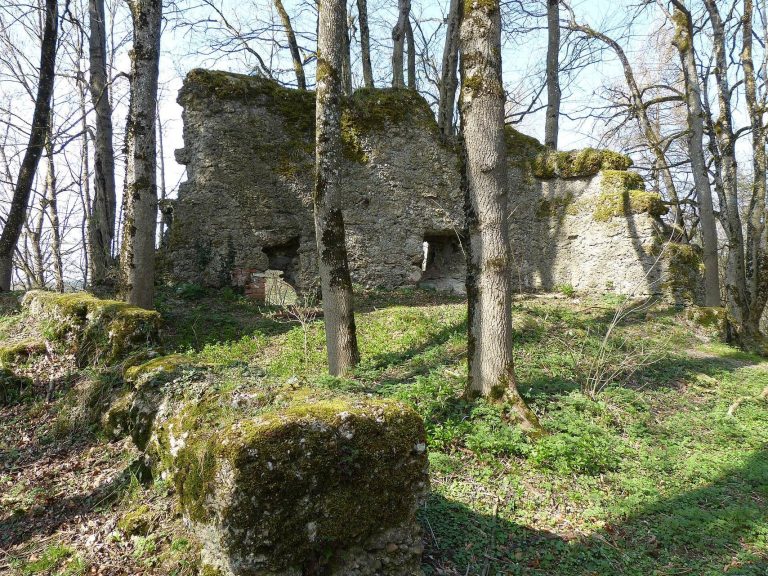
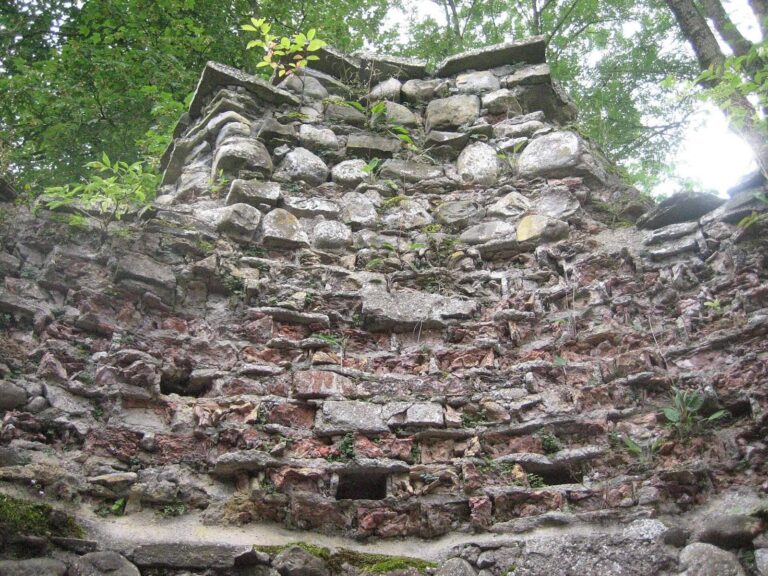
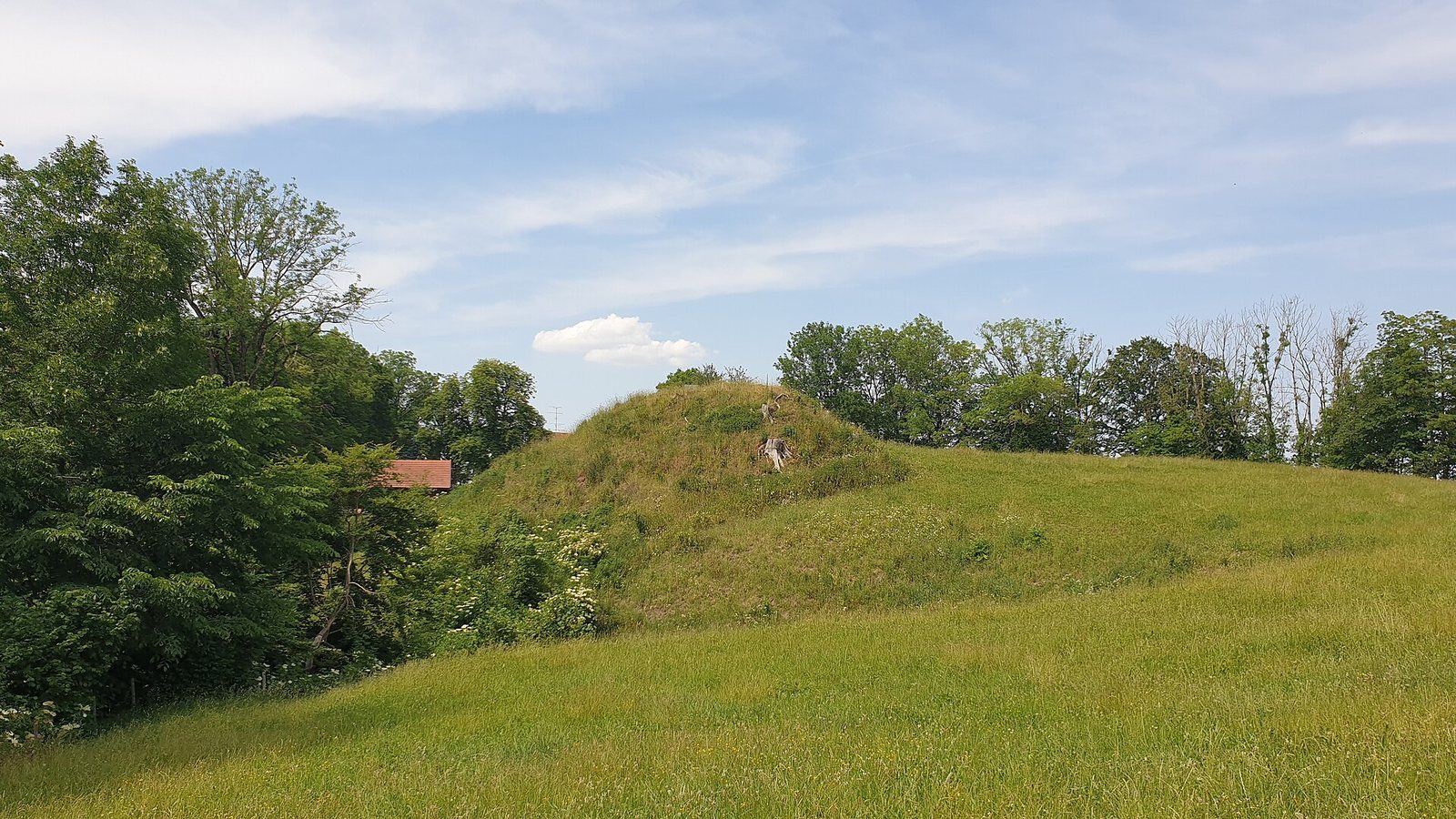
The castle stood on a spur of Falken Hill, northeast of Ittelsburg, at an elevation of 780 metres above sea level. Its surviving remains include a castle mound, ditches and a few fragments of masonry.
A memorial stone marks the site of Heidelburg.