Via dei Sepolcri: A Historic Road in Syracuse
Site at a Glance
- Popularity
- Medium
- Country
- Italy
- Primary era
- Classical
- Eras represented
- Classical, Medieval
- Civilizations
- Ancient Greek, Byzantine
- Site type
- Infrastructure
- Remains
- Road
On this page4 sections
History
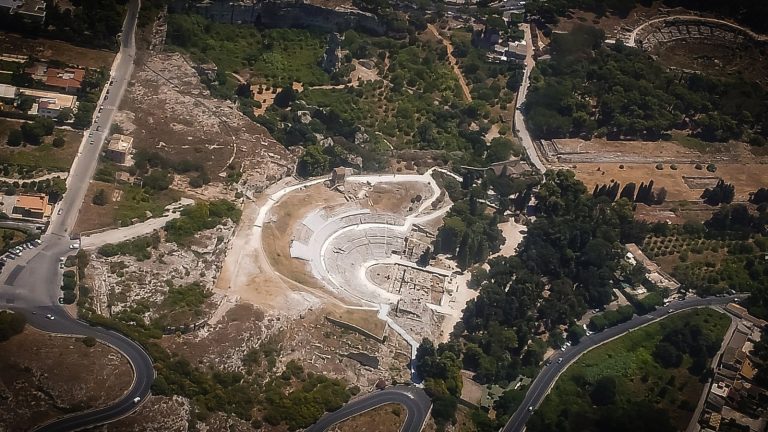
Via dei Sepolcri is a historic road on Temenite Hill in Syracuse, Italy.
In Syracuse’s Greek religious tradition, the route is associated with the worship of heroes. In early Greek antiquity, heroes could be regarded as figures between human and divine; later, the term could also describe distinguished people honored after death.
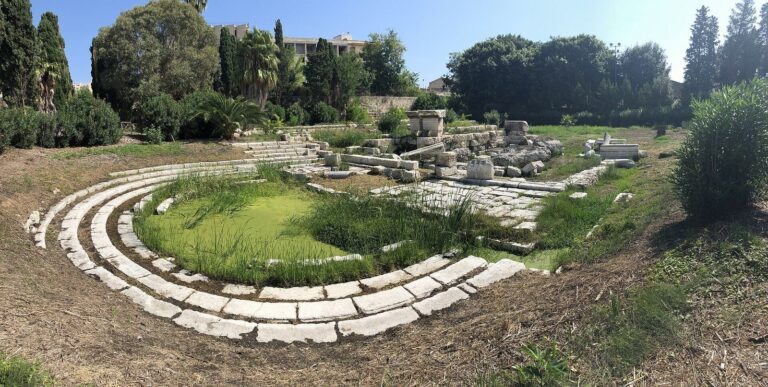
The road may have served as an entrance to the Greek Theatre of Syracuse. This interpretation rests on its proximity to the theatre’s terrace and the Nymphaeum of the Dionysian actors, a shrine or monumental fountain associated with nymphs and performers linked to Dionysus, the Greek god of wine and theatre.
Remains
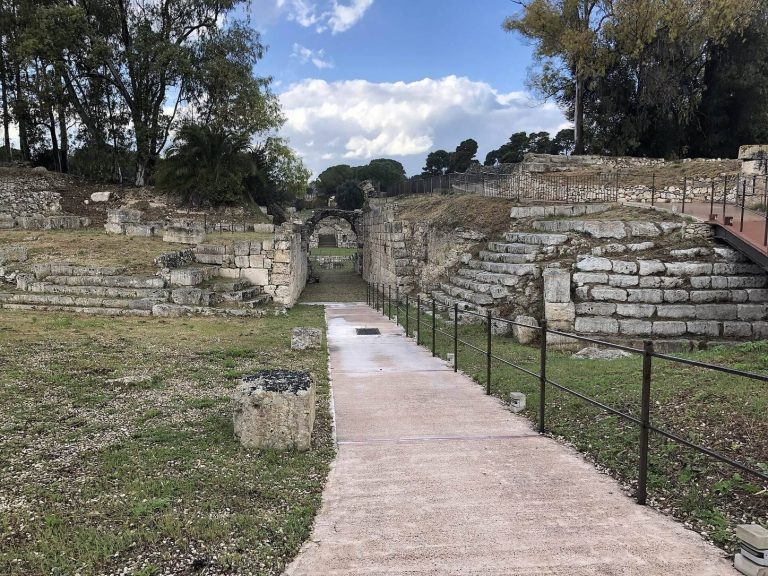
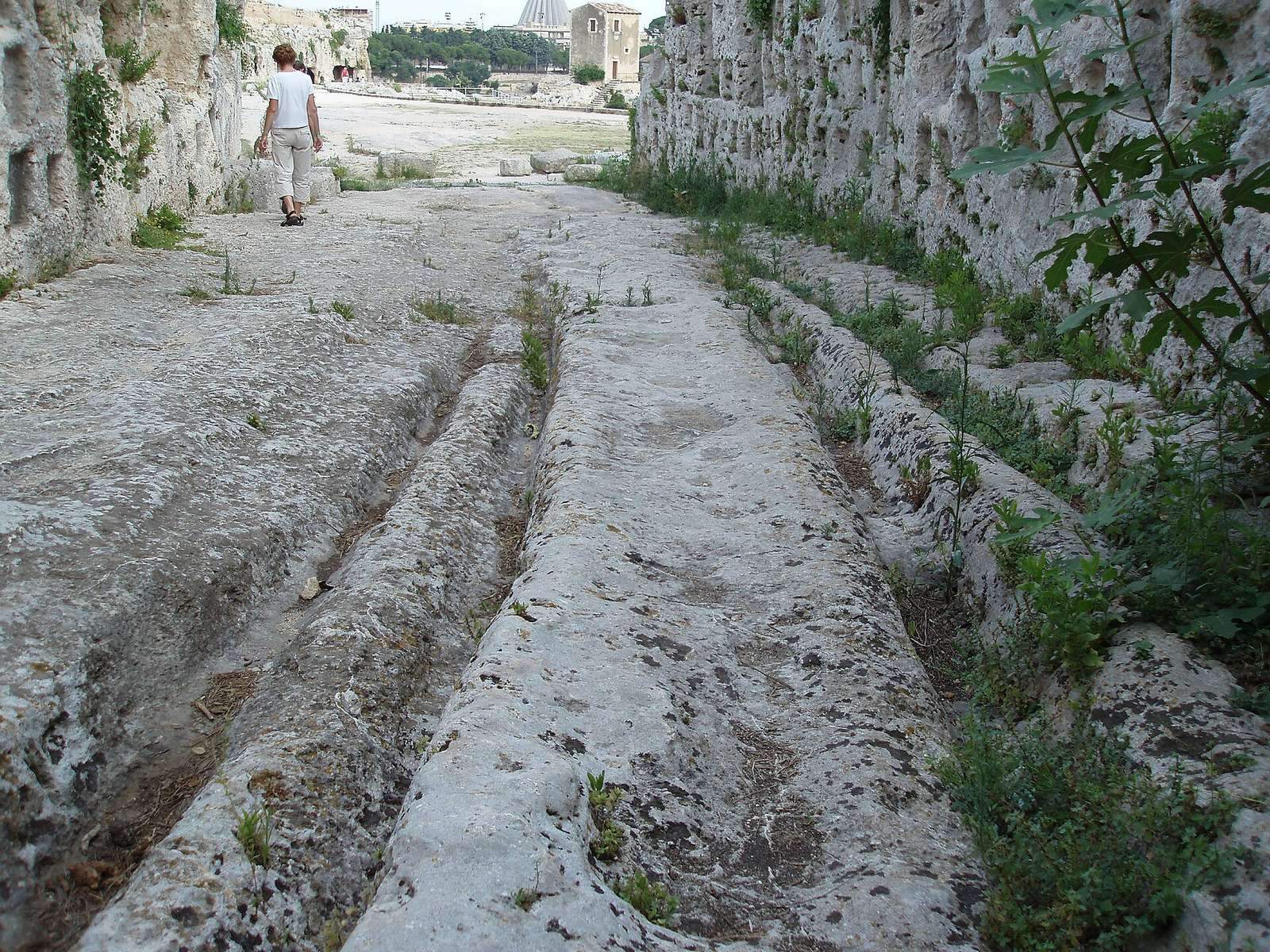
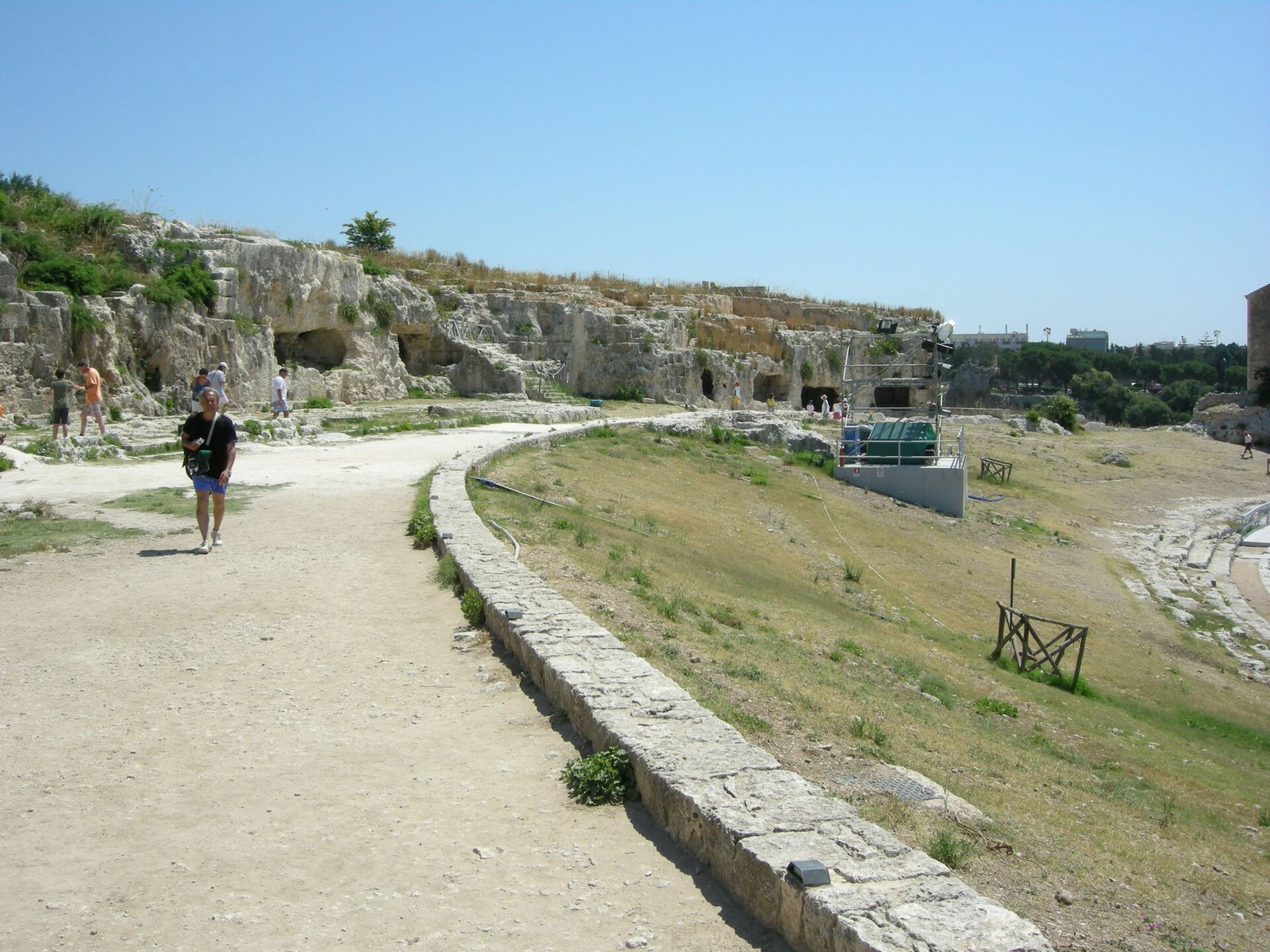
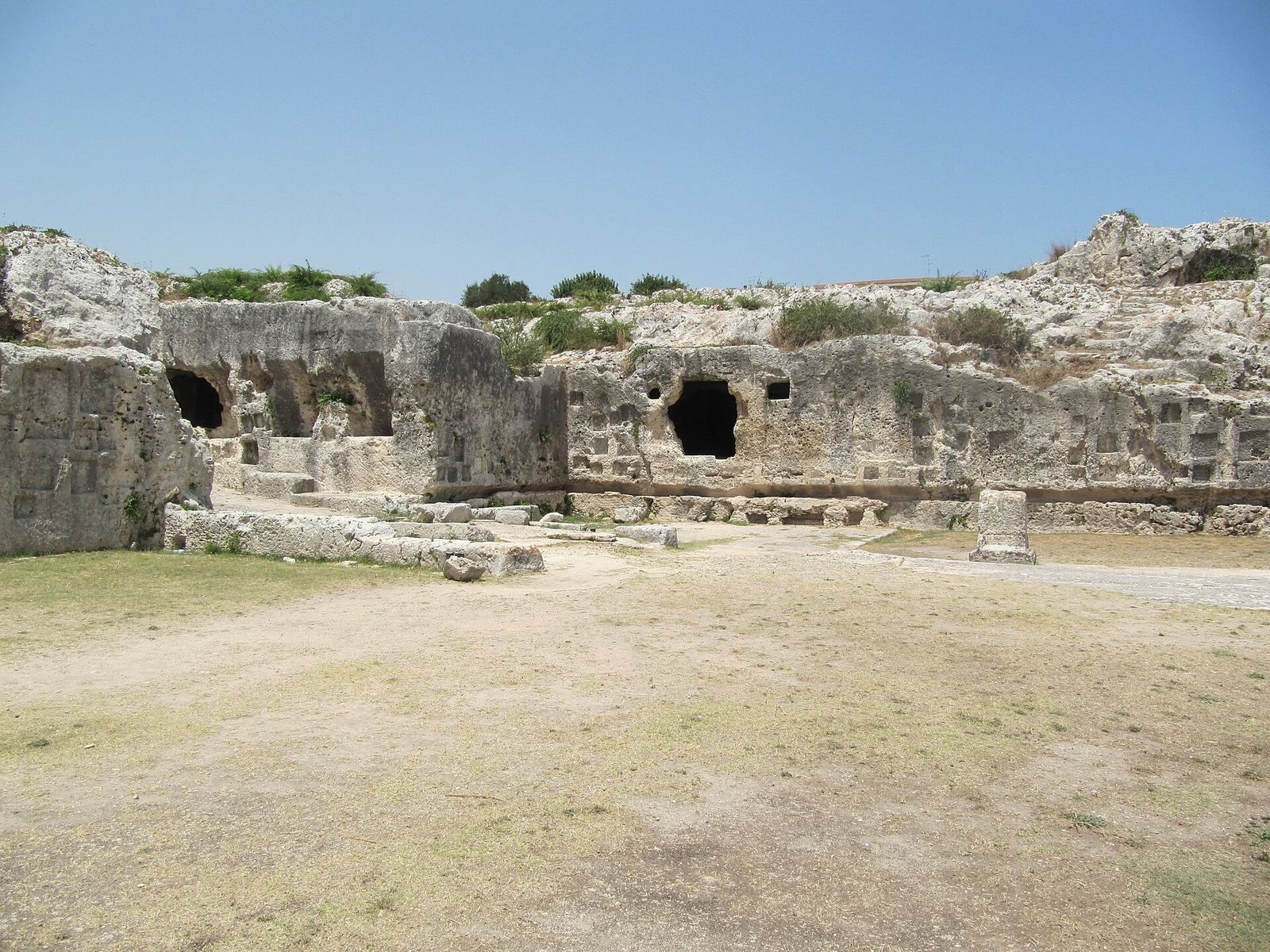
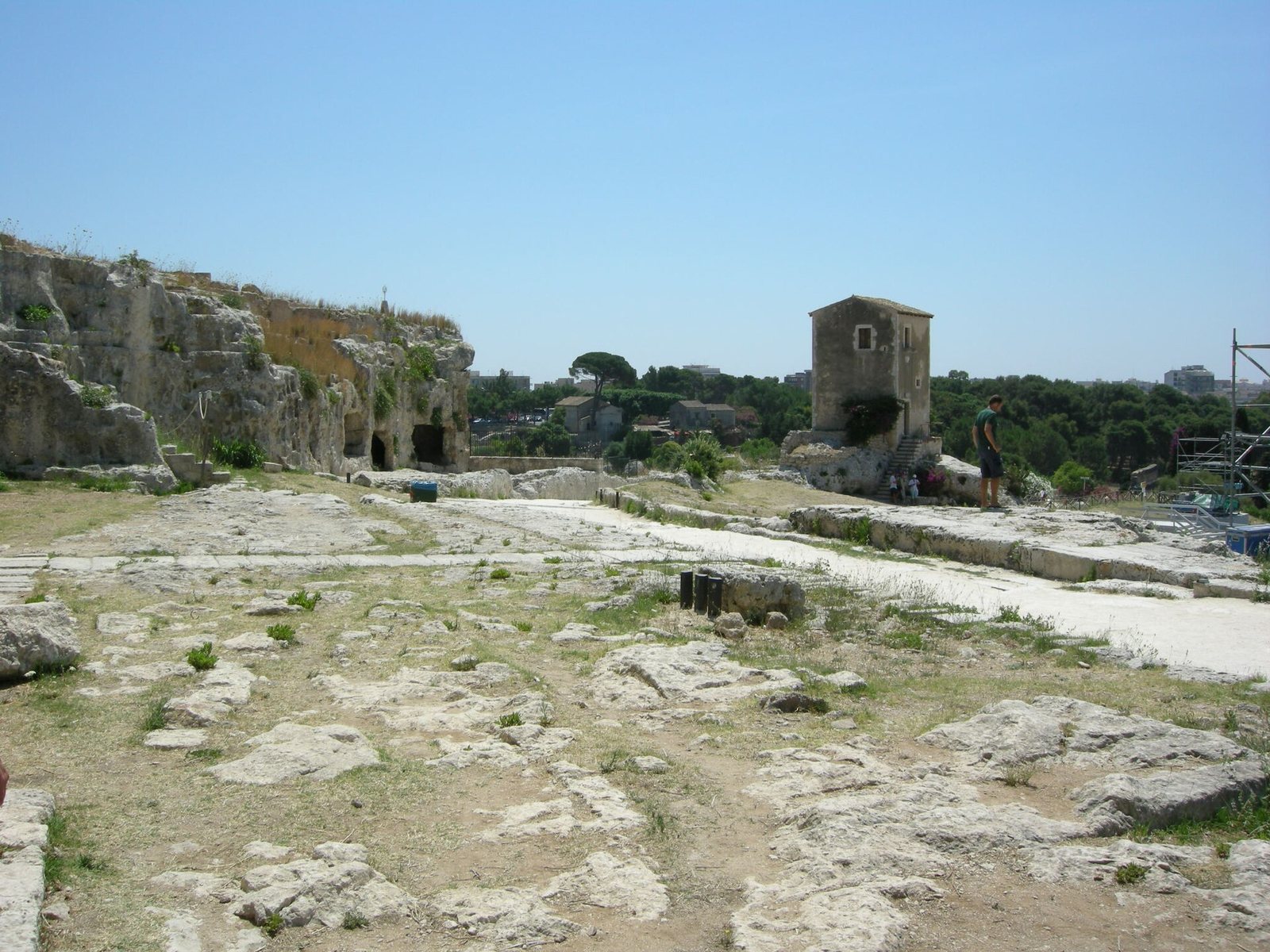
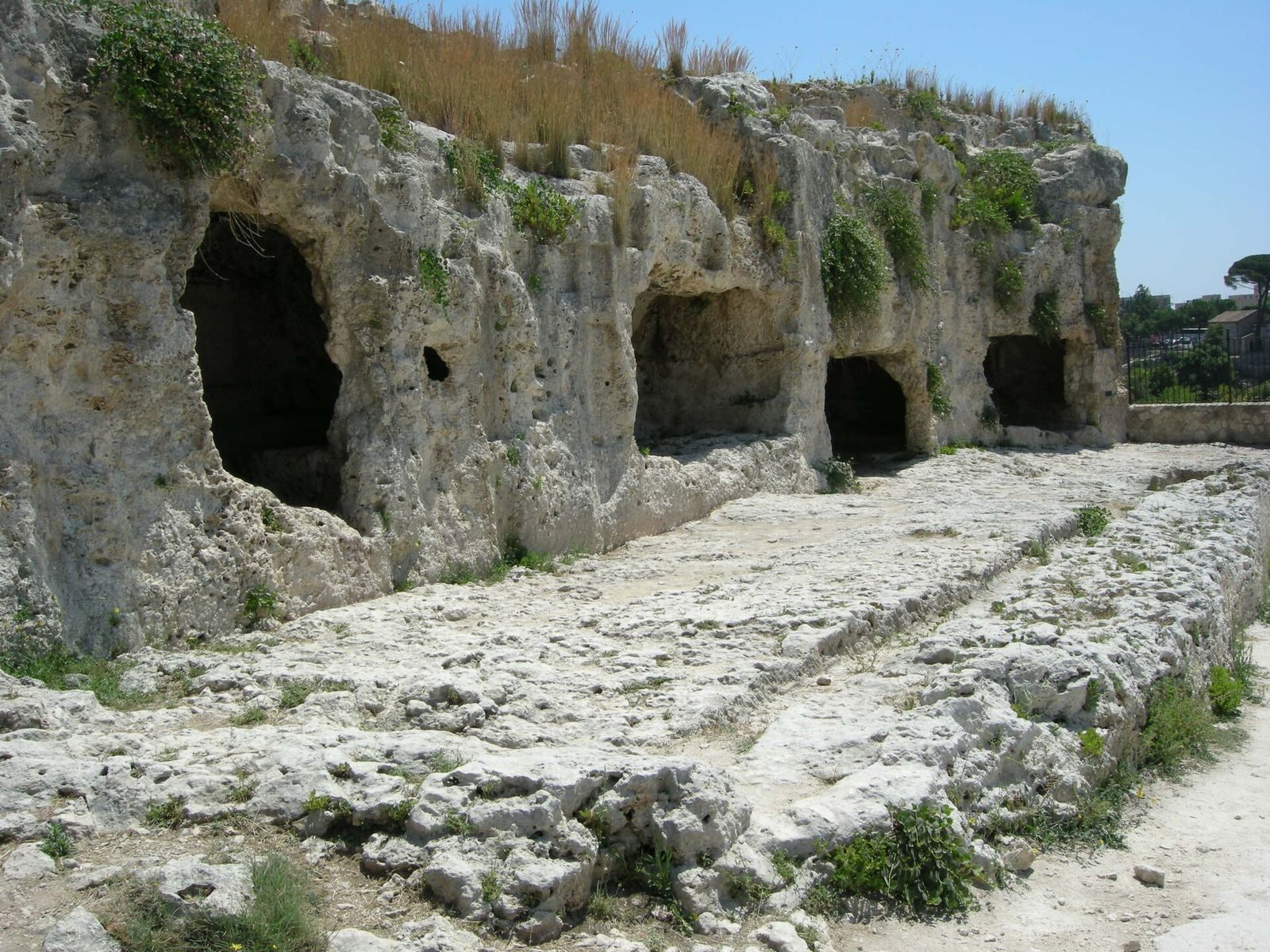
Within the Neapolis Archaeological Park, the 150-metre-long road climbs to the highest point of Temenite Hill. It bends west before turning north, with high rock walls along both sides.
The road and rock-cut shrines
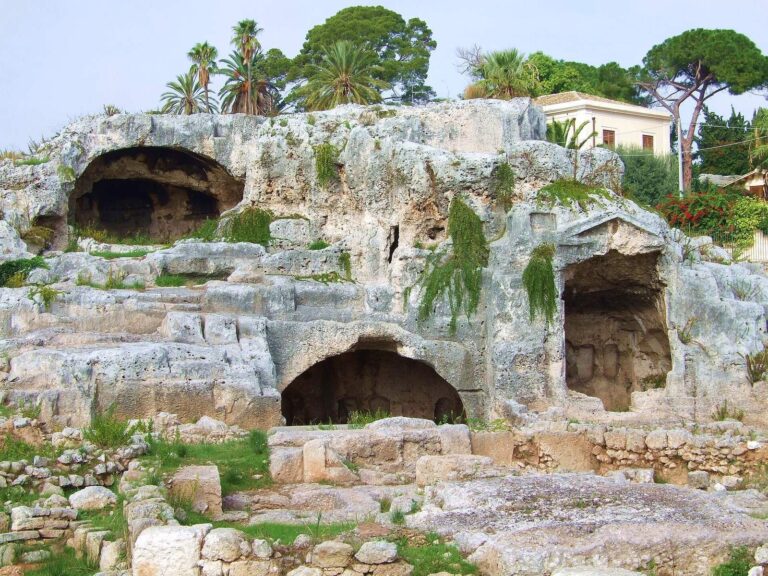
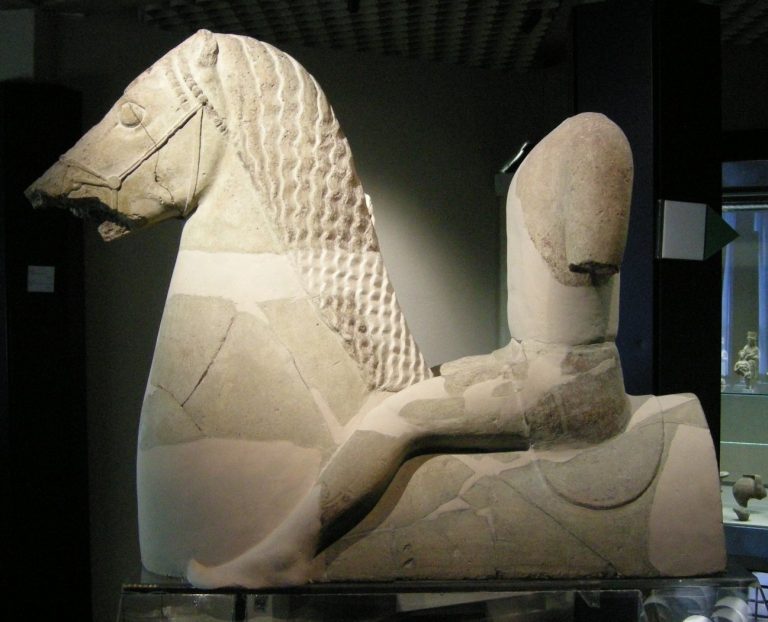
Small shrines for offerings are cut into the rock along the route. Near its end, a recess represents the Dioscuri, the twin figures Castor and Pollux, on horseback, and Triptolemus in a chariot drawn by serpents. Triptolemus is associated in Greek mythology with agriculture and the spread of grain cultivation.
Later traces and the hilltop sanctuary
Underground chambers, or hypogea, along the road belong to the Byzantine period of the Eastern Roman Empire, indicating use after the era of Greek culture in Sicily. Deep cart ruts reflect later traffic by carts travelling to watermills during Spanish rule in Sicily. At the summit are remains of the Sanctuary of Apollo Temenite, dedicated to Apollo, a major Greek god. The sanctuary gave Temenite Hill its name.