Castiglione Ruins: An Early-Medieval Fortified Settlement in Italy
Site at a Glance
- Popularity
- Low
- Country
- Italy
- Primary era
- Medieval
- Eras represented
- Classical, Medieval
- Civilizations
- Papal States, Roman
- Site type
- Military
- Remains
- Fortified Town
On this page10 sections
History
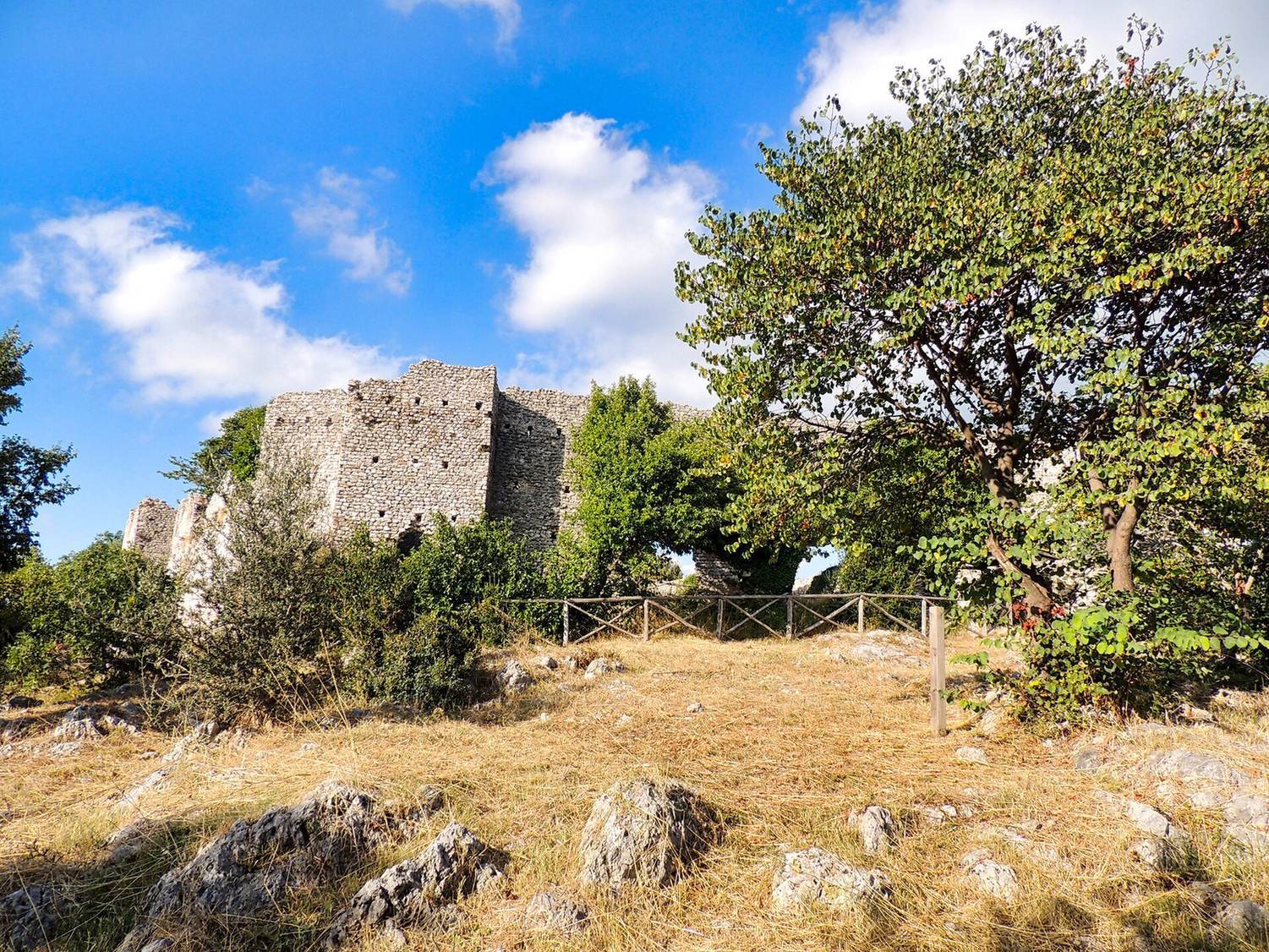
The Castiglione Ruins are the remains of an early-medieval fortified settlement in Italy, on the western slope of Monte Le Carbonere. Built around AD 870–920, the complex occupied a defensible position opposite Palombara Sabina.
Foundation and early medieval setting
The fortification is thought to have been built in a single campaign rather than in successive stages. A Roman villa may have occupied the hill before the medieval settlement, with the fortification later built over its ruins.
A hermitage dedicated to St Martin stood nearby from around AD 1000 and remained in use until the seventeenth century.
Ownership and decline
A record from 1276 names Rainaldo di Palombara as the castle’s owner. His sons later transferred it to Deodato da Cretone. Toward the end of the thirteenth century, it passed to Pope Honorius IV, who held the papacy from 1285 to 1287. The Savelli family retained the castle until the mid-fourteenth century, when it passed to the Della Valle family.
The Register of the Jurisdiction of the Bishopric of Sabina described the complex as ruined by 1343. A record from 1427 links its abandonment to epidemics and repeated conflicts among noble families. Structural failures, perhaps caused by earthquakes affecting the buildings or the ground beneath them, offer another possible explanation. Giovan Battista Savelli’s testament of 11 October 1445 indicates that the complex was already in ruins by the mid-fifteenth century. Its decline was probably connected to the growth of nearby Palombara Sabina, which occupied a more favorable location.
Remains
The complex covers about 1,200 square metres on the western slope of Monte Le Carbonere, at an elevation of 468 metres, within the Monti Lucretili park and opposite Palombara Sabina. It comprises a settlement, a church, and a cistern; the castle survives as ruins.
Defences and castle
Outer defensive circuit
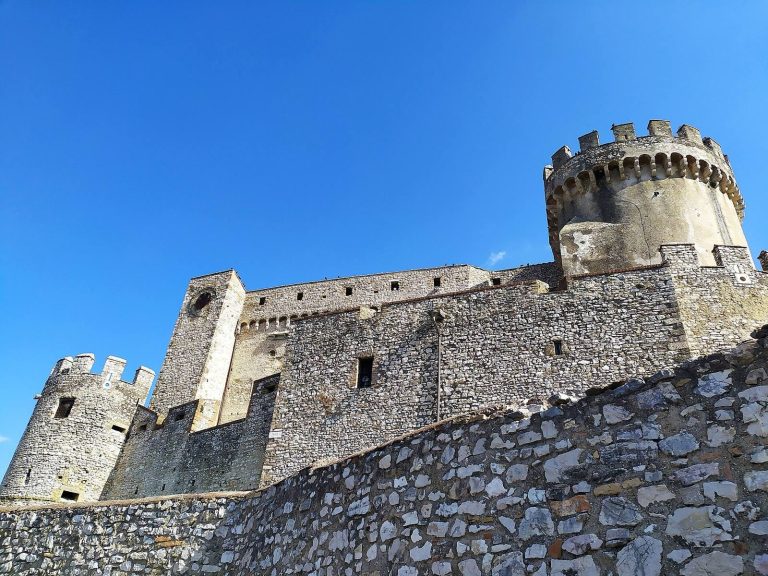
An outer wall defended the settlement. Seventeen towers originally stood around its perimeter, and towers remain along the wall.
Inner castle circuit
A second defensive circuit enclosed the castle, which served as the settlement’s last stronghold during a siege.
Water supply and cultivation
Cistern
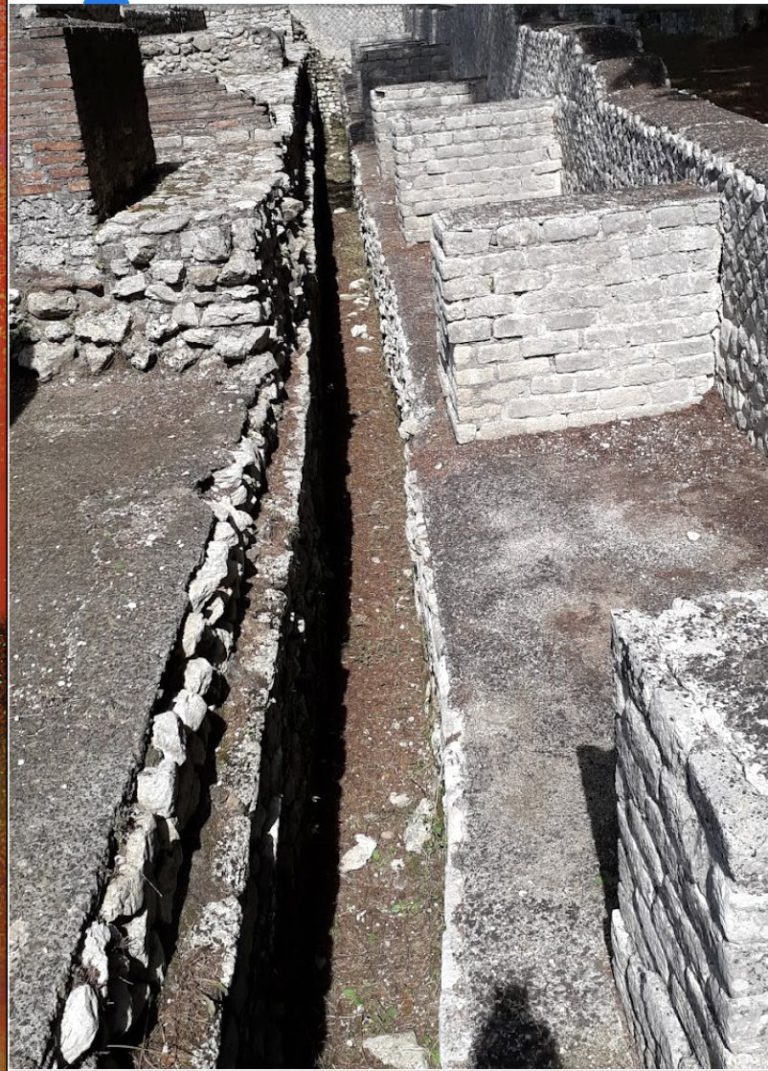
The Roman-origin cistern was built using earlier remains in the surrounding area. It has two openings, one at the top, level with the settlement’s principal buildings, and another on its north side. A keep is thought to have stood above it. The upper opening may have served the keep, while residents may have used the side opening.
Agricultural terraces
Seven levels of agricultural terraces are associated with the hill. They remained in use and in good condition until the twentieth century. Later urban development erased many, although some terraces are still visible, particularly near the medieval settlement.