Kaman-Kalehöyük: A Multi-Period Settlement Mound in Türkiye
Site at a Glance
- Popularity
- High
- Country
- Turkey
- Primary era
- Iron Age
- Eras represented
- Bronze Age, Iron Age, Classical, Medieval, Early Modern
- Civilizations
- Achaemenid, Hittite, Lydian, Ottoman, Phrygian
- Site type
- City
On this page16 sections
History
Kaman-Kalehöyük is a multi-period settlement mound in Bahçelievler, near Kaman in Kırşehir Province, Türkiye. Occupied from the Early Bronze Age, beginning in the third millennium BCE, through the Bronze and Iron Ages and into medieval and Ottoman times, it preserves four principal archaeological levels, numbered IV to I, and many building phases. The settlement was an important center during the Assyrian Trade Colonies period, when Assyrian merchants operated in Anatolia, and during the Old Hittite period, an earlier phase of Hittite rule.
Early Bronze Age and Hittite periods
Level IV represents the Early Bronze Age and includes a transitional phase dated to around 2100 BCE. Bronze Age occupation continued in Level III. Pottery rich in mineral inclusions remained in use until about 1970 BCE, when Assyrian merchants introduced new techniques.
Level IIIc is assigned to the Assyrian Trade Colonies period, around the 20th to 17th centuries BCE. The settlement at Kaman-Kalehöyük was contemporary with Level Ib of the Assyrian merchant quarter at Kültepe, and an Old Assyrian text from the mound belongs to the same period. Phase IIIb is associated with the Old Hittite period, around the 17th to 15th centuries BCE, while IIIa corresponds to the Hittite Empire, a Bronze Age state centered in Anatolia, around the 15th to 12th centuries BCE.
Buildings, pottery, decorated vessel fragments, seals, sealings, metal objects, and the Old Assyrian text point to the settlement’s importance during the Assyrian trading era and the Old Hittite period. The remains of at least 73 people of different ages were found in a Bronze Age level. Their deaths may be connected with the destruction of the Assyrian trading settlement in the mid-18th century BCE. Fire and wounds from bladed weapons were among the causes of death.
Iron Age and Hellenistic occupation
Level II covers the Iron Age and the Hellenistic period, which followed the conquests of Alexander the Great and saw Greek cultural influence spread across western Asia and the eastern Mediterranean. The Iron Age sequence includes phase IId, dated by radiocarbon dating, an age estimate based on carbon-14, to the 11th through 9th centuries BCE; phase IIc in the 8th century BCE; and phase IIb in the first half of the 7th century BCE. Phase IIa spans the second half of the 7th to the second half of the 4th century BCE, with Hellenistic occupation in its later stages.
The sequence also includes Early Iron Age, Phrygian and Alişar IV, Lydian, and Achaemenid cultural associations. The Phrygians were an Iron Age people of Anatolia, while the Achaemenids ruled the Persian Empire. After Kırşehir and the surrounding region came under Persian rule in 550 BCE, Persian-period seals were found at the site. Written records identify an ancient settlement there as Zama.
Occupation continued after the Hittite Empire’s collapse. Archaeologist Sachihiro Omura interpreted continuity in pottery and building traditions between phases IId and IIc as evidence that the so-called Dark Age, a proposed period of limited cultural change in Anatolia from the 12th to the 8th century BCE, was not evident at Kaman-Kalehöyük.
Medieval and modern periods
Level I represents medieval occupation and includes an Ottoman phase dated to the 14th through 17th centuries. The Ottoman Empire was a Turkish-led state that ruled across parts of southeastern Europe, western Asia, and North Africa.
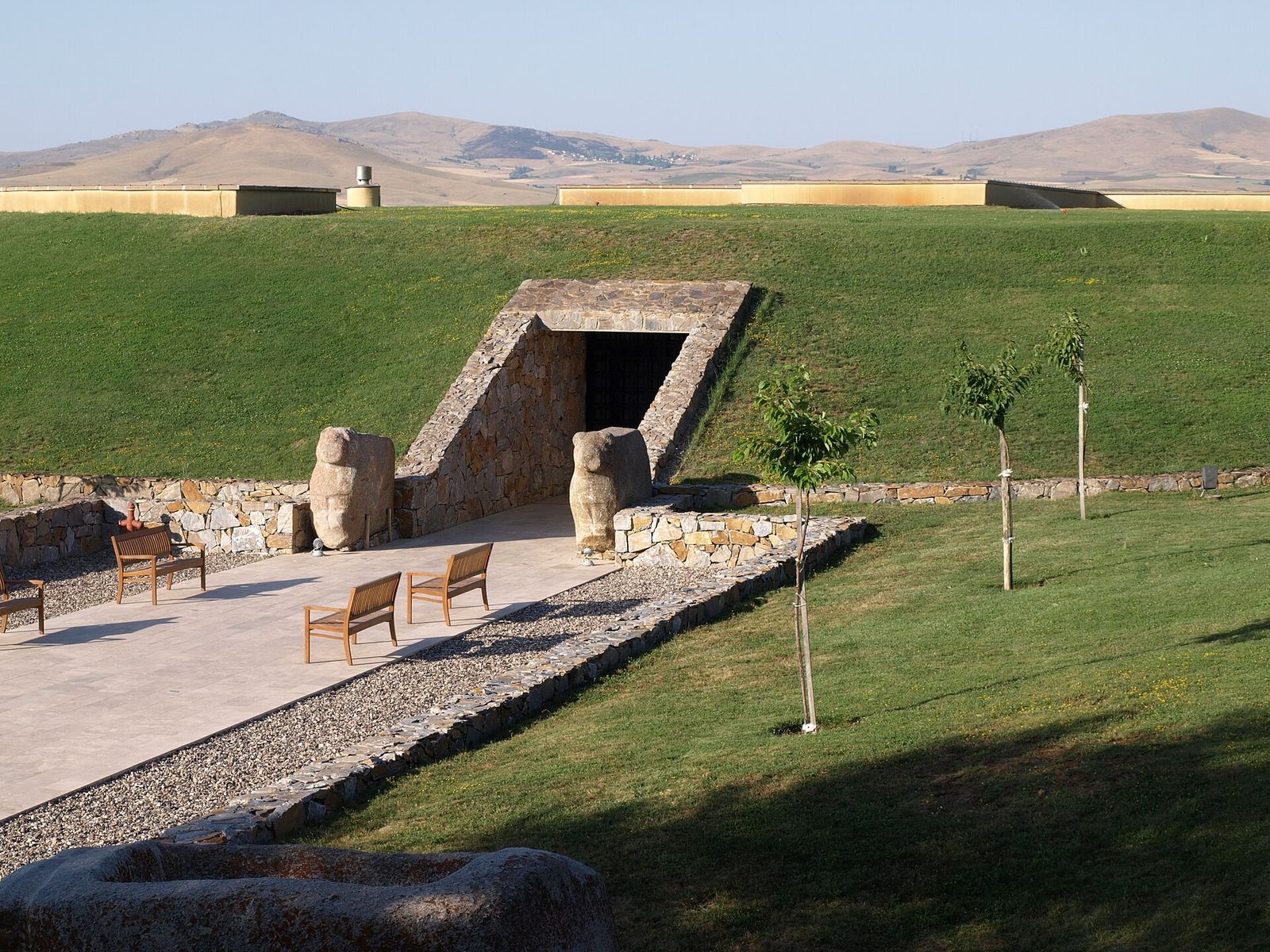
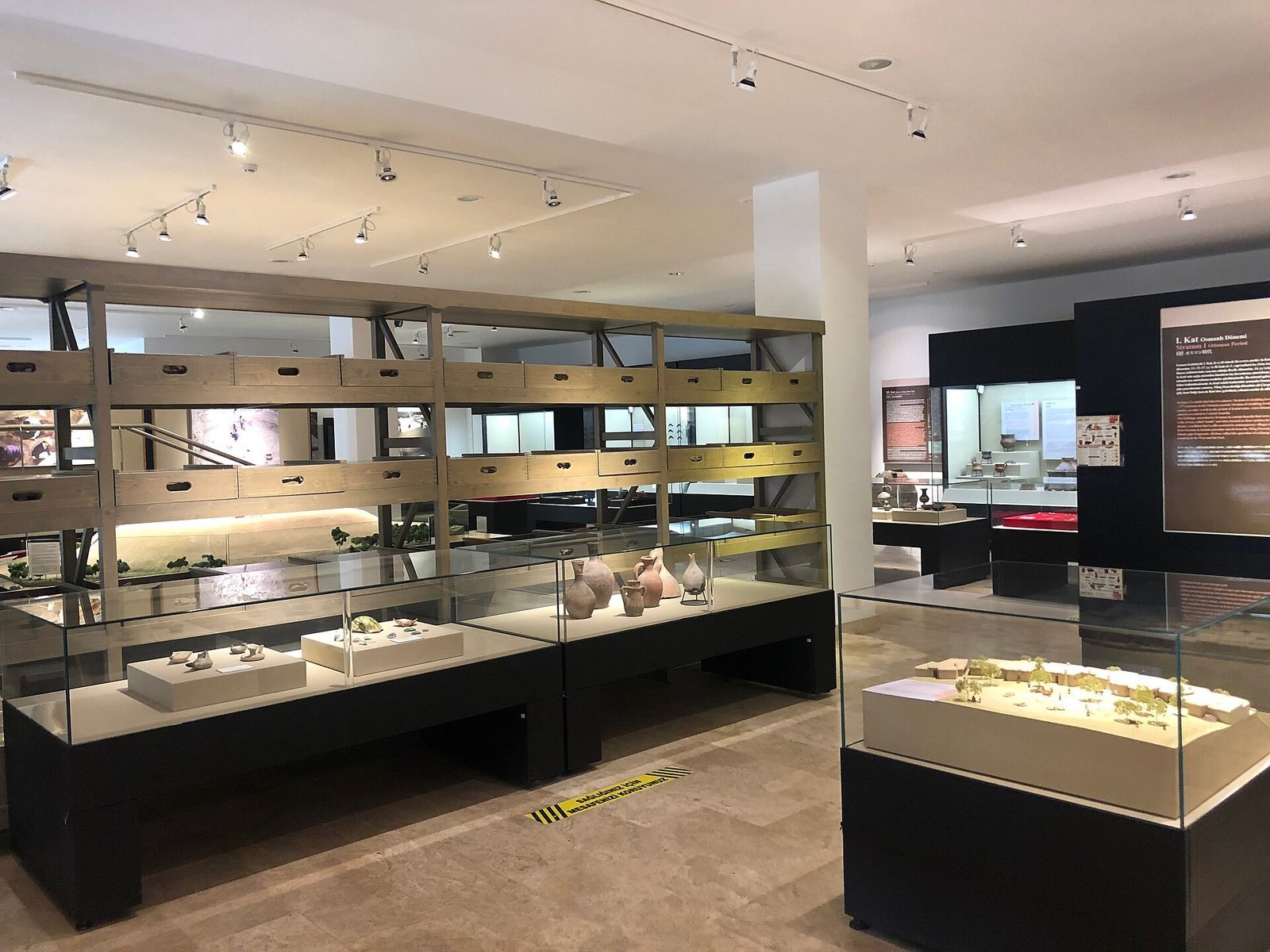
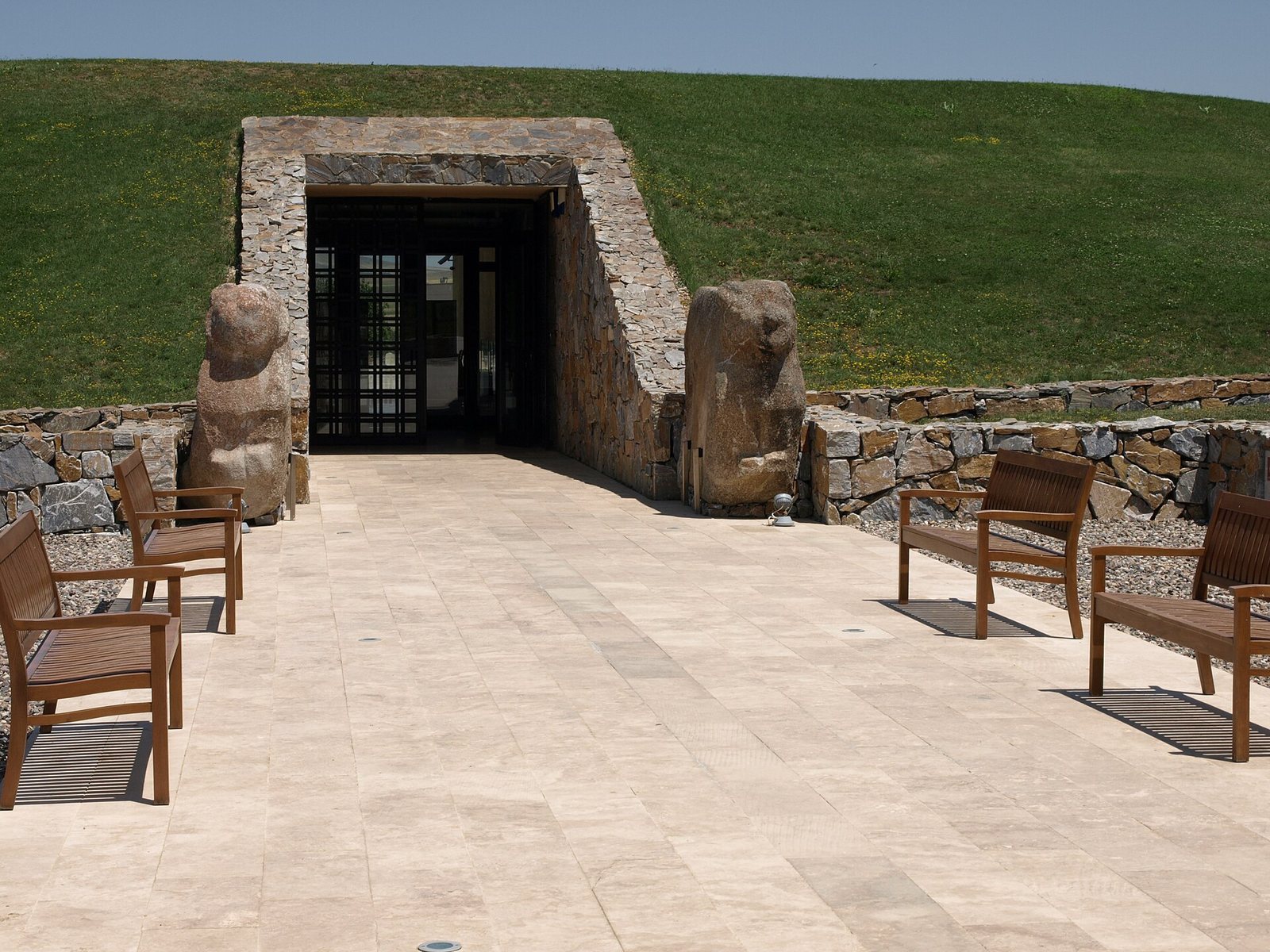
Excavations have taken place since 1986 under Japanese archaeologist Sachihiro Omura, on behalf of the Middle Eastern Culture Center in Japan and the Japanese Institute of Anatolian Archaeology. Kırşehir Museum authorities also excavated at the site in 2014. A museum about 2 km south of the mound was established through a cultural-heritage preservation project, combining archaeological displays with facilities for research and the examination and restoration of finds.
Remains
The mound measures about 280 m in diameter and rises 16 m. Its excavated levels preserve different settlement forms, including central storage structures, timber-built houses, and later two-room buildings. Finds from these occupations include pottery, metalwork, seals, glass, and objects associated with domestic and craft activities.
Bronze Age settlement
Grain silos
Five large, round structures near the center of the Old Hittite settlement were used as silos. The stored grain included tax supplies collected from the surrounding area as well as crops grown by the settlement’s inhabitants. Water surrounded the settlement to protect these stores.
Iron and glass
Iron fragments recovered in 1994 and dated to around 1800 BCE were examined by Hideo Akanuma, a researcher specializing in ancient metals, in 2005. Some proved to be carbon steel, an iron alloy whose principal added element is carbon, and are regarded as the earliest known evidence of steel manufacture. A 2023 study found substantial variation in carbon content among the iron and steel objects, interpreted as evidence of experimentation by early metalworkers. Glass from the site is estimated to date to around 1600 BCE and is among the oldest known examples.
Faience seal
A faience stamp seal, made from a glazed non-clay material, bears a bird identified as Horus and a circular figure identified as Ra. The combination has been interpreted as meaning “ruler of a foreign land.” The seal has been tentatively dated to the Amarna period, a phase of Egypt’s 18th Dynasty.
Iron Age settlement
Early Iron Age houses and pottery
Phase IId contains eight building levels, grouped as levels 1–5 and 6–8 according to their painted pottery. The structures are rectangular, single-room buildings with low basements. Impressions of post bases in the floors and walls made from a single row of stones indicate substantial use of timber. Painted pottery is abundant in levels 1–5 and absent from levels 6–8.
Painted designs in phase IIc closely resemble those in IId levels 1–4, and the motifs appear in developed form in IId level 4. Omura proposed that this pottery tradition came from the south and had no western connection. The IId building form, by contrast, has parallels at Gordion and was interpreted as western in origin. This architectural form does not occur in the Hittite Empire’s phase IIIa.
Two-room buildings
Two-room megaron-type buildings, a large rectangular form organized around a principal hall, became more common in phase IIa toward the end of that phase. They are thought to reflect influence from farther west and are believed to have been abandoned in the late 5th or early 4th century BCE.
Iron Age objects
Iron Age finds include fibulae, brooches used to fasten clothing, arrowheads, spearheads, horse-harness fittings, belt buckles, ornaments, pins, and decorative plates made from animal bone. Some arrowheads are in Scythian style, an artistic form associated with peoples of the Eurasian steppe. The assemblage also includes painted pottery, Phrygian and Achaemenid stamp seals, and a possible Elamite stamp seal.
Finds from the 2014 excavations include Late Iron Age terracotta pottery fragments, a miniature jug, grinding stones, weights, spindle whorls, which are weights used in spinning thread, and a glass pendant in Phoenician style. Late Bronze Age pottery fragments were also recovered.
Medieval and Ottoman remains
Hearths and workshops
The uppermost settlement level contains rectangular or semicircular hearths built into walls. Iron slag, horseshoes, and tools were found around them, while numerous ash-filled rubbish pits lay outside the buildings. The structures are thought to have served as metalworking workshops.
Objects from later occupations
Finds from the uppermost level include a fragment of 17th-century Chinese porcelain, a 17th-century European silver coin, bronze rings including one made of gold, silver ornaments, iron horseshoes, five fragments of hookahs, glass bracelets, agate beads, terracotta pipes, and stone spindle whorls. Objects assigned to the medieval phase include hairpins, a ceramic bowl, earrings, finger rings, a stone lamp, and coins.