Treasurer’s House, York: Residence of the Minster Treasurer
Site at a Glance
- Popularity
- High
- Country
- United Kingdom
- Primary era
- Early Modern
- Eras represented
- Classical, Medieval, Early Modern, Modern
- Civilizations
- British, English, Roman
- Site type
- Domestic
- Remains
- Elite Residence
On this page9 sections
History
The Minster treasurers
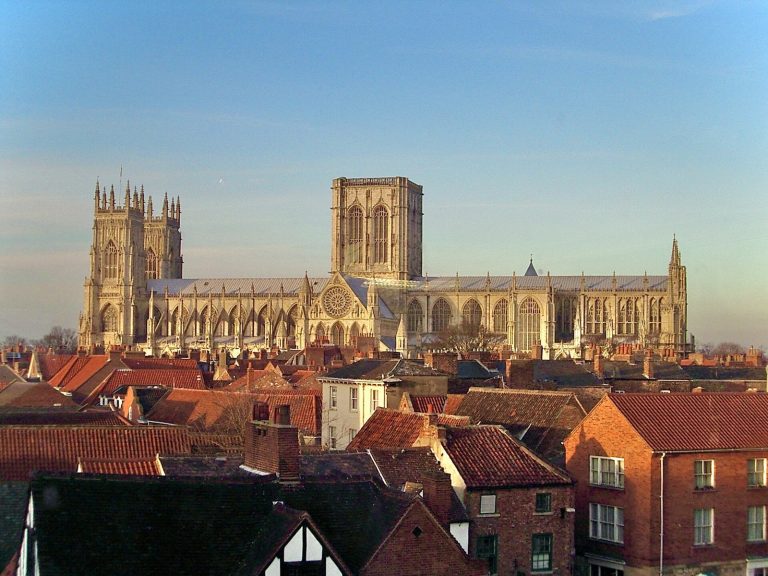
Treasurer’s House, York, is a historic residence in Minster Yard, directly north of York Minster, the cathedral church of the Archbishop of York, in the United Kingdom. The office of Treasurer of York Minster was established in 1091 by Archbishop Thomas of Bayeux, who appointed its first holder. The Treasurer managed the Minster’s finances and needed a substantial home for entertaining important guests. The house served as the Treasurer’s residence until 1547.
On 26 May 1547, the last Treasurer surrendered the office to the Crown. The English Reformation, the 16th-century break between the Church of England and papal authority, had brought the office to an end. The house was granted to Edward Seymour, Duke of Somerset, a leading nobleman who served as Lord Protector during Edward VI’s reign. Seymour later sold it to Archbishop Robert Holgate.
Rebuilding and private ownership
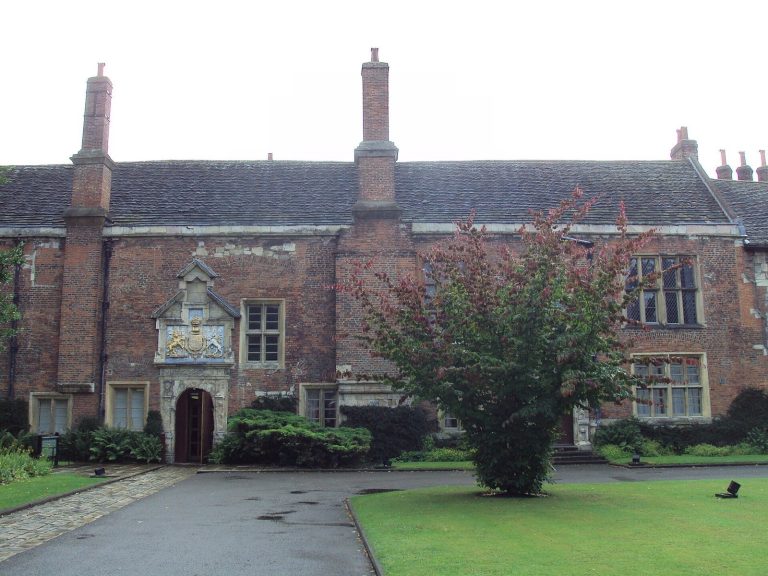
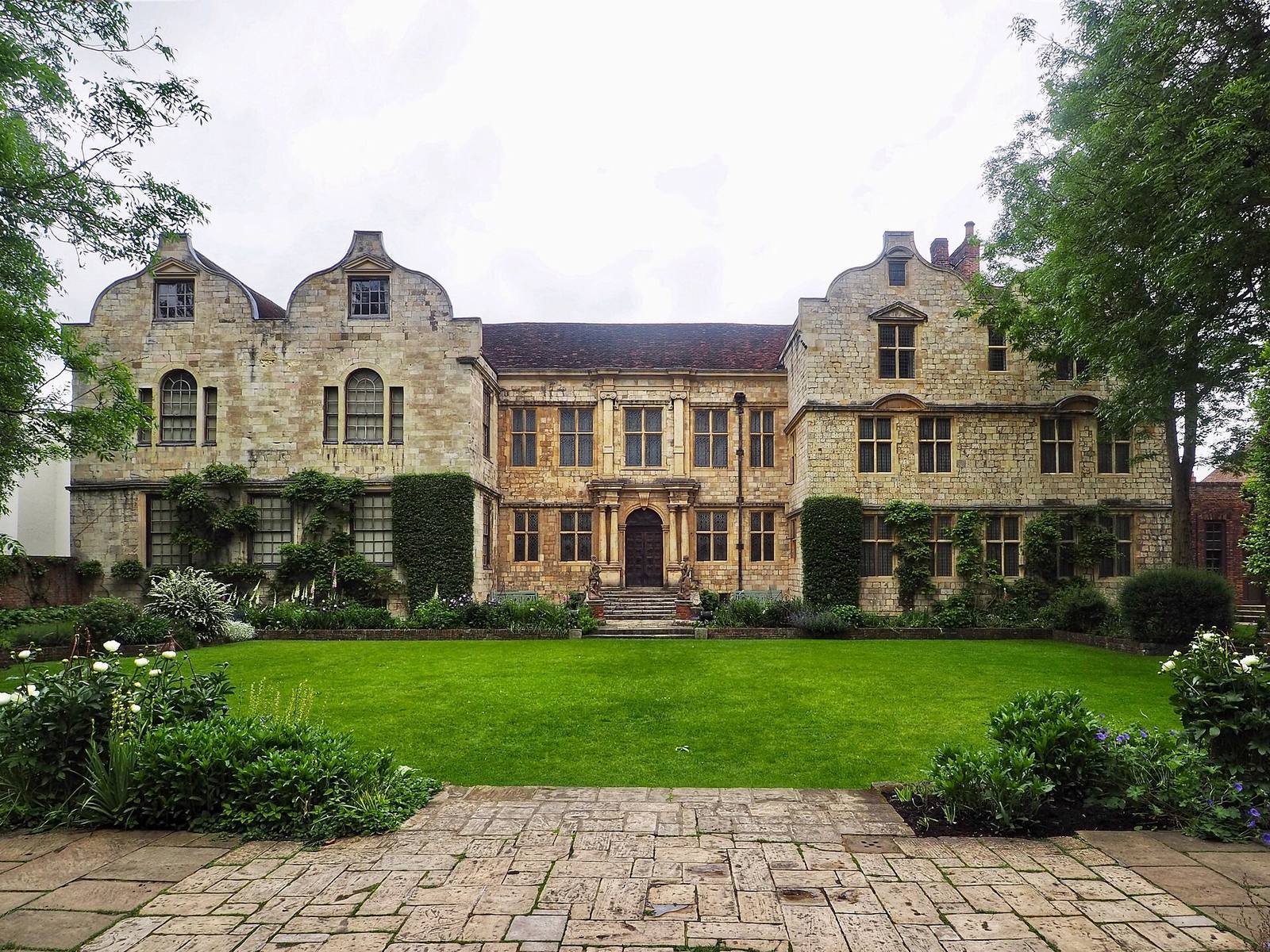
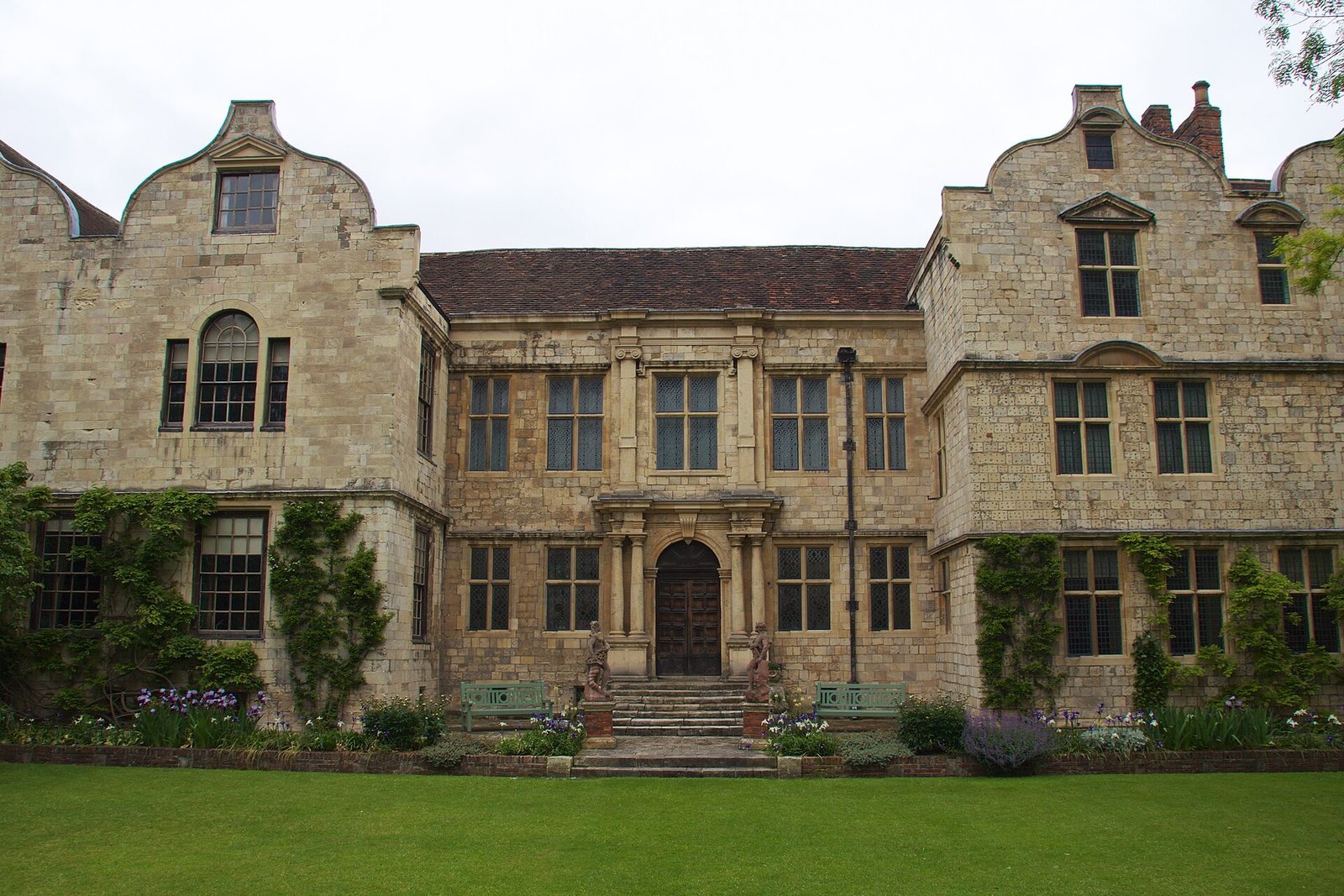
Thomas Young, Archbishop of York from 1561 to 1568, and his descendants influenced the house’s later form. In the early 17th century, the Young family almost entirely rebuilt it and added a symmetrical front. Sir George Young entertained James I there in 1617. James was a Stuart king of England and Ireland who also ruled Scotland as James VI.
The property later passed among private owners, including Lord Fairfax, and was eventually divided into separate dwellings. Local industrialist Frank Green bought the separate parts between 1897 and 1898. He commissioned architect Temple Moore to restore the house and remove many additions made before Green’s ownership. The work was largely complete by 1900. In June that year, Prince Albert Edward, Princess Alexandra of Denmark, and Princess Victoria visited.
Restoration and National Trust ownership
When Green retired and left York in 1930, he gave the house and its contents to the National Trust, a British organization that cares for historic properties and landscapes. It was the first private home given to the Trust together with its original furnishings. The Trust owns the house and maintains its garden.
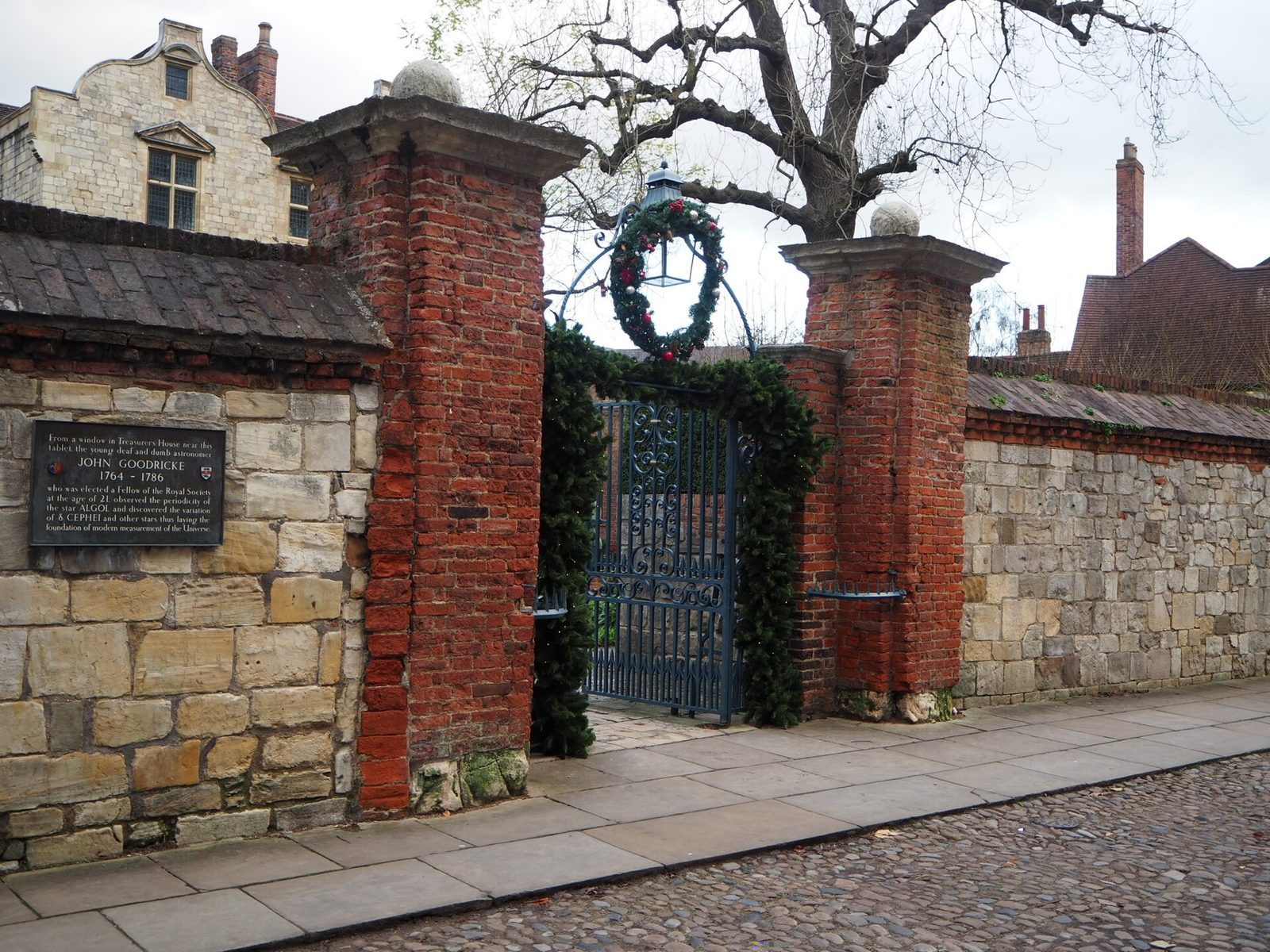
The house, including its attached garden walls, gate, and gate piers, received Grade I listing in 1954, the highest grade of listed-building status in England. The York Minster cathedral precinct, including Bootham Bar and the stretch of city wall around the precinct as far as Monk Bar, was designated a Scheduled Monument in 1937. This designation provides legal protection for an archaeological or historic site of national importance.
Haunting traditions
Local stories describe alleged appearances of Roman soldiers in the cellar and of George Aislaby, a 17th-century owner. One early tale concerns a woman at a party hosted by Green. She went to the cellar for wine and said that a man dressed as a Roman soldier stopped her. No one at the party was wearing such a costume.
In 1953, apprentice plumber Harry Martindale, then 18, was repairing cellar pipes as the National Trust planned to remove the coal-fired central heating Green had installed. After about four hours working from a ladder, Martindale said he heard repeated trumpet-like notes and saw a plumed soldier emerge from a wall, followed by a horse and about twenty other soldiers. He described them as scruffy and marching, visible only from the knees up. They wore green tunics, carried round shields on their left arms and daggers or similar weapons in scabbards on their right, and wore open sandals with leather straps reaching to the knees. He fell from the ladder, hid, and was too frightened to return to work for several weeks. He later recounted the experience consistently and refused payment for telling it. Archaeological work in York subsequently linked the clothing he described to troops in the city’s late Roman garrison, a body of soldiers stationed there.
In February 1957, housekeeper Joan Mawson reported hearing what she took to be hoofbeats from the street near the cellar. She said the walls seemed to disappear as Roman soldiers and horses passed, and that she was frightened. This happened before Martindale’s account had become publicly known.
Remains
Layout and surviving fabric
The house stands in Minster Yard, directly north of York Minster, and has a garden. Its associated built features include garden walls, a gate, and gate piers. The house was built directly above one of the principal Roman roads leading north out of Roman York.
Medieval masonry
Fragments of 12th-century masonry survive in the present house. Their original positions are uncertain, and they may have been reused. An external wall from the first Treasurer’s residence now forms part of Grays Court.
Roman road and column bases
Four Roman column bases were uncovered during Green’s major structural alterations. One remains in its original position in the cellar. Another was reused as the base for a modern set of columns in the main hall.