Monastery of St. Simeon Stylites the Younger: A Sixth-Century Christian Monastery
Site at a Glance
- Popularity
- Medium
- Country
- Turkey
- Primary era
- Medieval
- Eras represented
- Medieval
- Civilizations
- Byzantine, Crusader, Principality of Antioch
- Site type
- Religious
- Remains
- Monastery
On this page7 sections
History
The Monastery of St. Simeon Stylites the Younger is a sixth-century Christian monastery on Saman Dağı in Turkey, within the Diocese of Antioch of the Antiochian Orthodox Church, an Eastern Orthodox church associated with the historic see of Antioch. It was dedicated to Simeon Stylites the Younger (521–597), a Christian ascetic who lived on a pillar. The monastery marked the last of several pillars associated with his life. One tradition holds that he lived and preached from this pillar for the final 45 years of his life. Miraculous healings were attributed to Simeon, who was revered as a saint in his lifetime, and the monastery remained a pilgrimage destination until the thirteenth century.
Monastic life and Seljuk rule
Among the monastery’s residents was George the Recluse, a monk who lived there around 1040 and taught George the Hagiorite, a Georgian monk and religious writer. In the mid-eleventh century, Ibn Butlan, a Christian physician and writer, described the monastery’s buildings as covering an area as large as half of Baghdad. Nikon of the Black Mountain, a monk and author, lived there from about 1060 to 1084. Gerasimos, a Christian writer in Arabic, served as abbot at an unspecified time between the ninth and thirteenth centuries.
Seljuk rule disrupted the monastery and led to its abandonment. The Seljuks were a Turkic ruling dynasty whose expansion brought much of the Near East under their control. In 1084, during Seljuk ruler Suleiman ibn Qutalmish’s conquest of Antioch, the monastery was plundered and many monks were dispersed. Nikon was among them; he wrote about the difficulty of staying in contact with other monasteries during the occupation. After forces of the First Crusade, a Western European military expedition, recaptured Antioch, the monastery was rebuilt and flourished through much of the twelfth and thirteenth centuries. Around 1090, Michael al-Sim’ani lived there and translated the Life of John of Damascus into Arabic.
Destruction
In 1268, Mamluk sultan Baybars destroyed the monastery during his campaign against Antioch. It was never rebuilt.
Remains
Layout and surviving buildings
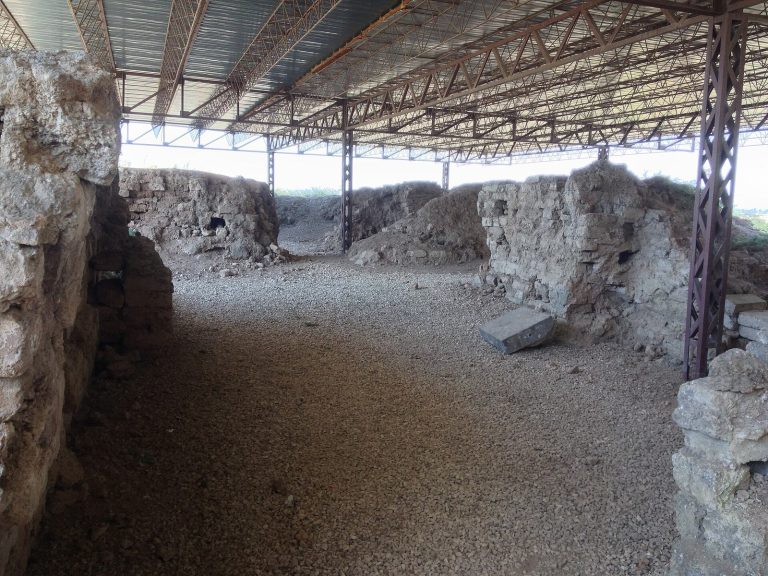
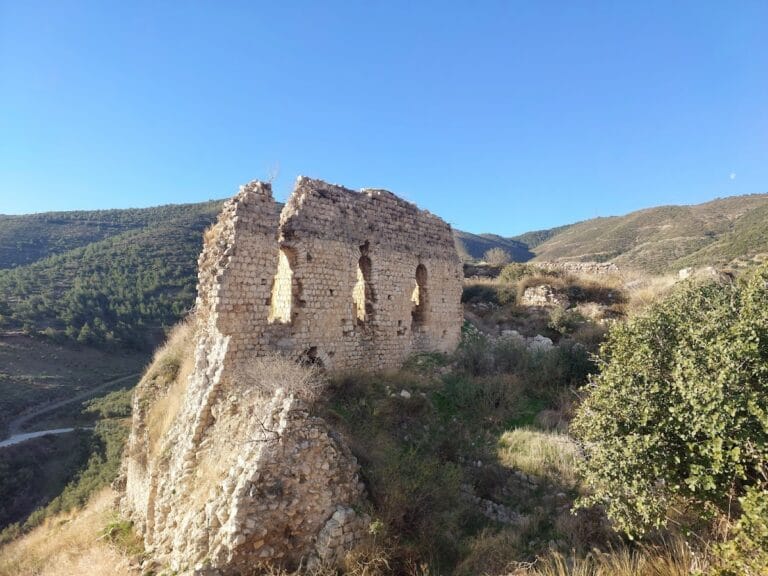
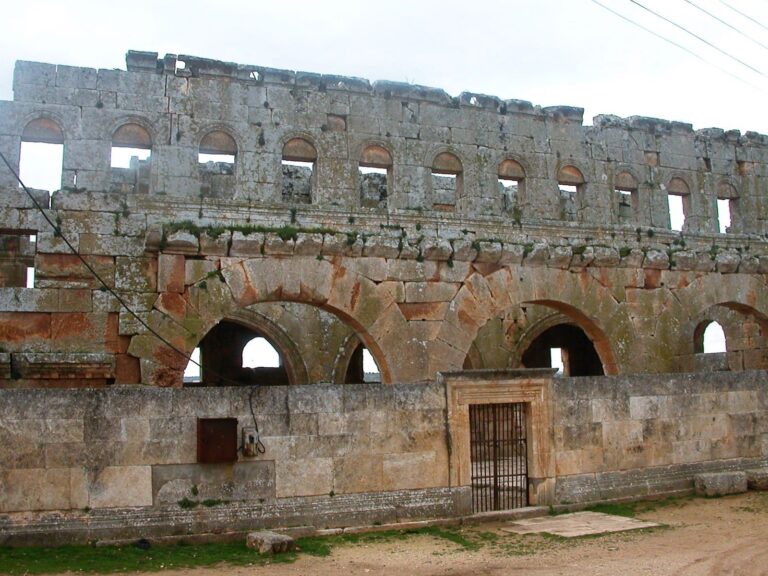
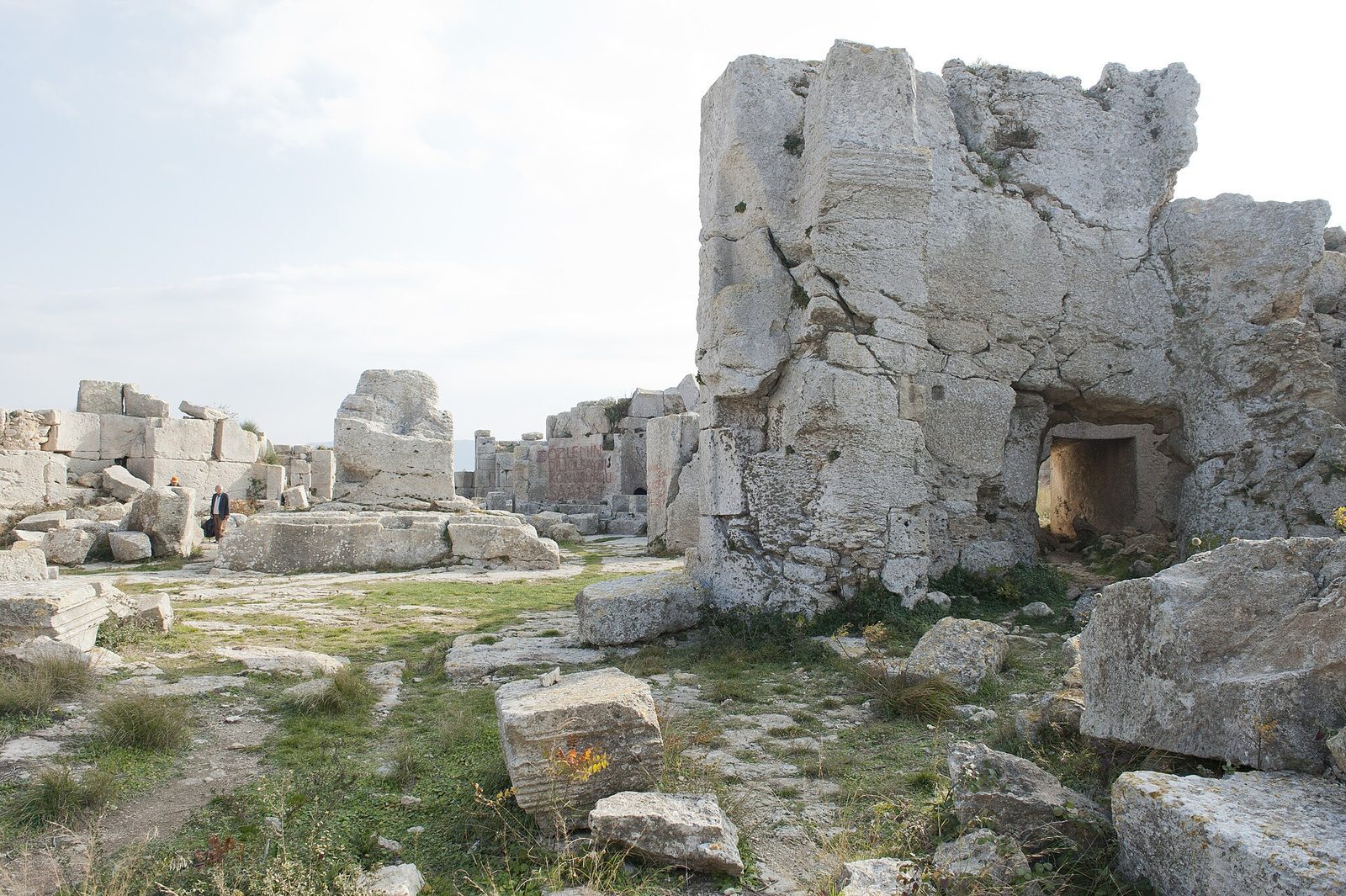
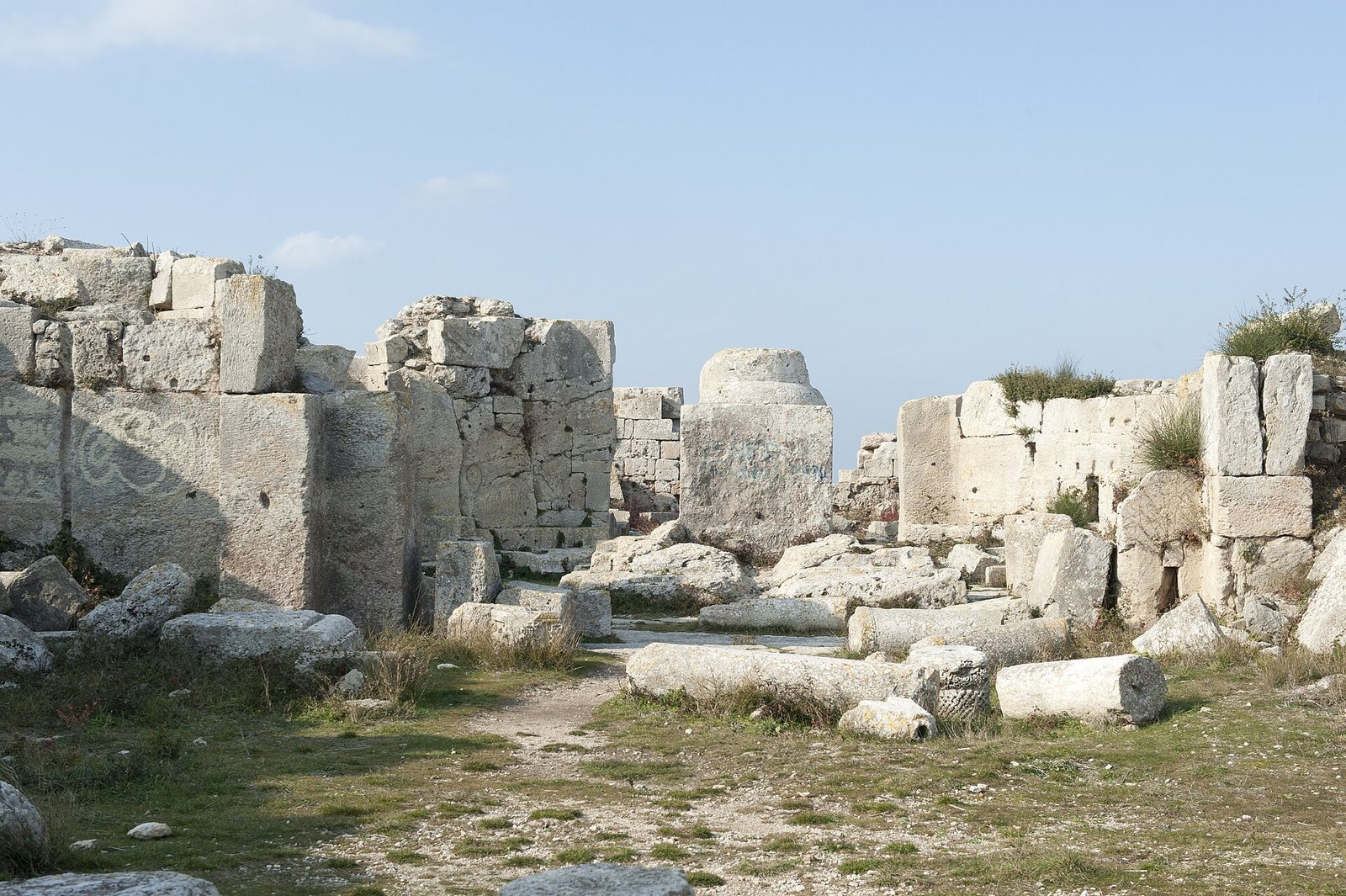
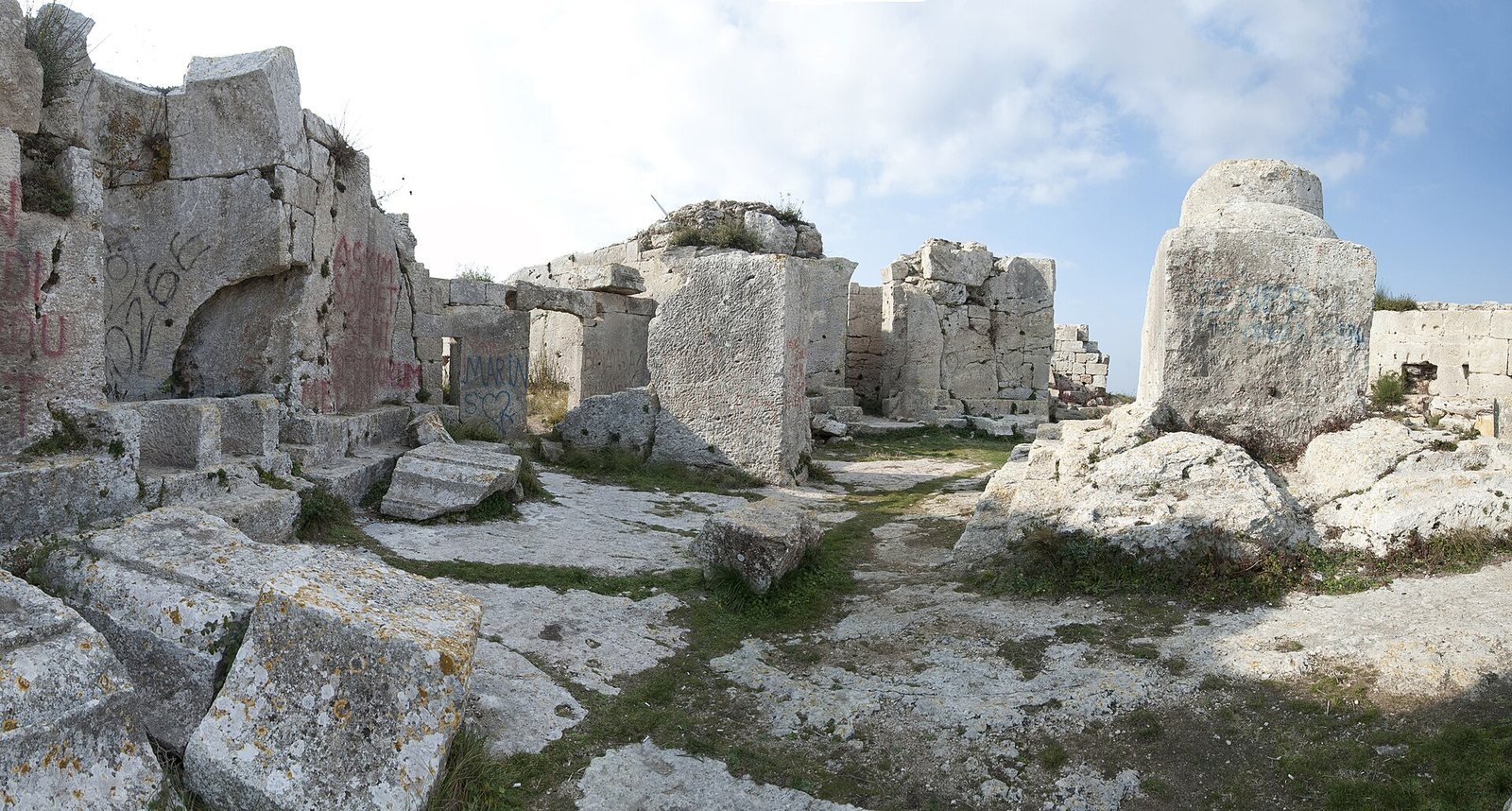
The extensive monastery occupied the summit of Saman Dağı, a hill 479 metres above sea level, about 29 kilometres southwest of Antakya and six kilometres east of Samandağ. Its cruciform plan included three churches, and the buildings now lie in ruins.
Churches
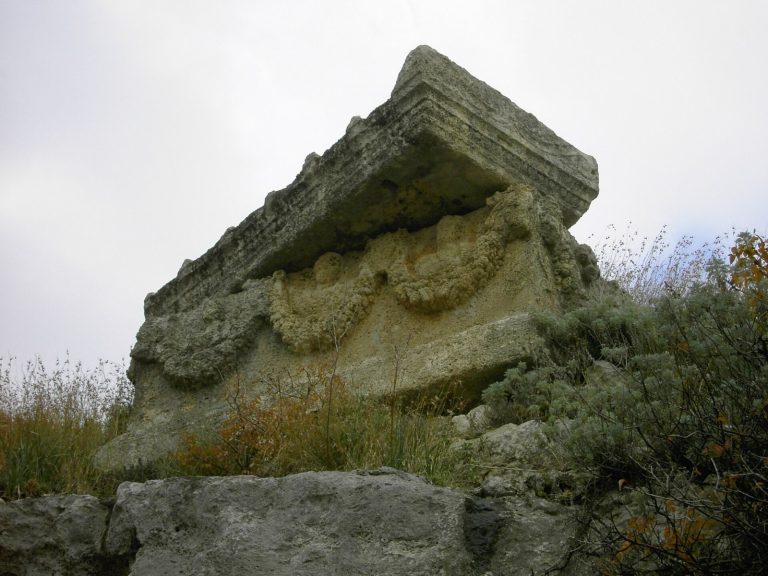
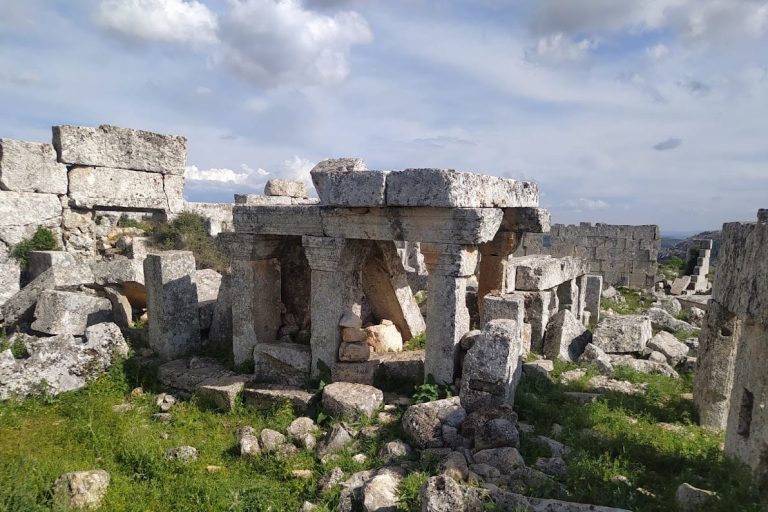
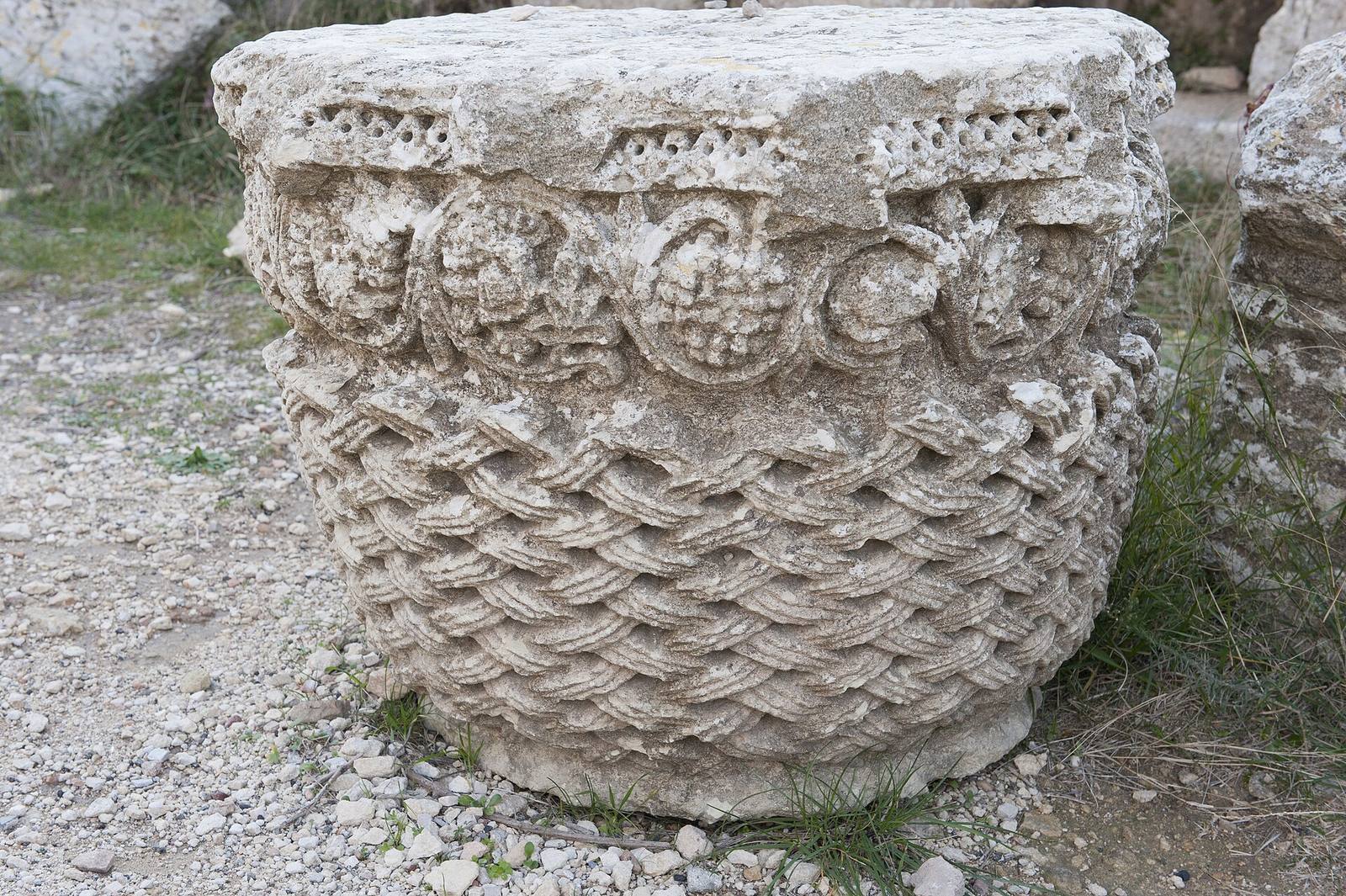
Ruins of all three churches remain. One contains fragments of mosaic, another was richly ornamented, and the simpler third was probably used by the monks.
Pillar
The pillar associated with Simeon is described as 12 metres high. Its surviving base is surrounded by an octagonal space.