San Callisto: A Titular Church in Rome’s Trastevere District
Site at a Glance
- Popularity
- High
- Country
- Italy
- Primary era
- Early Modern
- Eras represented
- Medieval, Early Modern
- Civilizations
- Byzantine, Papal States
- Site type
- Religious
- Remains
- Church
On this page10 sections
History
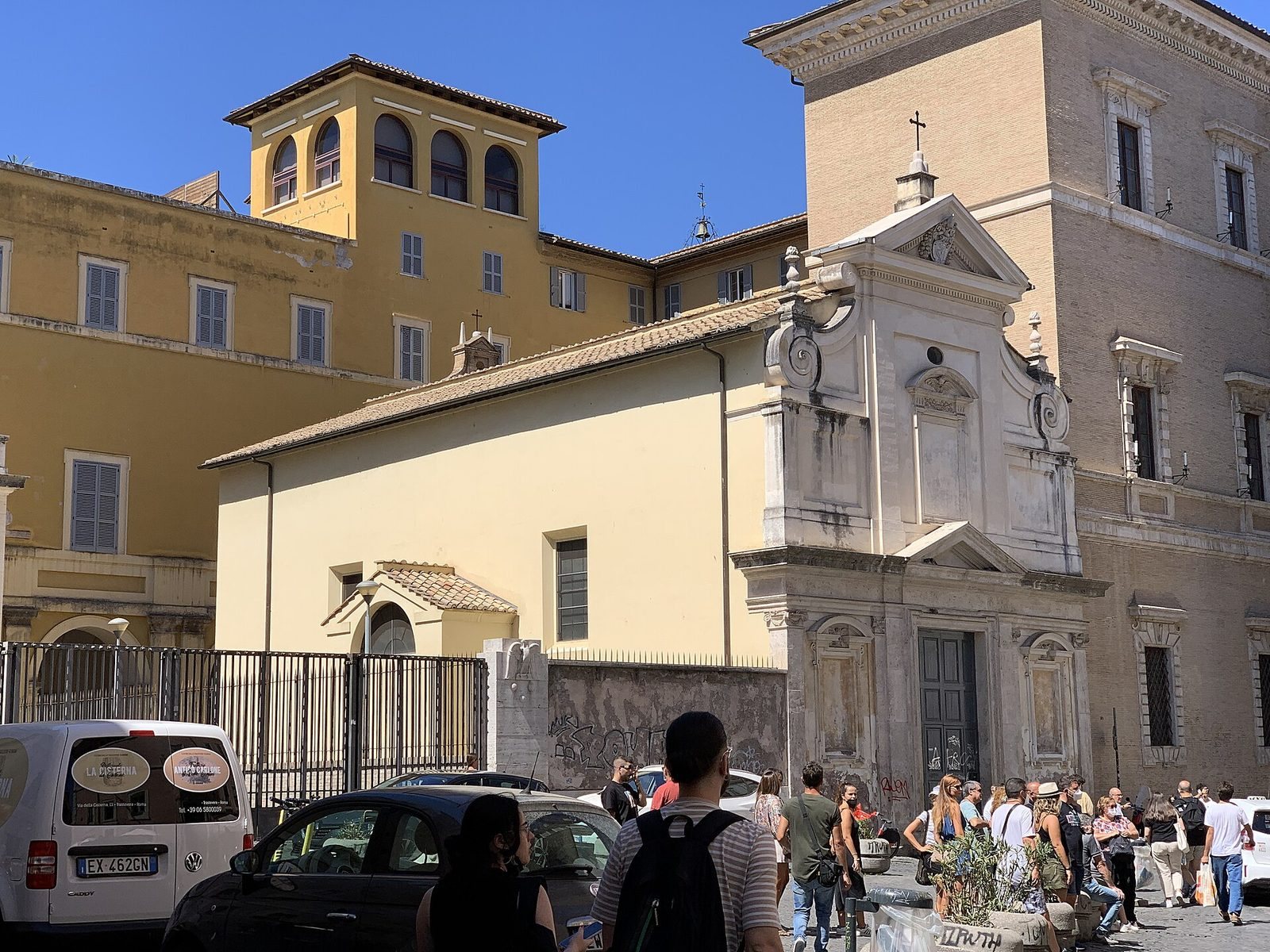
San Callisto is a Roman Catholic church of the Roman Rite, the principal liturgical tradition of the Latin Church, in Rome’s Trastevere district, Italy. It serves the parish of Santa Maria in Trastevere as a rectoral church and as a titular church, assigned to a cardinal-priest as the church associated with his title. An early oratory commemorating the martyrdom of Pope Callixtus I preceded the eighth-century church, built on the site at the order of Pope Gregory III.
Early church and medieval changes
Tradition places the church over the house where Callixtus preached and says he was martyred by drowning there around AD 222. His relics are kept in the nearby Basilica of Santa Maria in Trastevere. The church was renovated in the twelfth century. In 1440, the antipope Felix V, a claimant to the papacy not recognized as legitimate by the Catholic Church, first granted it titular status to his appointee, Cardinal Juan de Segovia. After Felix abdicated, Pope Nicholas V did not confirm the grant. Pope Calixtus III renovated the church in 1455, and Pope Leo X formally confirmed its titular status on 6 July 1517.
Seventeenth-century rebuilding
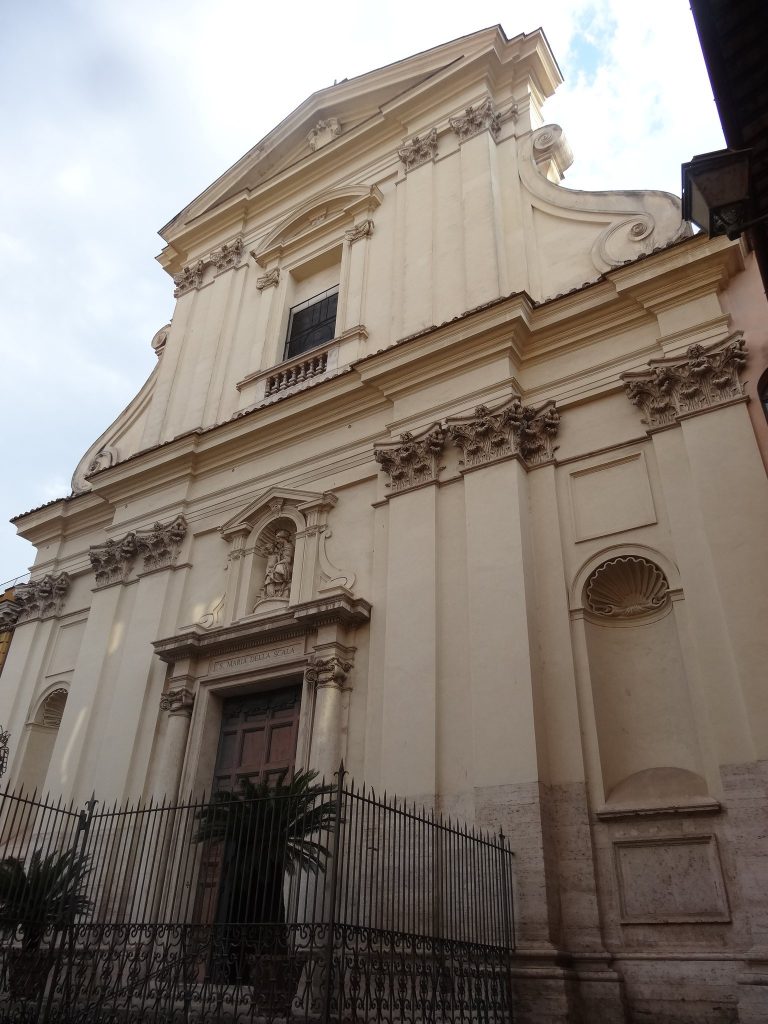
A major renovation began in 1610 to a design by Orazio Torriani and was completed in 1613. The work gave the church its two-storey façade. An adjoining monastery was built to house Benedictine monks from Montecassino, the historic Italian monastery. The church’s title, Titulus Sancti Calixti, is held by a cardinal-priest; Willem Jacobus Eijk has held it since 2012.
Damage and restoration
The Napoleonic occupation of Rome in the early nineteenth century badly damaged the church complex. Pope Pius IX ordered its restoration in 1851. Under the Lateran Treaties, agreements between the Holy See and Italy concluded in 1929, San Callisto, its former monastery, and its garden became extraterritorial property of the Holy See. Architect Giuseppe Momo led another major renovation of the complex in the 1930s, and the church was restored again in 1936.
Remains
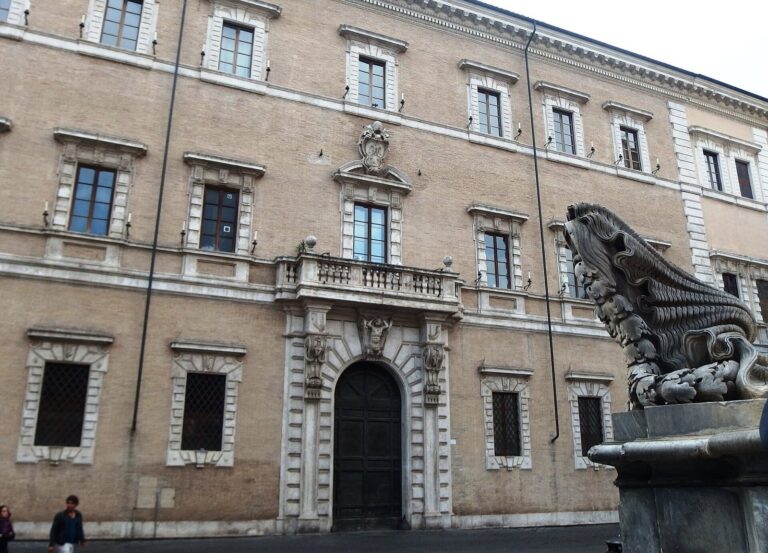
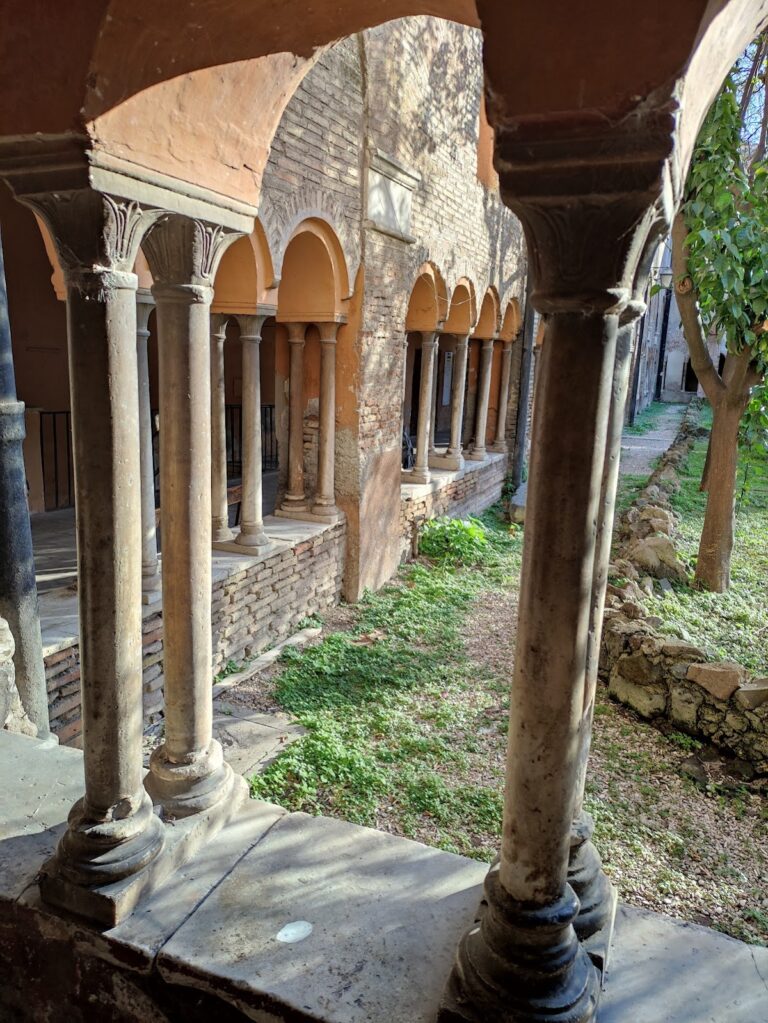
The complex comprises a church with one main worship space, a rectangular sanctuary end, and two side chapels, alongside the former monastery and its garden. Its façade belongs to the seventeenth-century rebuilding. The interior preserves paintings and decorative work associated with Callixtus and Saint Maurus.
Church and interior
Plan and façade
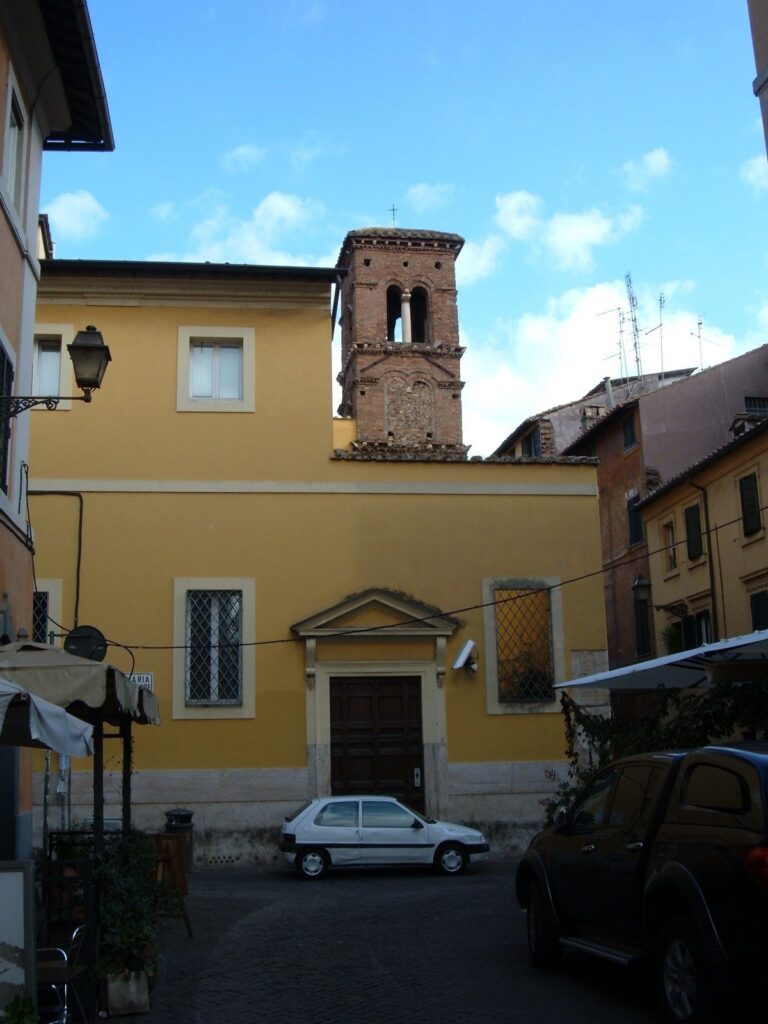
The church’s plan centers on a single nave, or main body, with a rectangular apse, the sanctuary end of the building, and two side chapels. Its two-storey façade was designed by Orazio Torriani during the seventeenth-century rebuilding. The upper level bears the coat of arms of Pope Paul V.
Callixtus chapel
A well associated by tradition with Callixtus’s martyrdom once stood in the adjoining convent courtyard and is now inside the church, in the left chapel. Giovanni Bilivert’s painting in the chapel depicts Callixtus being thrown into a well.
Main altar and ceiling
Above the main altar, Avanzino Nucci’s painting shows the Virgin Mary adored by Callixtus and other saints. A fresco by Antonio Achilli depicting the Glory of Saint Callixtus decorates the ceiling.
Chapel of Saint Maurus
The right chapel is dedicated to Saint Maurus, a disciple of Saint Benedict. A painting of Maurus by Pier Leone Ghezzi is supported by two angels attributed to Gian Lorenzo Bernini and dated 1657.