Tomb of Archimedes: A Roman Funerary Chamber in Syracuse
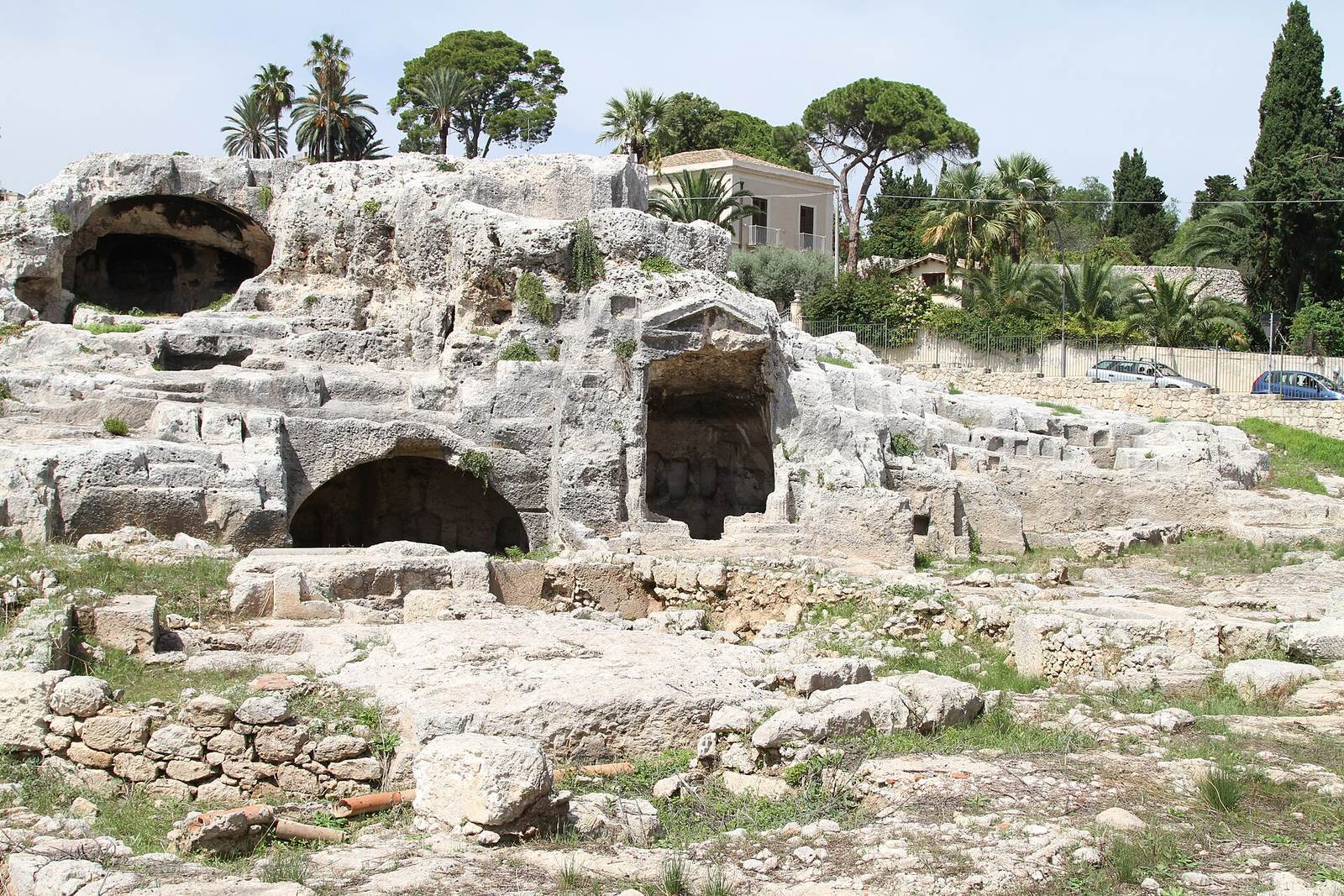
Site at a Glance
- Popularity
- High
- Country
- Italy
- Primary era
- Classical
- Eras represented
- Classical
- Civilizations
- Roman
- Site type
- Burial
- Remains
- Tomb
History
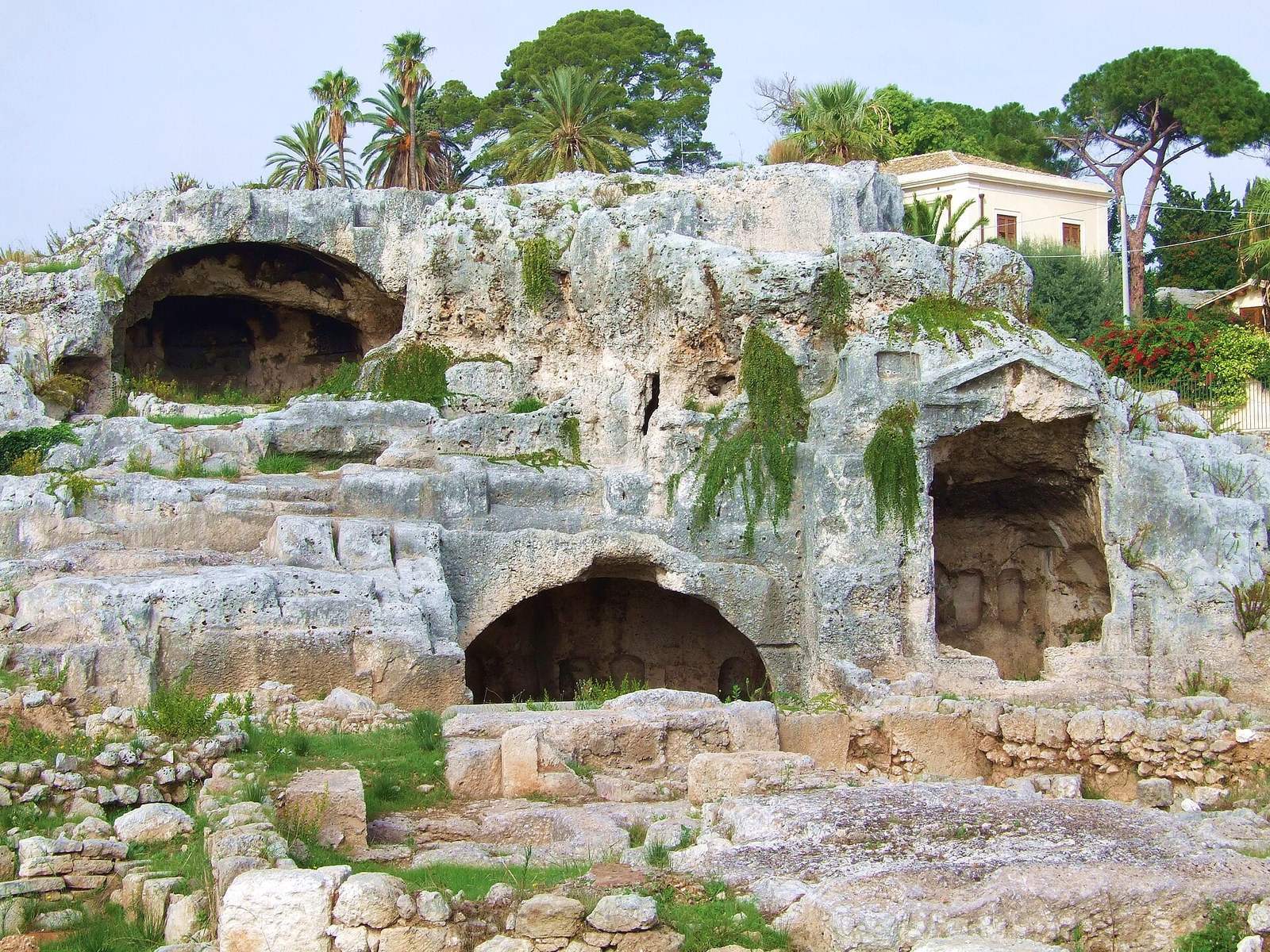
The Tomb of Archimedes, in Syracuse, Italy, is a Roman funerary chamber built around the first century BC or first century AD, during the late Roman Republic or early Roman Empire. Its name reflects a popular tradition identifying it as the grave of Archimedes, an ancient Greek mathematician and inventor who was killed by a Roman soldier when Rome captured Syracuse in 212 BC.
The identification is considered highly improbable. Cicero places Archimedes’ grave elsewhere, by the Agrigentine Gates; an alternative wording locates it outside the sacred gate of Ciane. Both proposed locations are south of Syracuse, far from the chamber.
Remains
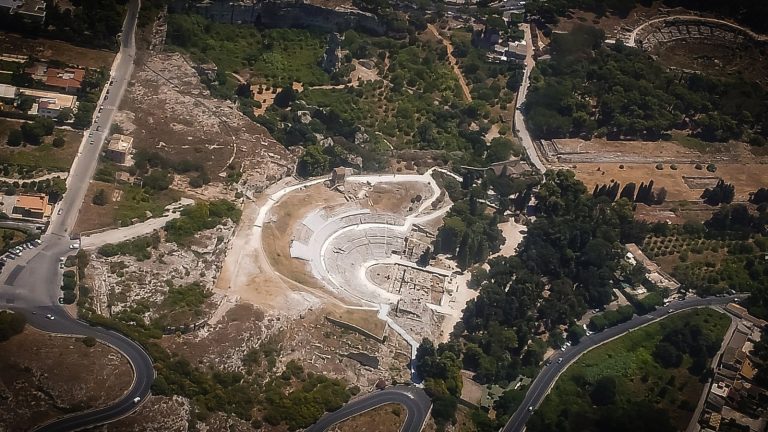
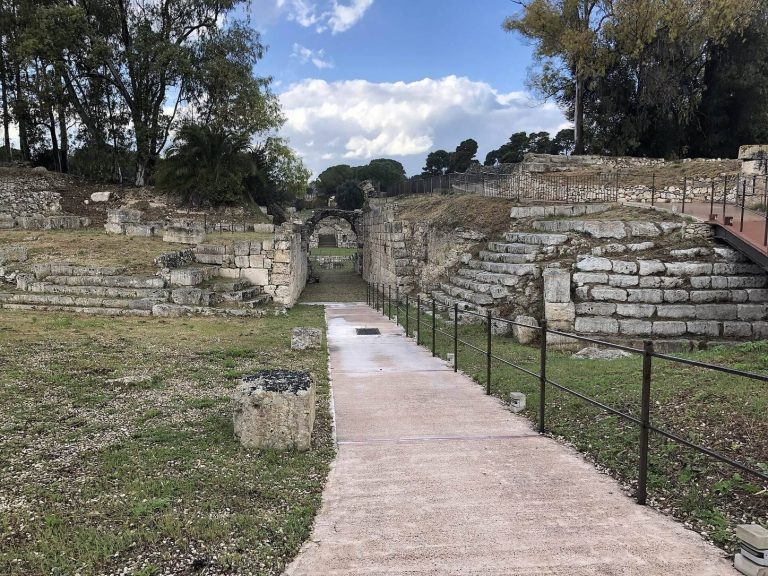
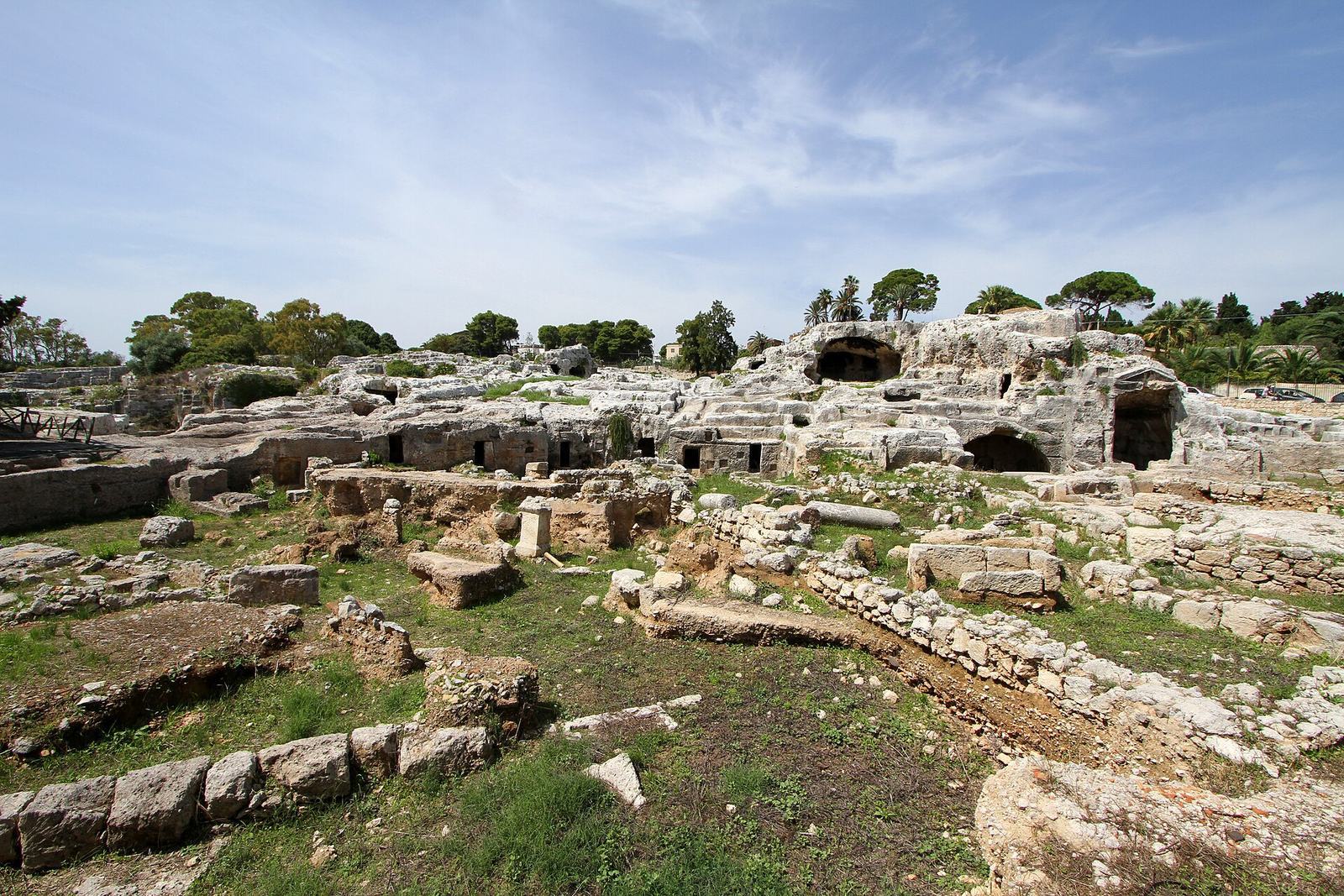
Within the Grotticelle necropolis, in the northernmost part of the Neapolis Archaeological Park, the chamber is an artificial cave cut into limestone. Its Roman funerary interior has two tiers of niches intended to hold cremation urns.