Walled City of Vratnik: Sarajevo’s Ottoman-Era Defensive Enclosure
Site at a Glance
- Popularity
- Medium
- Country
- Bosnia and Herzegovina
- Primary era
- Early Modern
- Eras represented
- Early Modern, Modern
- Civilizations
- Austria-Hungary, Habsburg, Ottoman
- Site type
- Military
- Remains
- Fortified Town
On this page12 sections
History
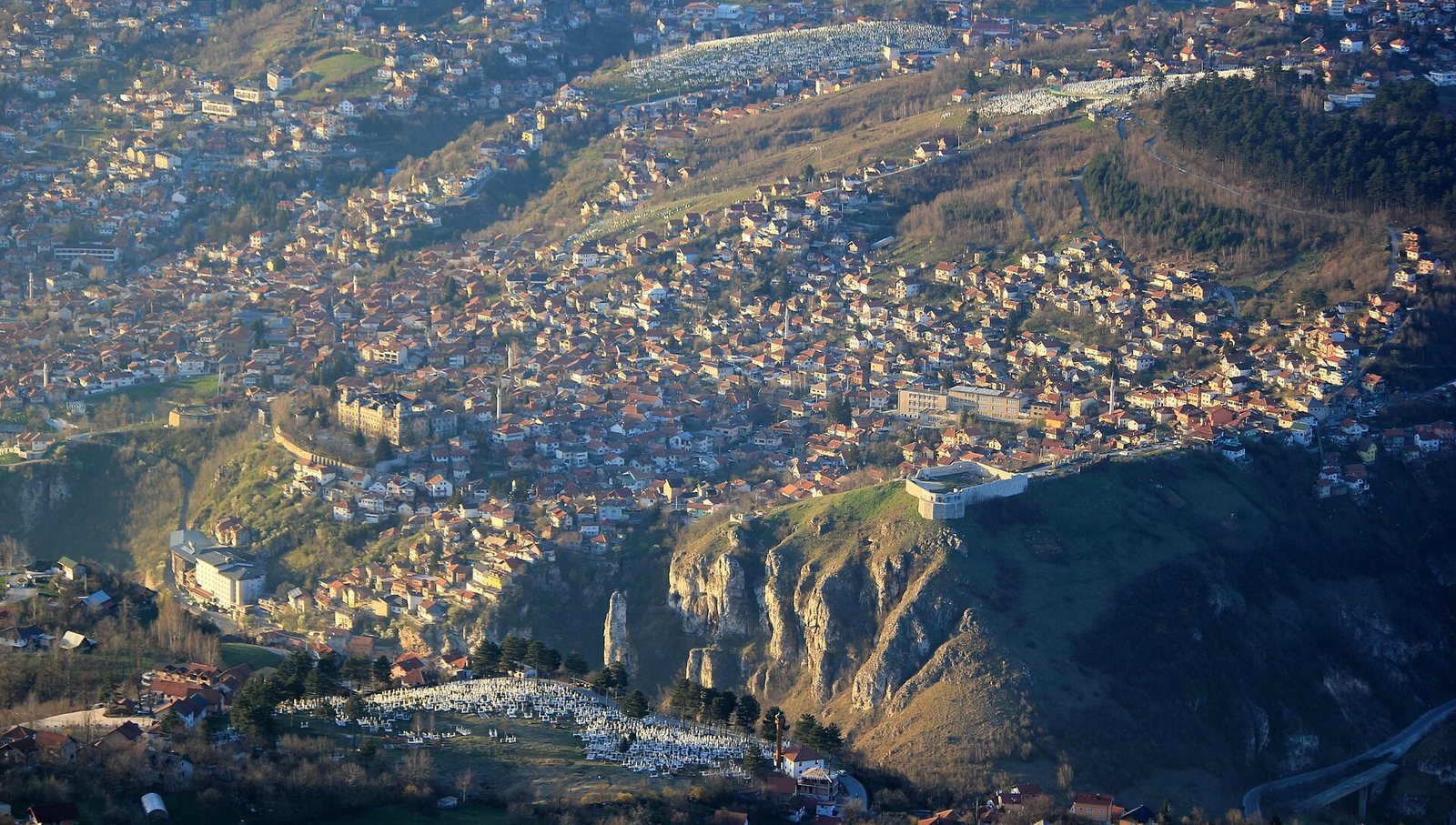
The Walled City of Vratnik is the historic fortified core of Sarajevo, Bosnia and Herzegovina, an eighteenth-century defensive complex built under Ottoman rule.
Fortification and tradition
Sarajevo had been an open city until Prince Eugene of Savoy, a Habsburg military commander, attacked and sacked it in 1697. The raid left many buildings burned and others severely damaged. In 1727, governor Ahmed-paša Rustempašić Skopljak ordered Vratnik fortified. Paša was an Ottoman title for senior officials and military leaders. Five fortress architects from Dubrovnik supervised the work, which was completed in 1739.
Tradition connects the name Vratnik with the idea of Sarajevo’s doors. In this account, oak gates were shut at sunset and opened at sunrise. It also says Sultan Mehmed Fatih, or Mehmed II, known as Mehmed the Conqueror, entered through the gates and camped at the White Fortress. A white mosque with a clock tower was said to have been built in his honor.
Military and civic history
During the Austro-Hungarian period, the era of Austria-Hungary’s dual monarchy from 1867 to 1918, the Eugene of Savoy Barracks was built for the army in 1914. In 1915, it took the name Jajce Barracks when an Austro-Hungarian military hospital moved into the building.
In 2005, Bosnia and Herzegovina’s Commission to Preserve National Monuments, the country’s national monument-protection body, designated the walled area a national monument as Old Fort of Vratnik, the Architectural Ensemble. The fortifications, gates, and towers have also held symbolic importance for people in Vratnik and nearby areas; the Martyr’s Memorial cemetery is another historical and symbolic feature of the neighborhood.
The Alija Izetbegović Museum opened on 19 October 2007 in the Ploča and Širokac gate-towers. It commemorates Izetbegović’s work and influence; he was a Bosnian politician who became the first president of the Republic of Bosnia and Herzegovina. A conceptual plan for reconstructing the White Fortress proposed a summer theatre and music venue.
Remains
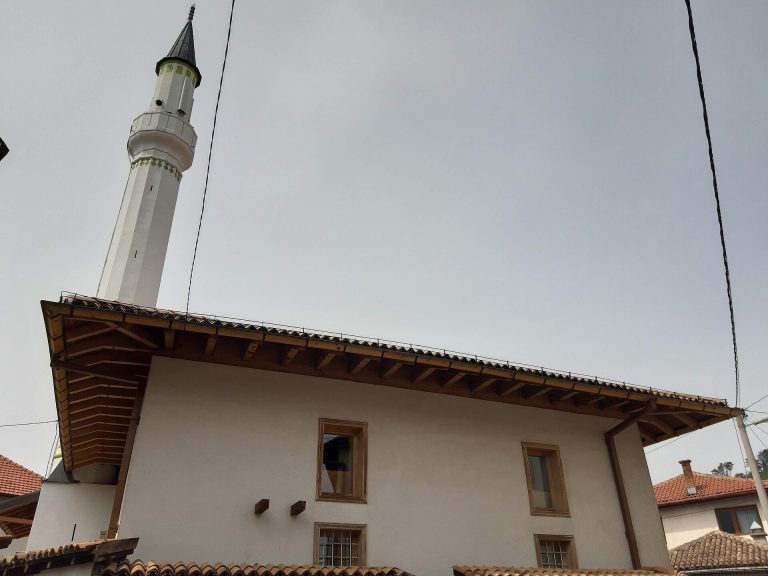
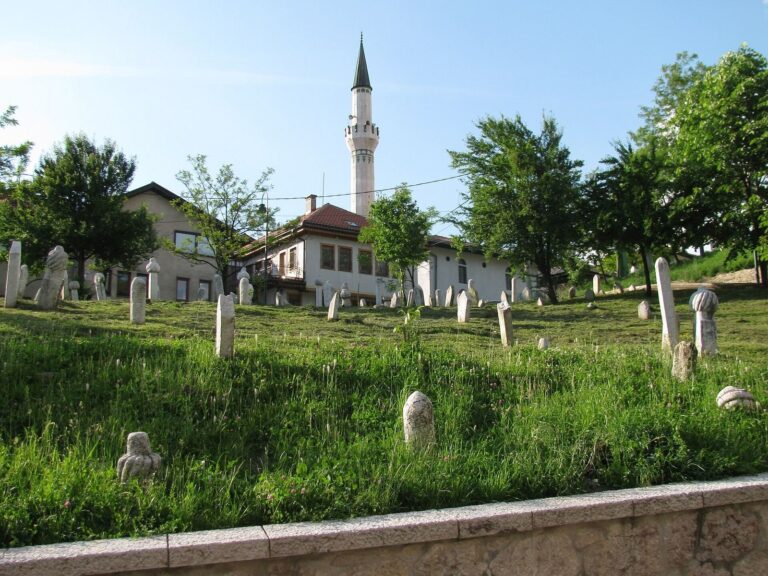
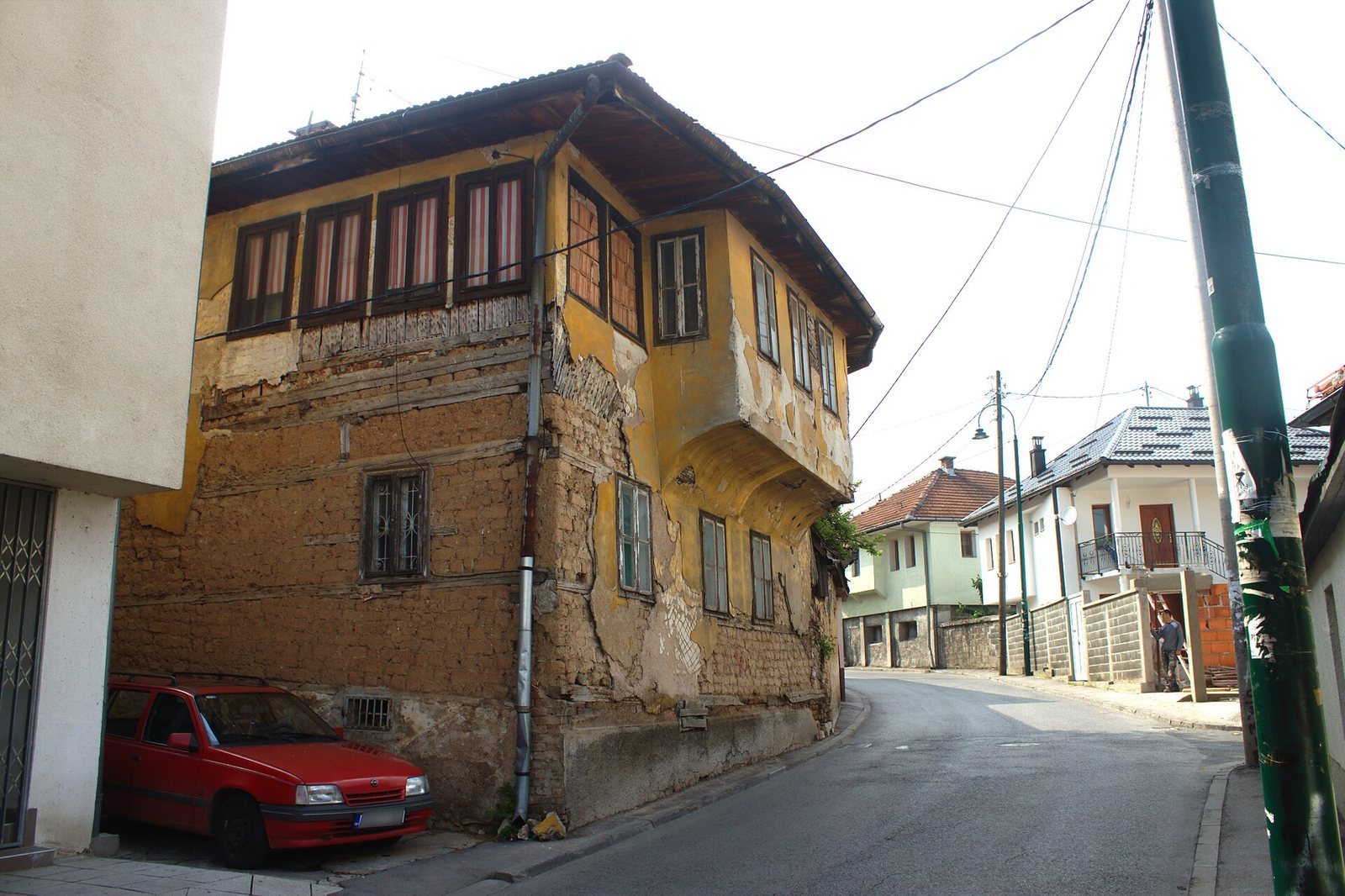
The old town forms the historic urban core within the larger Vratnik neighborhood. Its built character includes Bosnian architecture and narrow, steep streets. The defensive complex comprised perimeter walls, three gate-towers, and five forts: the White and Yellow fortresses, Strošićki Bastion, the Bastion on Ravne Bakije, and the Bastion on Zmajevac. A bastion is a projecting part of a fortification used for defensive fire. Mišćina Mosque is also associated with Vratnik.
Walls and gates
The fortification decree prescribed a perimeter described as a one-hour walk, with walls two yards thick and ten yards high. These were specifications in the decree, rather than measurements of the completed walls.
Višegrad Gate
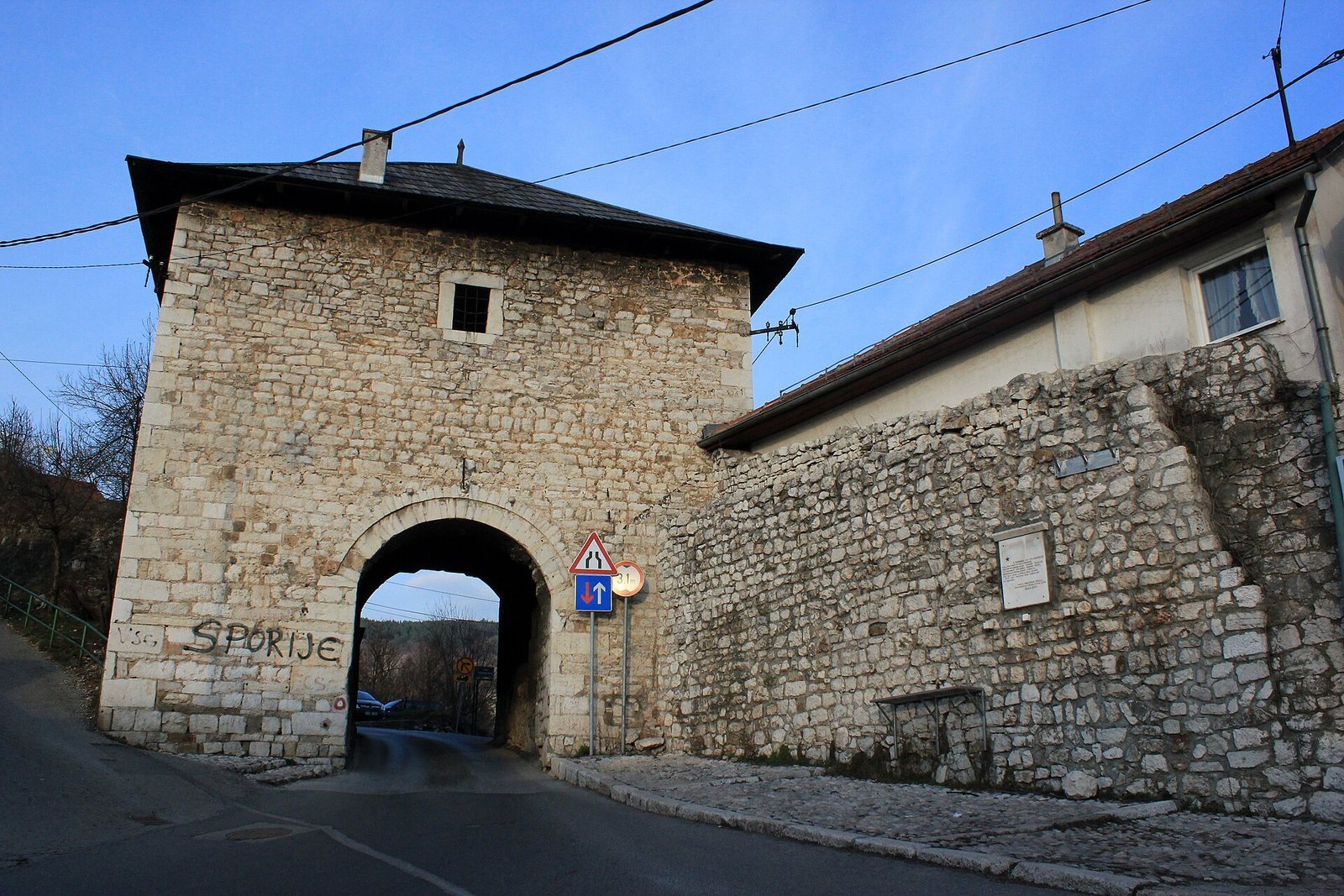
Višegrad Gate served as the town’s main entrance. Built between 1727 and 1739 from limestone and local Bosnian stone, it had a shingle roof. The main road continued east through the gate toward Višegrad and then Istanbul.
Ploča and Širokac gate-towers
Ploča and Širokac are gate-towers linked by a walkway along the fortifications. Širokac forms part of a reconstructed section of the defensive walls.
Fortresses and bastions
White Fortress
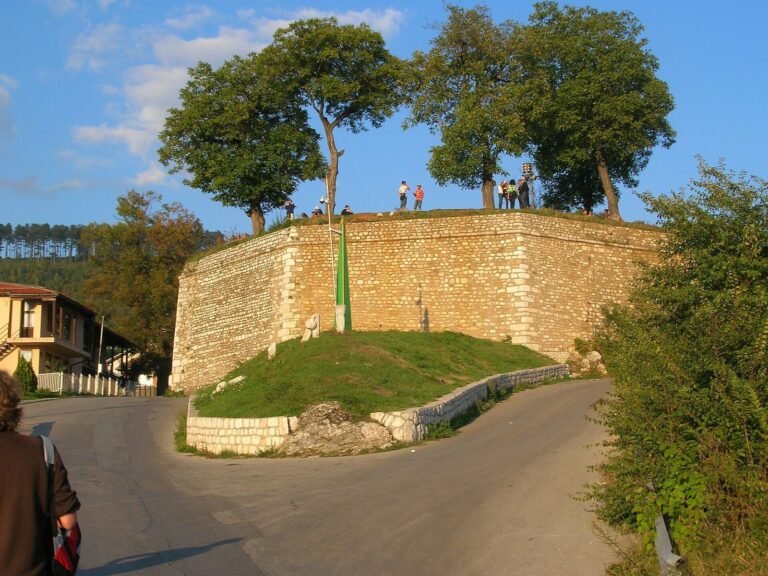
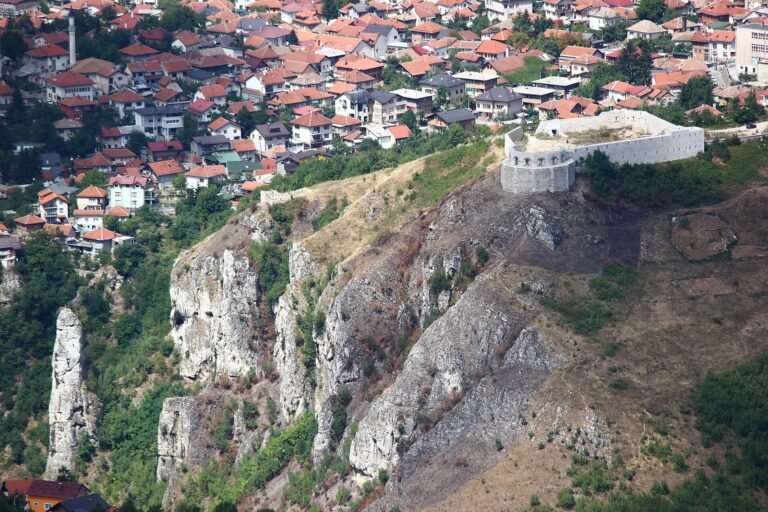
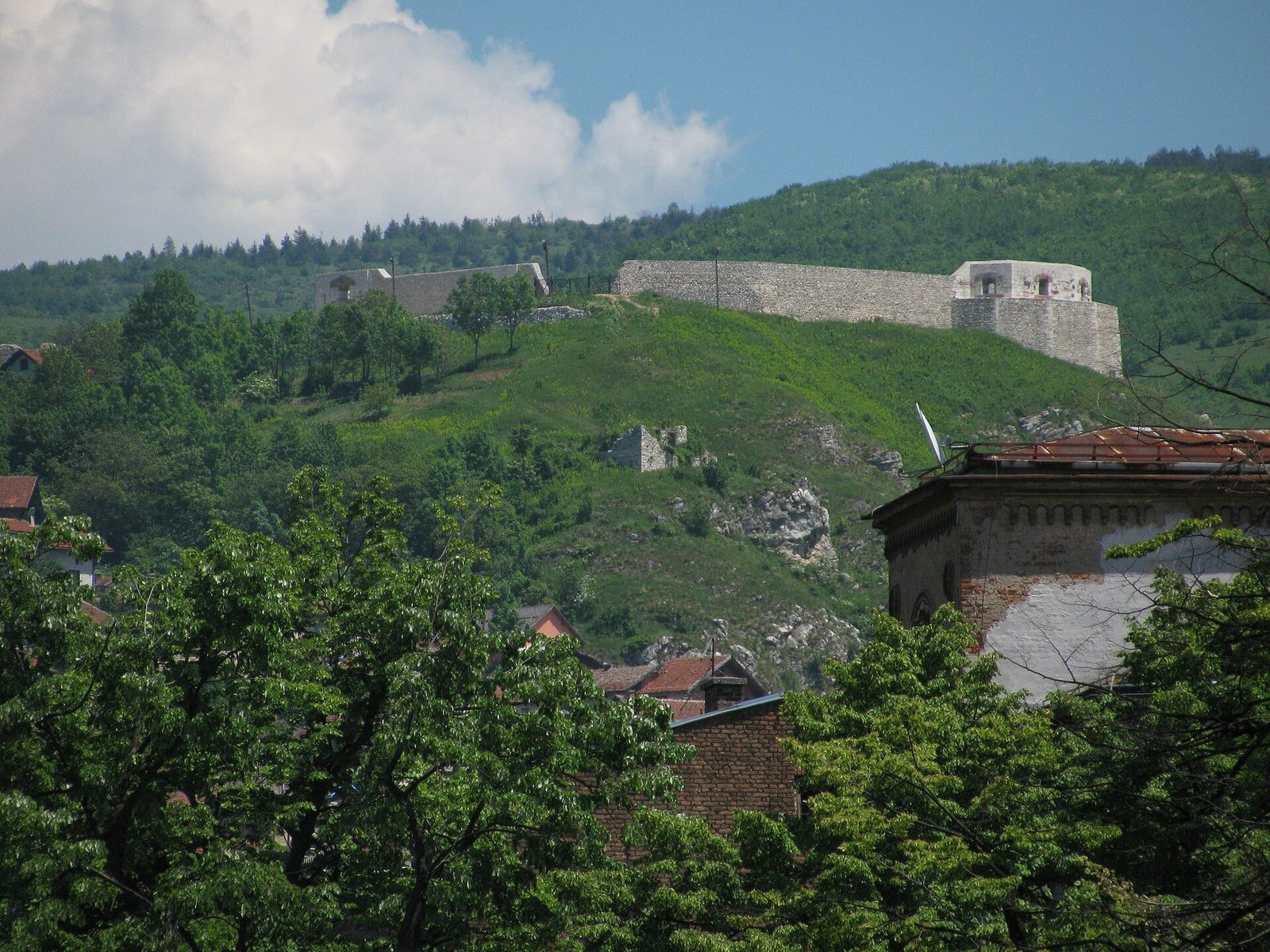
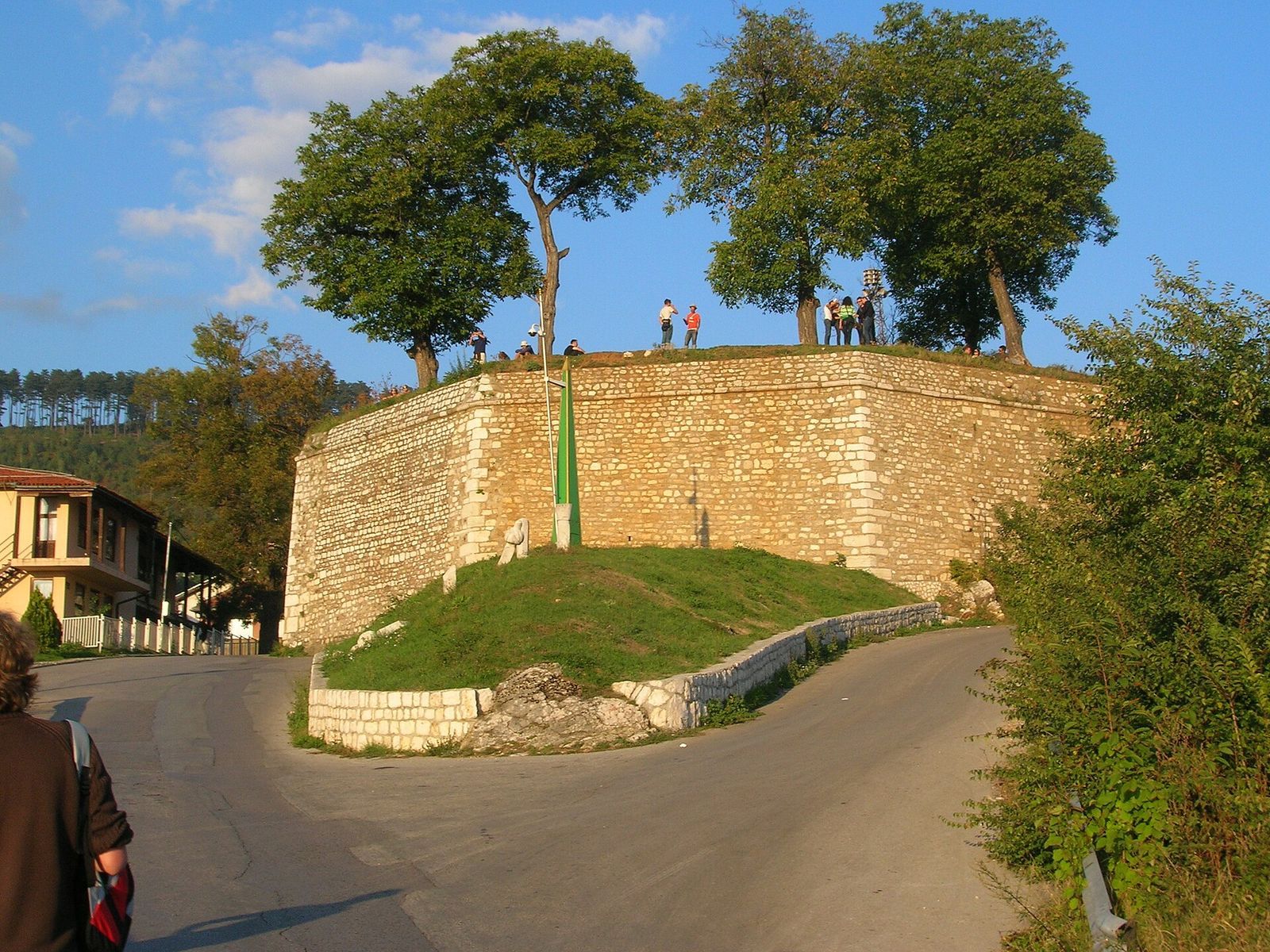
The White Fortress is a cannon bastion that also accommodated soldiers. Its original construction date is uncertain and may be as early as 1550, while the present structure dates to the Austro-Hungarian period. Renovated and enlarged several times, it served as soldiers’ accommodation, a dungeon, barracks, a place to store munitions, and a treasury. It is associated with defenses during Prince Eugene’s 1697 raid and the Austro-Hungarian occupation of 1878. The fortress overlooks Sarajevo, including the city’s eastern entrance and the Miljacka River canyon.
Yellow Fortress
The Yellow Fortress is a cannon fort at Jekovac, near Jajce Barracks and the Jekovac water reservoir. It served as a defensive position against Austro-Hungarian troops in 1878. Damaged and rebuilt several times, it underwent its most recent renovation in 1998.
Strošićki Bastion
Strošićki Bastion stands on steep terrain in the northwestern part of the fort. Its trapezoidal footprint covers 367 square metres. Its parallel sides measure 25 and 14 metres, while the other sides measure 18 and 21 metres. The preserved wall stands 3 metres high on the northeastern side and 8 metres on the north side.
Northern bastions
The Bastion on Ravne Bakije and the Bastion on Zmajevac lie in the far northern part of the fort.