Jewish Catacombs of Venosa: An Underground Burial Complex
Site at a Glance
- Popularity
- Medium
- Country
- Italy
- Primary era
- Classical
- Eras represented
- Classical, Medieval
- Civilizations
- Lombard, Ostrogothic, Roman
- Site type
- Burial
- Remains
- Catacomb
On this page10 sections
History
The Jewish catacombs of Venosa are an underground burial complex on Maddalena Hill in Italy, about 2 km north of the town. Their exact construction date is uncertain, but the principal phase is placed in the 4th to 6th centuries. They were used for burials from the 3rd through the 7th centuries and preserve evidence of a flourishing Jewish community from the later Roman world into the early medieval centuries.
Community and funerary use
Inscriptions and burials show that members of the Jewish community participated in local public life and held relatively high social standing. Hebrew names and naming traditions coexisted with Greek and Roman ones, although most recorded names were Greek or Latin. Epitaphs also identify people engaged in medicine, trade, and crafts. Venosa stood near the Via Appia, the ancient Roman road connecting Rome with southern Italy, a location considered favorable to Jewish settlement.
Most of the catacombs at the site are Jewish, while some are Christian. A separate funerary structure for the local Christian community stood beside them. This proximity has been interpreted as evidence of peaceful and tolerant coexistence between Jews and Christians.
Later phases and interpretation
Some portions of the catacombs have also been assigned to the 8th and 9th centuries. A separate Jewish necropolis at Venosa, dated to the 9th century, offers a contrast: its epitaphs show Latin and Greek nearly disappearing in favor of Hebrew.
Discovery and study
The catacombs were discovered in 1853, and systematic archaeological and inscriptional study began in 1974, notably through the work of Cesare Colafemmina. Hebrew and Jewish history scholar Giancarlo Lacerenza has described the complex as a particularly representative record of Jewish society in southern Italy during this period.
Remains
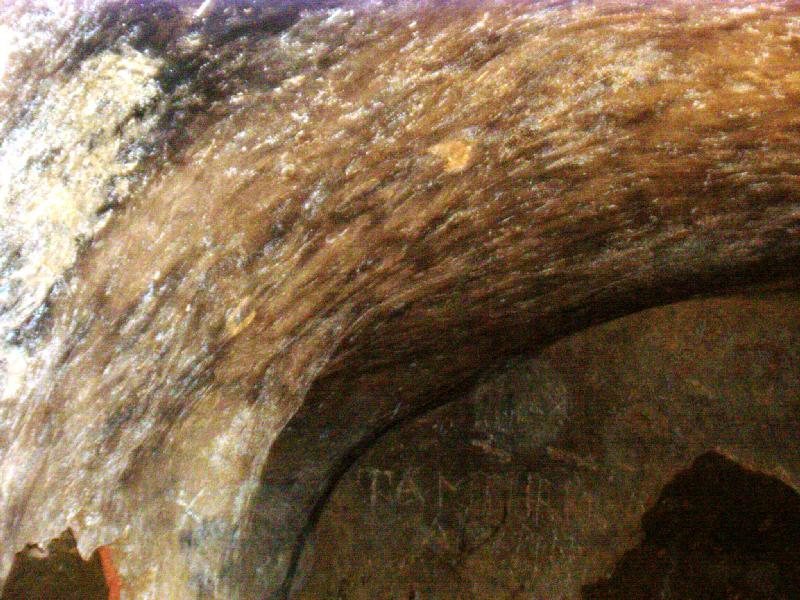
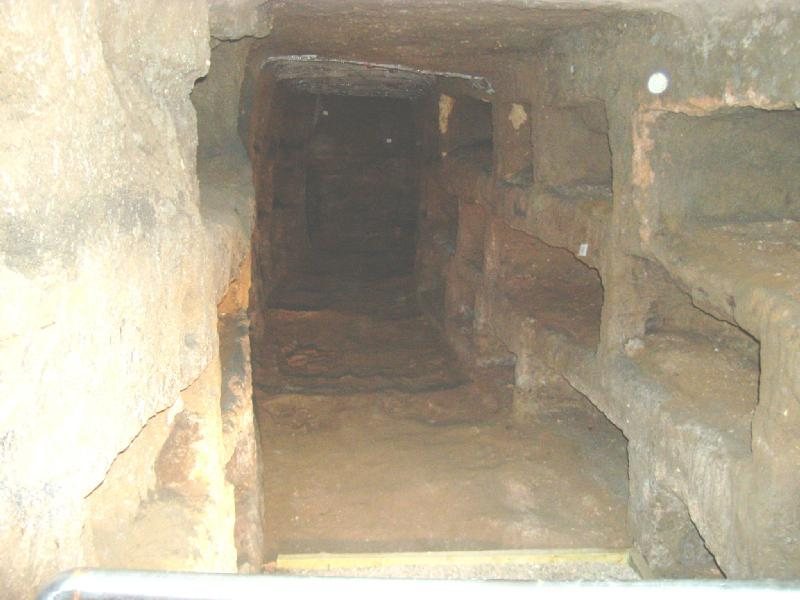
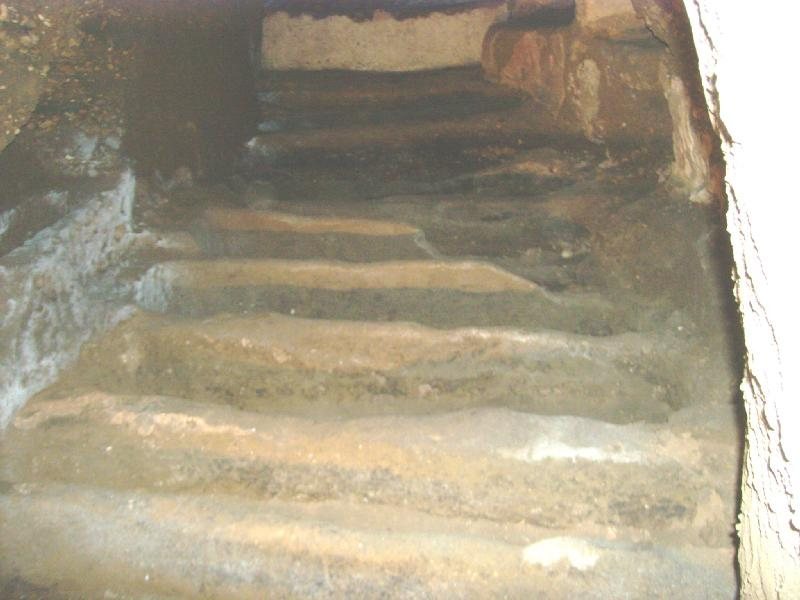
The complex consists of underground corridors cut into tuff, rock formed from compacted volcanic ash. Two parallel tunnels are joined by passages; the corridors reach up to 2 m in width, and the number of catacombs has been estimated at several hundred. Quarrying marks remain visible in the rock.
Burial passages
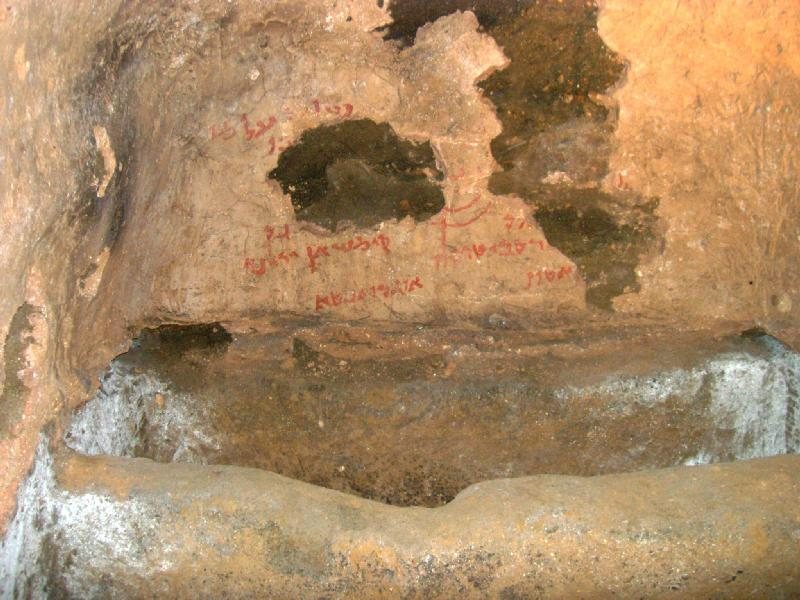
Recesses cut along the passageways hold the burials. One large niche contains burial places arranged across it for a family.
Inscriptions and epitaphs
Languages and dates
About 70 funerary inscriptions in Latin, Greek, and Hebrew have been found in the complex. The earliest writing is generally in Koine Greek, a common form of Greek in the Hellenistic and Roman periods; Latin appears in newer, deeper sections. Many texts use nonstandard language. The catacombs contain more Hebrew text than the better-known Jewish catacombs of Rome. One inscription is dated precisely to 521. Some later tombstones reckon dates from the destruction of the Temple in Jerusalem, while two also give dates according to the traditional Jewish era counted from the creation of the world.
Named epitaphs
An epitaph probably dating to the 5th century commemorates Faustina, daughter of Faustinus, who died aged 14 years and 5 months. It says that two emissaries and two rabbis eulogized her; they may have been sent by the Nasi, a senior Jewish communal leader. Other epitaphs identify a deceased person as the son of Faustinus and give the parentage of a man who died aged 80.
Painted decoration
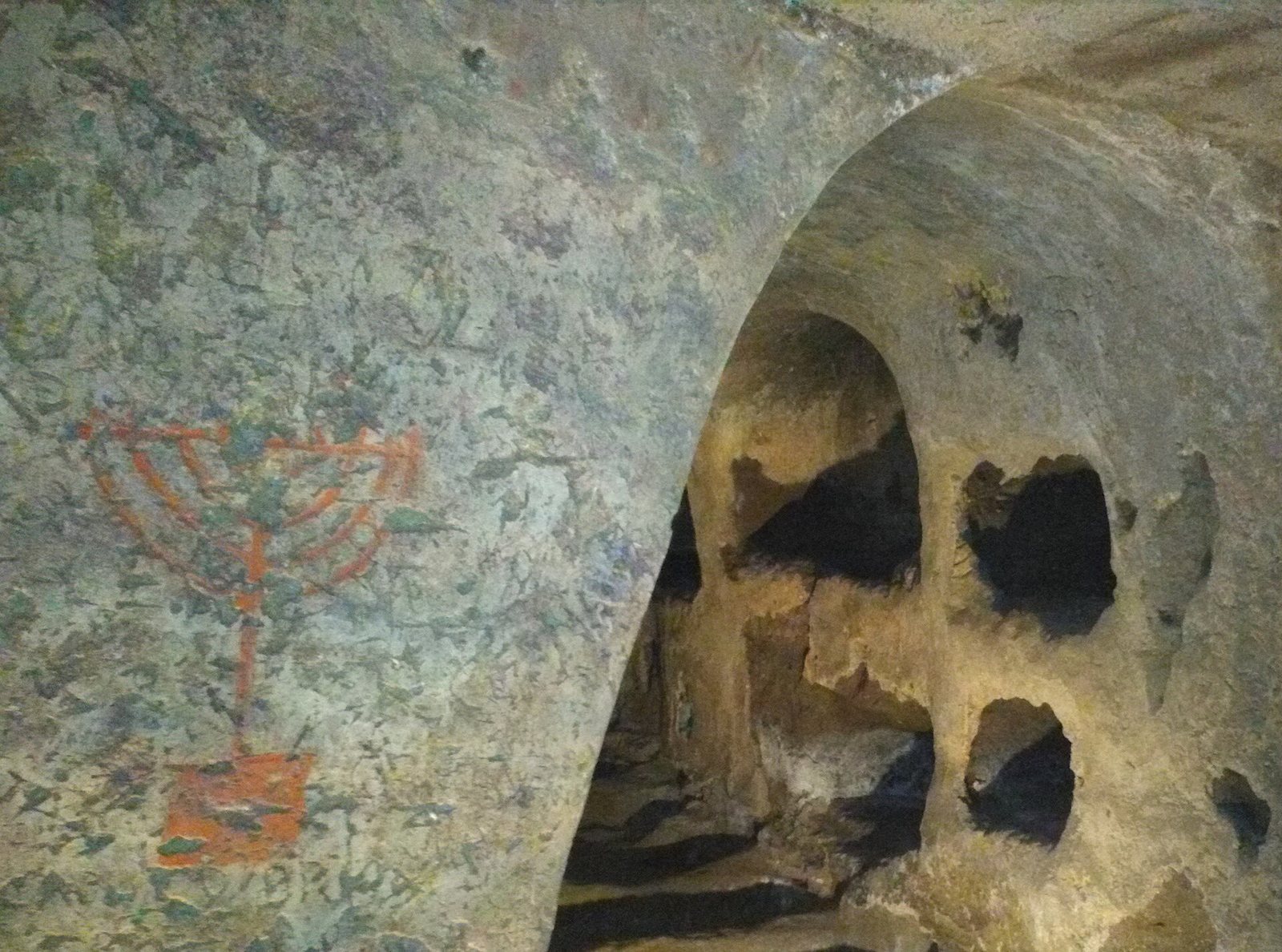
Paintings include a menorah, the seven-branched Jewish lampstand, an etrog (citron), and a lulav (palm frond), both used in Jewish religious observance. Another image represents the Binding of Isaac, the biblical episode in which Abraham binds Isaac after being commanded to offer him. Paintings and carved inscriptions appear on or above graves.