Mesimvria-Zoni: An Ancient Greek Fortified Port and Trading Post
Site at a Glance
- Popularity
- Low
- Country
- Greece
- Primary era
- Classical
- Eras represented
- Iron Age, Classical, Medieval
- Civilizations
- Ancient Greek, Thracian
- Site type
- City
On this page8 sections
History
The archaeological site of Mesimvria-Zoni lies on Greece’s Thracian coast, about 20 km west of Alexandroupoli, and preserves a fortified port and trading post founded by Greek settlers from Samothrace near the end of the seventh century BC. Its coastal position connected maritime routes with the Thracian interior, and the settlements in the area helped spread Greek language and culture among local Thracian communities, an ancient people of southeastern Europe.
Early settlement and regional connections
A Thracian settlement dating to the Early Iron Age preceded the Greek city. Ancient names associated with the later settlement include Mesembria and Zone, and the archaeological site is tentatively identified with Zone.
Herodotus, an ancient Greek historian, called the fortified Greek colonial settlements between Mount Ismaros and the Evros River the “Samothracian fortifications.” The coastal group included Mesembria, Dris, Zone, and Sale. Tempira and Caracoma developed in the area during Roman times. Together, these settlements helped regulate regional passage and supported exchange between the coast and the inland communities.
Prosperity and decline
Mesimvria-Zoni flourished during the fifth and fourth centuries BC and became a center for the local Thracian population. Its fortunes weakened under Macedonian rule along the Thracian coast. In Roman times, roads bypassed the settlement, and it had been depopulated by about the first century AD.
Excavation and identification
Excavations began in 1966 and have continued, revealing an ancient city whose remains date from the fifth to the second centuries BC. About 2,000 coins found at the site support its tentative identification with Zone, the principal mainland center of Samothrace’s Peraia (the mainland territory linked to an island community). Zone issued its own coins and paid a tribute of two talents, an ancient unit of weight and value amounting to about 50 kg. This was more than the tribute paid by any other city in the Athenian League, an alliance led by Athens.
Remains
Fortifications and settlement areas
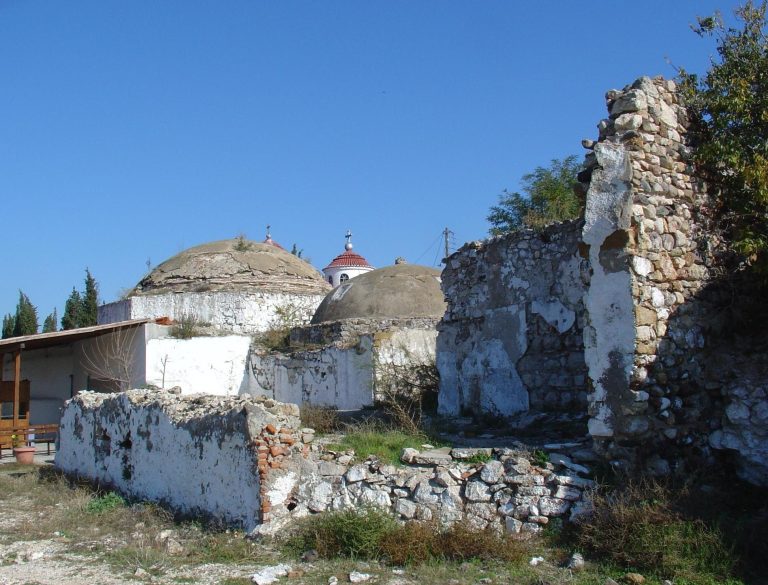
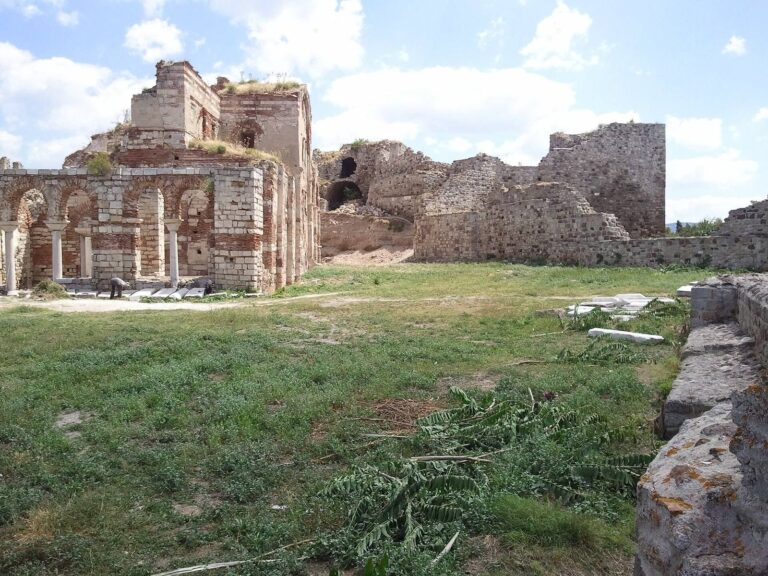
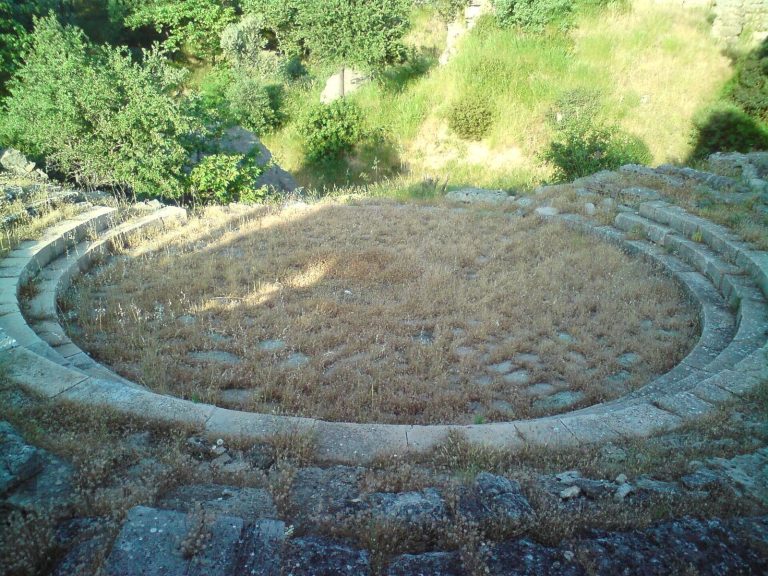
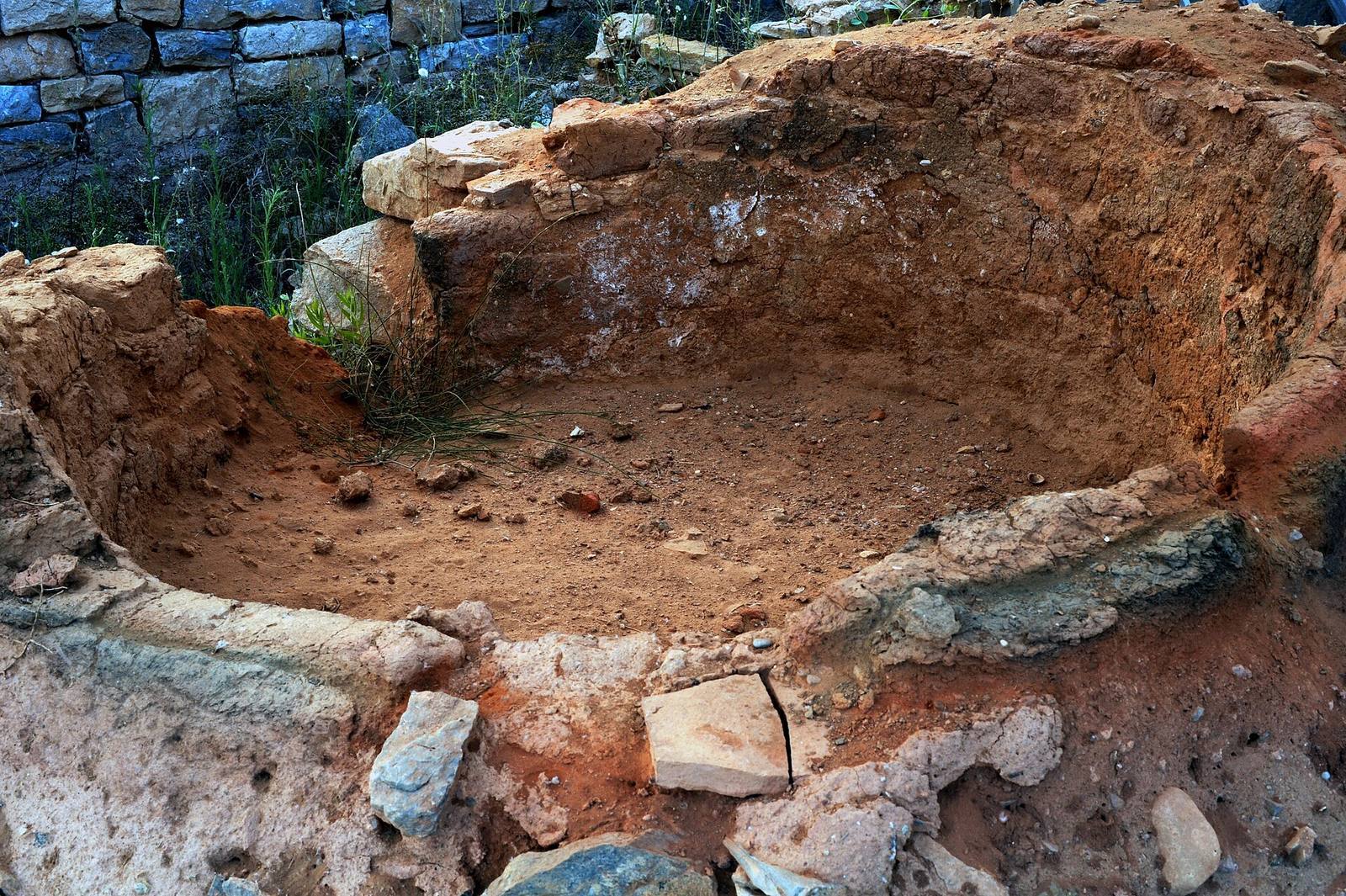
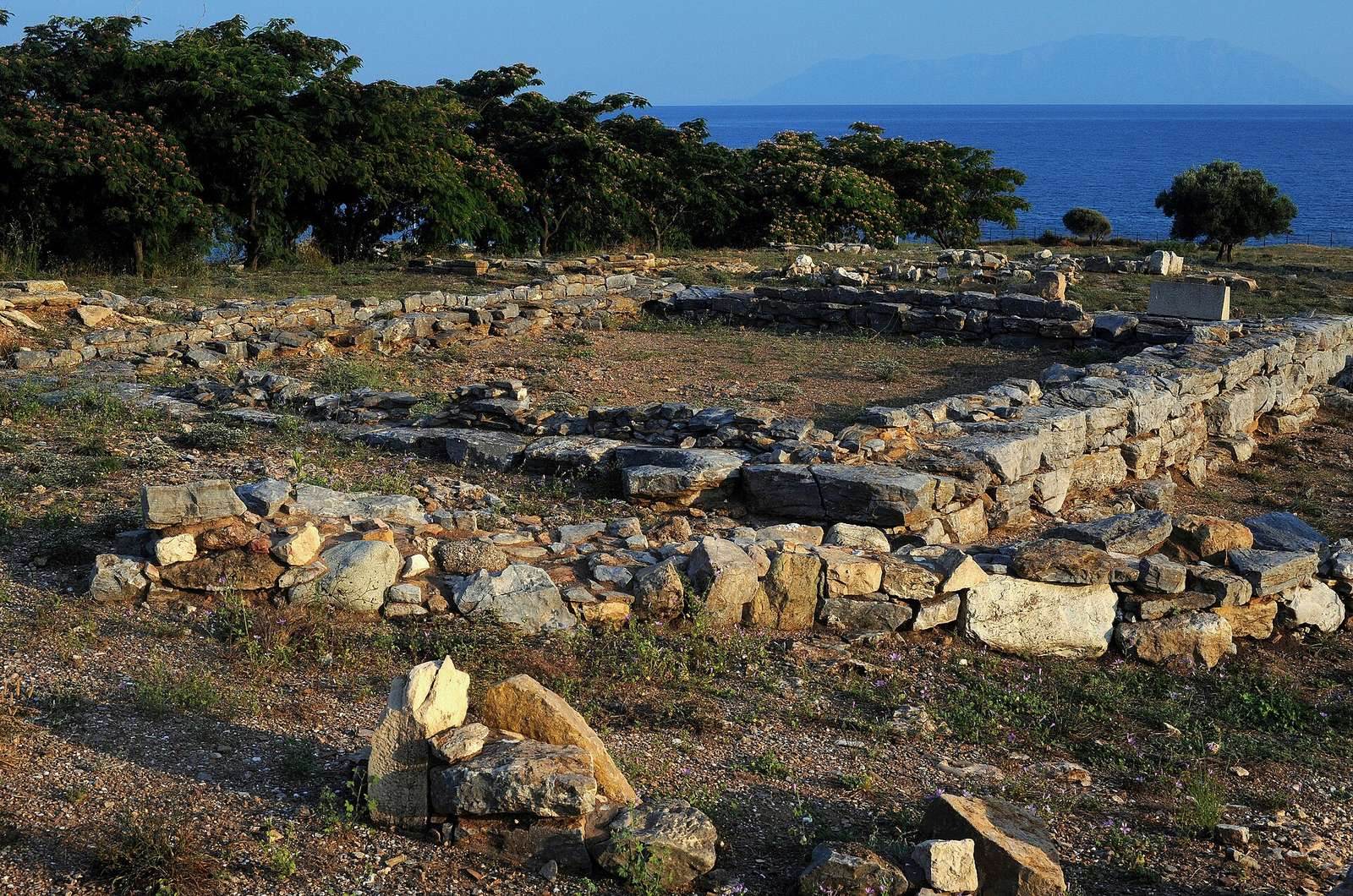
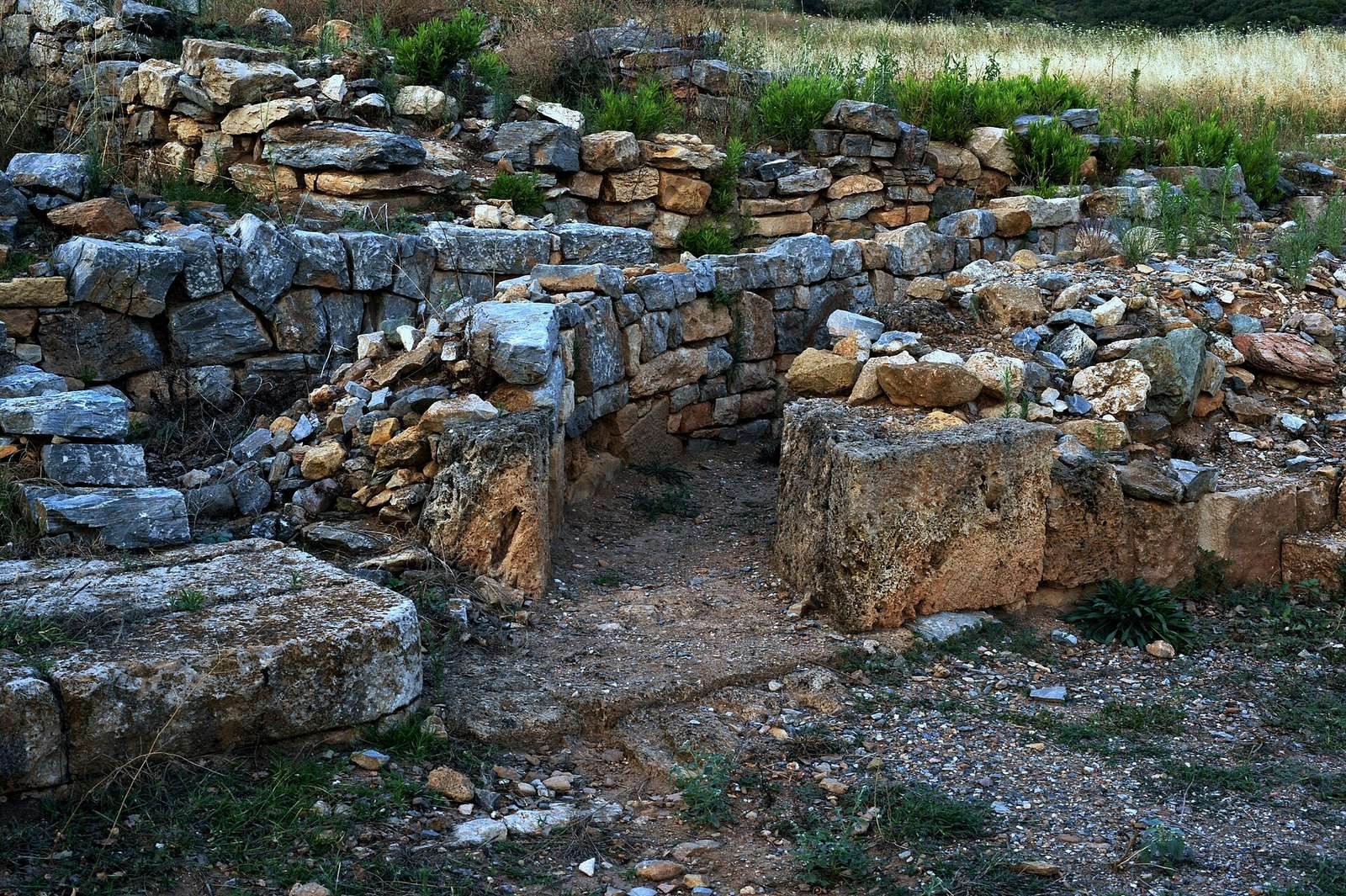
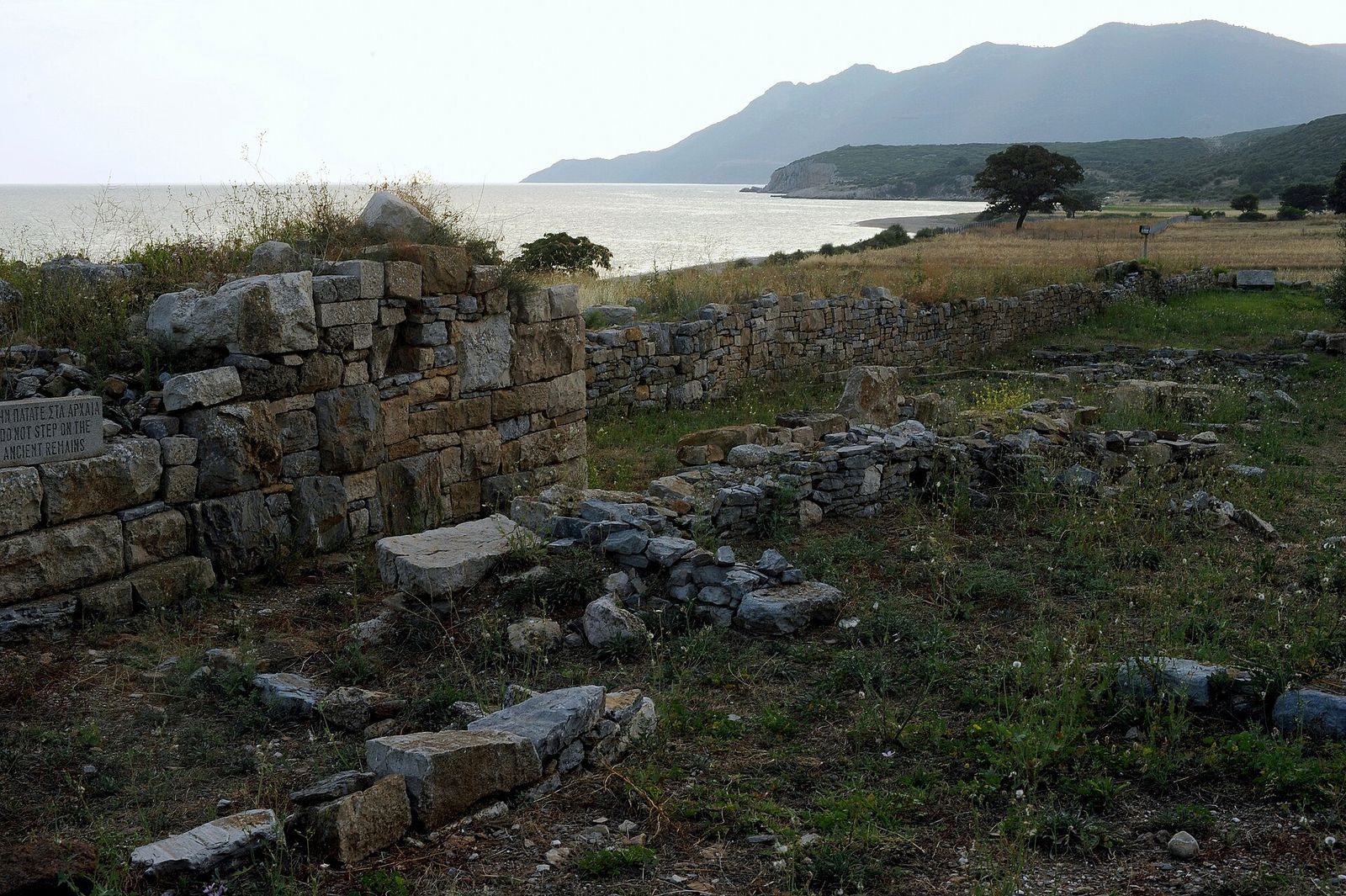
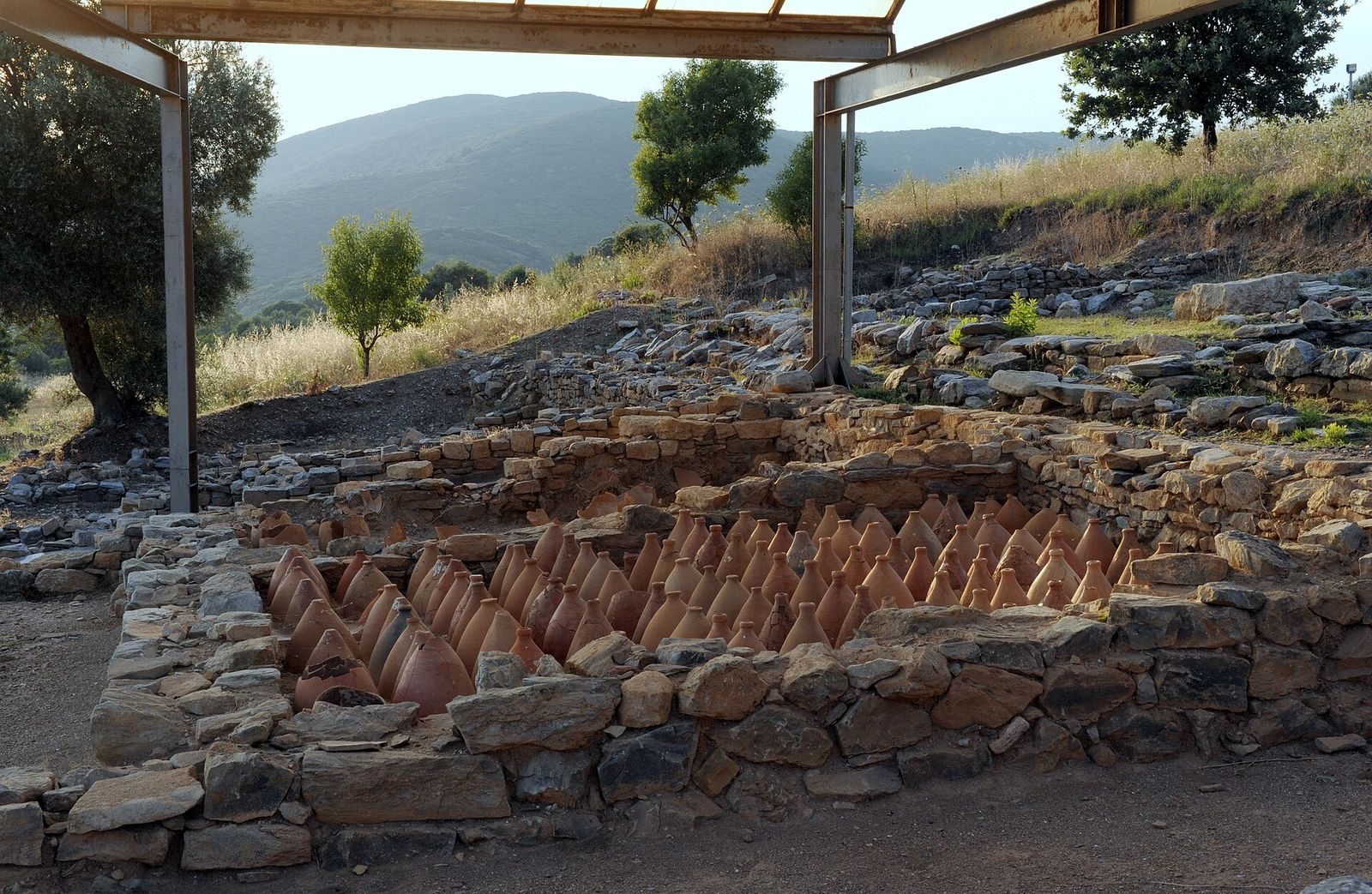
The site lies about 3 km west of the village of Mesimvria, between Petrota beach and Dikella. Its remains include a defensive wall with towers and a gate in the western wall. Within the fortifications are the remains of a walled settlement from the late fourth century BC, from the Hellenistic period following the conquests of Alexander the Great. Groups of houses with courtyards stand among a network of streets, storage spaces, shops, and workshops. The working areas include a storehouse for amphorae, two-handled vessels used to store and transport goods, as well as a building containing amphorae. A fifth-century BC pottery kiln and the base of a hand mill also survive.
Sanctuaries
The sanctuary of Apollo, a Greek god associated with prophecy and the arts, dates to the sixth and fifth centuries BC; its temple is dated to the late sixth century BC. Finds from the sanctuary include vase fragments, vessels inscribed with Apollo’s name, and fragments of kouroi, statues of nude young men. The temple of Demeter, a Greek goddess associated with agriculture and grain, dates to the fourth and third centuries BC. Many silver votive plaques, offerings dedicated in a religious setting, were found there, bearing messages from worshippers.
Hall, tower, and burial ground
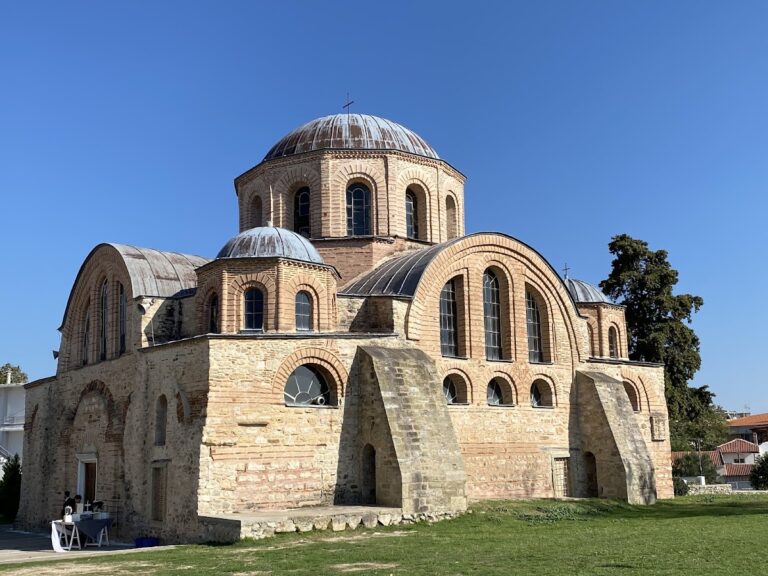
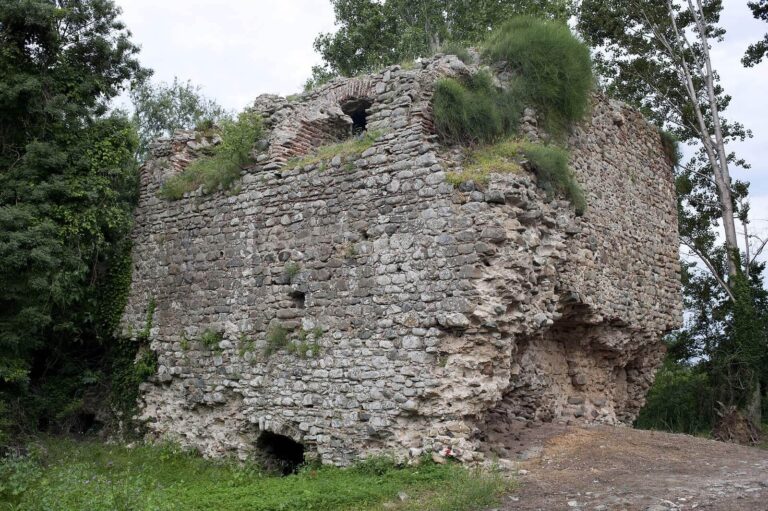
A substantial building measures 9 by 15 m and consists of an entrance hall, a single-room hall, and a crypt, an enclosed chamber. A medieval tower stands on the height above the ancient settlement, while the burial ground lay beyond the city walls. Finds from Mesimvria-Zoni are exhibited at the Archaeological Museum of Komotini.