Rocca Flea: A Fortified Palace in Gualdo Tadino, Italy
Site at a Glance
- Rating
- 4.5
- Popularity
- Low
- Country
- Italy
- Primary era
- Medieval
- External website
- Open
- Eras represented
- Medieval
- Civilizations
- Kingdom of Sicily, Lombard
- Site type
- Military
- Remains
- Castle
On this page9 sections
History
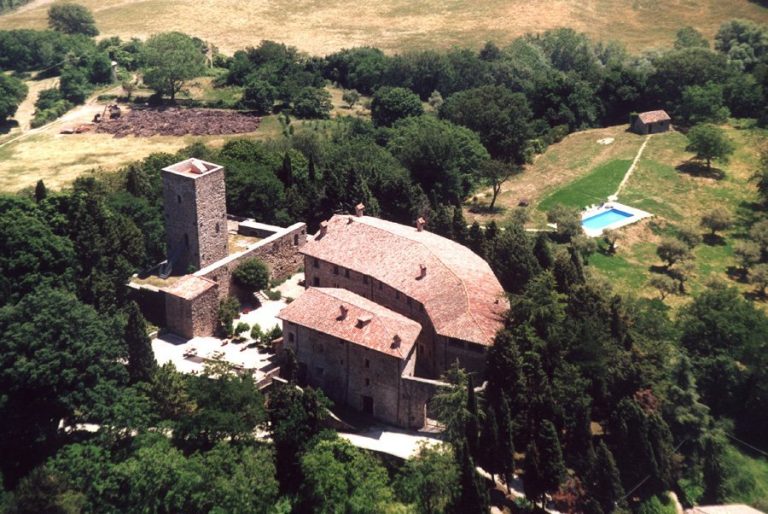
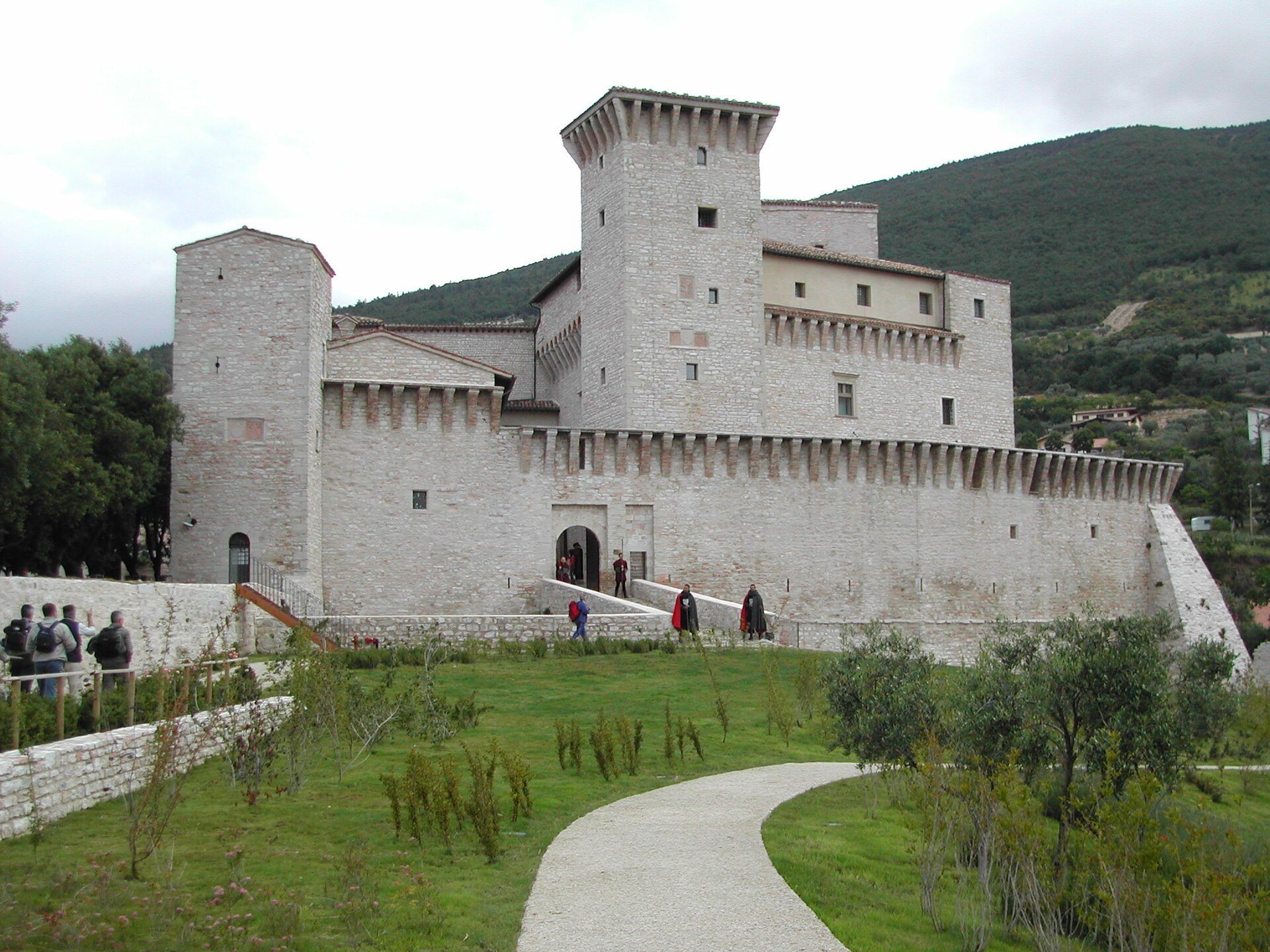
Rocca Flea is a fortified palace in Gualdo Tadino, Italy, whose medieval Italian origins reach back to the twelfth century and whose surviving form reflects late medieval fortified architecture. The fortress predates the reconstruction of Gualdo Tadino in 1237 and may have developed from an earlier Lombard-period foundation.
Early Fortress and Medieval Rebuilding
An ancient place of worship dedicated to Saint Michael the Archangel formed part of the site’s early history. Founded during the Lombard period, when the Lombards ruled much of early medieval Italy, the church was known as Sant’Angelo di Flea. The fortress was rebuilt in 1242 by Frederick II of Swabia, the medieval Holy Roman Emperor and ruler of the Kingdom of Sicily.
During Perugian rule over Gualdo, the central keep, known as the Cassero, was added in 1350. Further work followed under Biordo Michelotti during the fourteenth century, and the fortress continued to undergo restorations and alterations in later periods.
Residence, Prison, and Museum
During the Renaissance, Rocca Flea was converted from a military stronghold into a patrician residence. Cardinal Antonio Maria Ciocchi del Monte lived there between 1515 and 1533. In the early nineteenth century, the building became a women’s prison, and from 1888 it served as a district prison.
Since 1999, Rocca Flea has housed the Municipal Museum of Gualdo Tadino. Its collections bring together archaeology, painting, ceramics, and historical material, while the archaeological displays trace settlement in the Gualdo Tadino area from prehistory through the Middle Ages. The fortress belongs to the Municipality of Gualdo Tadino and is preserved in a restored condition.
Remains
Fortified Structure
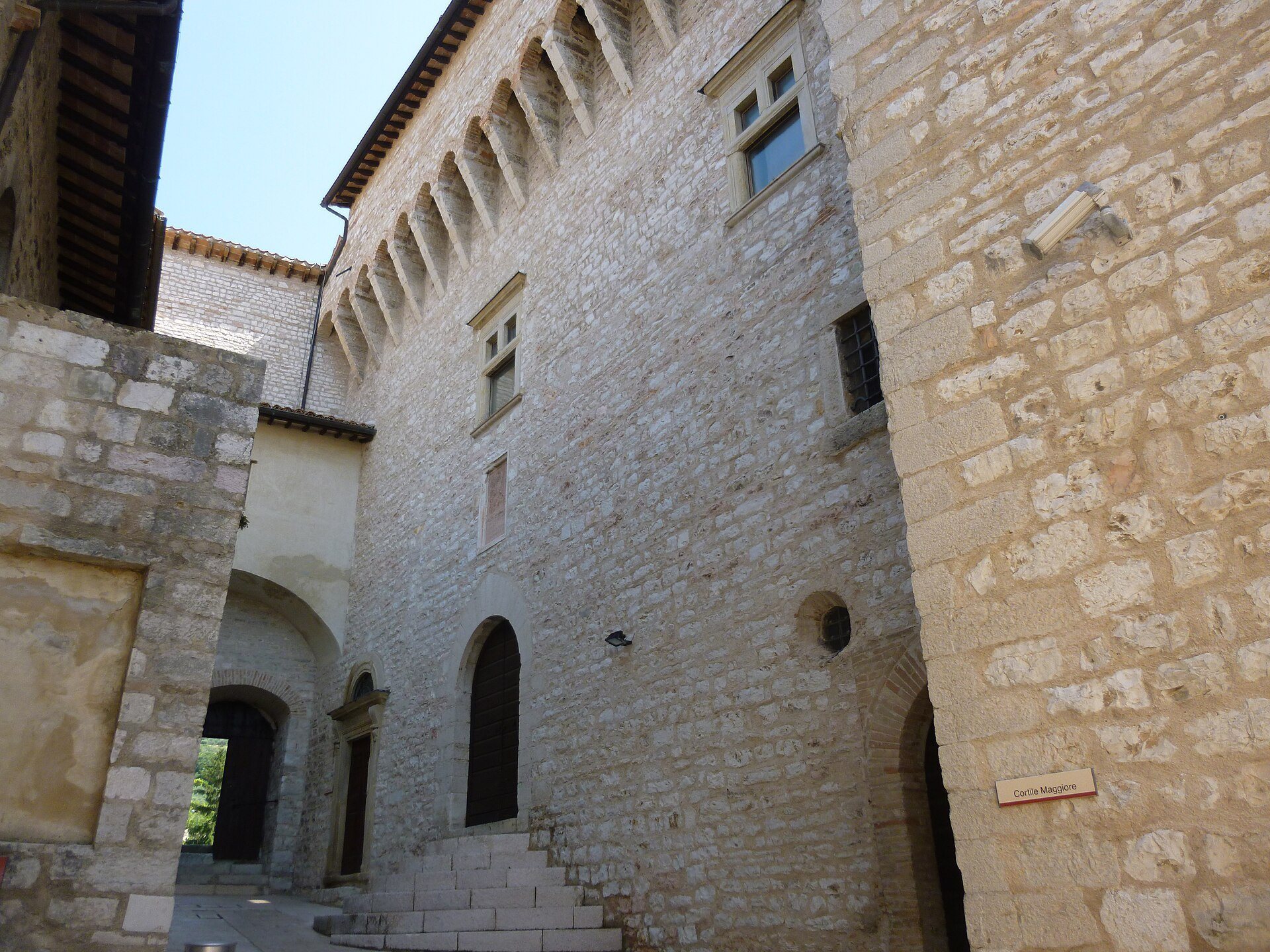
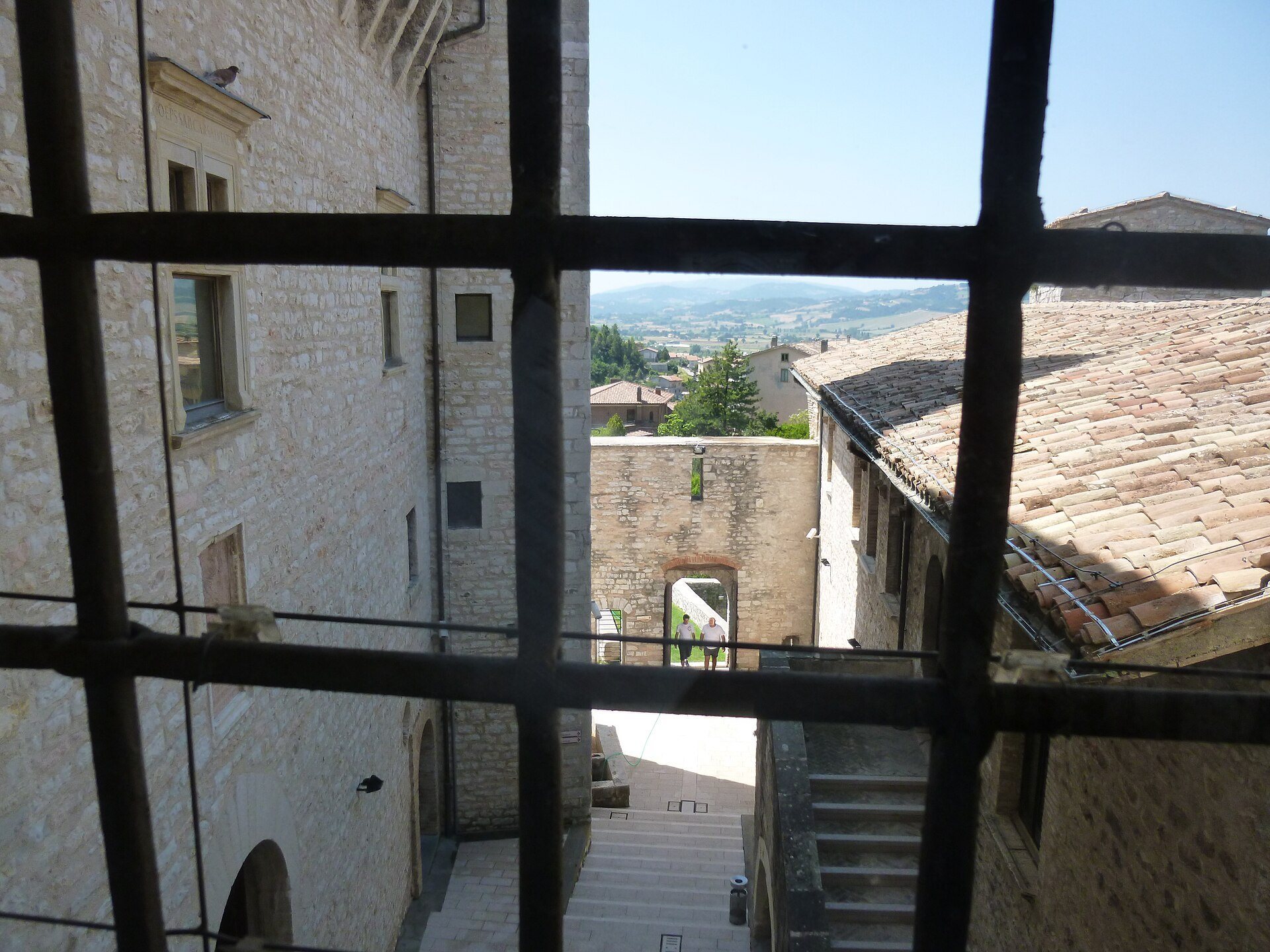
Rocca Flea occupies the upper part of the hill on which Gualdo Tadino stands. Its late medieval structure is built from ashlar masonry and brick, with the Cassero forming the central keep and defensive core of the complex. The surviving fortress combines the remains of its military development with the spaces later adapted for residential, penal, and museum use.
Museum Collections
Archaeological Collection
The ground-floor hall and two rooms on the first floor contain archaeological pieces that illustrate settlement in the Gualdo Tadino area from prehistory through the early Middle Ages. These displays occupy rooms within the historic fortress and connect the building’s medieval setting with the longer human history of the surrounding area.
Art Gallery
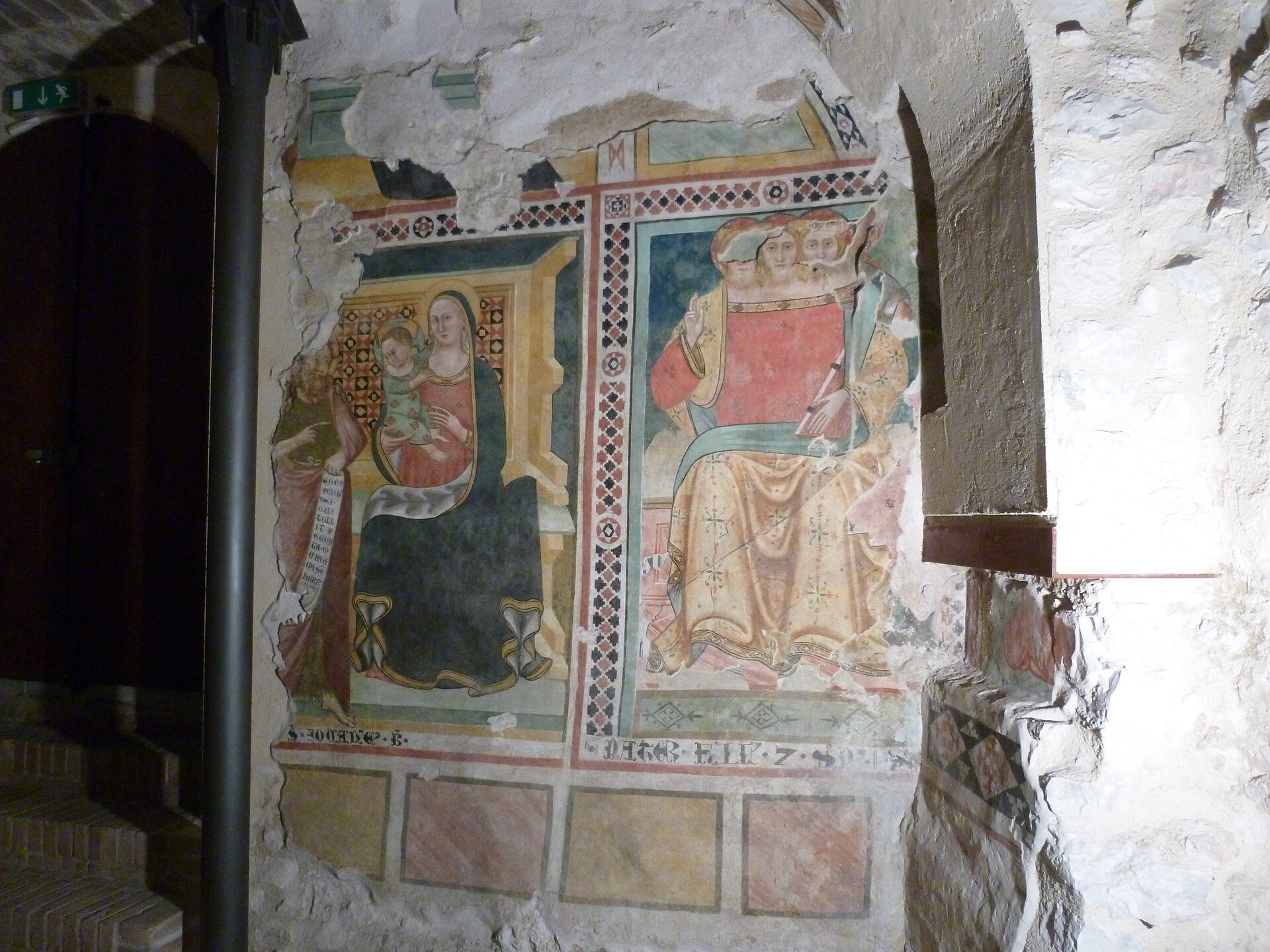
The upper rooms contain the art gallery, whose works include paintings by Matteo da Gualdo, Avanzino Nucci, Sano di Pietro, and Antonio da Fabriano. Most of these works came from churches in the surrounding region and represent the artistic culture of the border area between Umbria and the Marches.
Ceramics
The atrium and first-floor rooms display nineteenth- and twentieth-century ceramics. The collection reflects Gualdo Tadino’s historic craft tradition, with particular attention to lusterware, a ceramic surface made to look metallic through a special firing process.