Santa Maria Maddalena Church: A Historic Papermakers’ Church in Fabriano, Italy
Site at a Glance
- Rating
- 4.7
- Popularity
- Very Low
- Country
- Italy
- Primary era
- Modern
- External website
- Open
- Eras represented
- Medieval, Modern
- Civilizations
- Papal States
- Site type
- Religious
- Remains
- Church
On this page11 sections
History
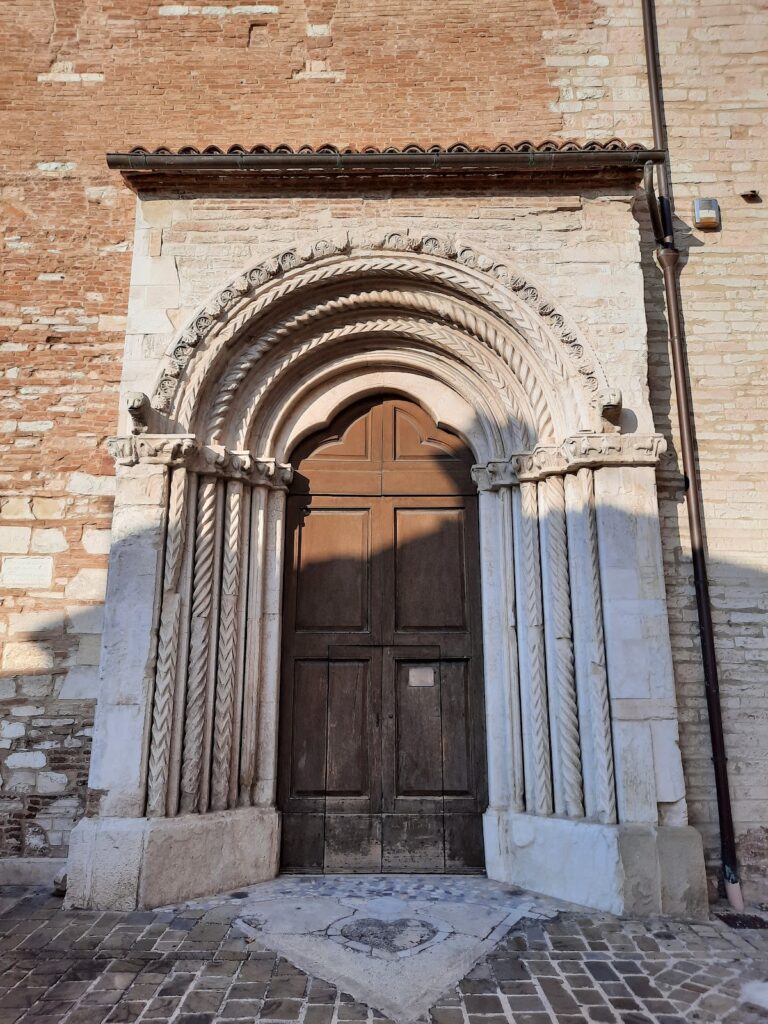
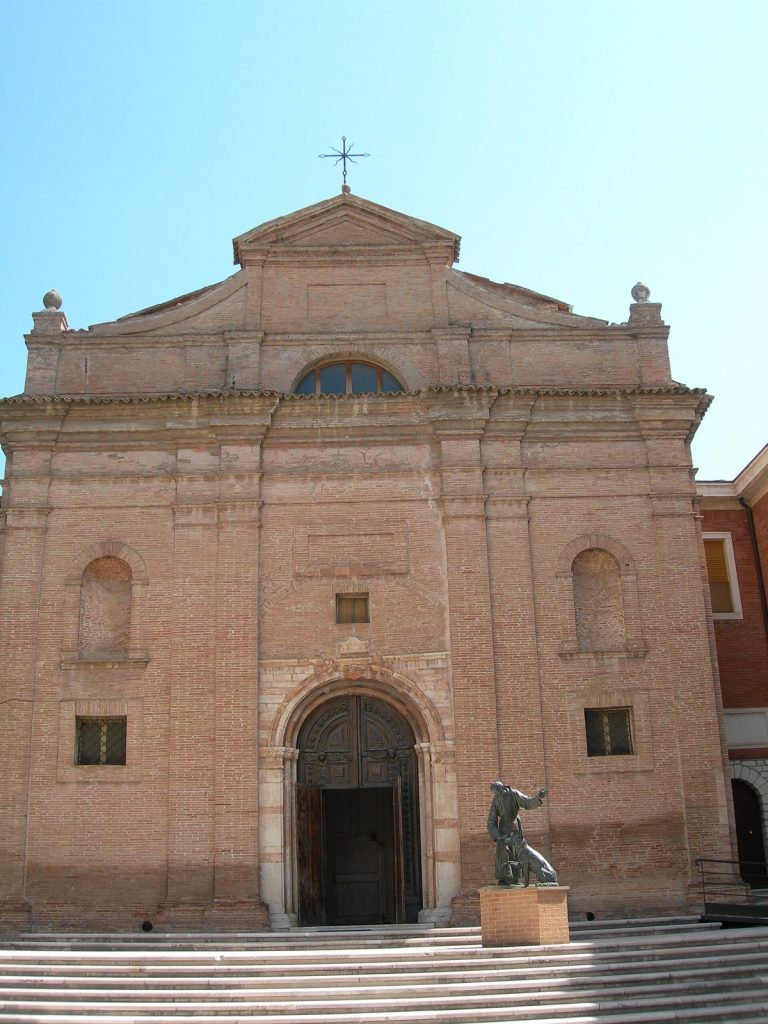
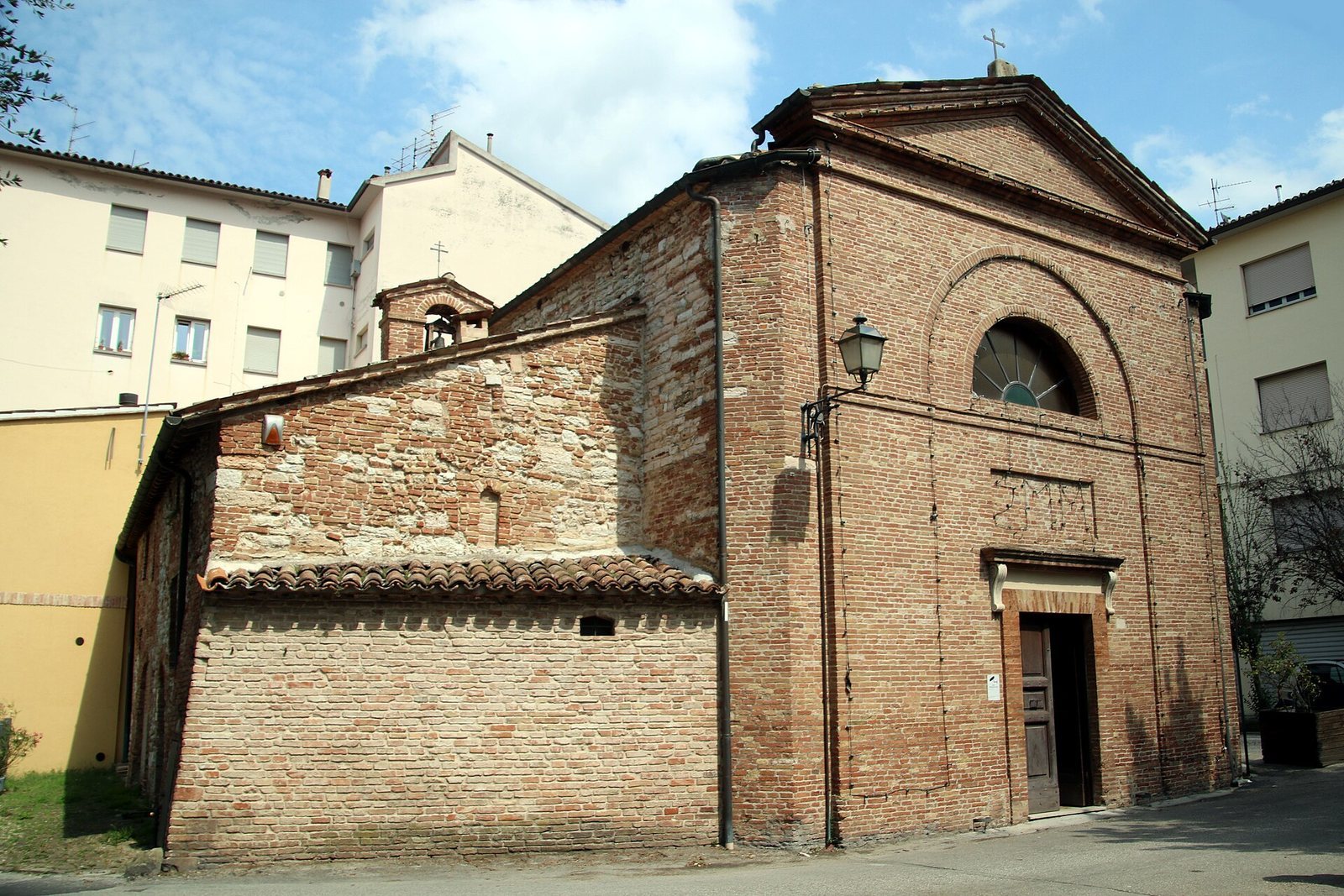
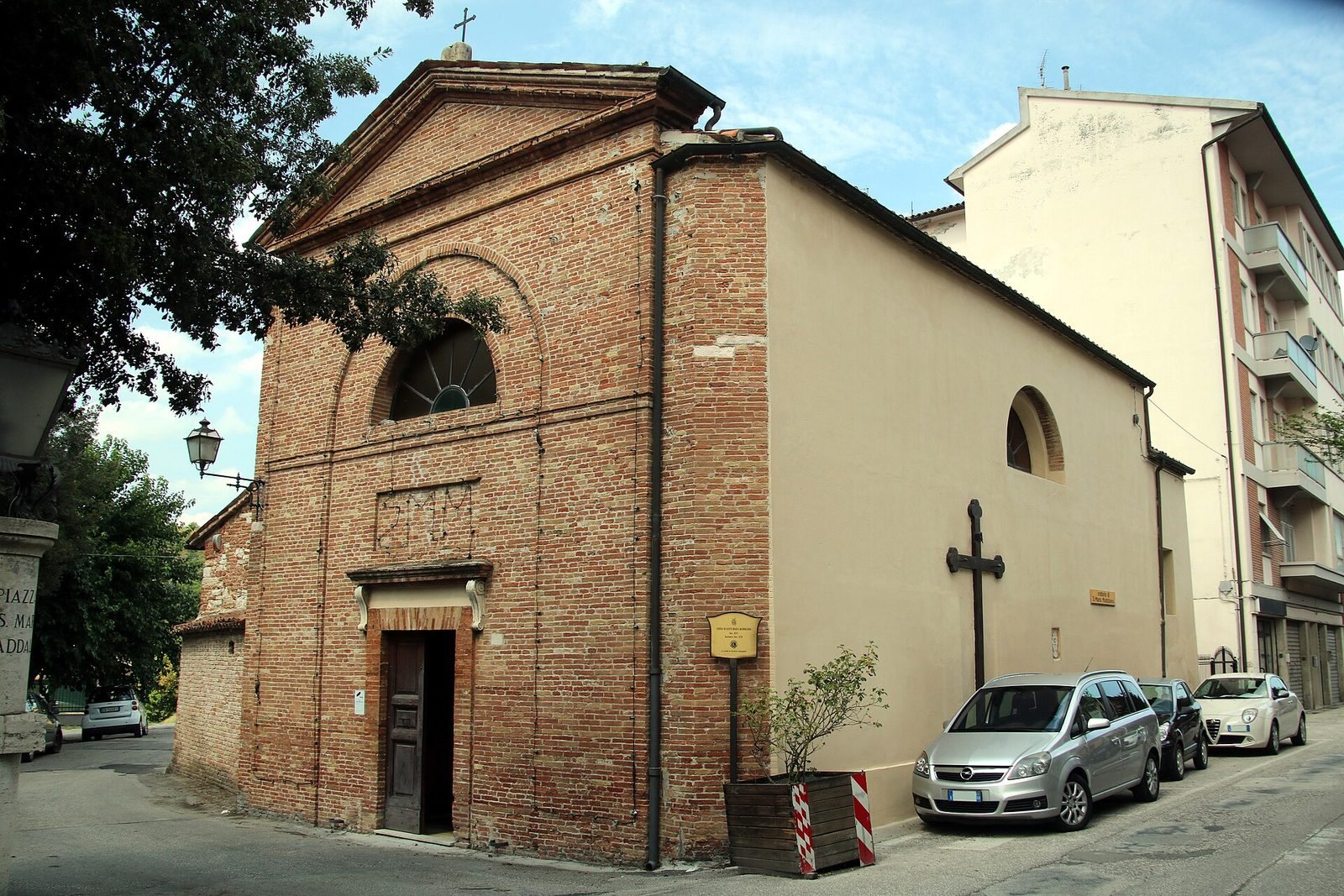
Santa Maria Maddalena church is a Catholic church in Fabriano, Italy, and the seat of the Pia Università dei Cartai, or Pious University of Papermakers, the historic institution associated with the city’s papermakers. The church first appears in a 1326 parchment, when its complex included a hospital for travelers and pilgrims and depended on the Arcispedale of Santo Spirito in Saxia, a historic charitable hospital institution in Rome.
Medieval origins and later changes
The connection with Santo Spirito shaped the church’s institutional identity during the Middle Ages. Its buildings were modified repeatedly over the centuries, in part because Fabriano was affected by recurring earthquakes. These changes altered the complex while preserving its association with religious care and the city’s papermaking community.
The papermakers’ institution
In 1839, Pope Gregory XVI transferred the church, then owned by the papal treasury, to the Pia Università dei Cartai. The institution carried out the repairs needed for the church to continue the duties it had performed there since ancient times.
Fabriano’s devotion to Mary Magdalene is traditionally connected with an event on 22 July 1599. A worker trapped beneath a paper press emerged unharmed after invoking the saint’s intercession. The event remains associated with the church through an ex voto, an offering made in thanksgiving for divine or saintly intervention, preserved in the sacristy.
Neoclassical renewal and modern restoration
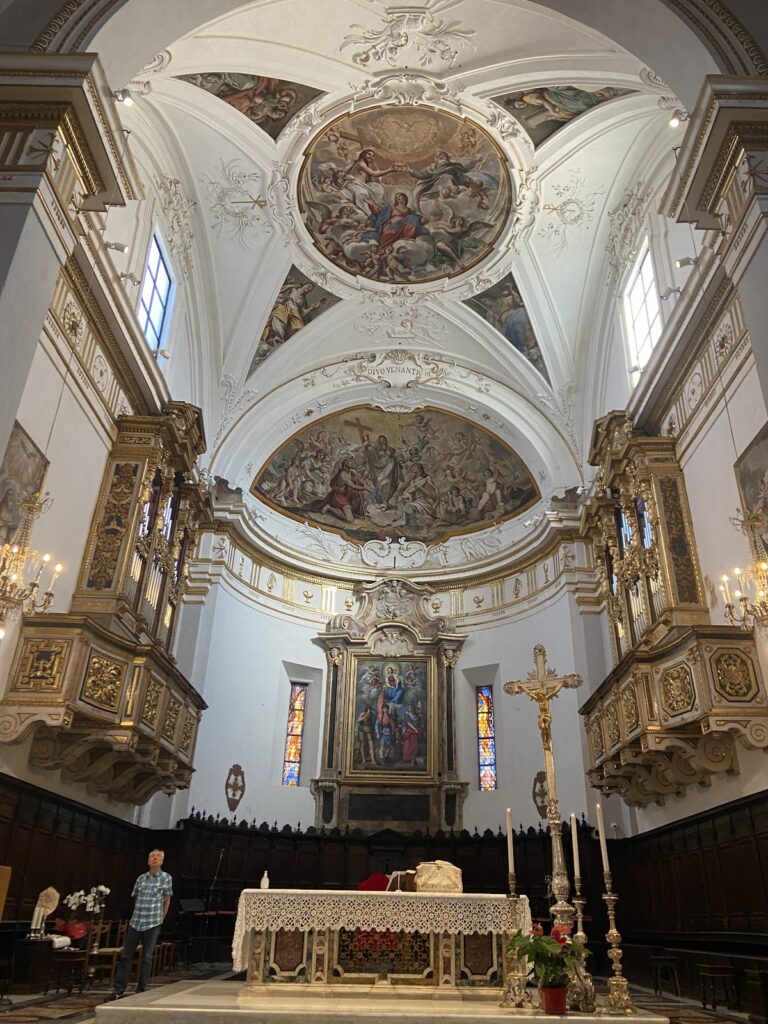
A restoration completed for the inauguration feast of 22 July 1858 gave the church its Neoclassical character. The project was designed by Antonio Serafini at the initiative of Bishop Francesco Faldi. Neoclassical architecture revived balanced forms, symmetry, and decorative elements associated with ancient Greek and Roman buildings.
Maintenance and renovation work requested by Giovanni Battista Miliani in the early 1930s revealed important fourteenth-century frescoes attributed to the Master of Campodonico. In the postwar period, the Miliani family and Cartiere Miliani Fabriano donated much of the surrounding land to the Pia Università dei Cartai, enabling broader participation in the annual feast held on 22 July for the church’s patron saint.
Structural damage caused by the Central Italy earthquake that also affected Fabriano led to the church’s closure from October 2016 until November 2017. Consolidation works promoted by Alessandro Fedrigoni, the Pia Università dei Cartai’s “Captain of Art” and president of Cartiere Miliani Fabriano, prepared the building for its reopening on 12 December 2017.
Remains
Exterior symbols and bell tower
Three exterior symbols preserve the church’s connection with the Arcispedale of Santo Spirito in Saxia. They represent the Lorraine Cross, a cross with two horizontal bars used in the hospital’s emblem. The oldest is made of yellowish brick and is set into the side wall toward the northwest. A second cross, dating approximately to the seventeenth century, is built into the wall facing Via Giuseppe Miliani. It shows a double cross within a heraldic shield, topped by a marquis’s crown and flanked by the initials “G” and “B.” A third Lorraine Cross, made of metal, rises above the church’s small bell tower.
Medieval frescoes and preserved artworks
Fresco cycle
The church contains a fourteenth-century fresco cycle attributed to the Master of Campodonico, an unidentified medieval painter known through works associated with Campodonico. The scenes depict the Annunciation and the Crucifixion. Renovation work in the 1930s brought the paintings to light; they were later detached during restoration and returned to their original positions.
A graffito reading 1336 was made on the fresco and later transcribed beneath it, although the date is not universally regarded as reliable. The cycle is considered the painter’s earliest known work and reflects an influence from Rimini, probably transmitted through the Master of Saint Emiliano, another unidentified painter associated with works connected to Saint Emiliano and active in Fabriano.
Penitent Mary Magdalene
Orazio Gentileschi’s Penitent Mary Magdalene, painted between 1611 and 1615, is preserved in the church. Gentileschi was an Italian Baroque painter associated with strong contrasts of light, naturalistic figures, and pronounced modeling. In this work, the treatment is more cursory than in some of his other paintings in Fabriano, while the rich color and firm, clearly modeled forms remain prominent.
Works from Madonna della Quercia
Santa Maria Maddalena also preserves paintings, chandeliers, and sacred furnishings from the former church of Madonna della Quercia, a Marian devotional title meaning “Madonna of the Oak.” That church was demolished in 1920 after standing within the historic complex of Cartiere Miliani Fabriano. Among the transferred works is a stucco high relief of Madonna della Quercia by Ottaviano Ottaviani, a sculptor from Foligno.
Sacristy objects
The sacristy holds the ex voto associated with the 1599 press accident and the processional banner of the Pia Università dei Cartai. A processional banner is a decorated textile carried during religious processions, and this one expresses the continuing ceremonial connection between the church and Fabriano’s papermakers.