Burg Neuwolfstein: A Ruined Hill Castle in Germany
Site at a Glance
- Rating
- 4.3
- Popularity
- Low
- Country
- Germany
- Primary era
- Medieval
- Eras represented
- Medieval, Early Modern
- Civilizations
- French, Habsburg, Holy Roman Empire
- Site type
- Military
- Remains
- Castle
On this page11 sections
History
Origins and medieval defense
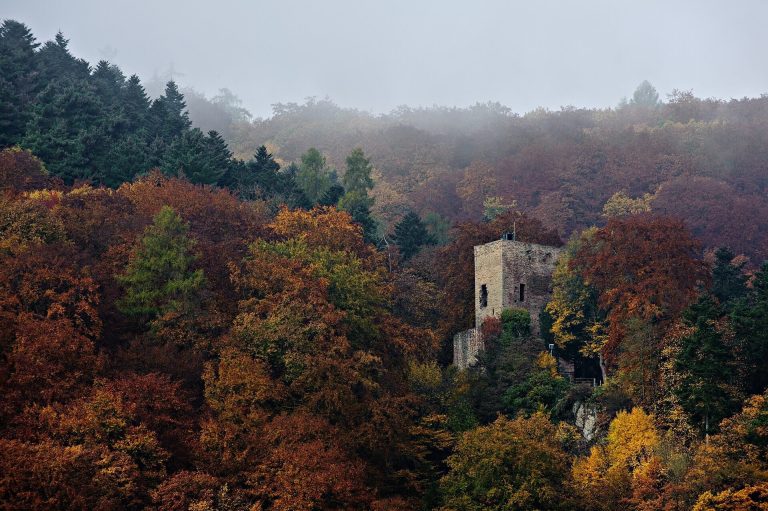
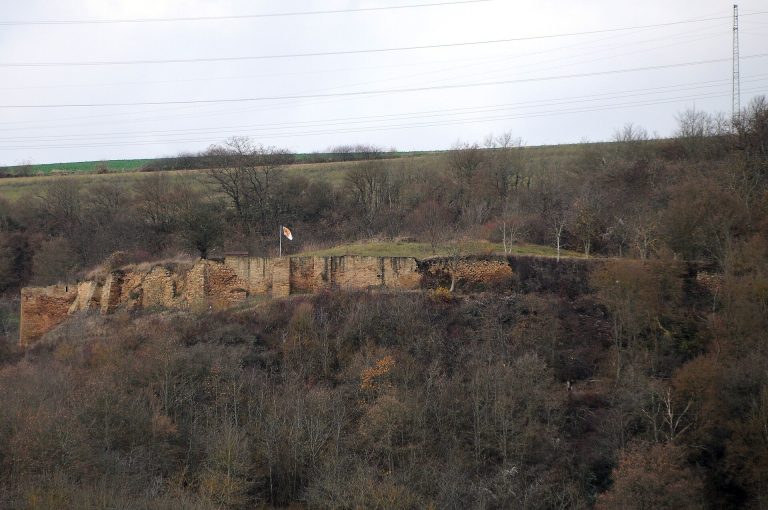
Burg Neuwolfstein is a ruined hill castle in Germany, above the town of Wolfstein in Rhineland-Palatinate. Associated with the counts and linked to the foundation of Wolfstein, it was probably built around 1300 by Rudolf of Habsburg as part of the town’s defenses. Rudolf was a thirteenth-century German king and the first Habsburg ruler to become king of the Romans. The castle was first recorded in 1324 as Hus zu Wolvenstein.
Destruction and rebuilding
The castle was badly damaged in 1503 during the War of the Succession of Landshut, a conflict over the inheritance of the Duchy of Bavaria-Landshut. In 1609 it was demolished and rebuilt. French forces destroyed it again in 1688. The site was then rebuilt as barracks for French soldiers, but cannon fire partly destroyed the barracks in 1713 on the orders of Marshal Villar. The Kingdom of Bavaria later used the ruins as a quarry.
Religious and later use
St. George’s Chapel served the community of Wolfstein as a church from 1720 to 1771. The castle was described as being in poor condition in 1792. From 1794, French soldiers used it as a chapel and medical post, while the buildings continued to serve as a vicarage until 1798. The castle was subsequently left to decay.
Memorial and legend
The ruins now serve as a war memorial and are protected as a cultural monument. They have belonged to the state of Rhineland-Palatinate since 1963. A local legend says that a deep well once stood inside the castle before it was filled in. According to the story, French cavalrymen who lost their way at night fell into the well one after another, and 30 riders died.
Remains
Defensive structures
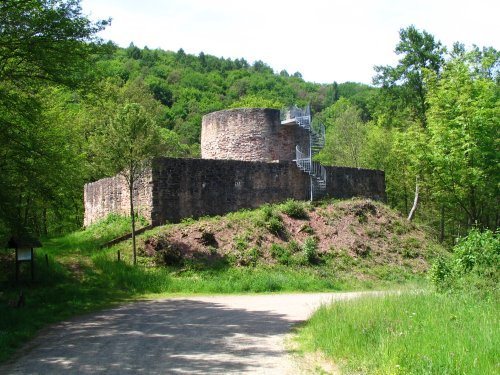
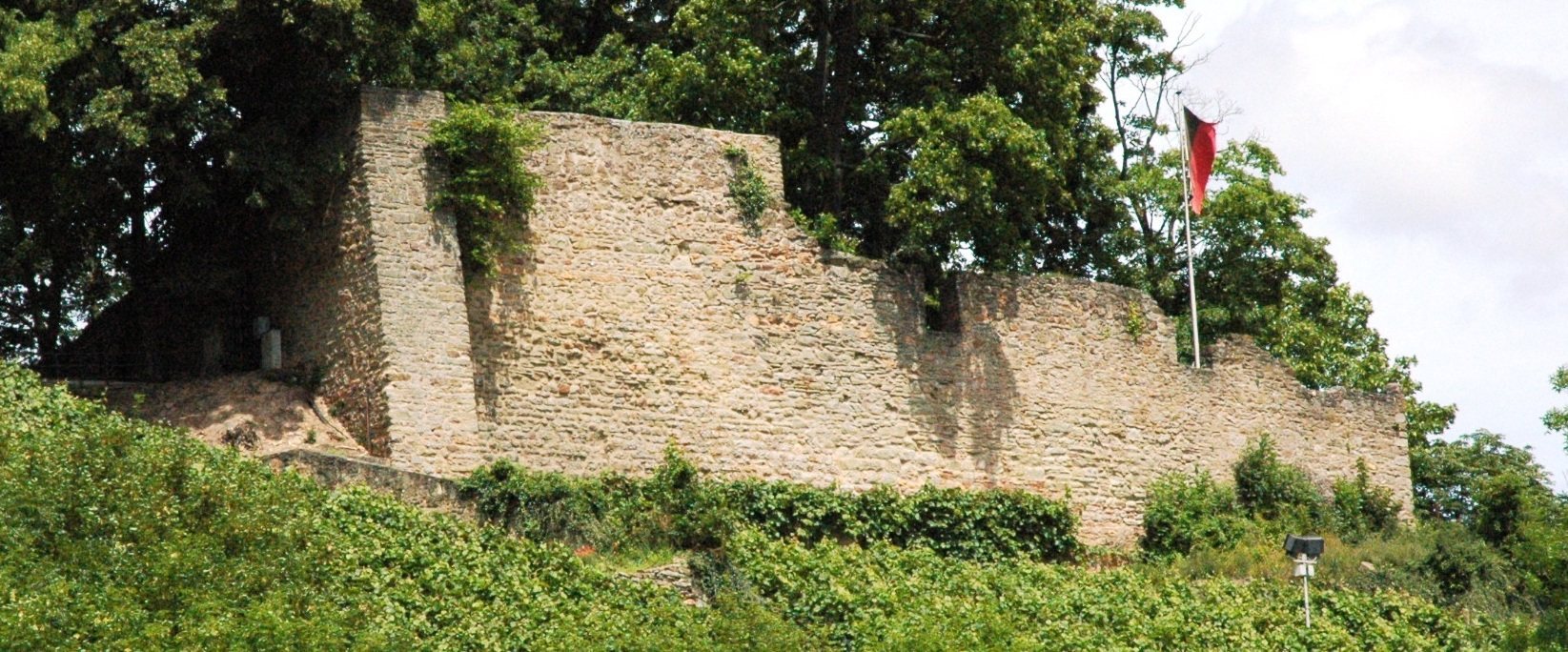
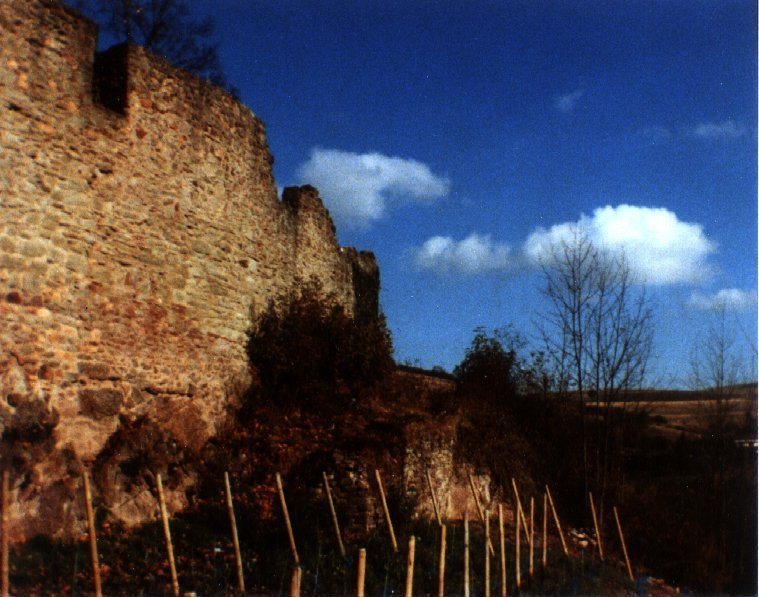
Burg Neuwolfstein stands on a 238-metre-high hill above Wolfstein. Surviving elements include parts of the neck ditch, a defensive ditch cut across the narrow approach to a fortified height, together with sections of the 1.2-metre-thick enclosing wall. The shield wall, a particularly strong section protecting the side most exposed to attack, and the castle gate also remain.
Residential and religious buildings
Palas
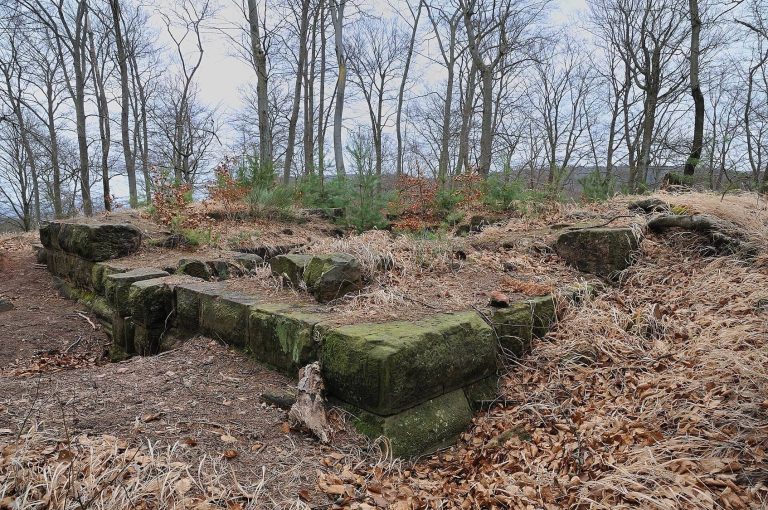
The foundations of the palas, the principal residential and representative building of a medieval castle, survive within the ruined complex. They preserve the footprint of one of the castle’s main buildings.
St. George’s Chapel
St. George’s Chapel formed part of the former castle complex and later served as Wolfstein’s church. Its association with the castle continued through the site’s changing religious uses in the eighteenth century.
Legendary well
The deep well described in local tradition was said to have been located within the castle. It has long since been filled in, but the story remains connected with the ruins and their history of military use.