Church of Viuz-Faverges: A Romanesque Catholic Church in France
Site at a Glance
- Popularity
- Very Low
- Country
- France
- Primary era
- Medieval
- Eras represented
- Classical, Medieval, Early Modern
- Civilizations
- Duchy of Savoy, Holy Roman Empire, Roman
- Site type
- Religious
- Remains
- Church
On this page6 sections
History
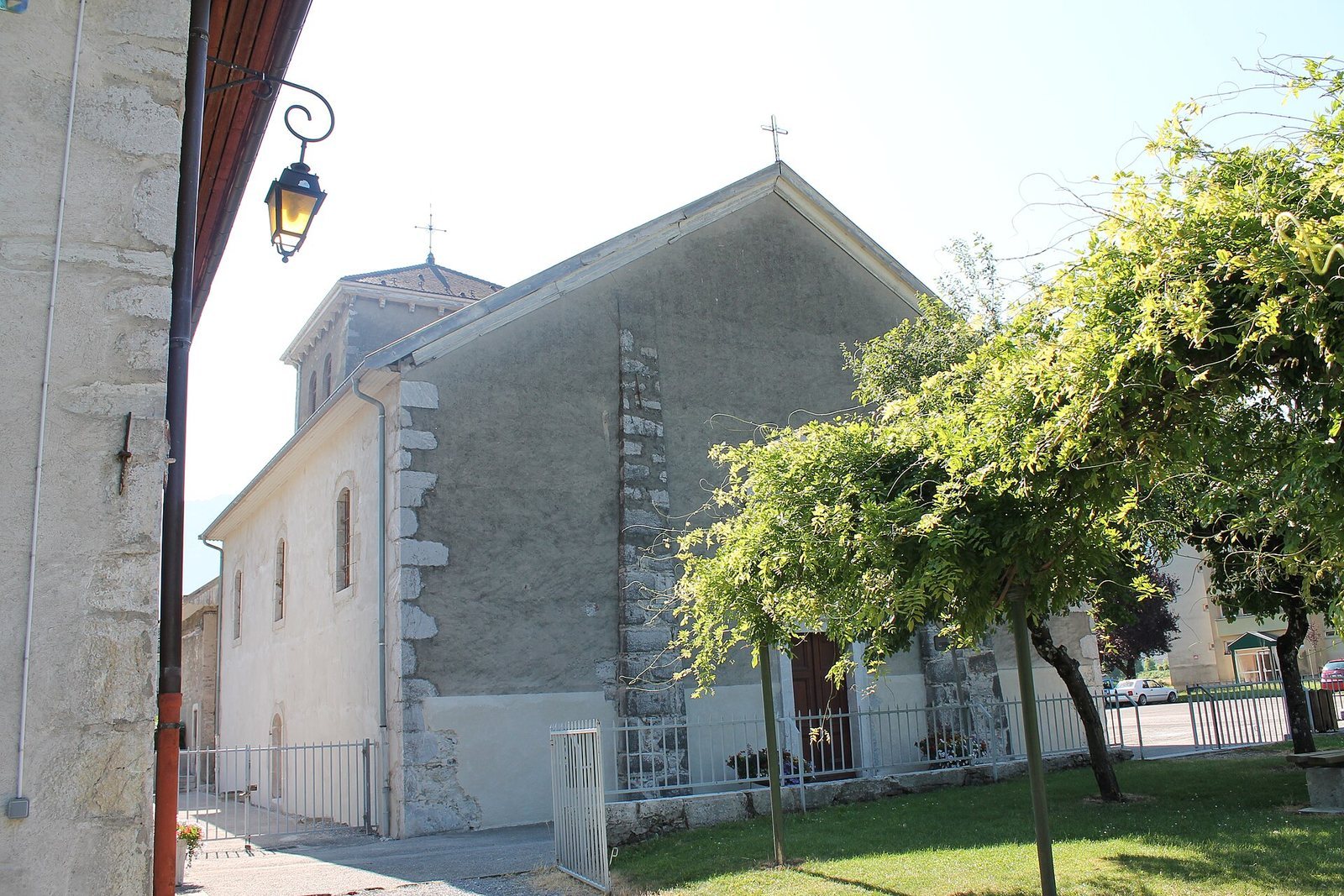
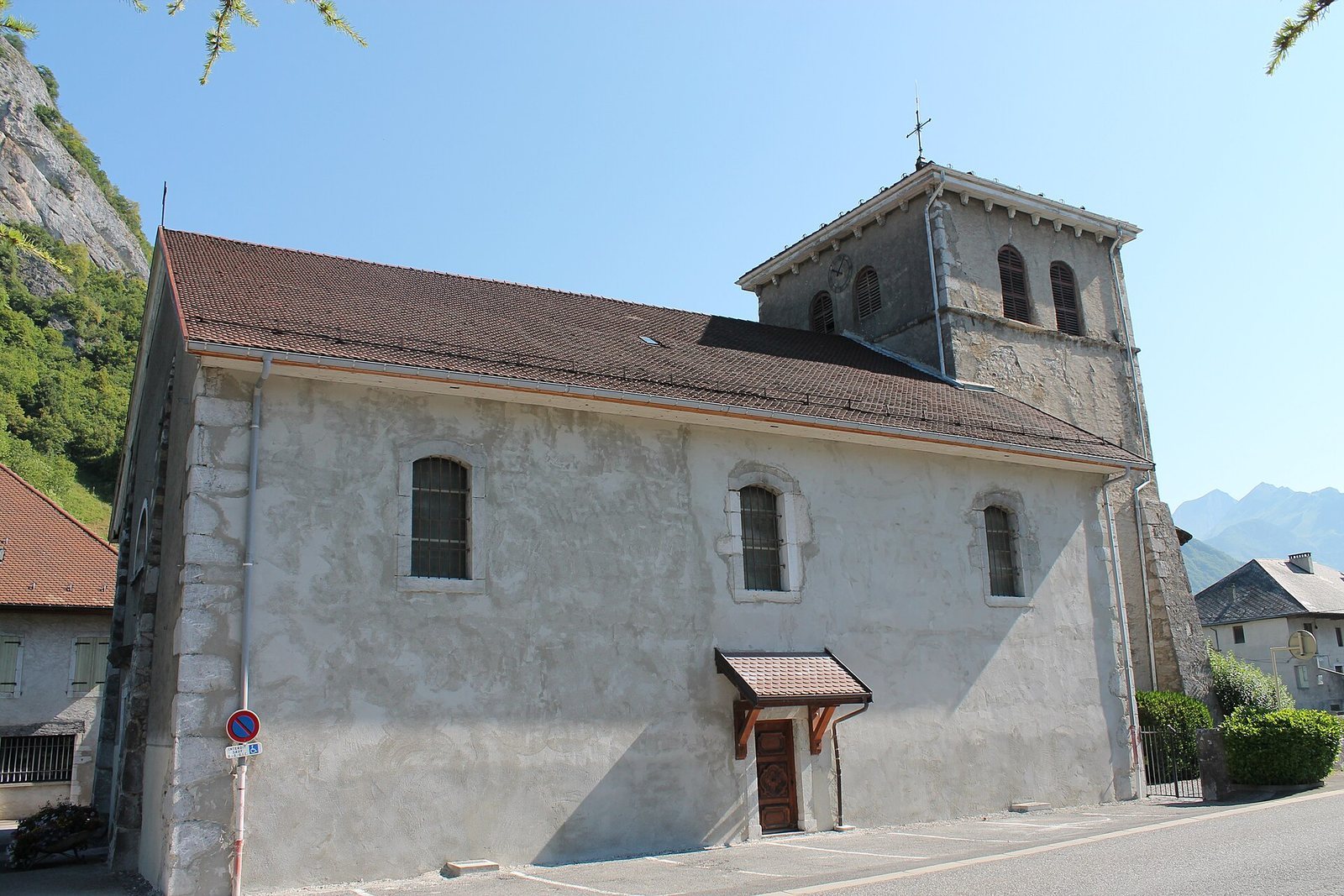
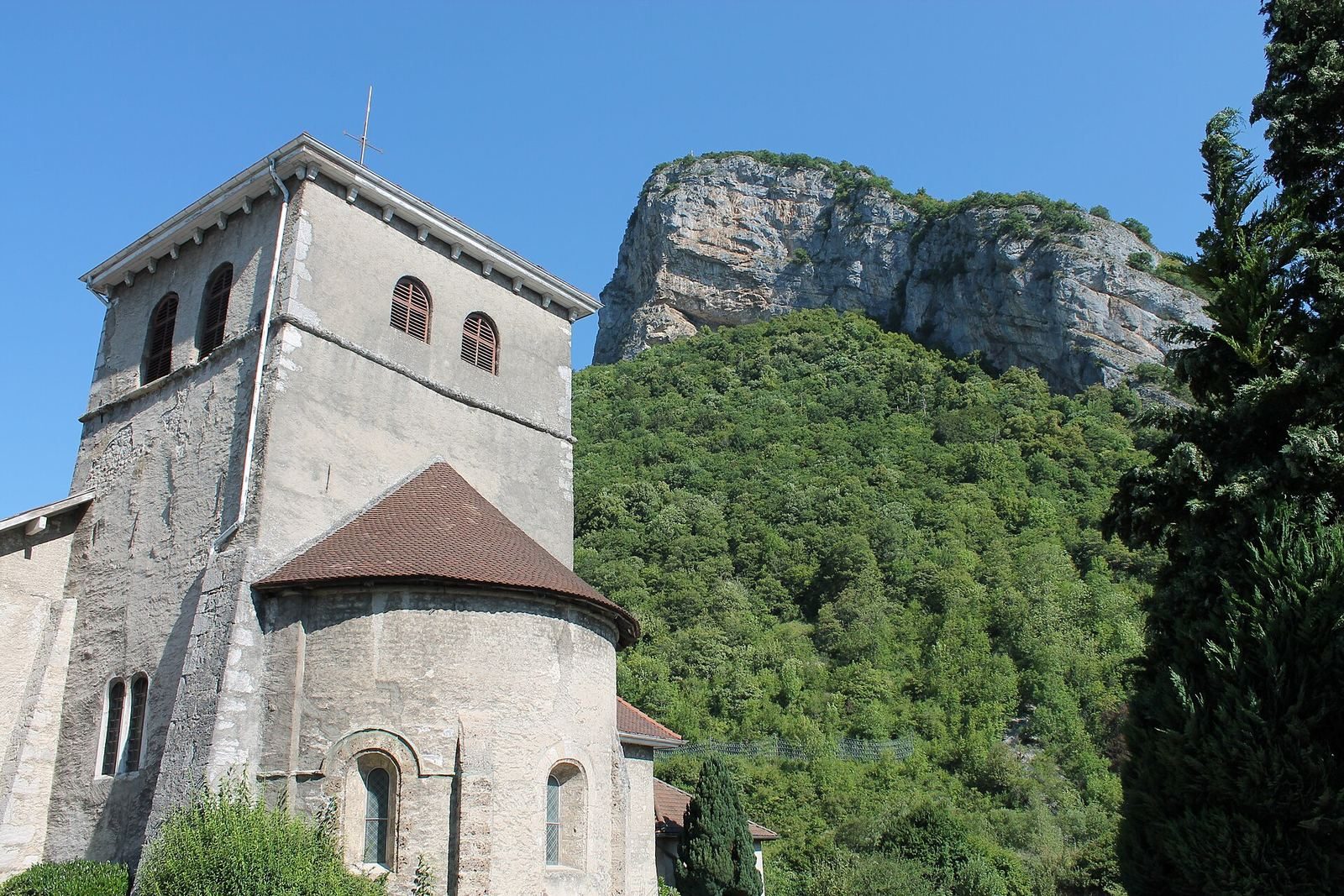
The Church of Viuz-Faverges is a Catholic church in the hamlet of Viuz, within Faverges-Seythenex, France. The present building dates from the second half of the 12th century and is Romanesque, a medieval style characterized by substantial masonry and rounded arches. Dedicated to Saint John the Baptist, whom Christian tradition identifies as the prophet who baptized Jesus, it began as a parish church. It remains part of the Diocese of Annecy, an ecclesiastical district overseen by a bishop, and the Parish of Saint-Joseph-en-Pays-de-Faverges, a local church community. The municipality owns the building.
Early churches
Excavations revealed a church dedicated to Saint John the Baptist dating to the 6th century, a period in which the earliest church at the site is thought to have originated. Archaeologists also uncovered 38 bodies in an ancient cemetery and about 50 more buried nearby.
The early church was entirely rebuilt in the 8th or early 9th century, on nearly the same spot and with its original plan retained. Further changes were made toward the end of the 9th century.
Later history
The nave was restored between 1827 and 1842. Excavations in 1977 and 1978 brought to light a carved stone from the site’s earlier history. The church was listed as a French historic monument in 1926, while its choir has the distinct classification designation.
Remains
Building and crypt
The present church stands over an ancient Roman building, estimated to date between the 1st and 4th centuries. Its crypt, a chamber beneath the church, contains visible traces of that structure and of earlier churches. The building is also described as Baroque, an ornate style that developed in early modern Europe, while its nave is Neoclassical, drawing on ancient Greek and Roman forms.
Choir and furnishings
The 12th-century choir, the area used by clergy and singers, has capitals made from green molasse, a regional sedimentary stone. Walnut choir stalls, seats for clergy and singers, date to 1696. The baptismal font, a vessel used for baptism, is also Baroque. A stone carved with a Latin cross forms the base of the altar.