Eddisbury Hill Fort: A Prehistoric Fortified Settlement in Cheshire
Site at a Glance
- Popularity
- Medium
- Country
- United Kingdom
- Primary era
- Classical
- Eras represented
- Classical, Medieval
- Civilizations
- Unclassified
- Site type
- Military
- Remains
- Fortified Town
On this page10 sections
History
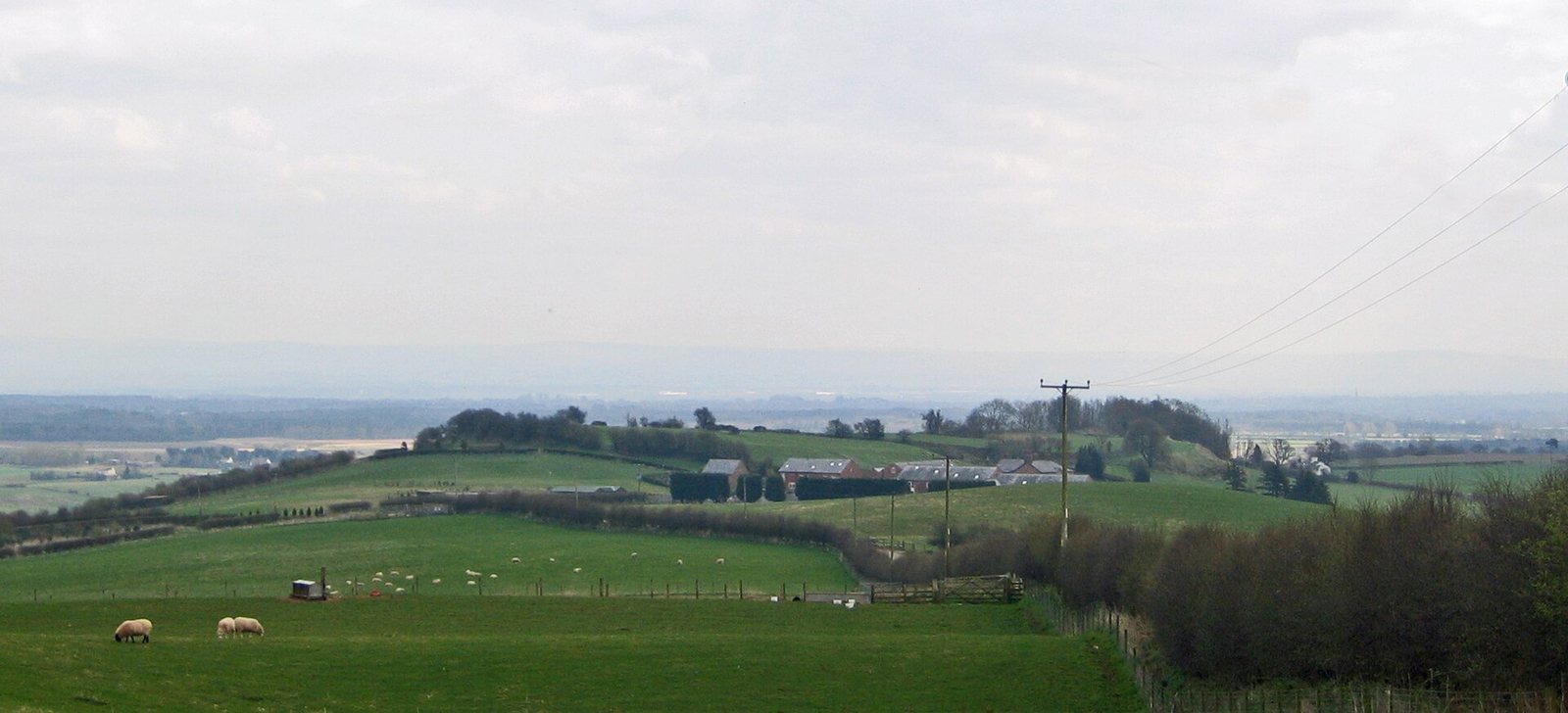
Eddisbury hill fort is a prehistoric fortified settlement on Eddisbury Hill near Delamere in Cheshire, United Kingdom. It is the largest and most complex of Cheshire’s seven hill forts and belongs to the county’s southern group with Kelsborrow Castle and Oakmere hill fort. Bronze Age activity also took place on the hill, and a palisade, a barrier made from upright stakes, had been erected before 250 BC. The first hill fort was built between 200 and 100 BC.
Westward expansion
Between AD 1 and 50, the fort grew westward and its defenses were enlarged. The relationship between these changes is uncertain. If the extension and defensive enlargement occurred together, they may have made the fort easier to defend. If they happened separately, the extended defenses may have included an entrance at the western end.
Roman and later occupation
In the late first century AD, the Romans deliberately disabled the fort, leaving it ineffective as a defensive position. Occupation later returned to the site.
Anglo-Saxon proposal and later use
Eddisbury has been proposed as the location of a burh, an Anglo-Saxon fortified center or settlement, established in 914 by Æthelflæd, ruler of Mercia and daughter of Alfred the Great. The Mercian Register, a chronicle of Mercian events included in the Anglo-Saxon Chronicle, records the foundation, but the identification of Eddisbury with the site remains uncertain.
During the medieval and post-medieval periods, people lived in the south-eastern part of the site, which also served at one time as a forester’s lodge. Quarrying and farming damaged the fort. Its center has been cultivated since at least the nineteenth century, has also been quarried, and continues to be ploughed.
Excavation and protection
W. J. Varley excavated the fort between 1935 and 1938 while investigating the origins of Cheshire’s hill forts. Eddisbury is protected as a Scheduled Monument, a status intended to guard against unauthorized change. Ploughing and the resulting erosion place the site at high risk.
Remains
Enclosure and earthworks
The fort follows the contours of the hill, which forms part of Cheshire’s central north–south ridge. It measures about 200 by 380 metres. The enclosed area grew from 5.5 acres to 7 acres, while the expanded defenses covered 15.5 acres, about 6 acres more than before.
The earliest arrangement had a single rampart, a raised defensive earthwork, and a ditch enclosing a settlement concentrated on the eastern part of the hill. Later defenses extended across the hilltop and included additional ramparts and ditches. The defenses are described as two ramparts with a ditch between them, about 10 metres wide and 0.5 metres deep, alongside an inner bank.
Entrance and later occupation features
Eastern entrance
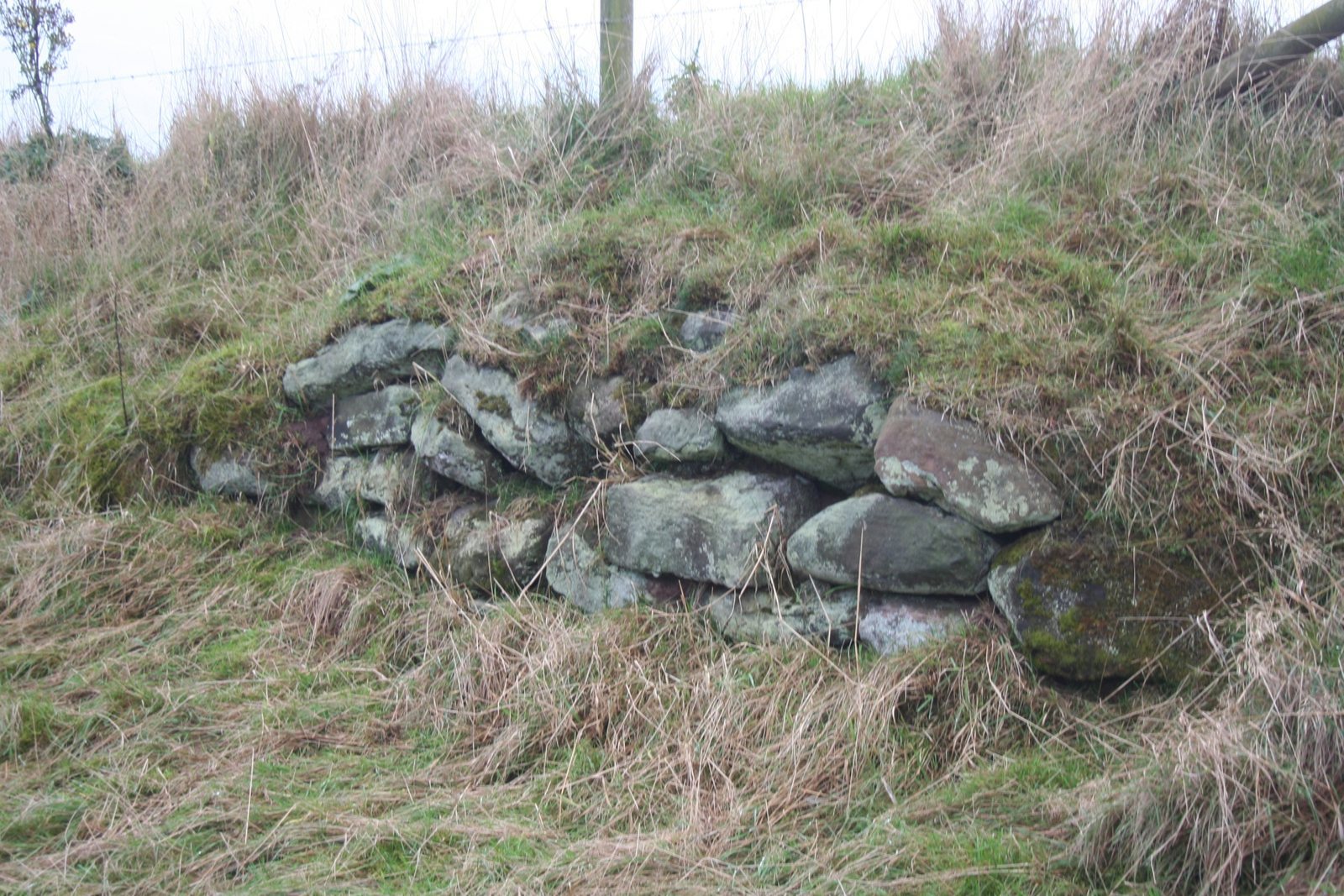
The eastern entrance was re-excavated in 2010. Finds from the work included sling stones and a saddle quern, a stone tool used to grind grain by hand. Excavated walls were partly reconstructed and remain visible.
Huts on the earthworks
Huts were built over the inner rampart during the fourth to sixth centuries AD. A separate hut dates to the sixth to eighth centuries, providing evidence of later use of the site.