Vertillum: A Gallic Oppidum and Gallo-Roman Settlement
Site at a Glance
- Popularity
- Low
- Country
- France
- Primary era
- Classical
- Eras represented
- Iron Age, Classical
- Civilizations
- Celtic, Roman
- Site type
- City
On this page9 sections
History
Gallic and Roman settlement
Vertillum, at Vertault in France, is the site of a fortified Gallic settlement, or oppidum, later succeeded by a Gallo-Roman vicus, a settlement within the Roman world; its stone defensive wall appears to date to the first century AD. The later settlement is estimated to have had 3,000 to 5,000 inhabitants. It also became a center for working copper-based alloys.
Decline and abandonment
The wall began to deteriorate in the third century and was destroyed in the fourth during a Vandal invasion. The Vandals were a Germanic people whose migrations and incursions affected parts of the Roman Empire. Coins of Arcadius and Honorius, emperors of the eastern and western Roman empires respectively in the late fourth and early fifth centuries, provide the latest evidence of occupation. The settlement probably fell out of use in connection with Christianity becoming the religion of the Roman Empire.
Excavation and protection
Excavation began in 1846 under Lucien Coutant. In 1875, Vertillum was classified as a Historic Monument. The Archaeological and Historical Society of Châtillonnais, a local history and archaeology organization, continued excavations from 1882 to 1939. Excavation practices of the nineteenth and early twentieth centuries were often destructive.
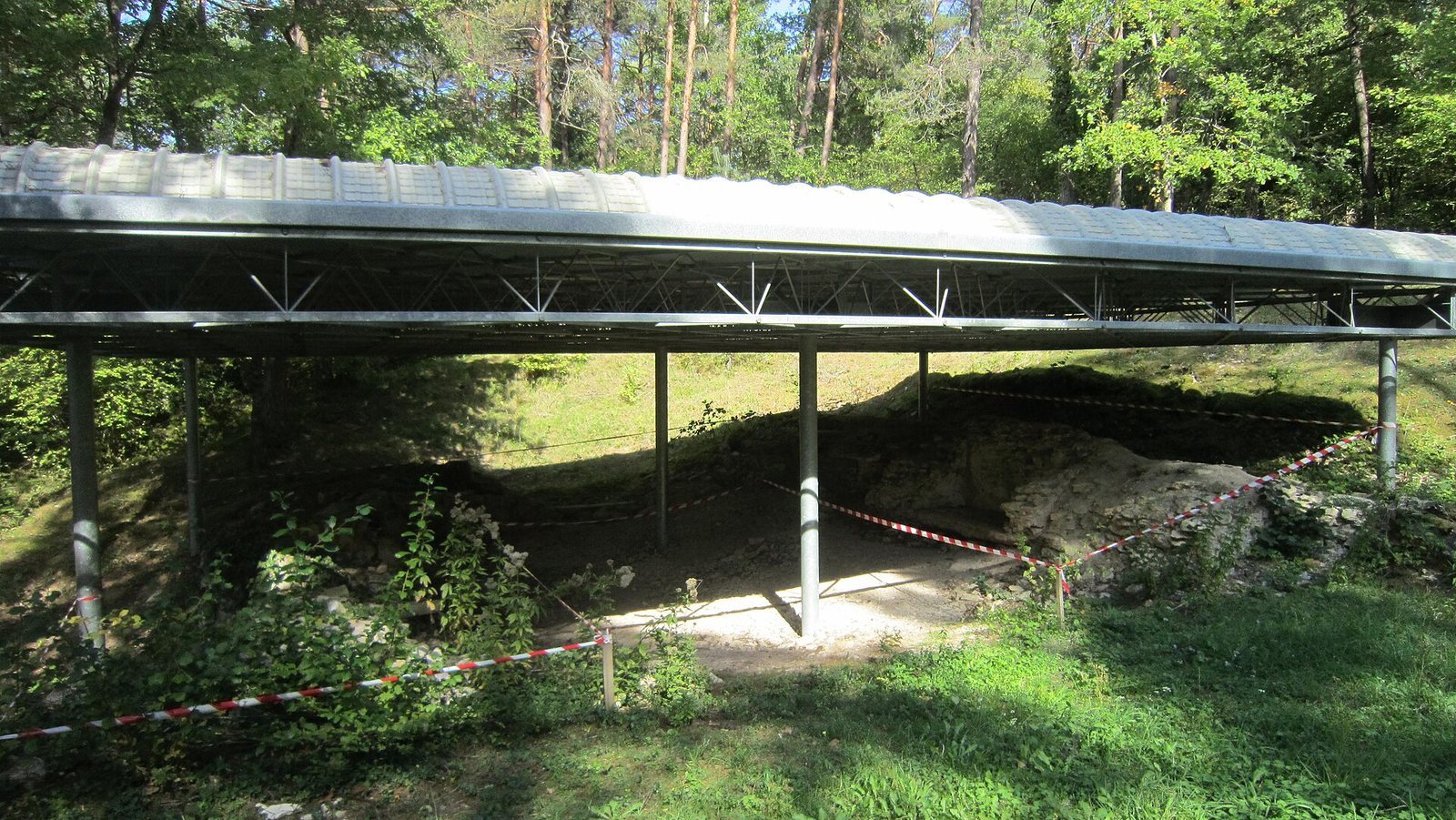
Local officials began efforts to protect the site in 1977. Further research and work to improve the remains have continued since 1984.
Remains
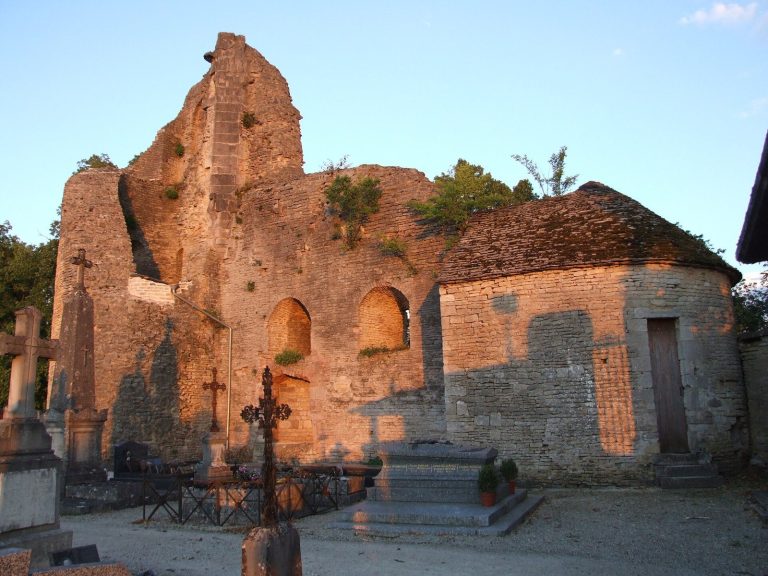
The site covers about 25 hectares on a plateau roughly 355 metres above sea level, overlooking the Laigne River and Vertault. Its remains reflect the transition from a Gallic settlement enclosed by a stone wall and ditch to a Gallo-Roman settlement with residential areas, a forum, baths, a temple, and an administrative center.
Gallic enclosure
Remains of the defensive enclosure survive. The stone wall was accompanied by a ditch attributed to the Lingones, an ancient Gallic people. The enclosure forms part of the site’s evidence for its earlier fortified settlement.
Gallo-Roman buildings
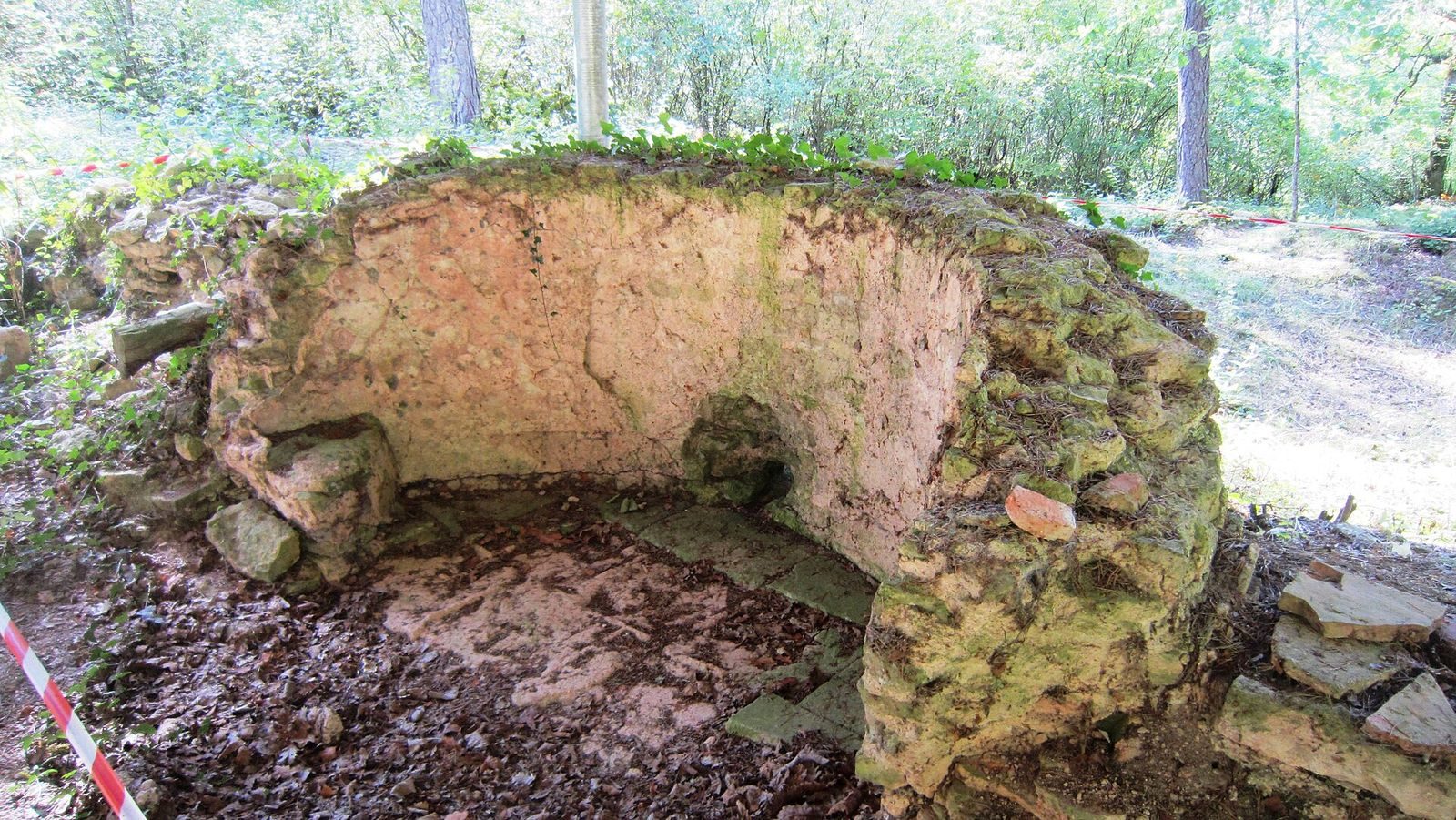
Numerous structures remain buried, alongside surviving rampart sections and remains of the Roman-era buildings. Coutant’s 1846 excavations uncovered the temple and baths. Older excavations left buildings in poor condition, and the baths were almost destroyed.
Cult sites and burials
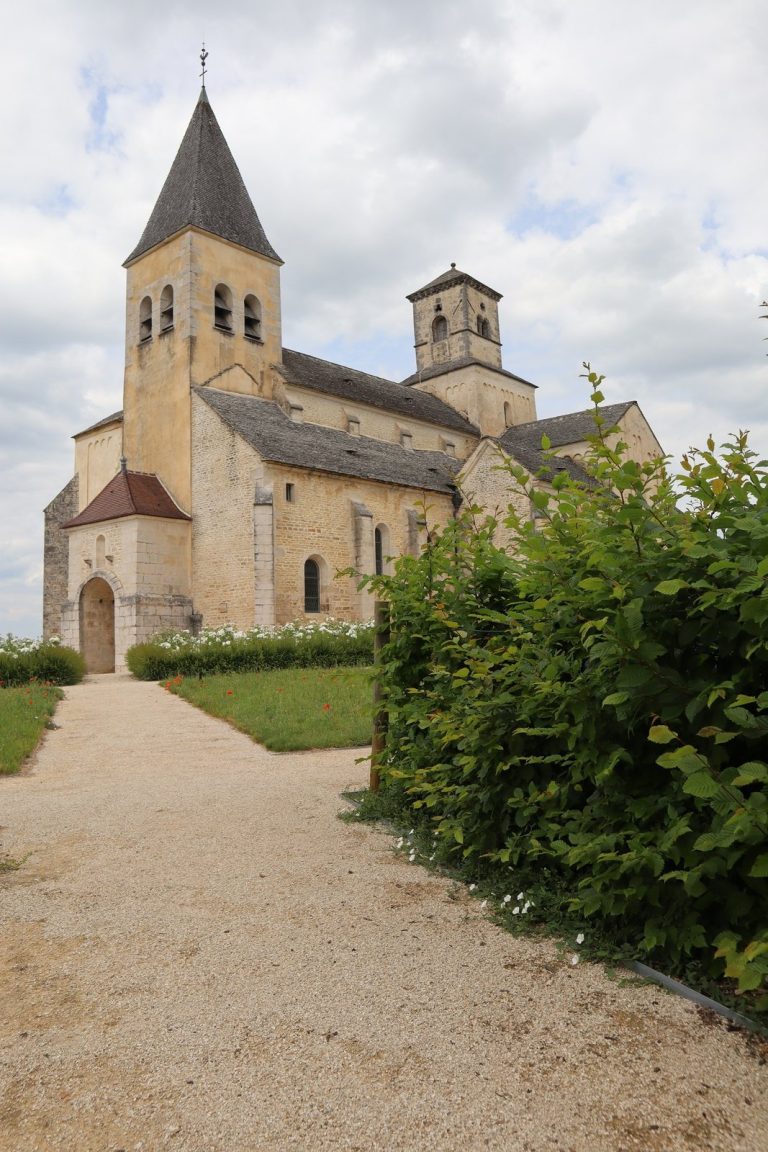
Excavations in 1988 south of Vertillum, above the present Church of Saint Peter in Chains, uncovered a Gallo-Roman temple and a cult complex. North of the site, in the commune of Molesme, work in 1996 revealed structures from the Late La Tène, a later Iron Age cultural period in Europe; these are dated to the first century BC. A separate temple outside Vertillum contained a burial group of 200 dogs, 42 horses, eight sheep, two oxen, and eight people.
Metalworking and finds
Unfinished objects and production waste show that local craftspeople worked copper-based alloys. They used casting and sheet-metal methods to apply bronze coverings to iron objects. Their products included dishes, handles, and everyday items such as keys, locks, small bells, and writing tools. Some handles were shaped as two dolphins facing each other. Many objects from the site are held at the nearby Musée du Pays Châtillonnais, which has a room devoted to them. A dedication inscription linked to the baths is held at the Dijon Archaeological Museum, while a carved relief showing three mother goddesses is at the Musée du Pays Châtillonnais. Inadequate records and care during earlier excavations make the full extent and chronology of this metalworking difficult to establish.