Borak Necropolis: A Medieval Stećak Burial Ground in Bosnia and Herzegovina
Site at a Glance
- Popularity
- Low
- Country
- Bosnia and Herzegovina
- Primary era
- Medieval
- Eras represented
- Medieval
- Civilizations
- Kingdom of Bosnia
- Site type
- Burial
- Remains
- Necropolis
On this page6 sections
History
Medieval burial ground
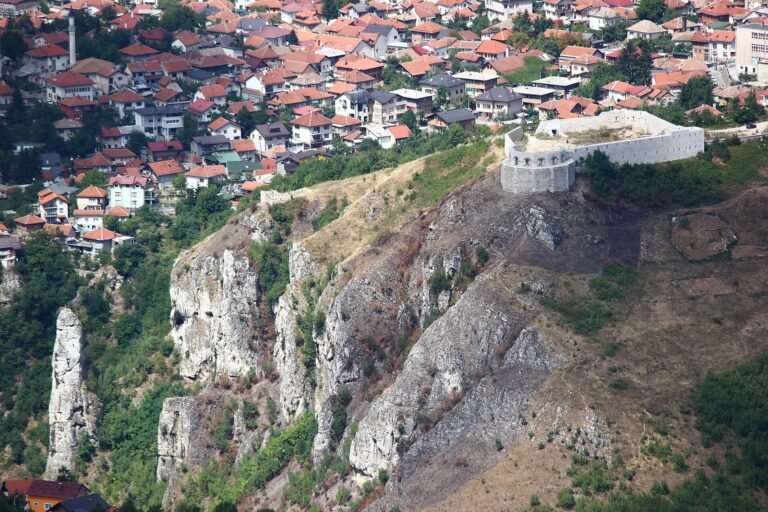
The Borak necropolis is a medieval burial ground on Borak Hill beside Burati in Bosnia and Herzegovina, dating to the 14th and 15th centuries. Its grave markers are stećci, medieval stone tombstones characteristic of Bosnia and particularly associated with the medieval Bosnian state, a historical polity centered in the region of present-day Bosnia and Herzegovina.
Research and protection
The National Museum of Bosnia and Herzegovina in Sarajevo began research on stećak necropolises in the 1950s, including work at Borak. An inspection of the site followed in 2008. That November, the Commission for the Preservation of National Monuments of Bosnia and Herzegovina declared the historic area a national monument. Borak is also part of a UNESCO World Heritage property comprising stećak graveyards. World Heritage status recognizes properties considered to have outstanding universal value.
Remains
Setting and arrangement
The necropolis lies at an elevation of 140 metres on Borak Hill, on the Han-Stjenički plateau beside Burati. The historic area includes Kramer village in Rogatica municipality, and the site lies to the right of the Sokolac–Rogatica main road. Most of the stones are oriented east–west, while fewer run north–south. A site overview lists 212 visible stećci; an inspection in 2008 counted 214 and suggested that rough terrain might conceal more.
Stone forms, carving, and condition
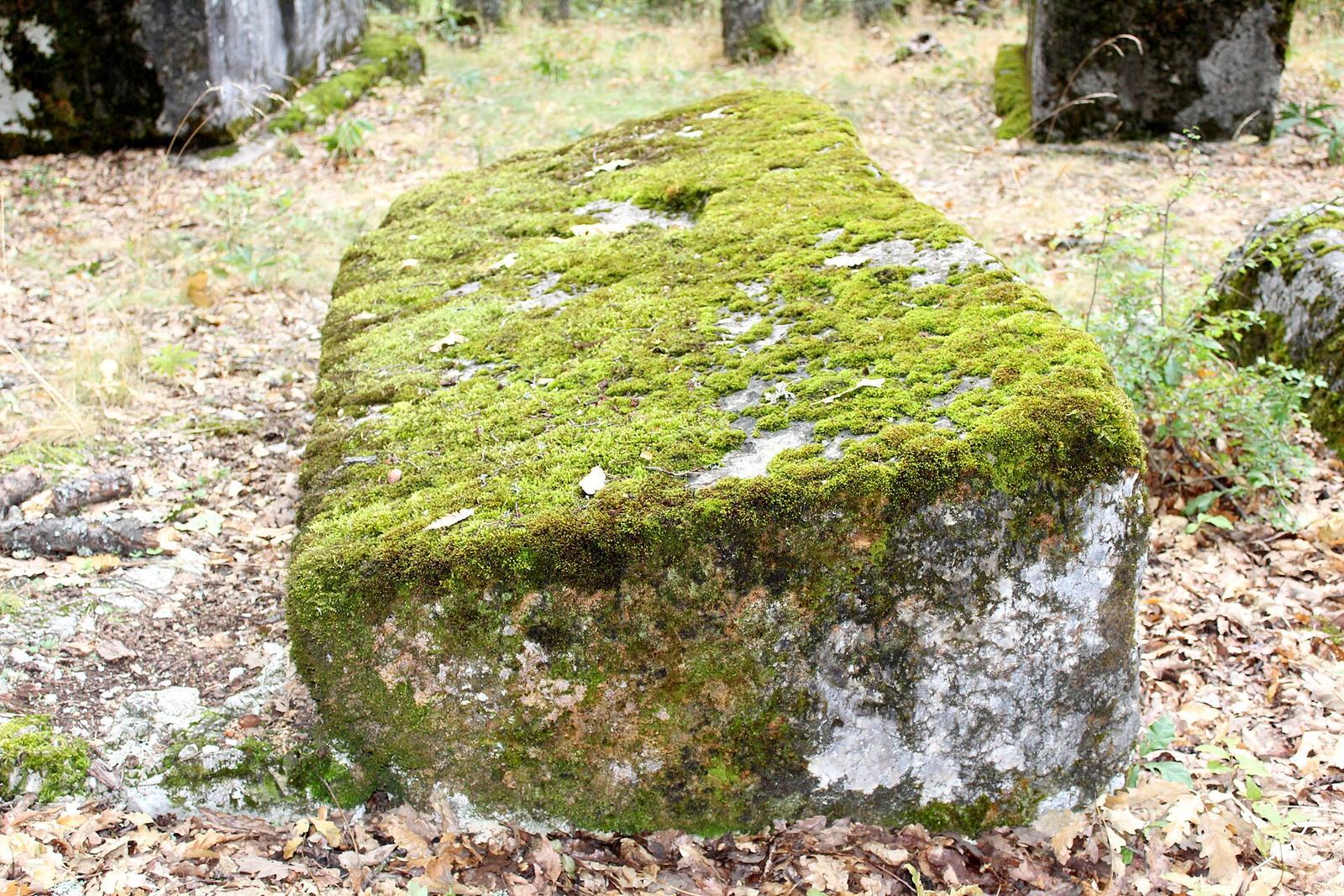
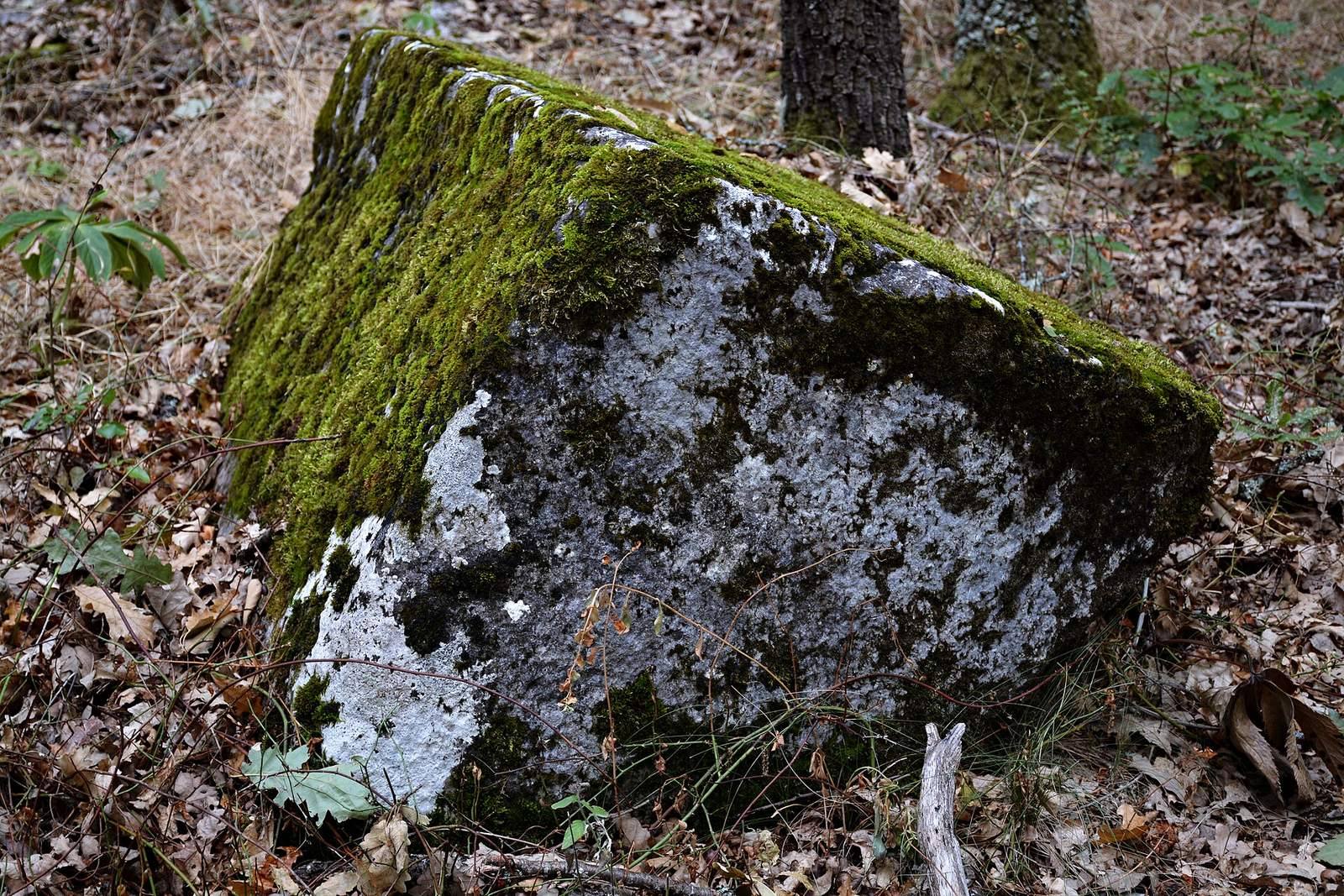
Research in the 1950s counted about 150 stones, including approximately 110 chest-shaped examples and 40 gabled stones with sloping, roof-like tops. They were described as well cut. Three decorated examples comprise one chest-shaped stone and two gabled stones. Their carved motifs include a crescent, a rosette, a hand holding a sword, and figures of a dog, deer, person, and bear. The 2008 inspection recorded 34 chest-shaped stones, six of them tall. Many stones were partly or wholly sunk and heavily covered with moss, making their dimensions difficult to measure. Moss and lichens were damaging numerous stones; young oak growth and fallen leaves also covered the site. Holes beneath many stones, probably dug by animals, further threatened their condition.