Château de Choisy: A Fortified Residence in France
Site at a Glance
- Popularity
- Low
- Country
- France
- Primary era
- Early Modern
- Eras represented
- Early Modern
- Civilizations
- Duchy of Savoy
- Site type
- Domestic
- Remains
- Castle
On this page7 sections
History
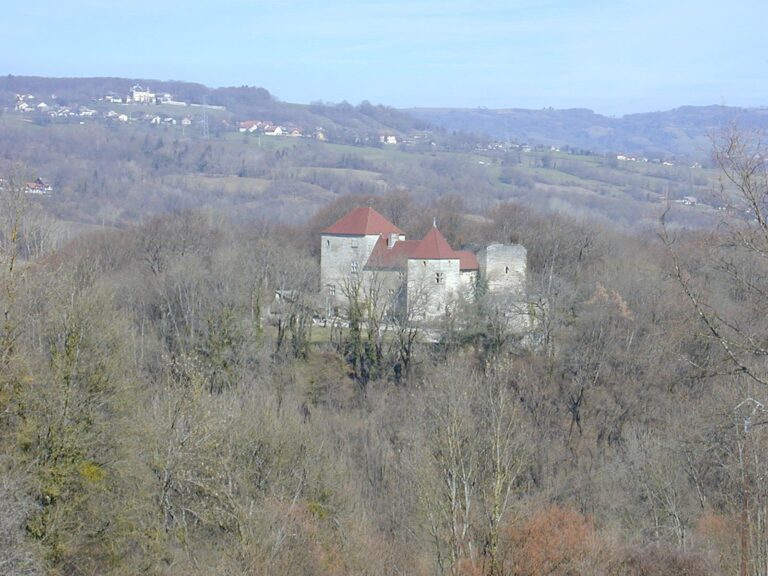
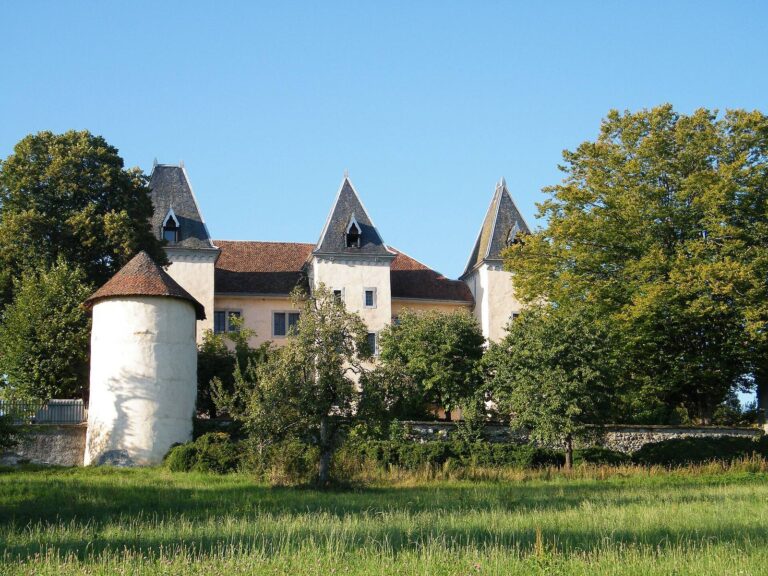
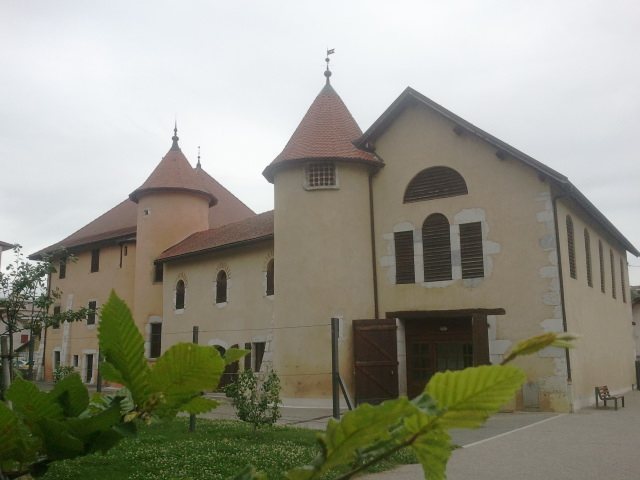
Château de Choisy, in Haute-Savoie, France, is a fortified residence built in 1559 in a medieval style. It served first as the seat of the lordship of Choisy, a territory governed by a lord, and later as the seat of the County of La Balme.
Pobel and the Reydet family
In 1557, Catherin Pobel, a notary from Bonneville, acquired jurisdiction over the fief of Choisy, a landholding held under feudal tenure, from François de Sales, the father of Saint Francis de Sales. Pobel built the château in 1559. That year, he presided over the Genevois Presidial Council, a judicial body in Genevois, a historic province of the Duchy of Savoy, and served as First President of Savoy’s Sovereign Senate, a high court.
Pobel’s daughter Louise brought Choisy to her marriage with Louis de Reydet as her dowry. Louis was ennobled in 1560 and acquired the lordship of Vulpillière in 1568. He established the senior Reydet branch of Vulpillière and the cadet branch of Choisy.
The Livron and Conzié succession
The Reydet branch of Choisy ended with Jeanne-Françoise de Reydet de Choisy, who married André-Gaspard de Livron, Marquis of Allemogne. Named Countess of La Balme in 1681, she inherited the château after she was widowed.
After Jeanne-Françoise’s three sons died without descendants, the château passed to the Conzié family through the marriage of her daughter Marguerite to Edmond de Conzié. Edmond assumed the titles Marquis of Allemogne, Count of La Balme, and Lord of Choisy. The Conzié family held the property until the French Revolution, the political upheaval in France that began in 1789. The château was then converted into a farm.
Later use and protection
The château remains privately owned and forms the center of an agricultural holding. On 8 March 1982, it received partial registration as a historic monument, applying only to its Renaissance fireplace.
Remains
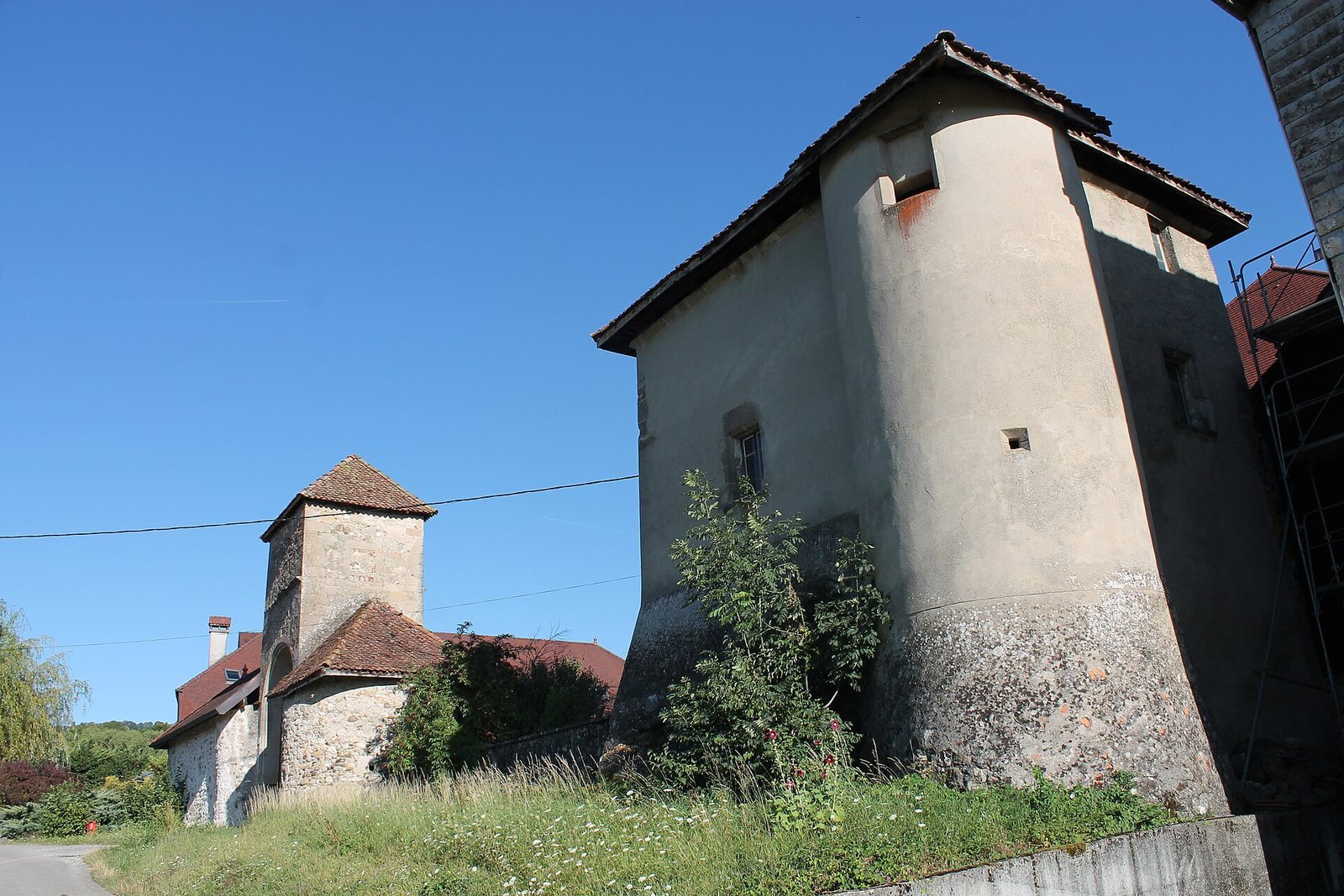
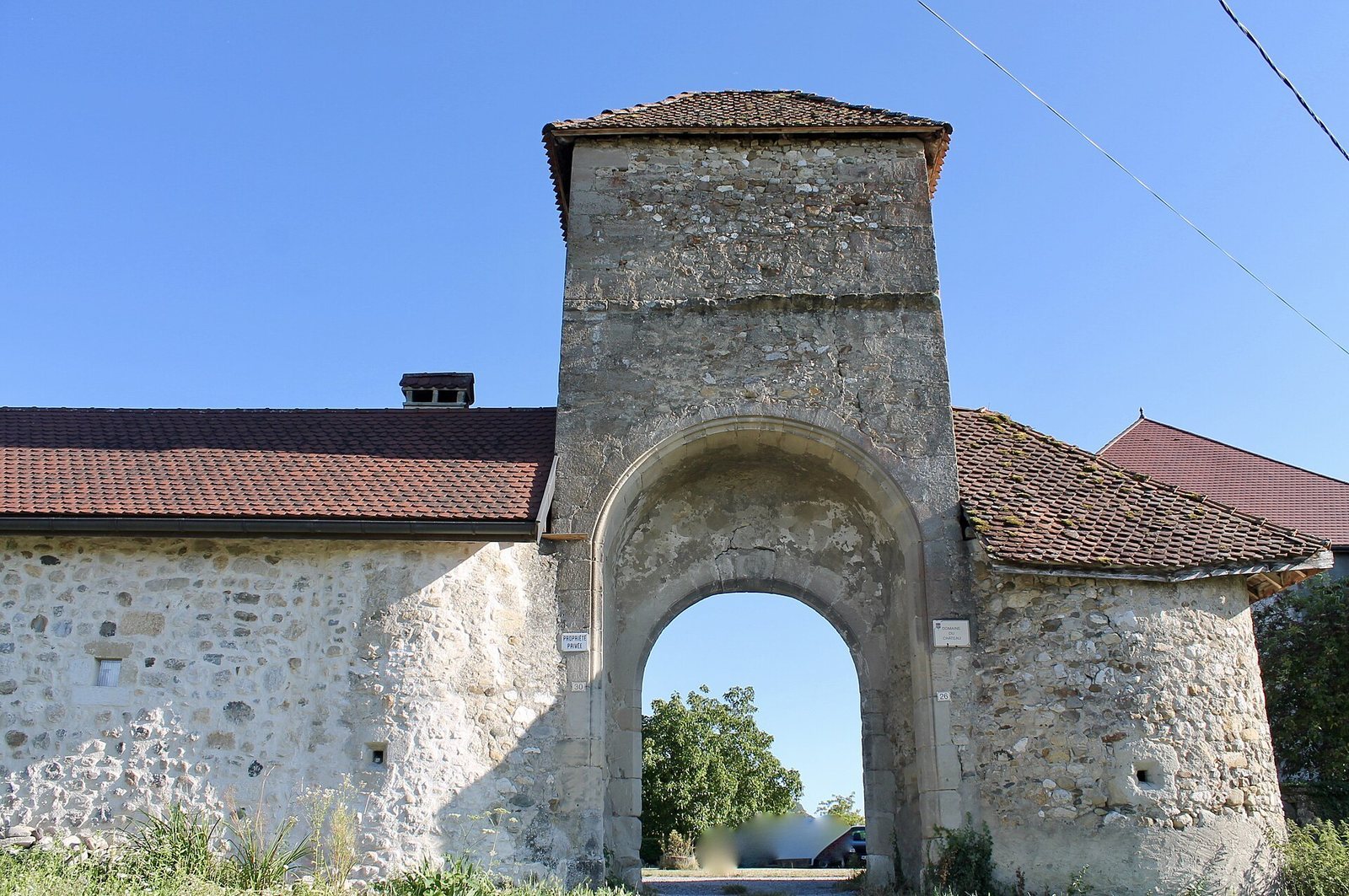
The present complex is a large, four-sided fortified building with a chapel, described as medieval in style. Its courtyard is reached through a gate tower, while low buildings stand on either side of the entrance.
Courtyard and entrance buildings
The gate tower contains a pigeon loft, and the arms of Louis de Reydet and Louise Pobel appear above it. One of the two low buildings flanking the tower contains an oven.
Renaissance features and interior
The Renaissance entrance has a triangular pediment with a family coat of arms at its center. Inside, the ground floor contains a Renaissance fireplace, and the château also has a staircase and two decorated doors. One of the doors bears the date 1559.