Filosofou Monastery: Old and New Monastic Complexes in Greece
Site at a Glance
- Popularity
- Medium
- Country
- Greece
- Primary era
- Early Modern
- Eras represented
- Medieval, Early Modern
- Civilizations
- Byzantine, Ottoman, Venetian
- Site type
- Religious
- Remains
- Monastery
On this page11 sections
History
Filosofou Monastery comprises two monastic complexes on the western side of the Lousios Gorge in Greece. The Old Monastery was founded in 963 by John Lampardopoulos, a native of Dimitsana and secretary to Byzantine emperor Nikephoros II Phokas. Its surviving church is Byzantine in style. Lampardopoulos was nicknamed “the Philosopher,” a name that gave the monastery its own name. The Old Monastery was stavropegic, meaning it answered directly to a patriarch rather than to a local bishop.
Foundation and the Hidden School
Tradition associates the Old Monastery with a school that operated during Ottoman rule. Known popularly as the “Hidden School,” it later developed into an important clerical school at the New Monastery. Its pupils included teachers, priests, monks, and senior church leaders. Four became patriarchs of Jerusalem, and two became ecumenical patriarchs. Among the school’s noted figures were Gregory V, patriarch of Constantinople, and Germanos of Old Patras, an Orthodox prelate associated with the Greek War of Independence.
The New Monastery
Founders from the Old Monastery established the New Monastery in the second half of the seventeenth century. It was operating by 1691, while the Old Monastery remained in use. The two foundations thus continued alongside one another rather than the new complex replacing the old one.
Dissolution and later status
Between 1834 and 1836, the Bavarian Regency, which governed Greece during the early years of King Otto’s reign, dissolved the monastery on the stated grounds that it had fewer than six monks. Its property was seized and sold to private buyers. The monastery was then deserted and gradually fell into ruin.
A royal decree of 14 April 1922 made the monastery a dependency of the neighboring Monastery of St John the Baptist at Stemnitsa. It functions as a men’s monastery and belongs to the Greek Orthodox Church and the Diocese of Gortynia and Megalopolis. It was designated a protected monument in 1955, and a major renovation began in 1992 under the Ministry of Culture’s supervision.
Remains
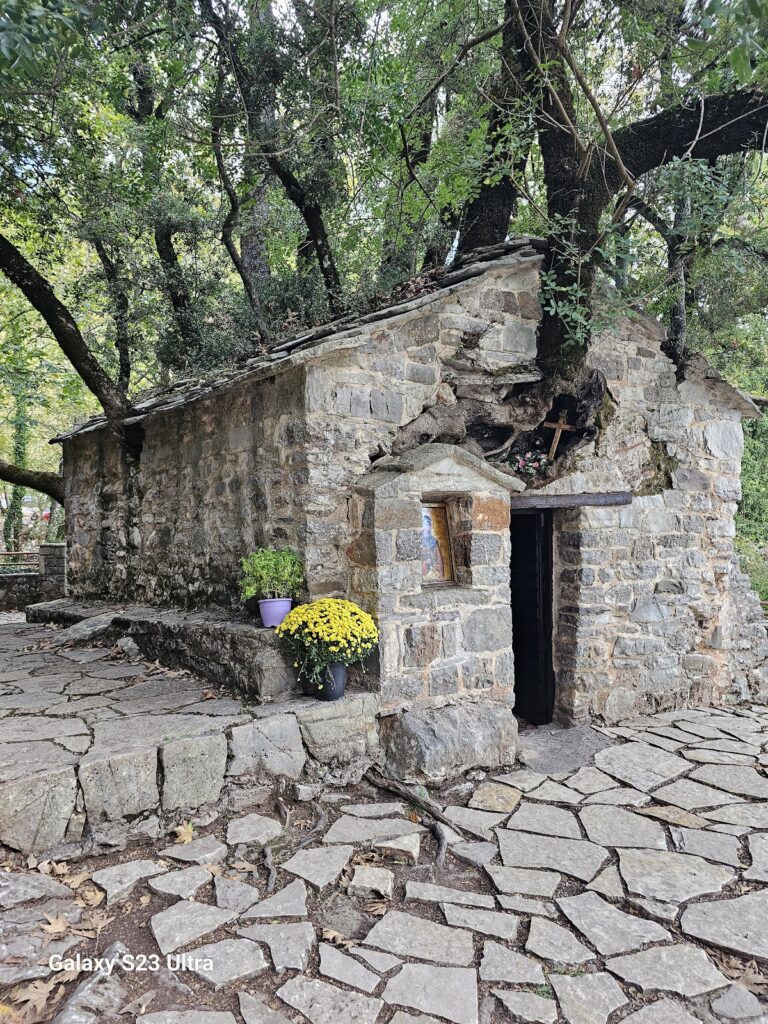
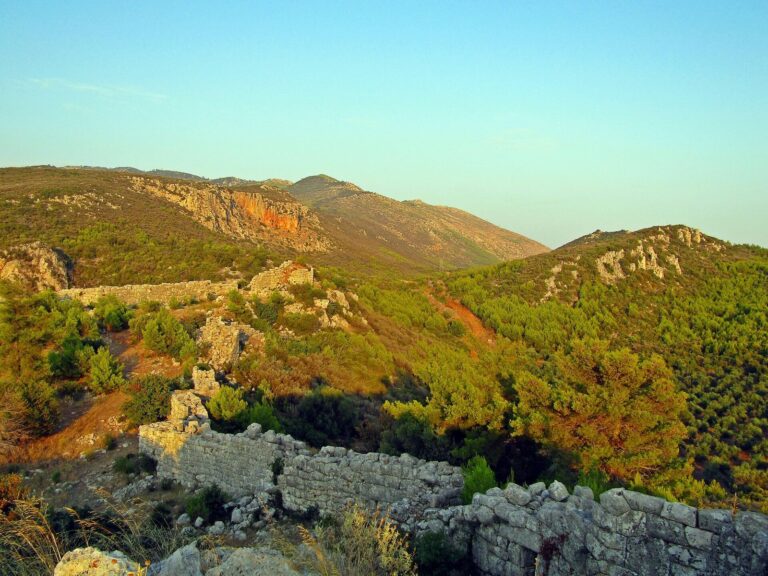
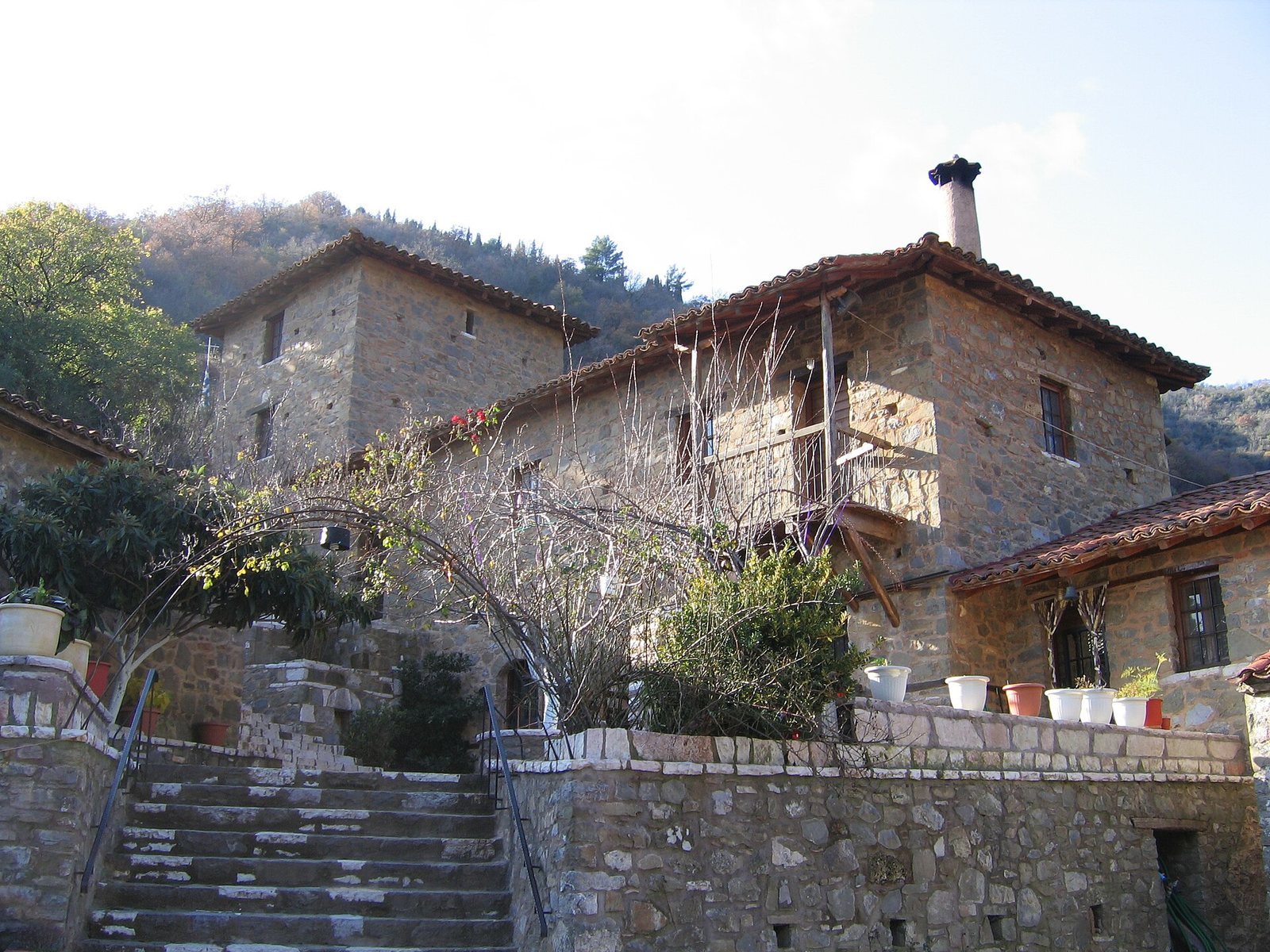
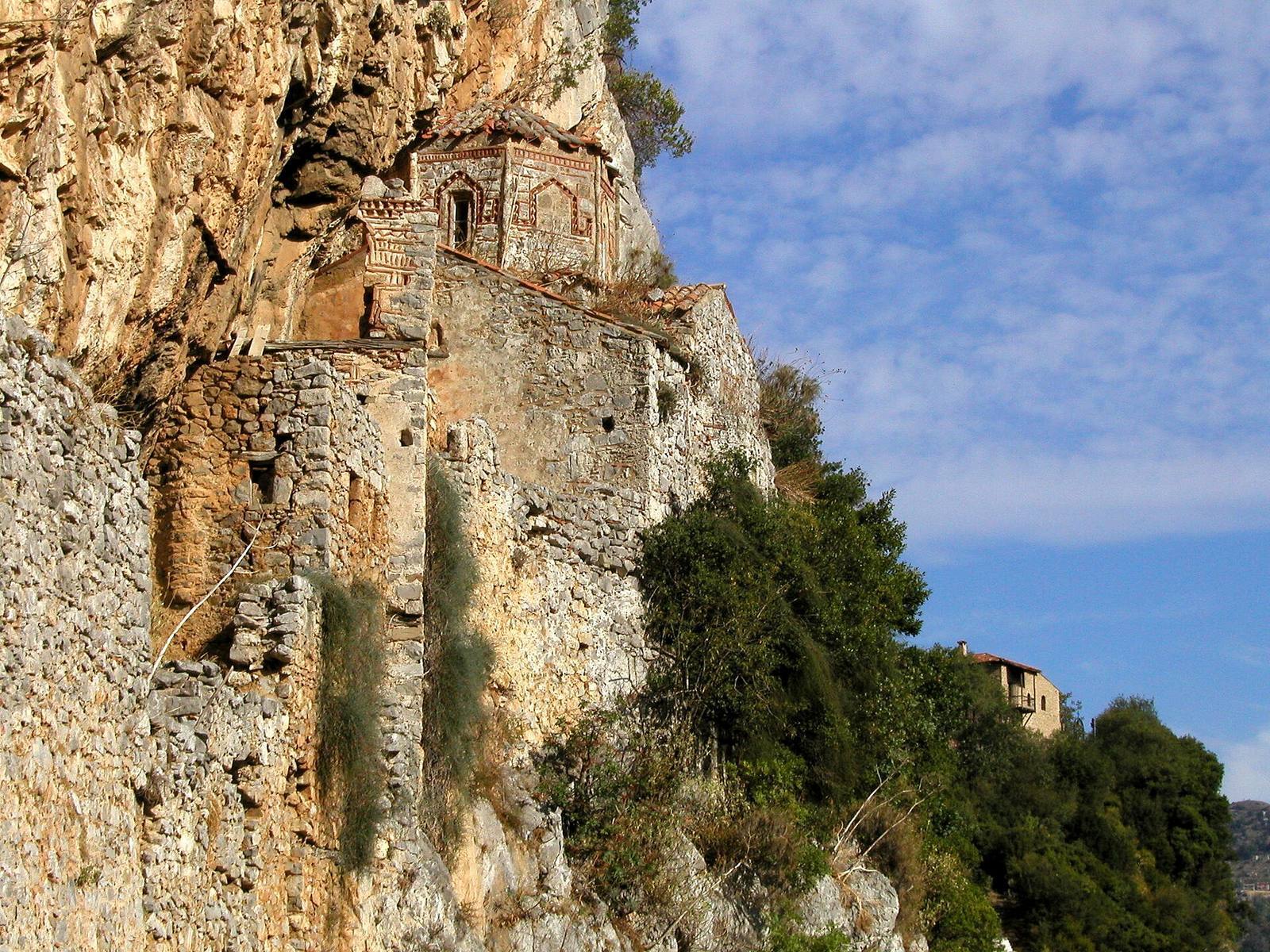
The Old and New Monasteries lie about 400 metres apart in the Lousios Gorge. The New Monastery occupies gentler ground, while the Old Monastery stands about 50 metres lower, within a natural hollow in a steep cliff above the gorge.
The Old Monastery
Chapel
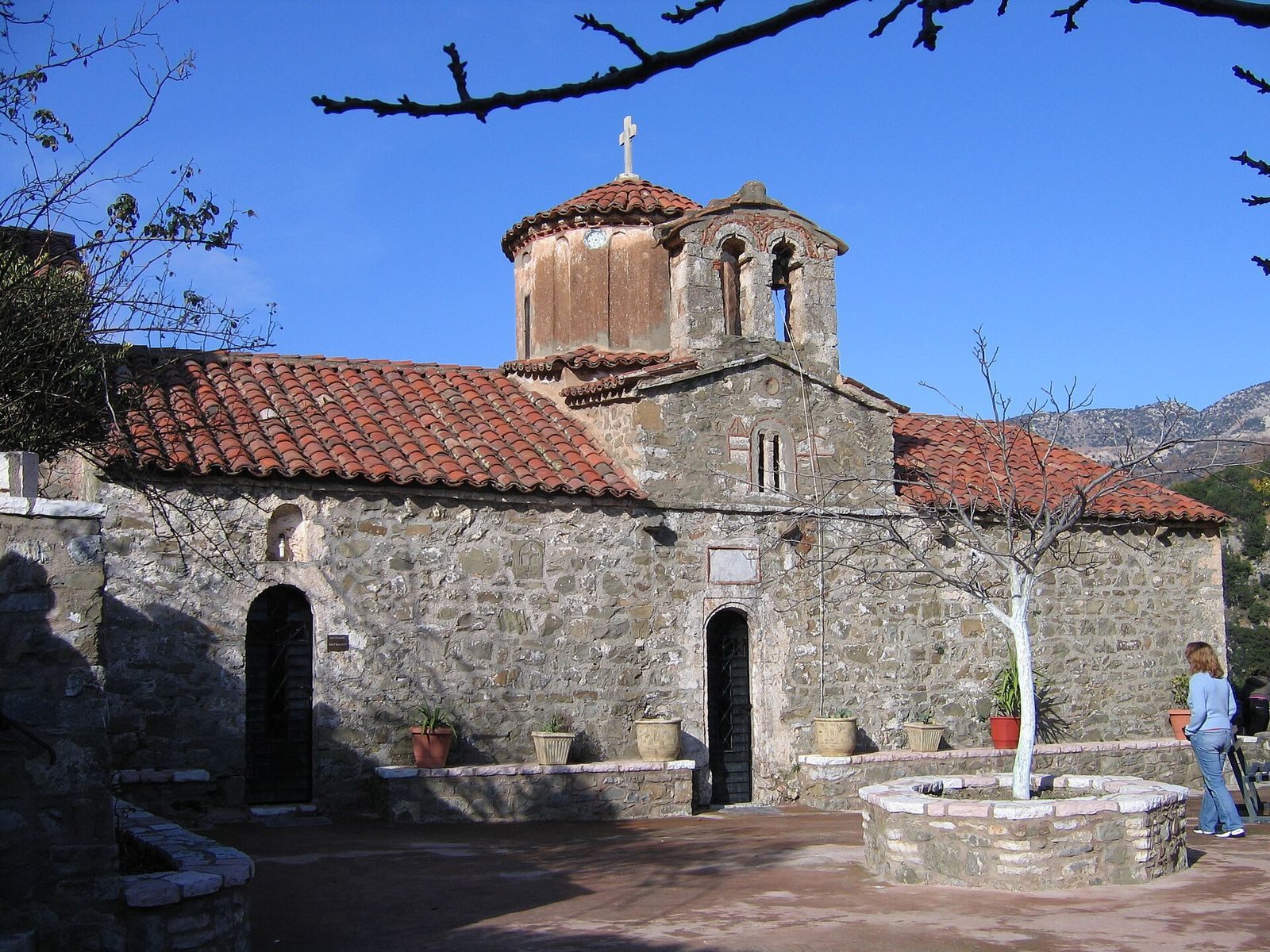
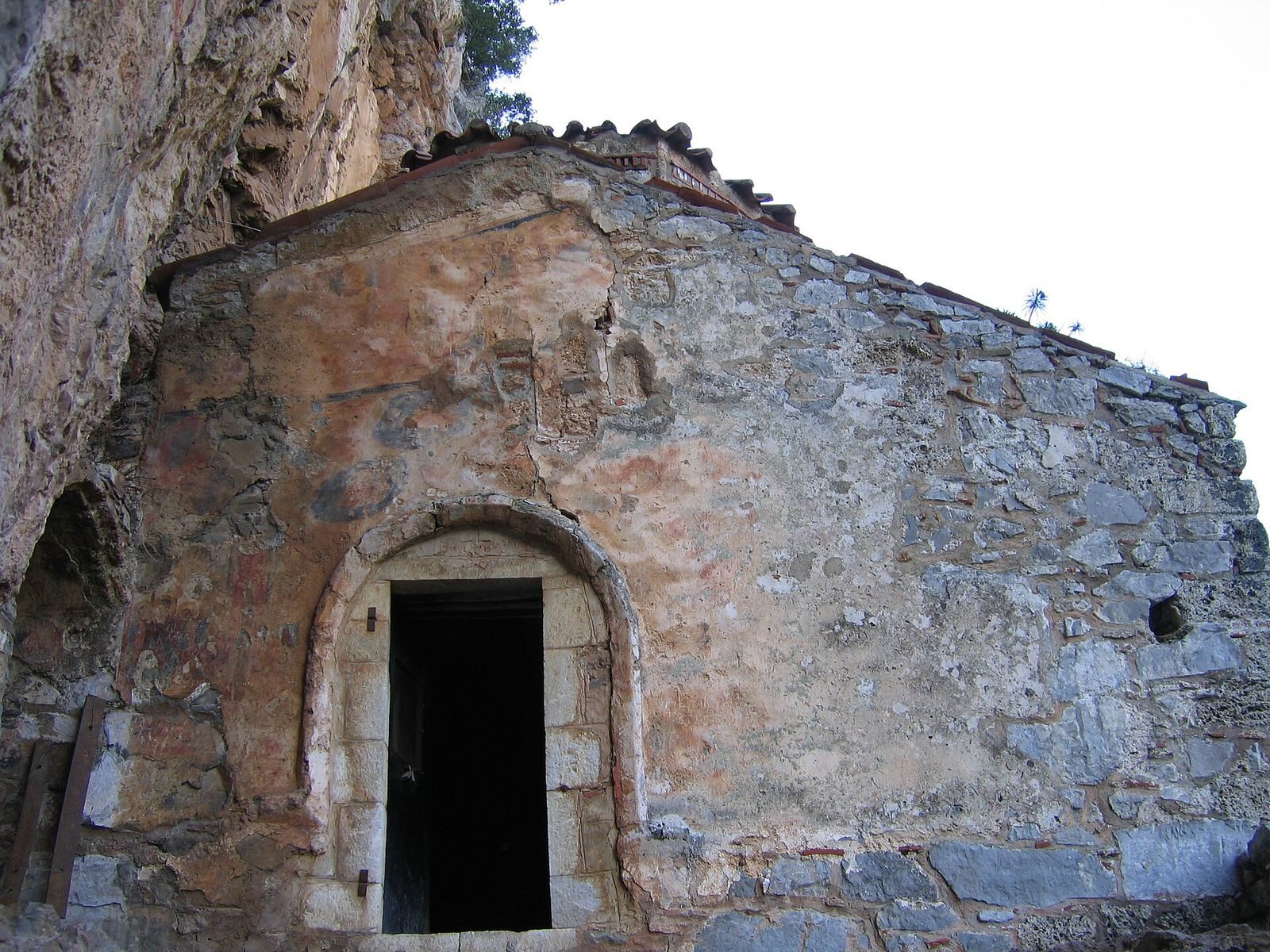
The surviving church is a small chapel dating to the tenth century, with notable wall paintings. Its four-column plan is organized around a central domed space, with the arms forming a cross. Above it rises an octagonal dome.
Cells and cistern
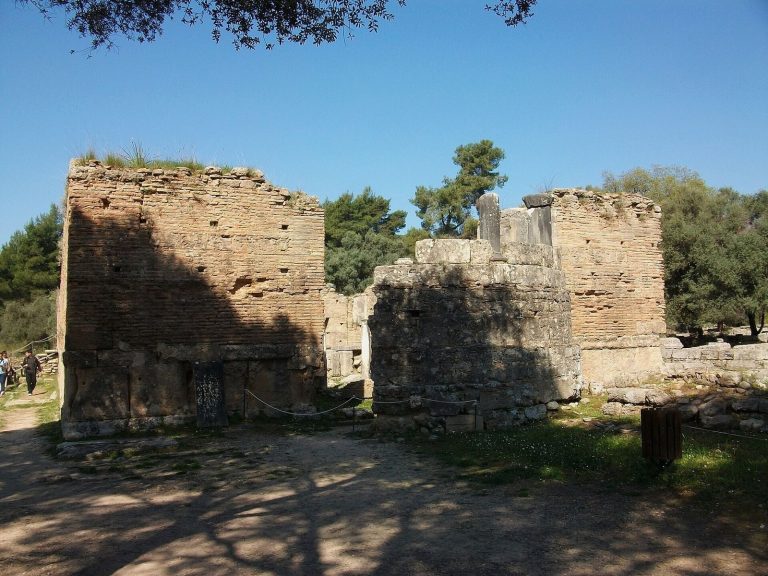
The monastery’s cells and other buildings survive as ruins. A cistern also remains among the surviving features.
The New Monastery
Principal church
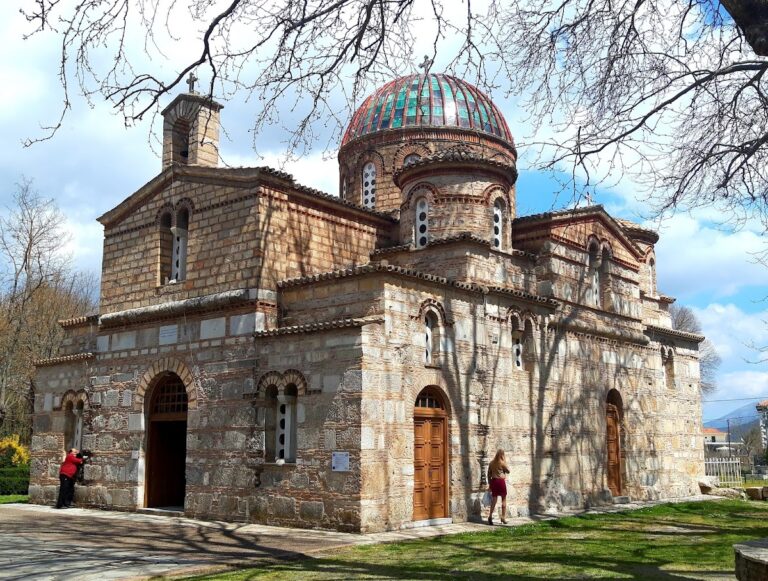
The principal church, or katholikon, was built in 1661 and is dedicated to the Dormition of the Virgin Mary, the Eastern Christian feast commemorating her death and reception into heaven. Its plan forms a cross within a rectangular outline, with a dome over the central space. Several monastic cells were added afterward.
Church decoration
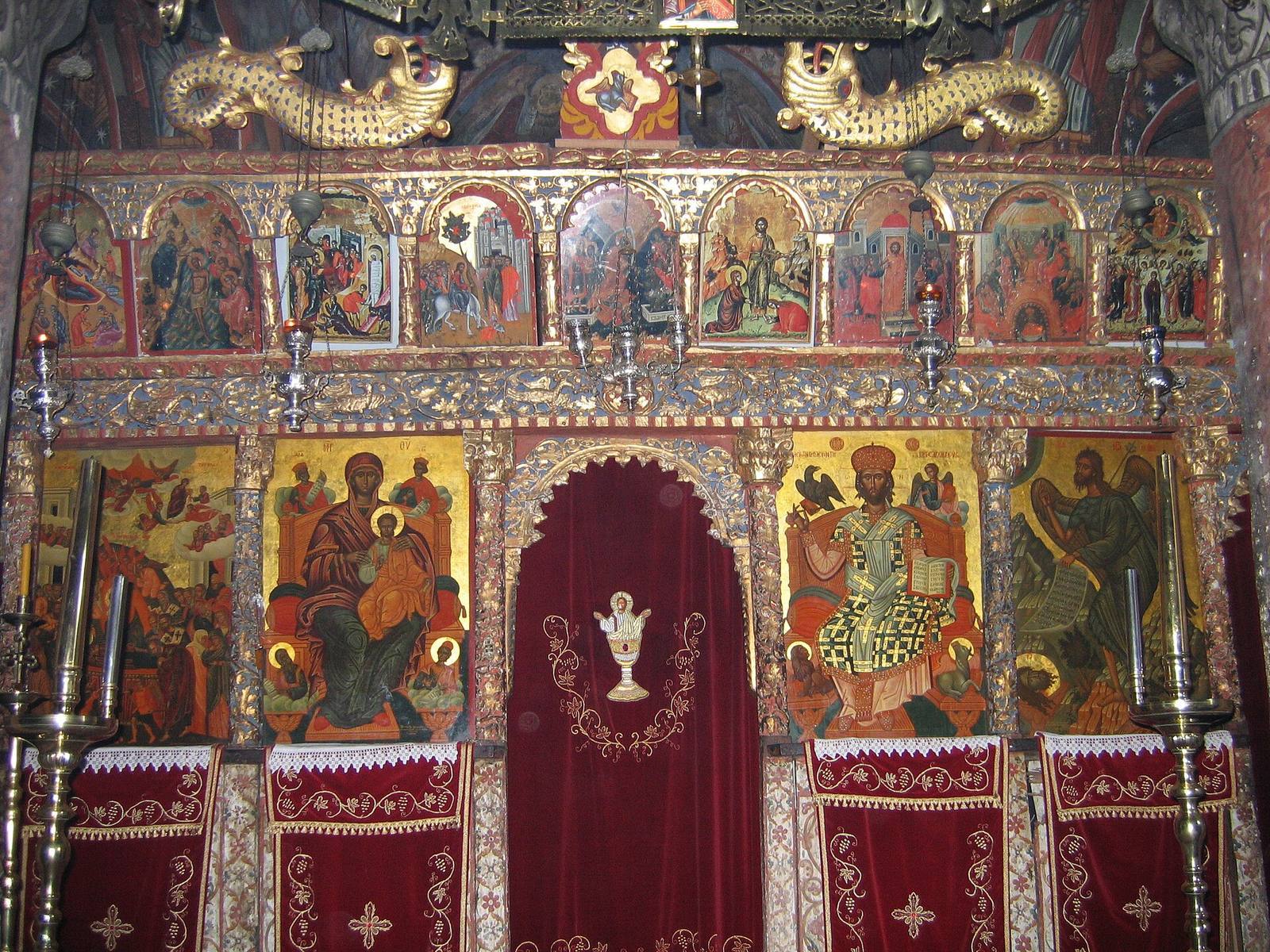
A carved wooden screen bearing icons decorates the church. The Cretan-style icons belong to a post-Byzantine tradition of religious painting; they are attributed to the painter Victor and dated 1663. Frescoes were added in 1693 at the expense of a patron from Stemnitsa who had converted to Islam and later returned to Christianity during Venetian rule. His portrait appears on the west wall beside Saint Helena, the mother of the Roman emperor Constantine and a Christian saint.