Dracy-Saint-Loup Castle: A Fortified Residence in France
Site at a Glance
- Popularity
- Very Low
- Country
- France
- Primary era
- Early Modern
- Eras represented
- Early Modern
- Civilizations
- French
- Site type
- Domestic
- Remains
- Castle
On this page5 sections
History
Dracy-Saint-Loup Castle is a fortified residence in Dracy-Saint-Loup, France, with a history shaped by medieval lordship and major seventeenth-century building campaigns.
Medieval lords and the 1529 estate
The Noyers held Dracy during the thirteenth century. In its second half, Jean I de Vergy became lord through his marriage to Marguerite de Noyers, daughter of Mille de Noyers. He later sold the estate to Pierre d’Ostun, a bailiff of Auxois, a local official with administrative and judicial duties.
In 1377, Guy de La Trémoille acquired the estate after it was confiscated from Symon d’Ostun. By 1386, Guy held the title of Baron of Dracy and had the older fortified residence restored. In 1529, the château belonged to Etienne de Romans. On 5 March, Etienne and his wife, Antoinette de Charamande, authorized their younger son Georges to marry a woman of his choice. They granted him a 200-livre annuity charged against their properties, including lands near Dracy and in the parish of Farnelle. They also named him their heir, with the inheritance to be shared with his siblings after their deaths under the customary law of the Duchy of Burgundy.
Seventeenth-century rebuilding and later use
In 1611, Tanneguy Le Veneur, Count of Tillières and a descendant of the La Trémoille family, sold the estate to Pierre Jeannin, a magistrate who held the senior judicial office of President. Thereafter, the succession of owners followed that of Château de Montjeu. Building work began under Jeannin in the first half of the seventeenth century. His son-in-law, Pierre de Castille, an ambassador of France, completed the château and acquired land around it for gardens. The architect Mercier directed the two principal campaigns, which began in 1619 and 1622.
In the eighteenth century, the Talleyrand family used the château for agricultural purposes. It was added to the French historic monument list in April 2011.
Remains
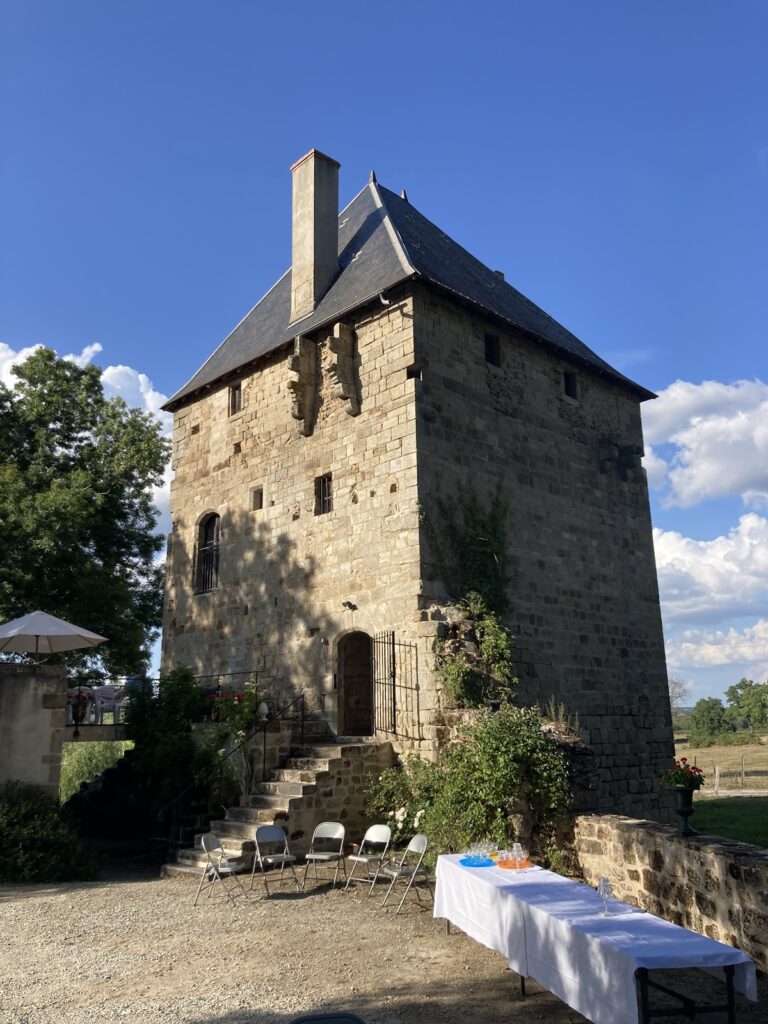
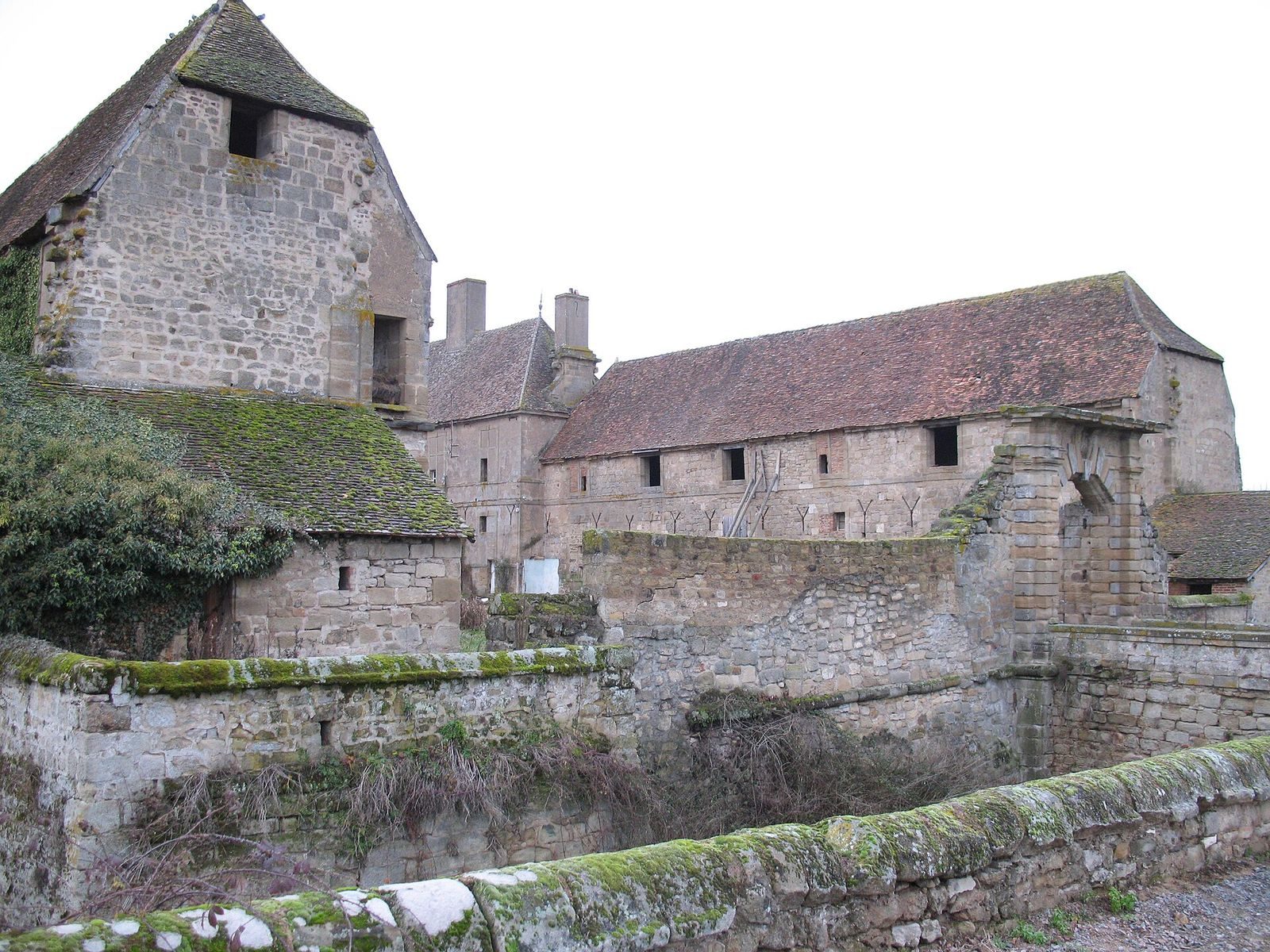
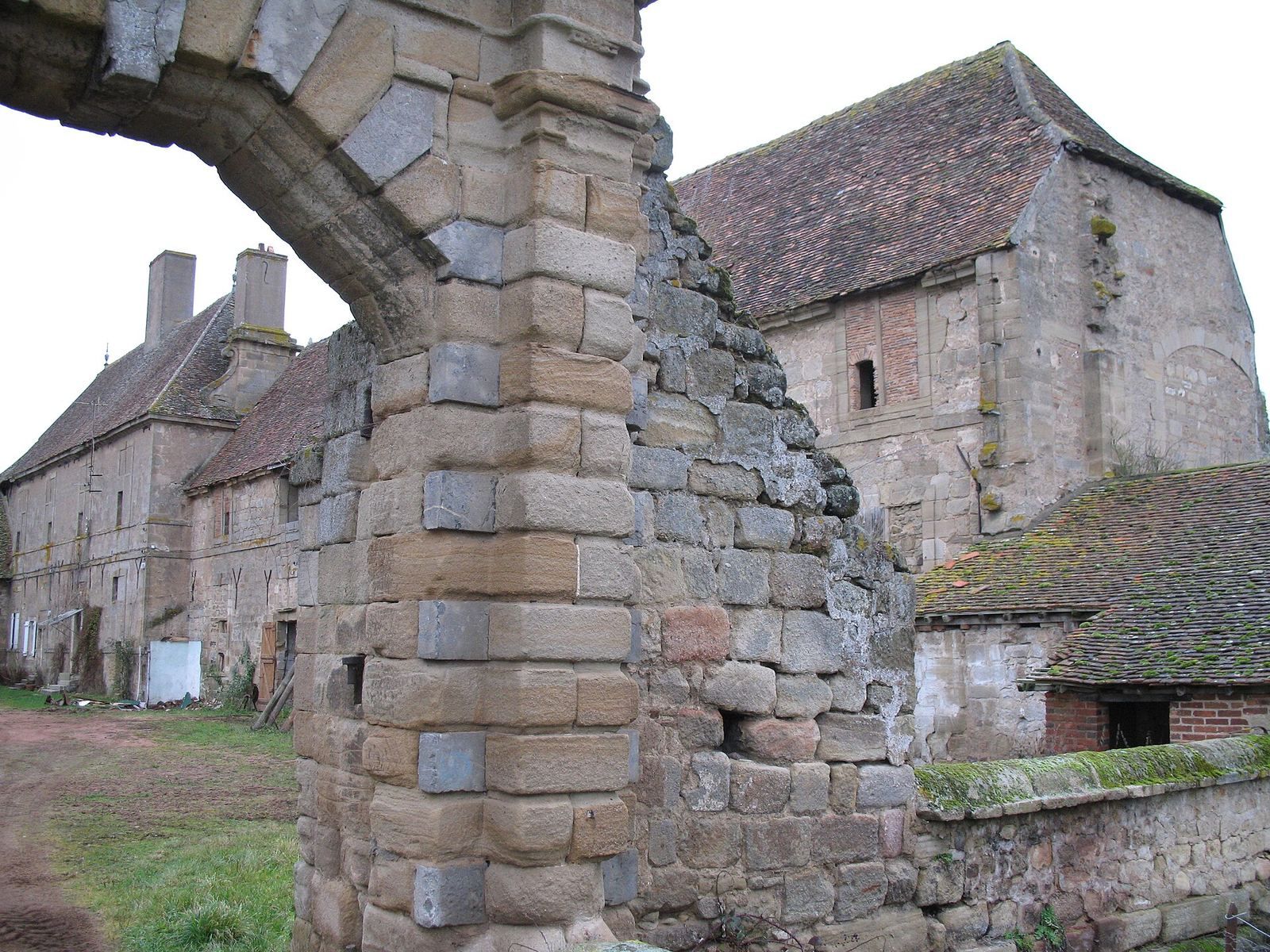
The complex stood on the plain between the Arroux and Drée rivers. Ditches surrounded it, with projecting corners that resembled defensive platforms. A wall enclosed the courtyard, and a stone bridge provided access to the entrance portal.
Surviving structures
The remains include a severely dilapidated pavilion, two buildings that extended the pavilions, and the portal. Together, these surviving elements preserve parts of the former fortified complex.